What do you think it feels like to be a victim of racial prejudice?
“If you are neutral in situations of injustice, you have chosen the side of the oppressor.”`Desmond Tutu)
During my childhood years, growing up in the Cleveland region of Ohio, the game of baseball first arose my interest with regard to the issue of differential treatment of races in American society. I loved to collect baseball cards from current teams but wondered why so few black players were found in each set of cards I bought. When I first took extra interest in what would become my team, the Cleveland Indians, the few black players I I read about were given somewhat “shady” nicknames like Mudcat Grant, Minnie Minoso and Satchel Paige. Why couldn’t reporters just call them by their real first names I thought? During those Indian games I began to watch on TV, I usually questioned why the managers, coaches and baseball fans of each team were all white as well.
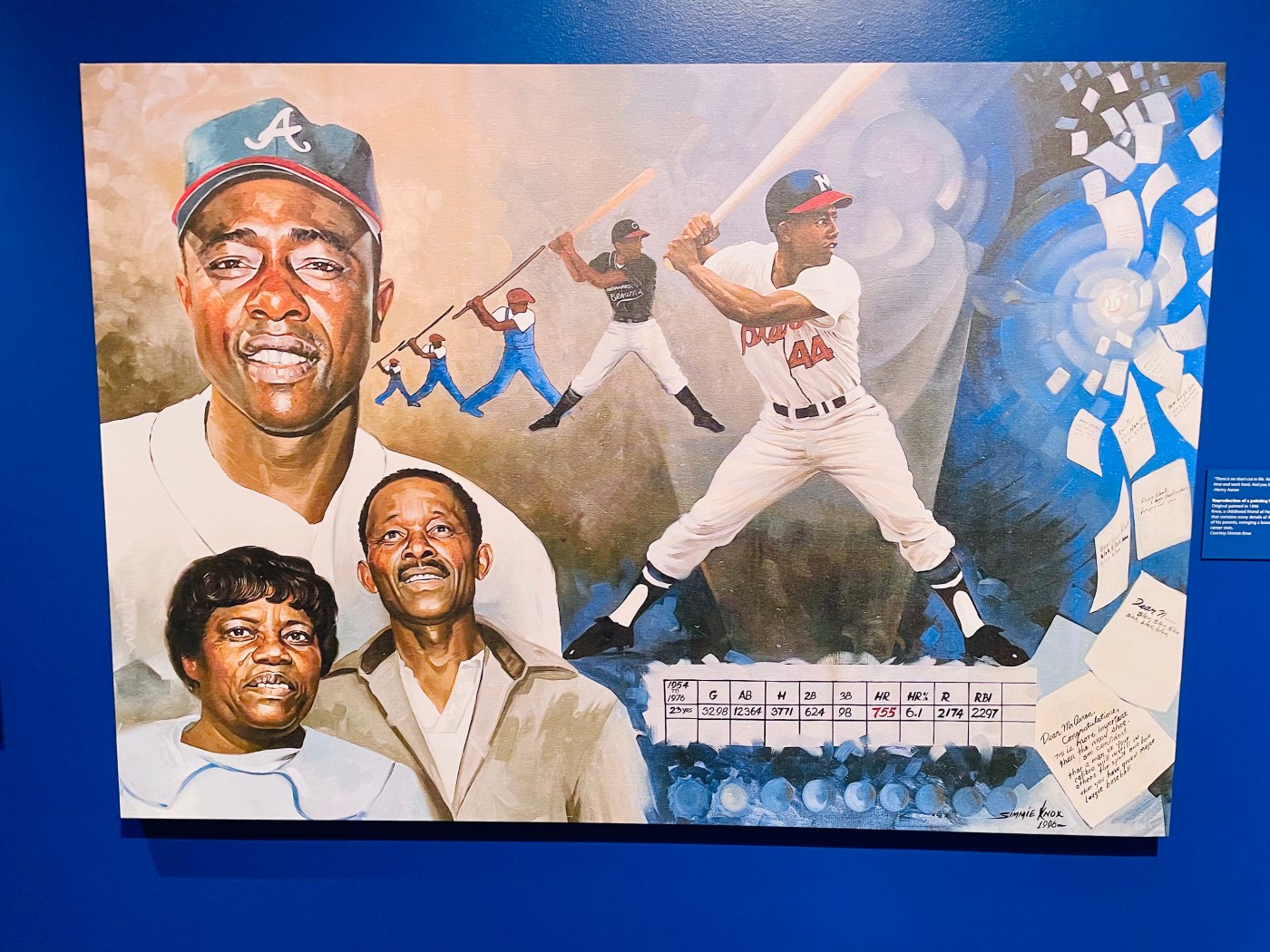
So you might say I owed it my myself to study up further on the subject of baseball’s history of racism in our country by taking time to view the Hank Aaron exhibit at the Atlanta History Museum last Friday on day three of our road trip. For I wanted to learn more about Hammerin’ Hank (as both a person and a player) who entered the major leagues in 1953 at a time well documented when those few black players allowed in the league endured the cruel wrath of racist verbal abuse and the threat of physical violence on a daily basis. I might also conclude that such rampant discrimination against the black race that existed in Major League baseball at the time forced Hank to begin his career playing for low pay and poor working conditions as a member of the Miami Clowns team in the Negro Baseball League.
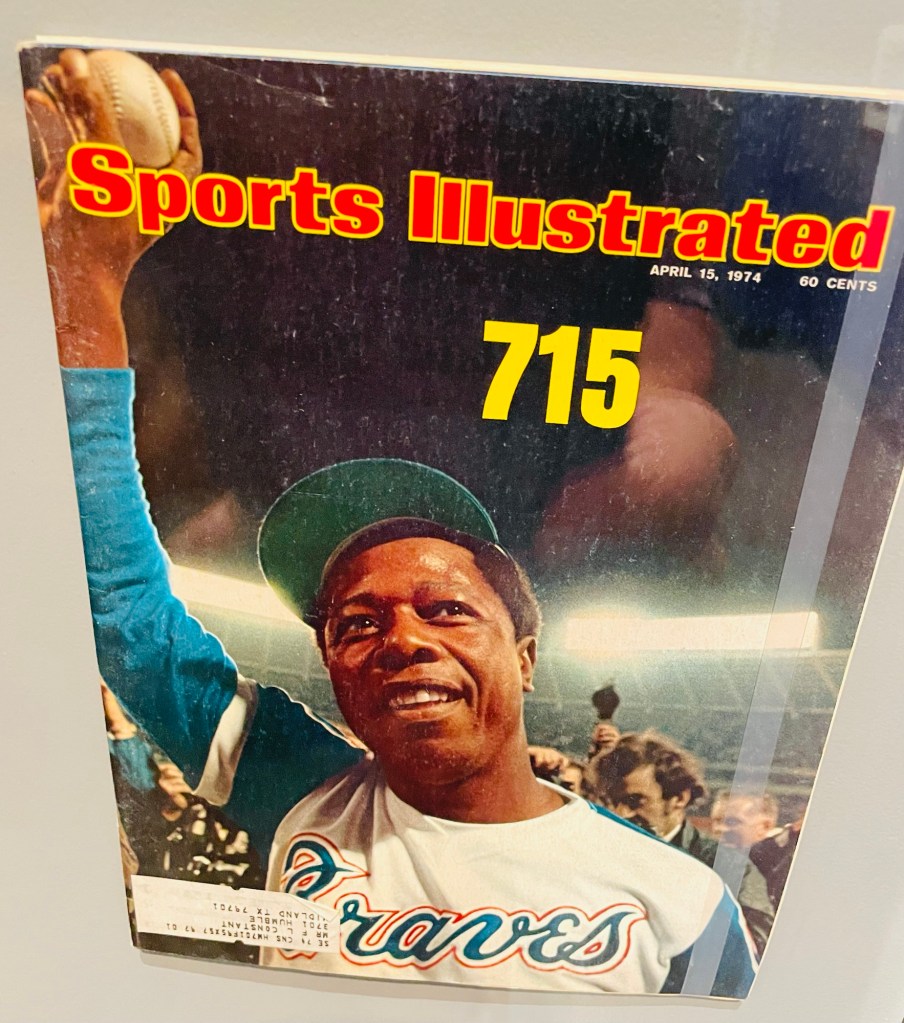
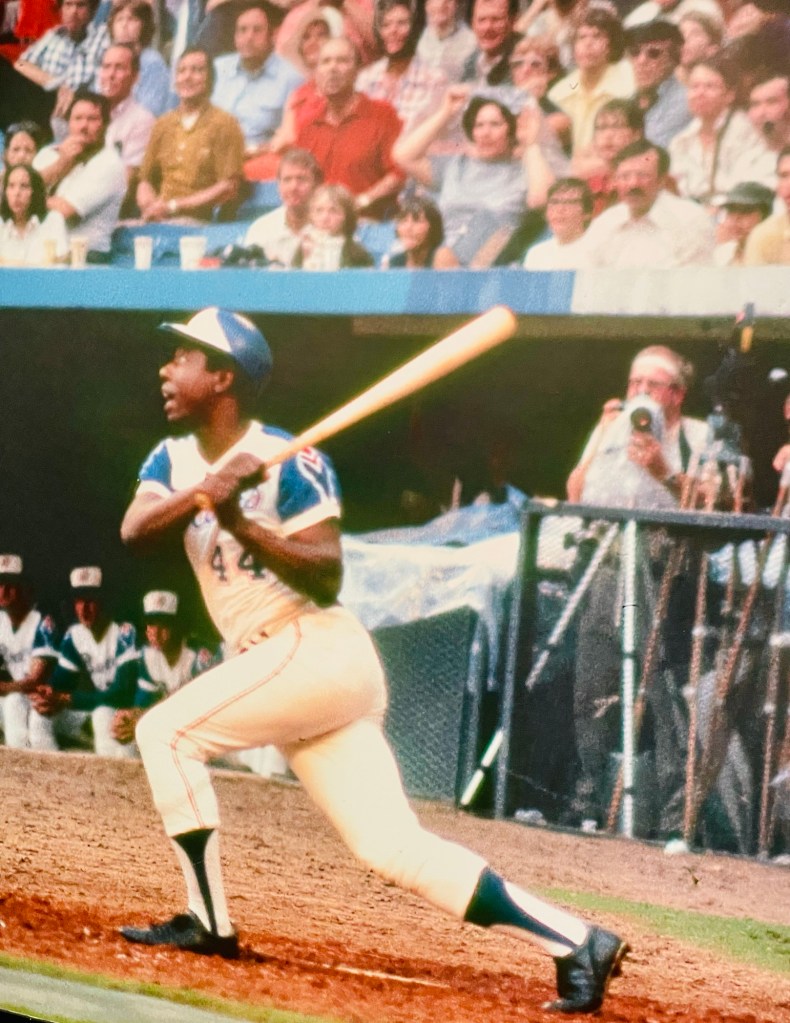
Thus, it’s rather obvious to recall from this visit that Hank best answered those racist calls with his extraordinary skills as a hard hitting outfielder for the Milwaukee/Atlanta Braves. For over a twenty three year major leagues career, he would carry the honored distinction of surpassing Babe Ruth’s all time record of 714 home runs, achieving a lifetime batting average of .305 and participating in a record 25 All Star games.
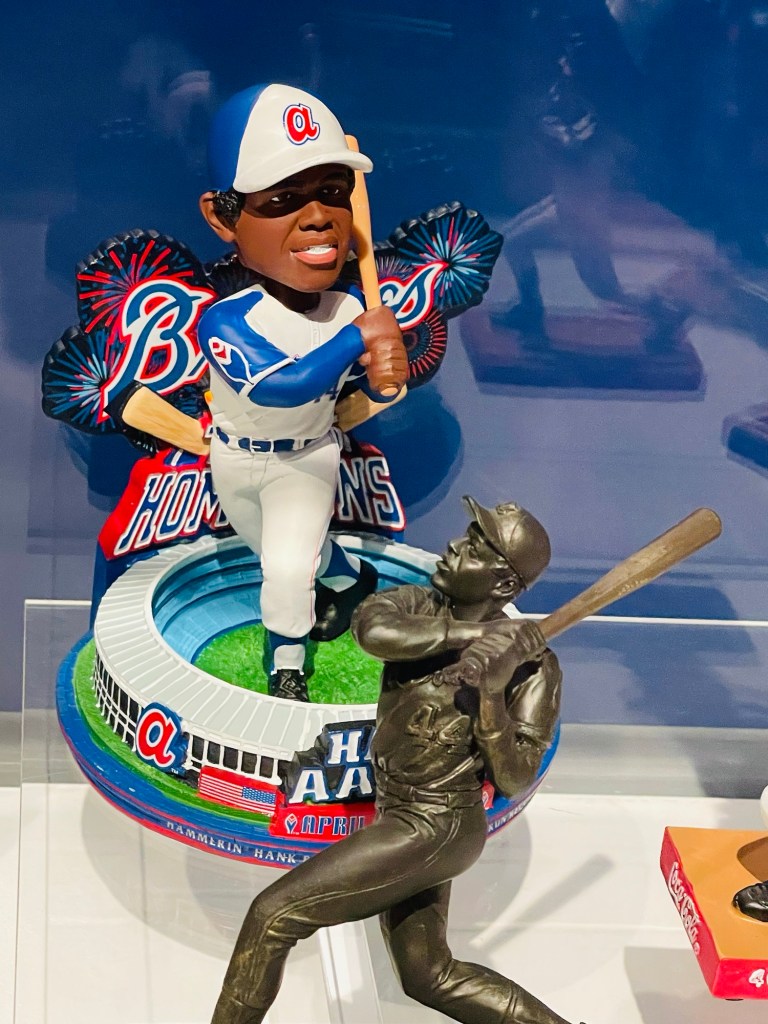
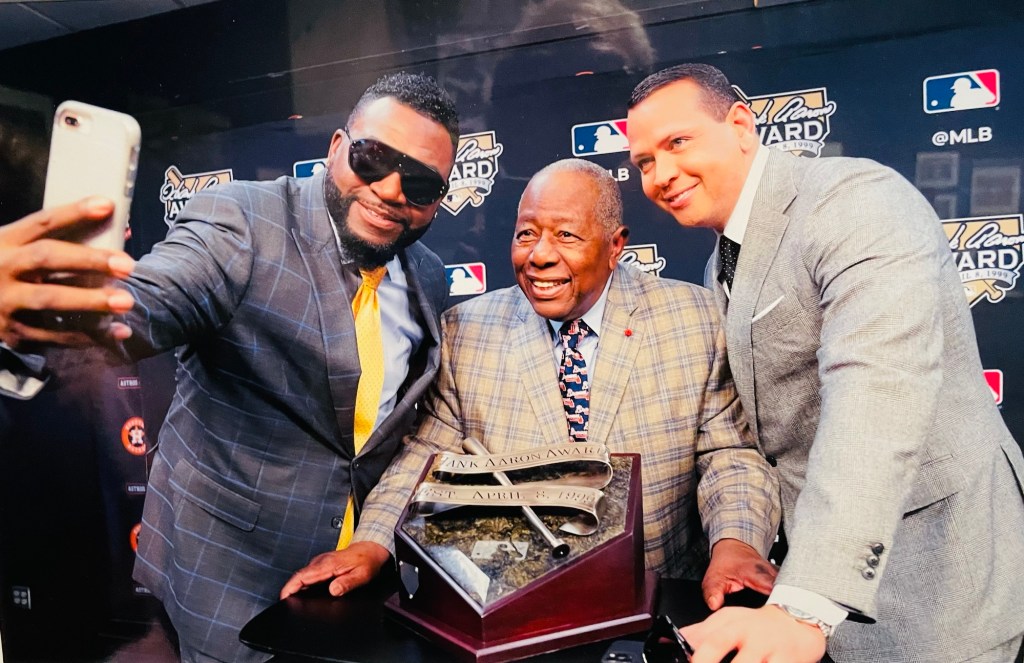
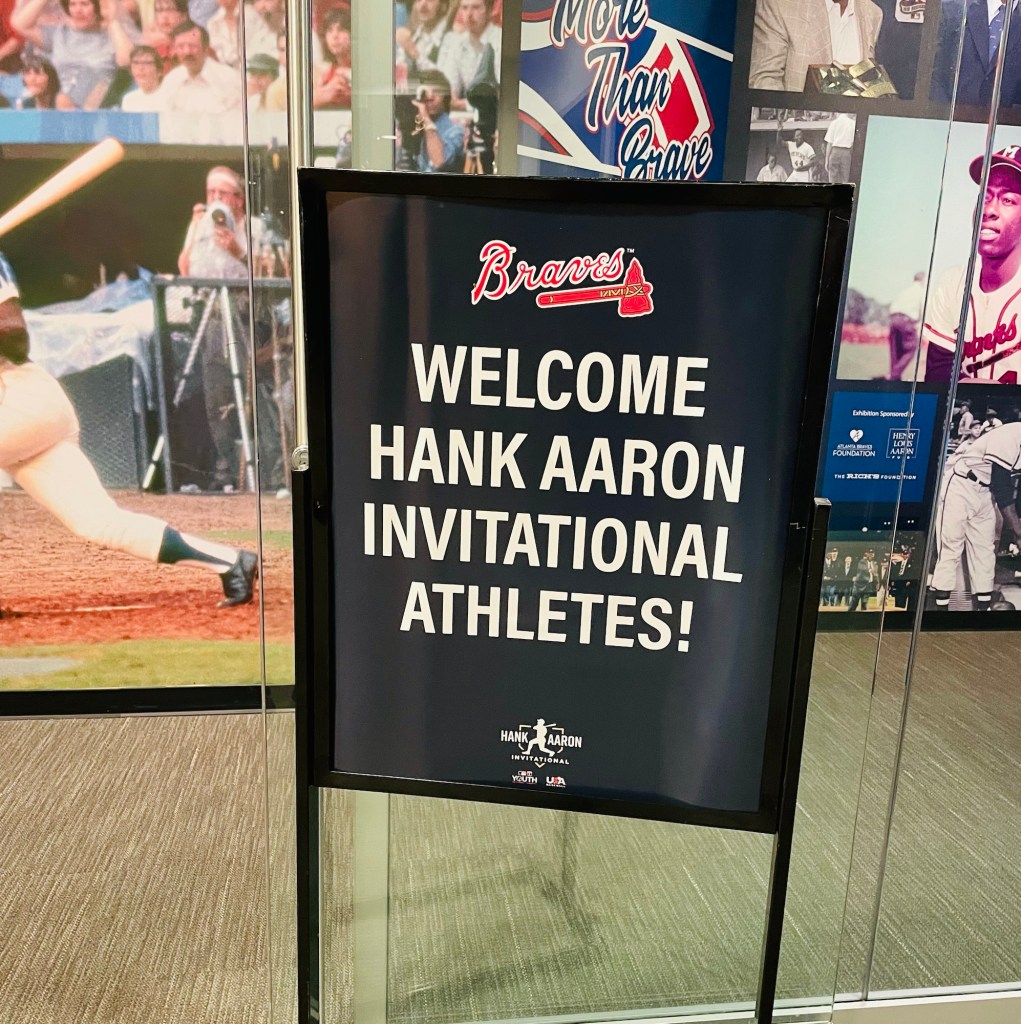
Yet it’s important to also note that Hank Aaron’s legacy exists today far beyond baseball. In this manner, I might reflect that that this timely Atlanta excursion coincided with an event titled “The Hank Aaron Invitational”whereby hundreds of African American school athletes from the area gathered together there to pay homage to his life that day. I can best imagine then that Hank would have wanted to speak that day, exhorting to these aspiring sports youths that they could best handle anticipated racial barriers in their lives by taking advantage of every opportunity that comes their way. Here’s some photos from that visit that I found most interesting about Hank. Hopefully they will arouse some interest toward making equal treatment of races matter.





 Snippets of a Traveling Mind
Leave a comment