
How do you view the American Indian experience from past to present?
“Certain things capture your eye but pursue only that which captures your heart. “ (Choctaw Indian proverb)
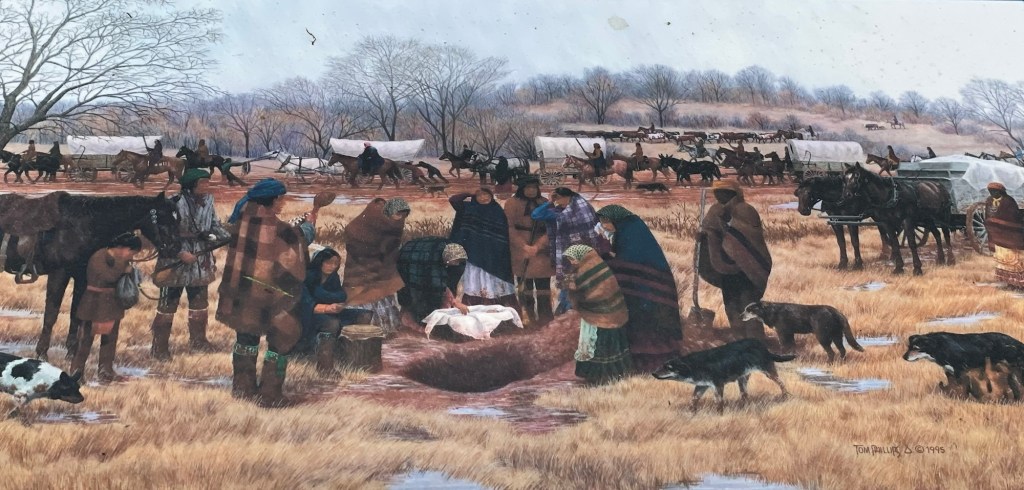
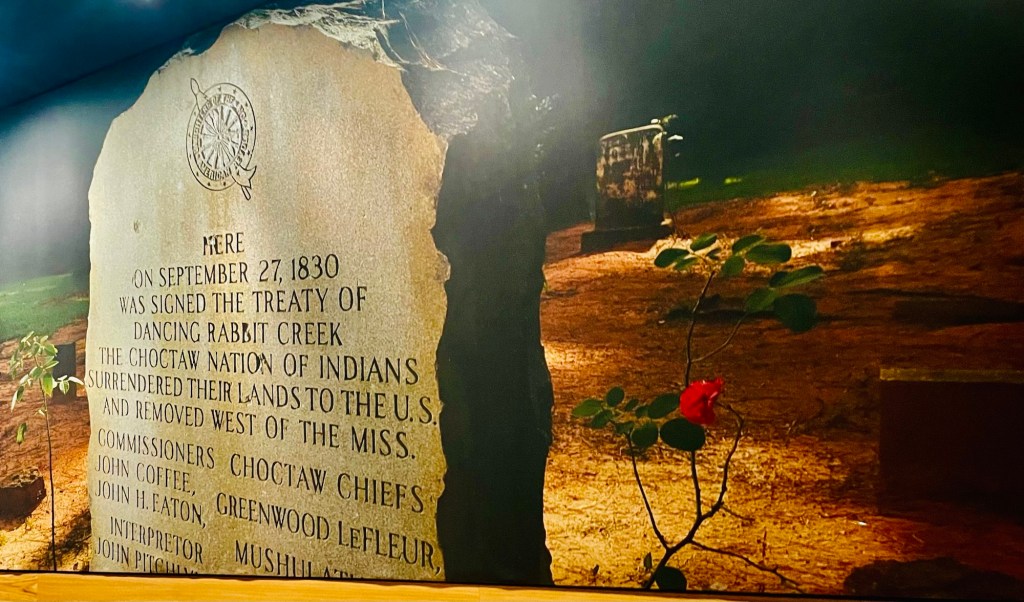
The way I see it, it’s one side to read about the American Indian experience throughout history by way of textbook facts about the various tribes existing in America. But it’s another matter to see up close the real Native American experience through through real life artifacts and other visual evidence of their actual living conditions from the past to now. Simply put, as a past history teacher, my students memorized dates and event facts about Native Americans for mandatory testing purposes, but in doing so they did not feel the real emotional story about the triumphs and tragedies of these people. Take for example the historic time in the early 19th century when the Choctaw were one of several civilized tribes to be forcibly removed by the U.S federal government from their ancestral homeland in the southeastern lands of early America. In retrospect, why didn’t I adapt my curriculum to help students make personal connections to the hardships Indians faced in journeying thousands of miles on foot along the famed “Trail of Tears” route to what would later become the state of Oklahoma?
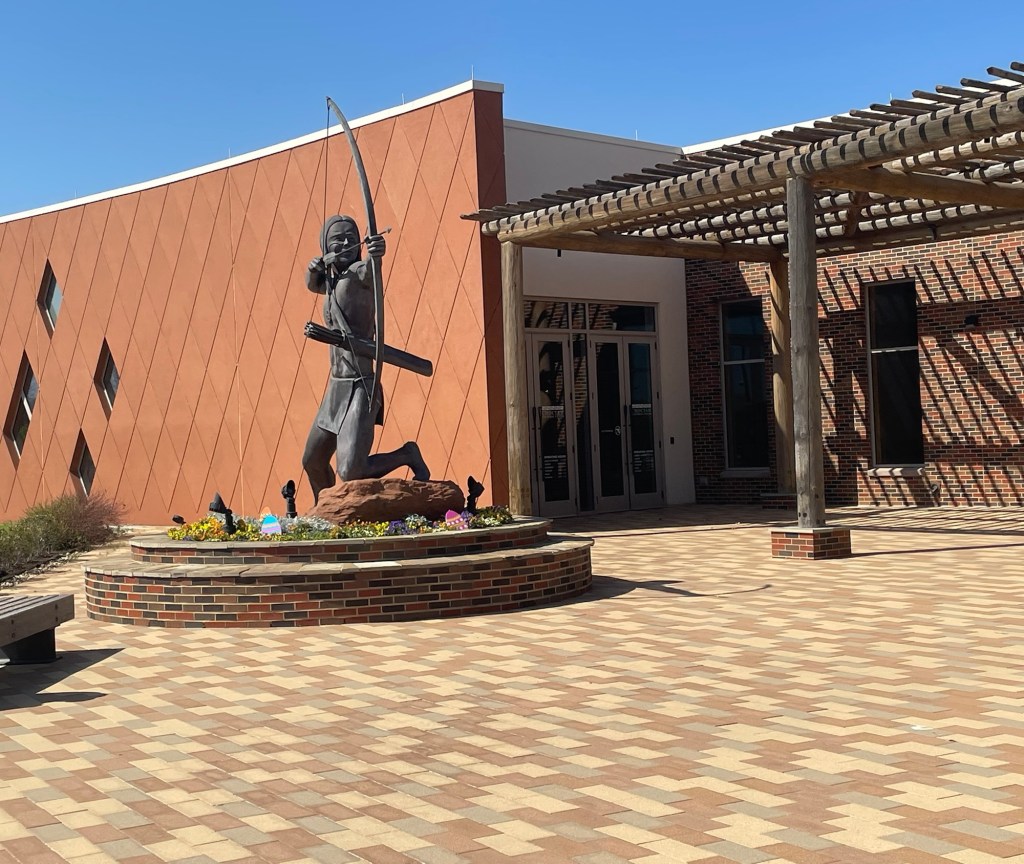
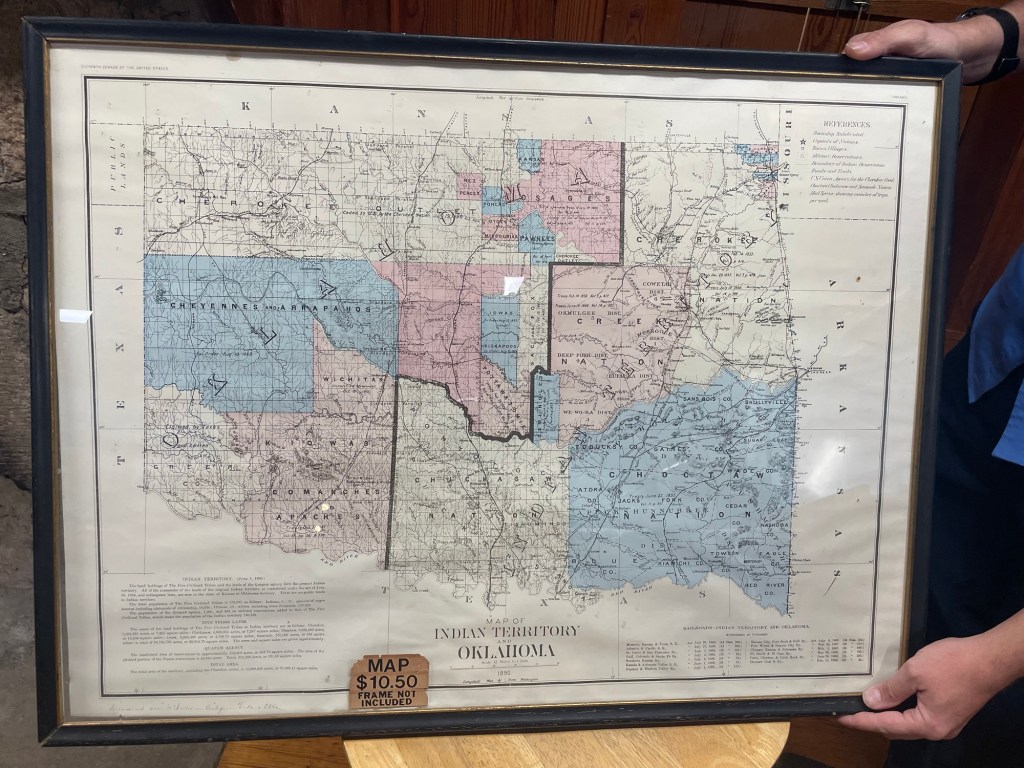
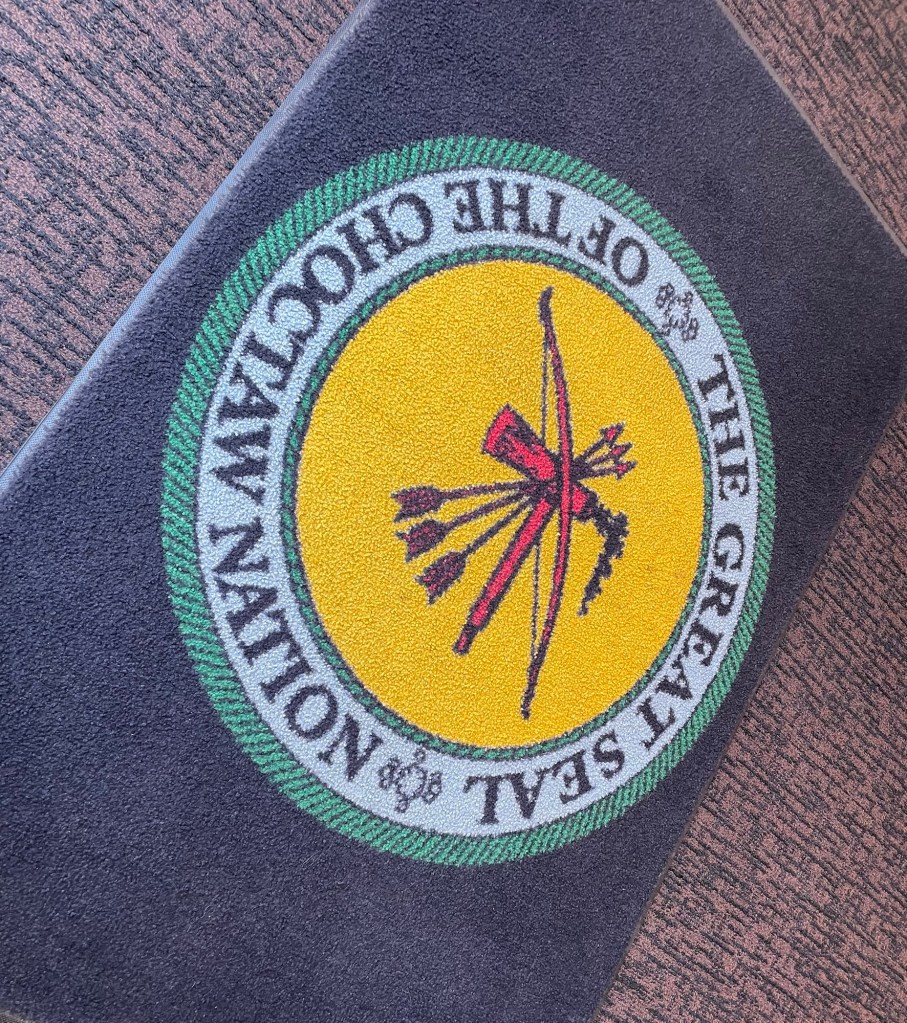
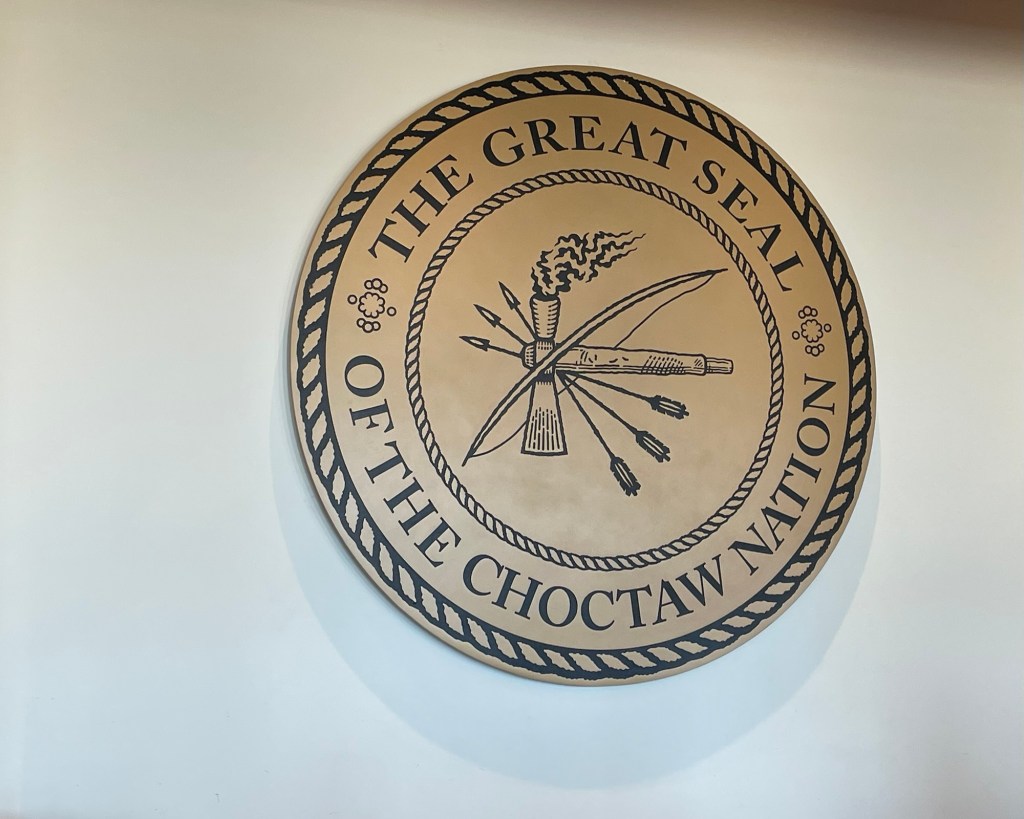
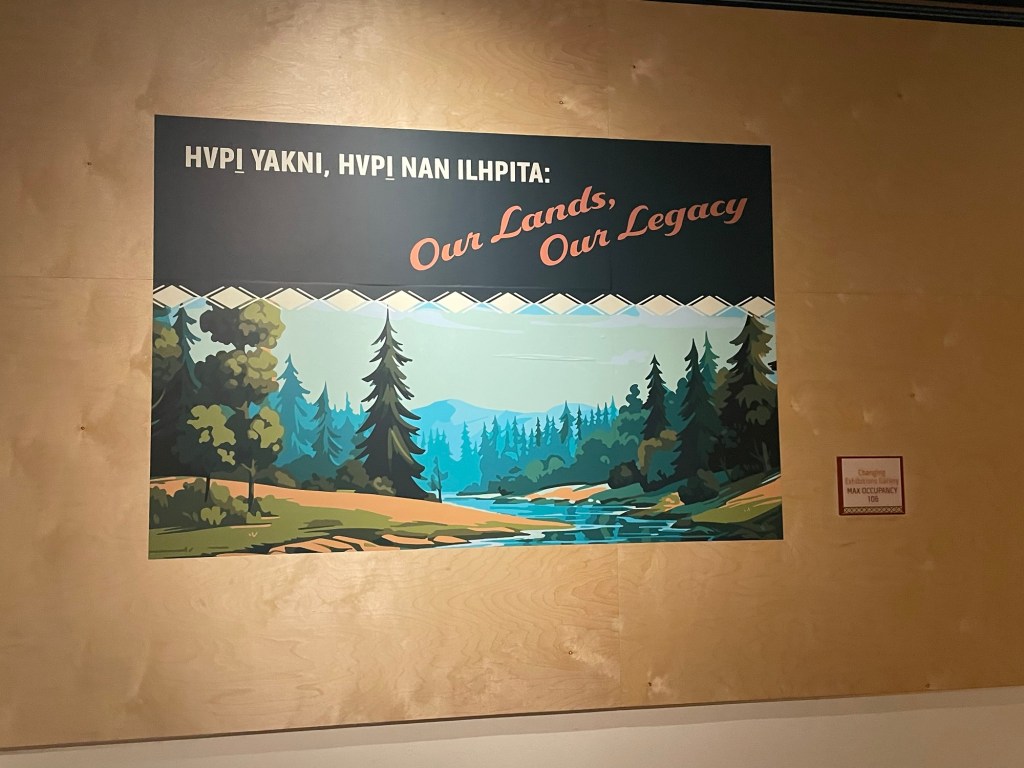
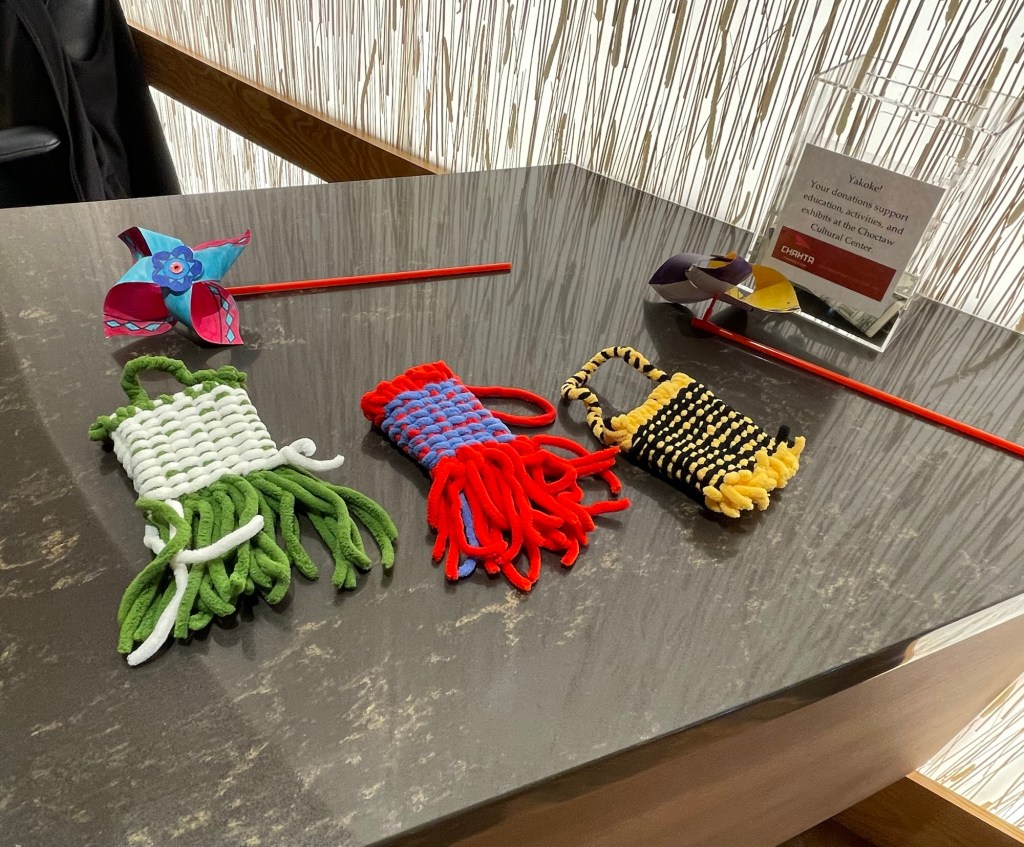
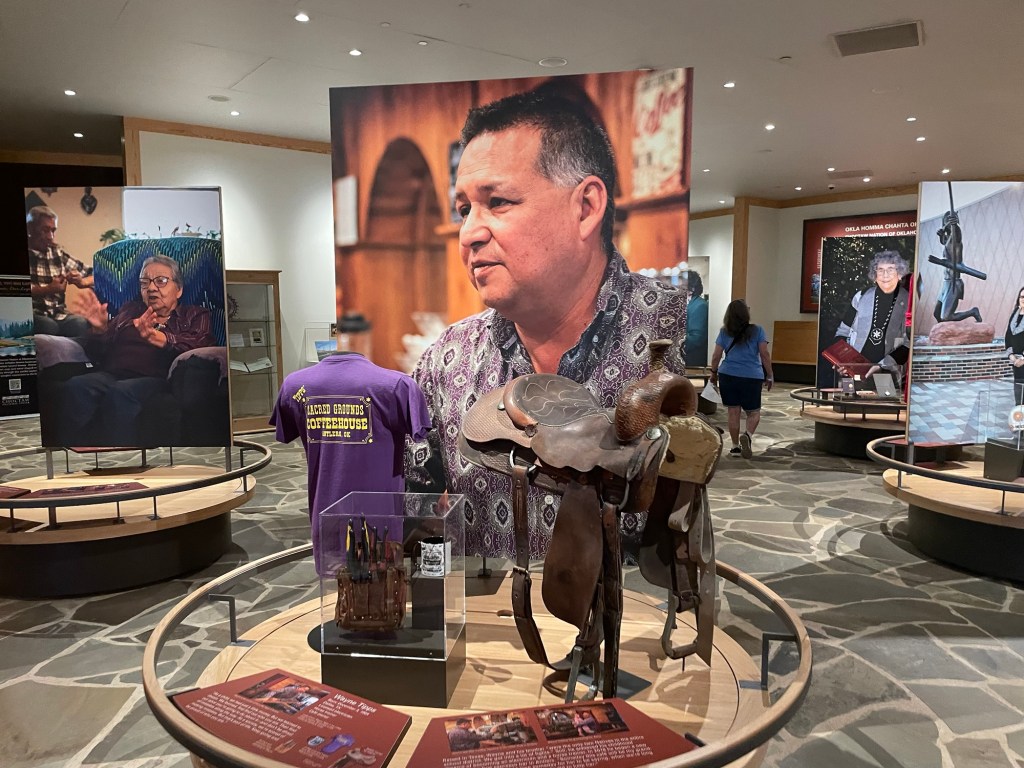
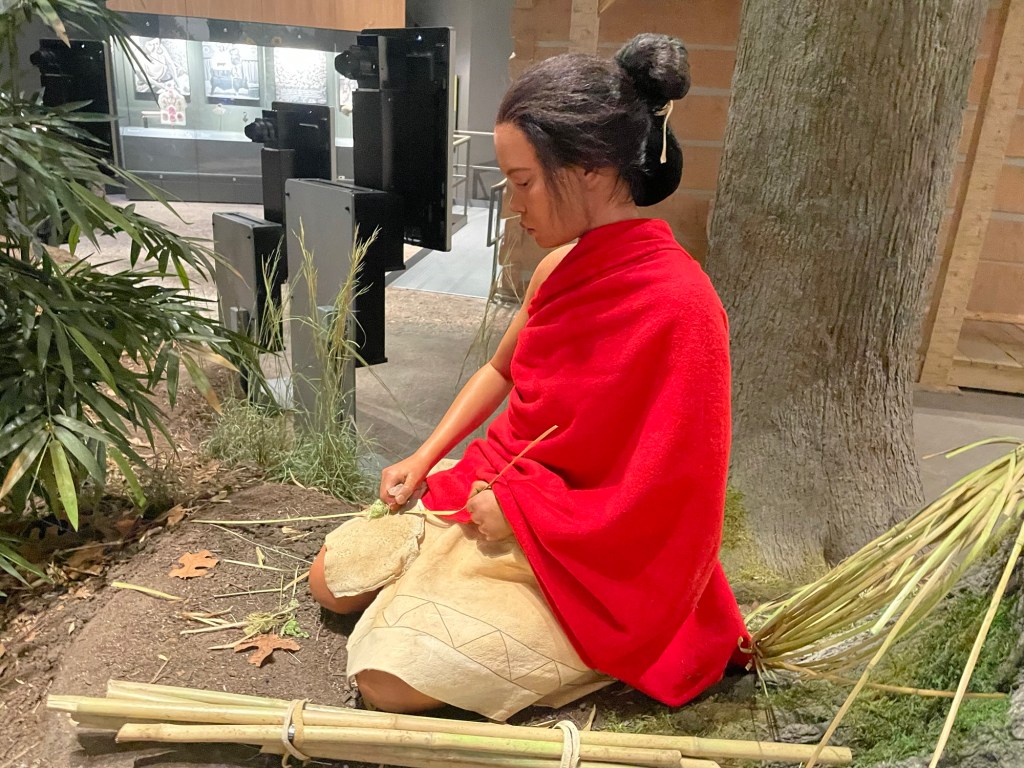
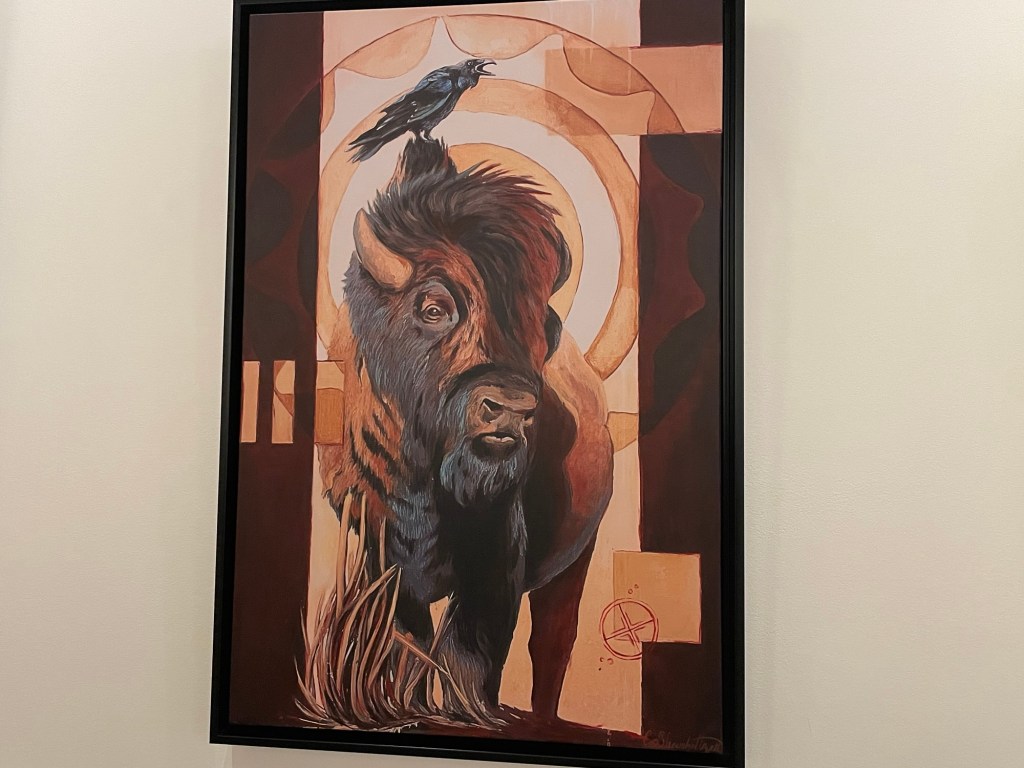
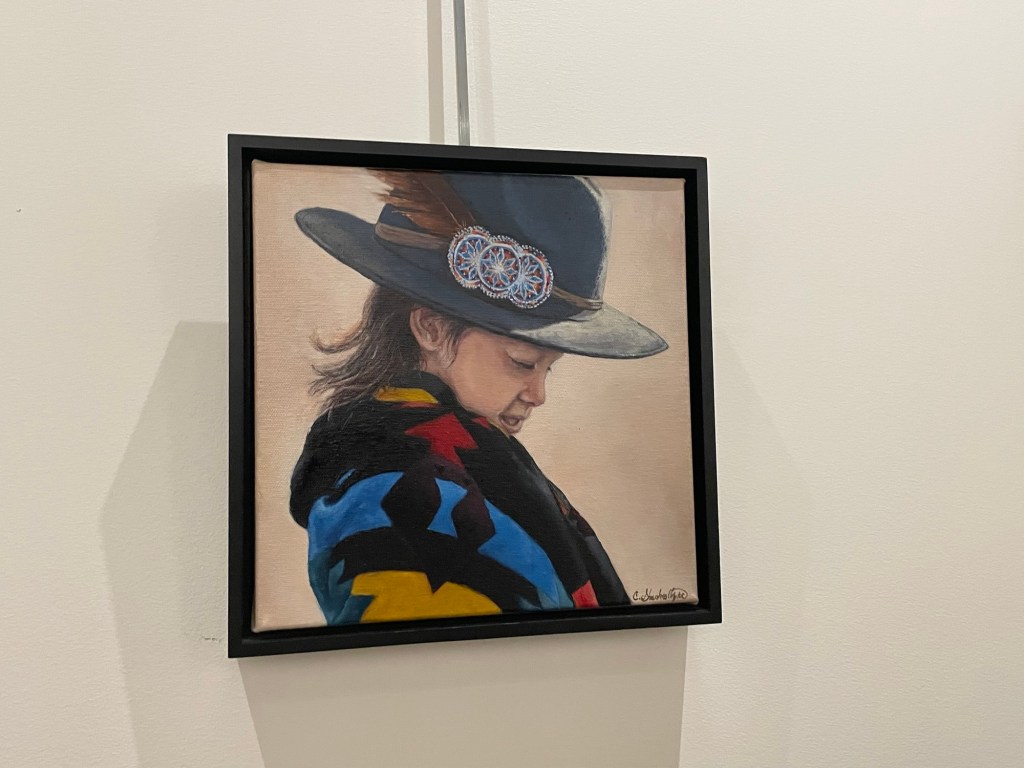
Take the Choctaw Indian nation in particular then as a teachable playback for this blog. For on our visit to the modernistic Choctaw Cultural Center in Durant, Oklahoma on day seven of our road trip, I of course took academic interest in key historic events concerning this Choctaw spanning several centuries of broken treaties, forced homeland movements and legal attempts to disband the Choctaw’s politically and socially as a united nation. Yet it was quite revealing that I also found a distinct emotional connection to colorfully designed artwork, symbolic emblems and banners along with some powerfully expressive human and animal figures representative of Choctaw culture. See examples of these images in my photo set below.
Looking more to the present, it’s clear to me that the Choctaw nation recovered from those tragedies by reestablishing full territory rights and now remain strong and resilient as a fully functioning and united self government for its living residents today. Thus let history be retold in our education system with the positive Choctaw experience in mind to inspire more respect for our Native American tribes.
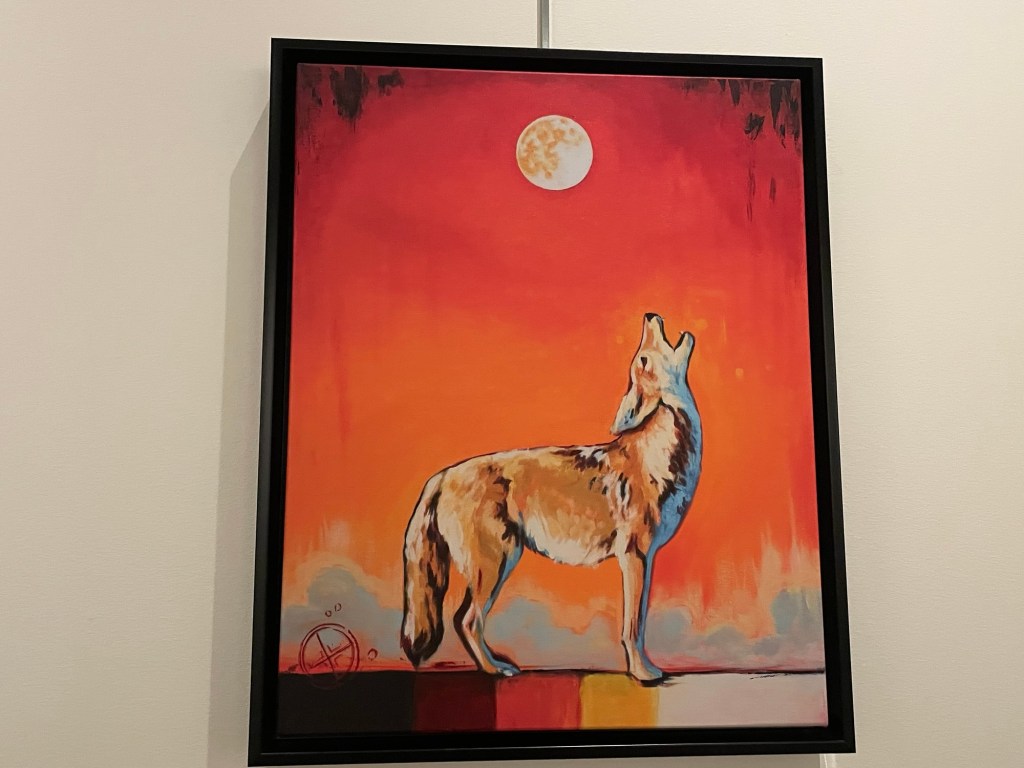
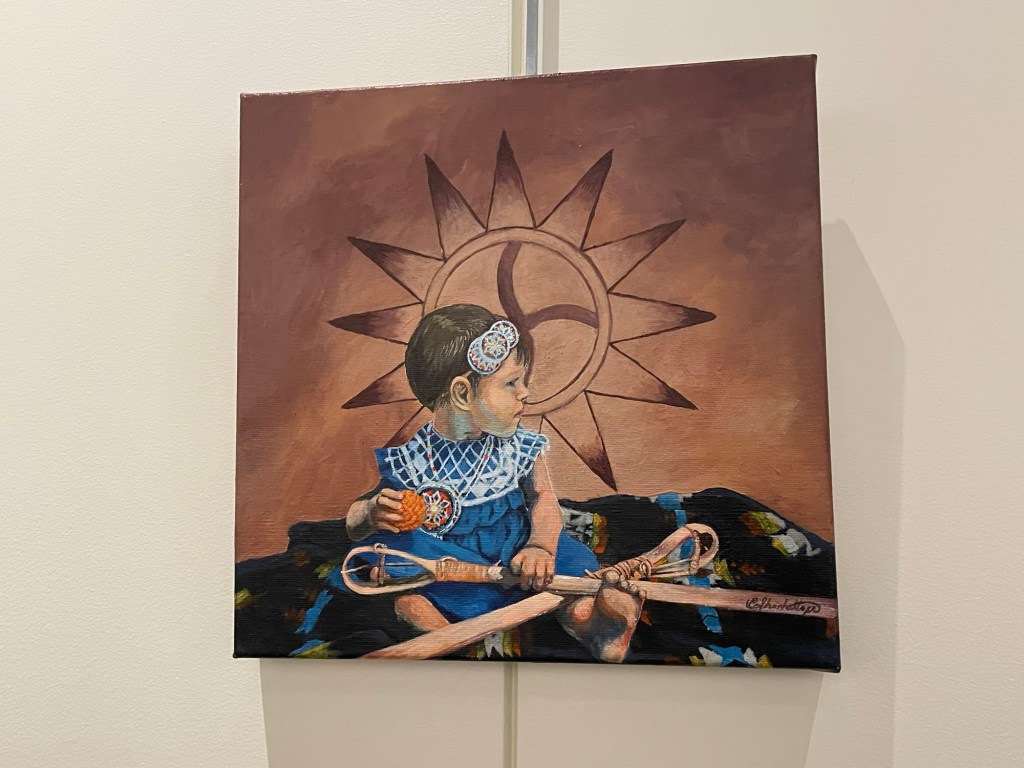
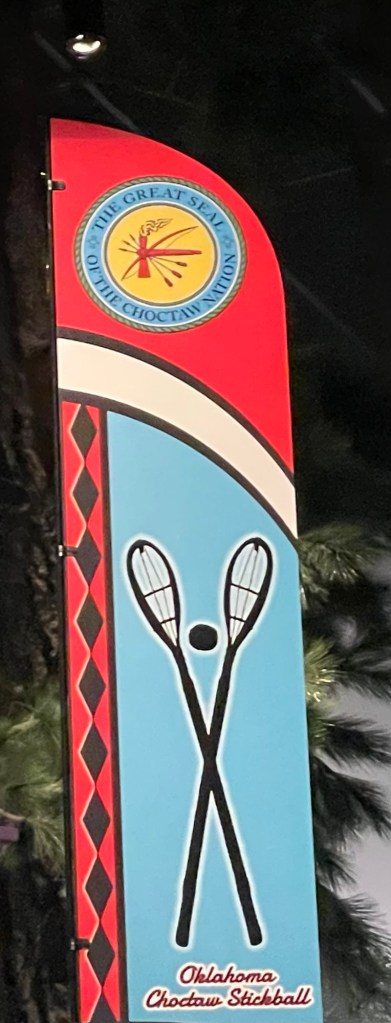
 Snippets of a Traveling Mind
The cultural center was amazing. One of the best museums I have been too. It covers so much but not in an overload experience. Also we had a wonderful lunch in their cafe. I want to go back to see it again.
LikeLike
It’s true, Jim, that memorizing dates and historical terms never gives young people a chance to truly feel the stories behind them. Places like that are bridges across the emotional gap.
LikeLiked by 1 person