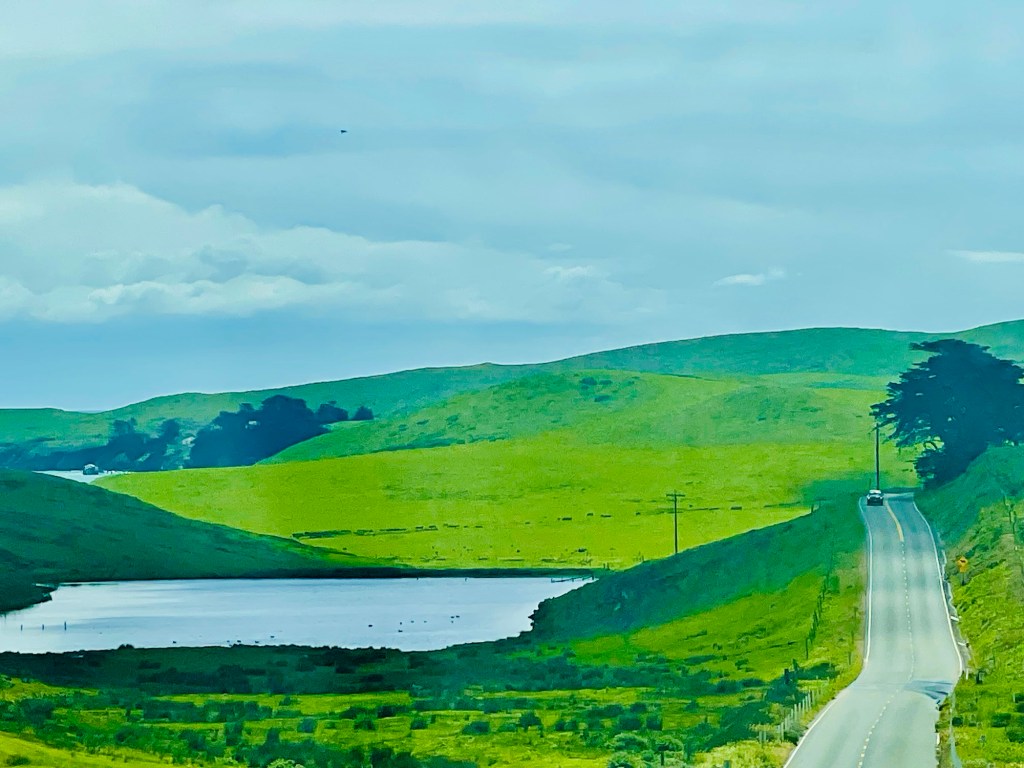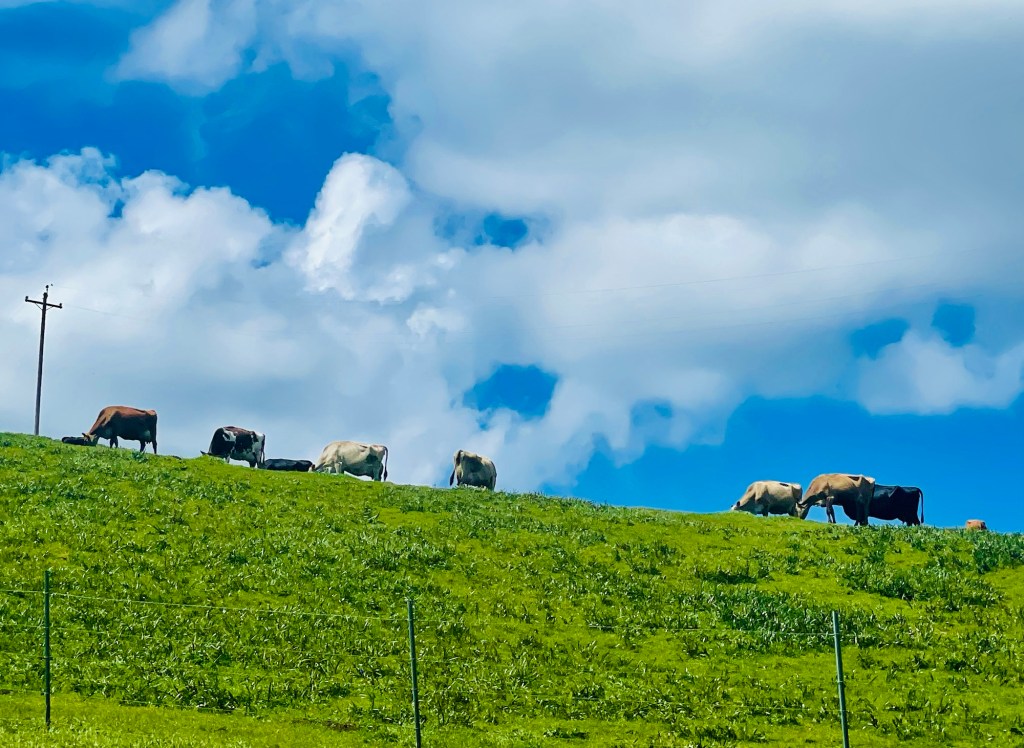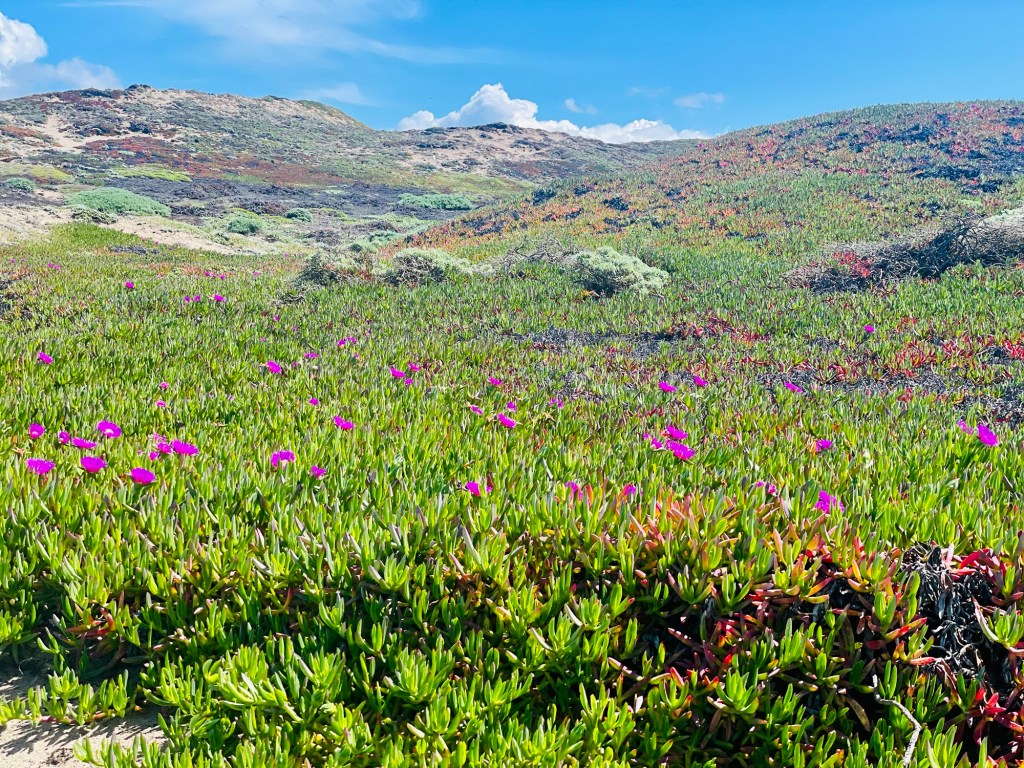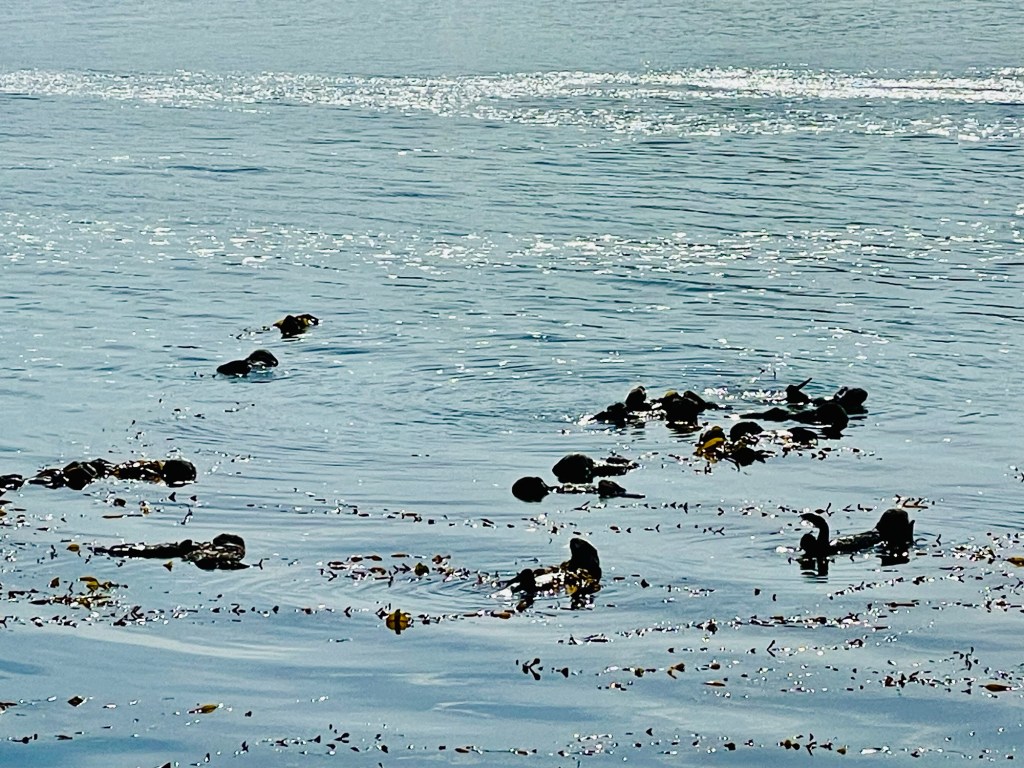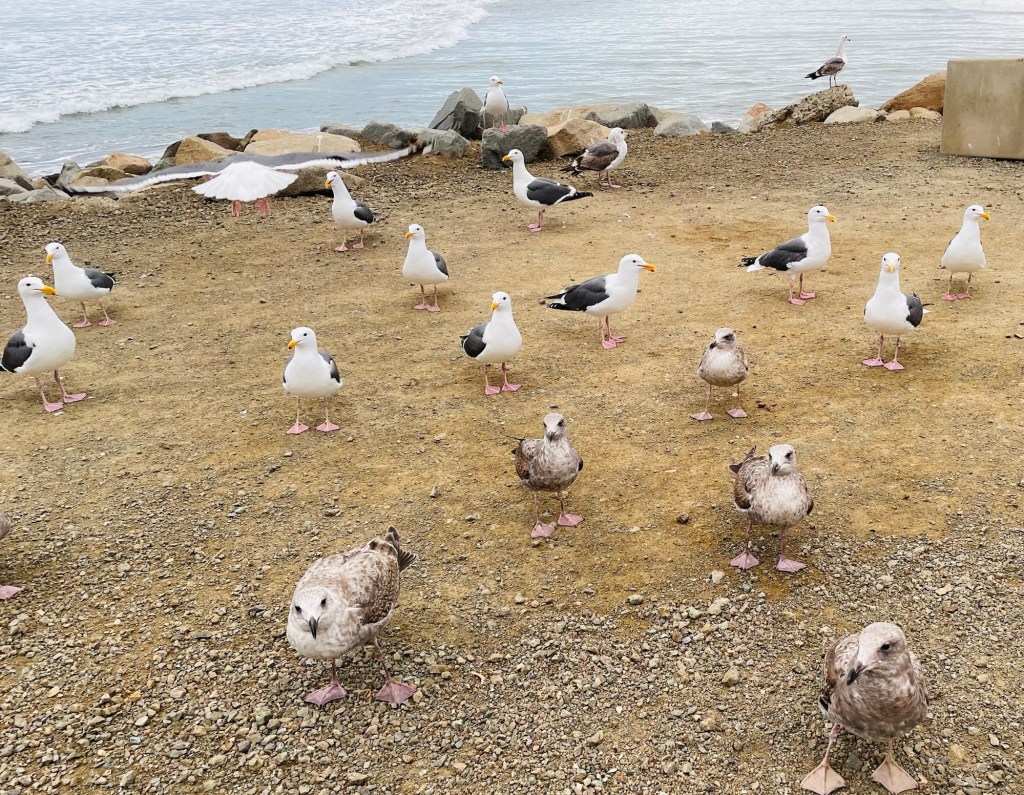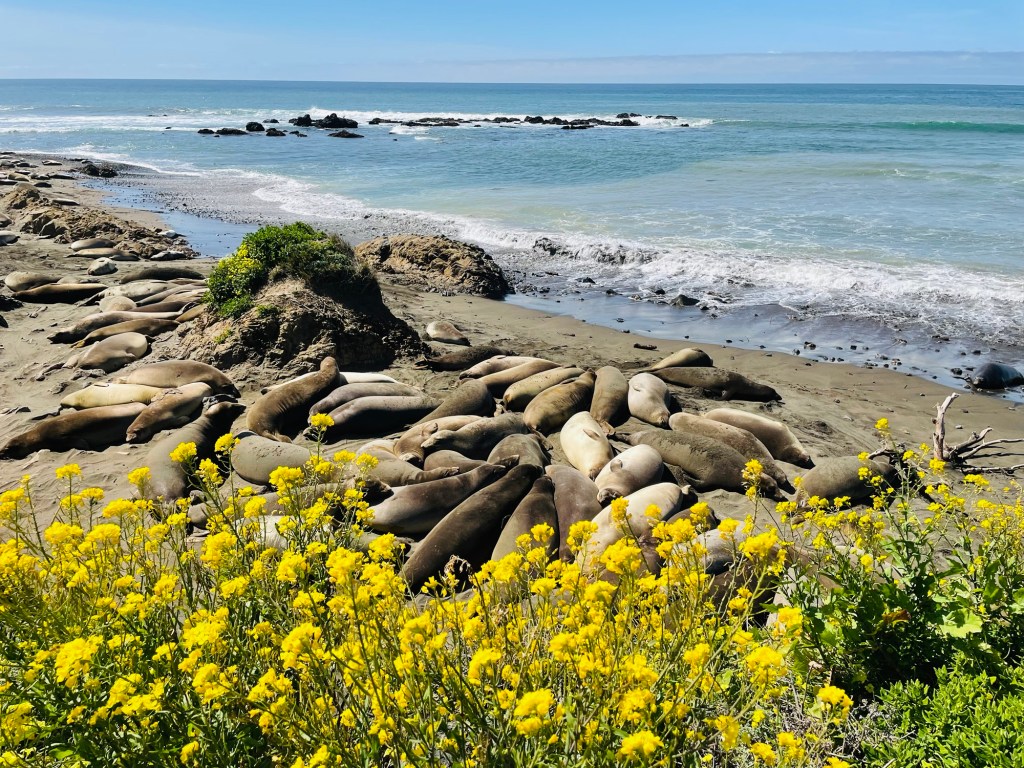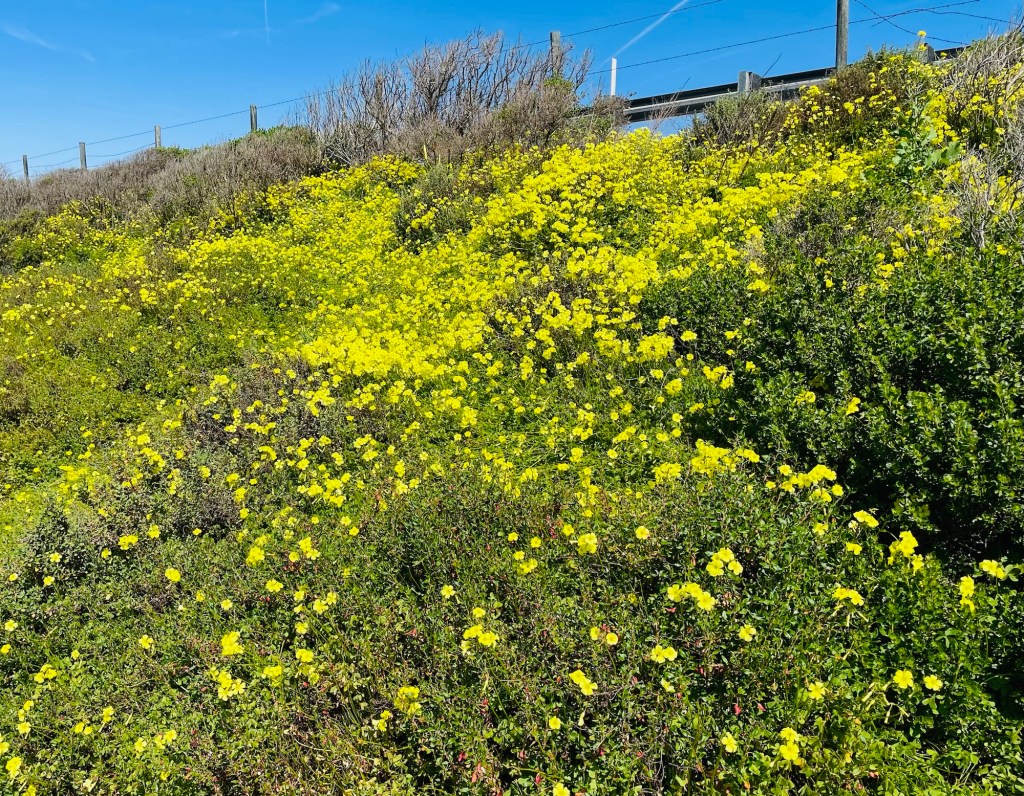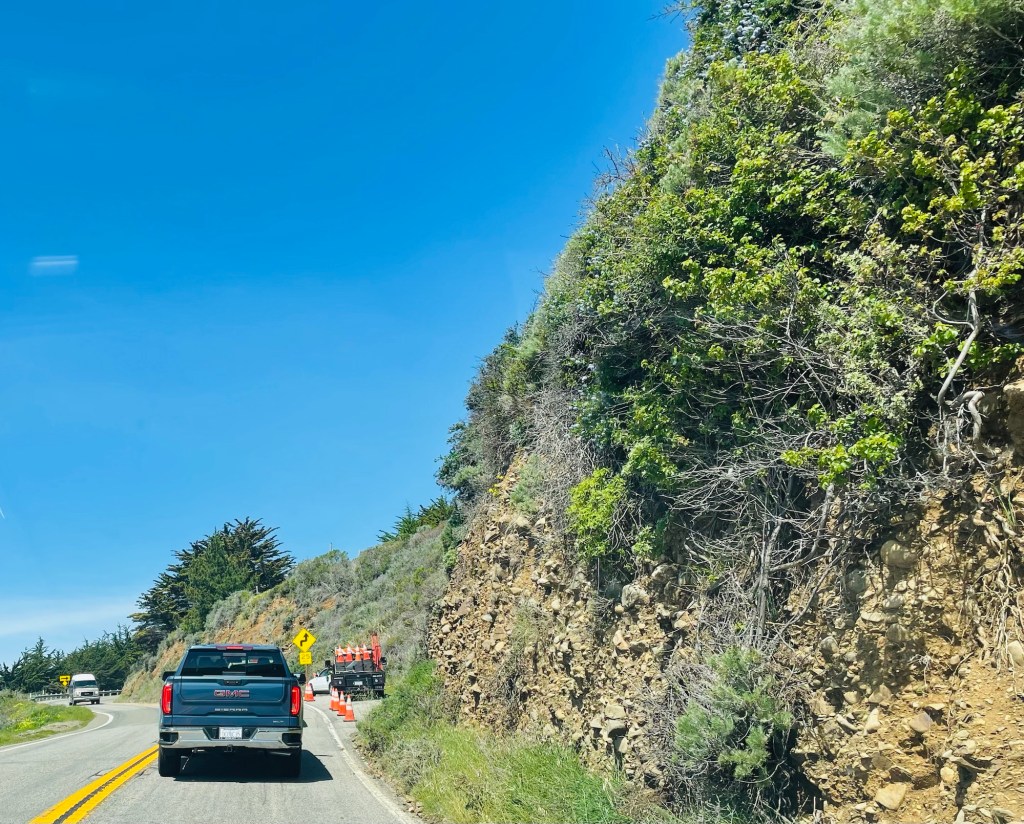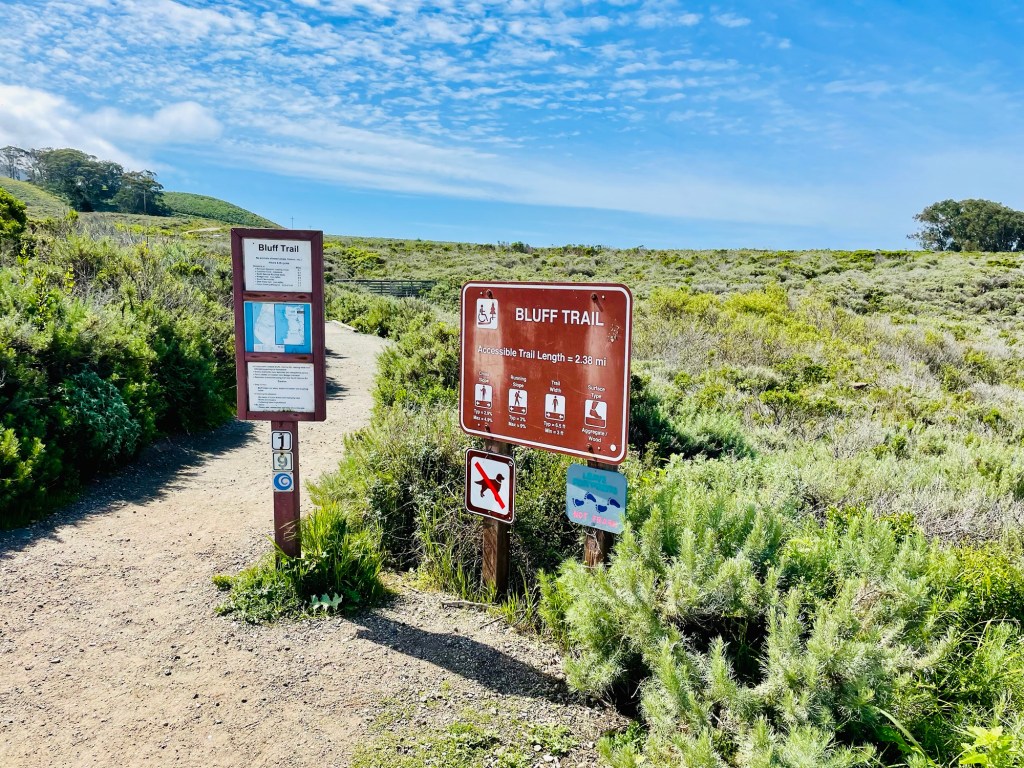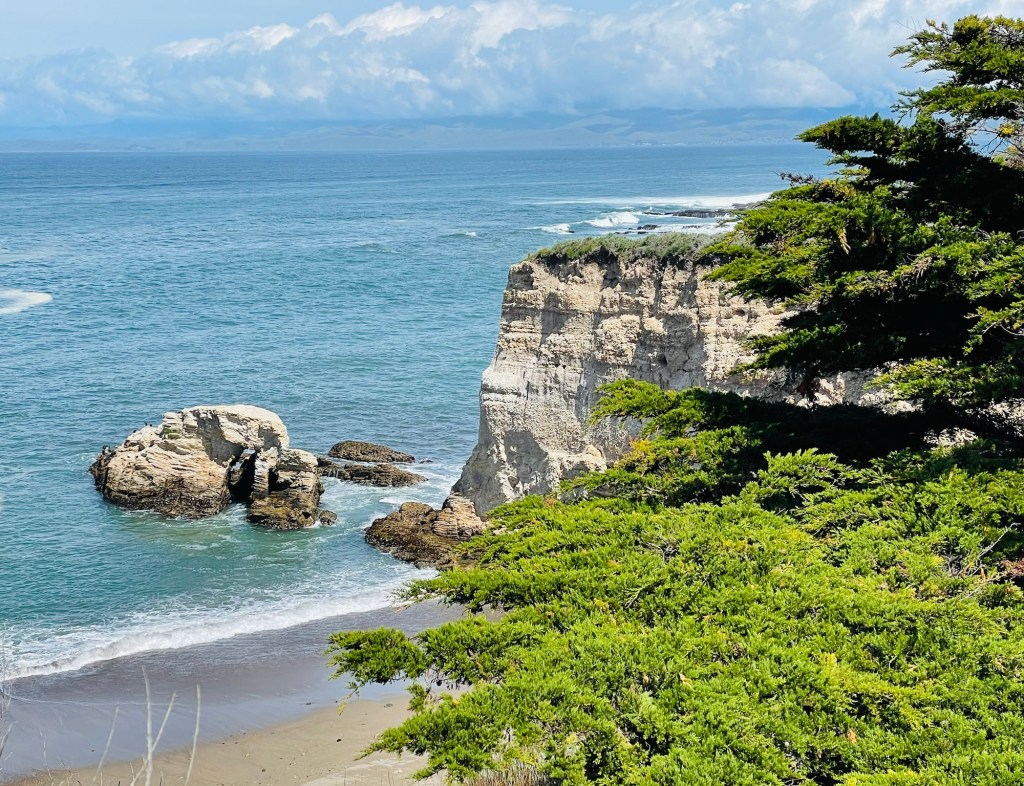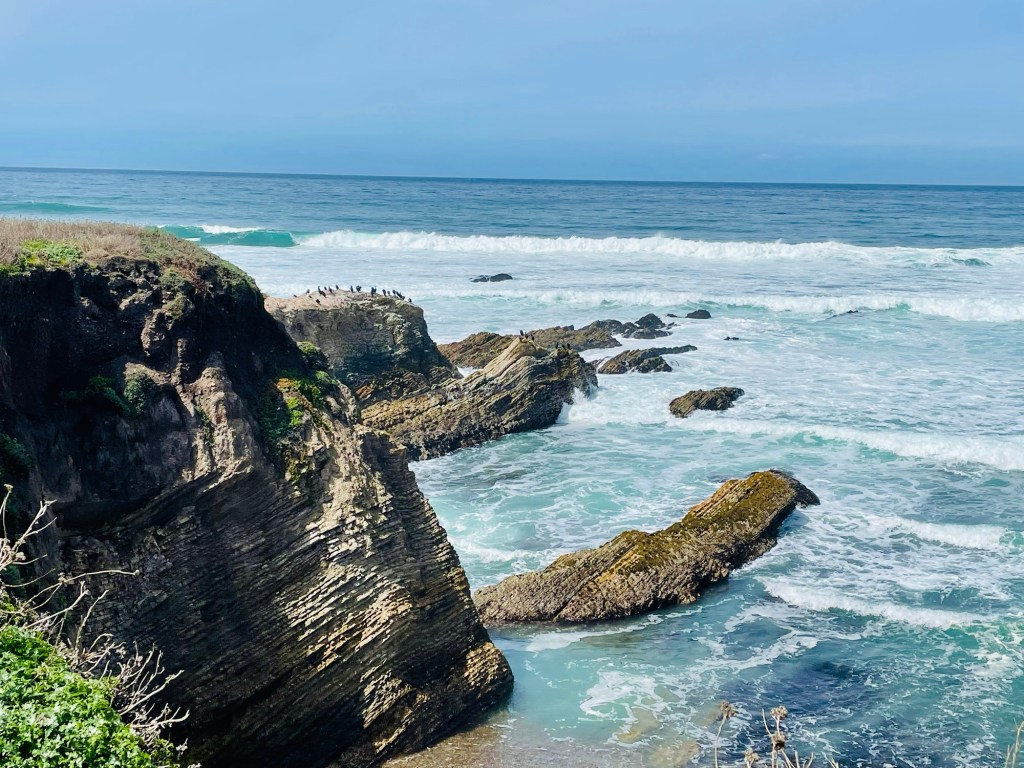
“Be kind to all creatures. This the true religion.” (Buddha)
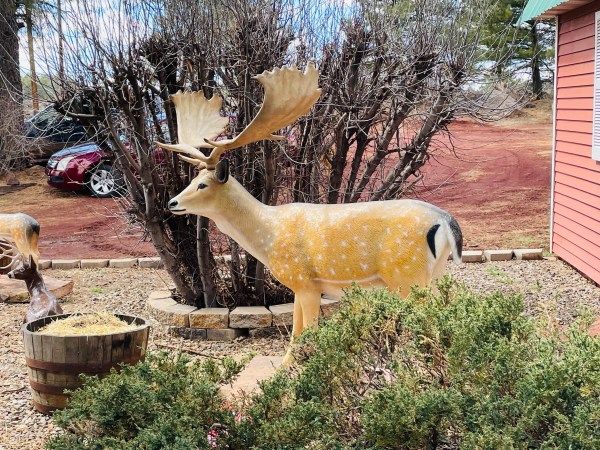
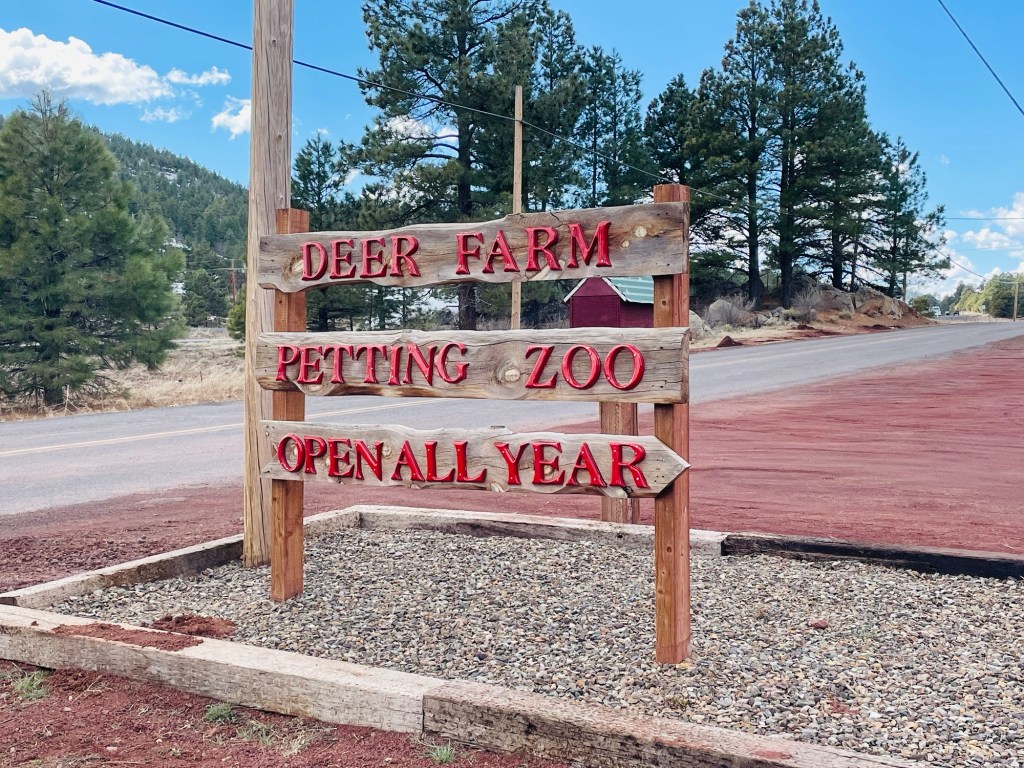
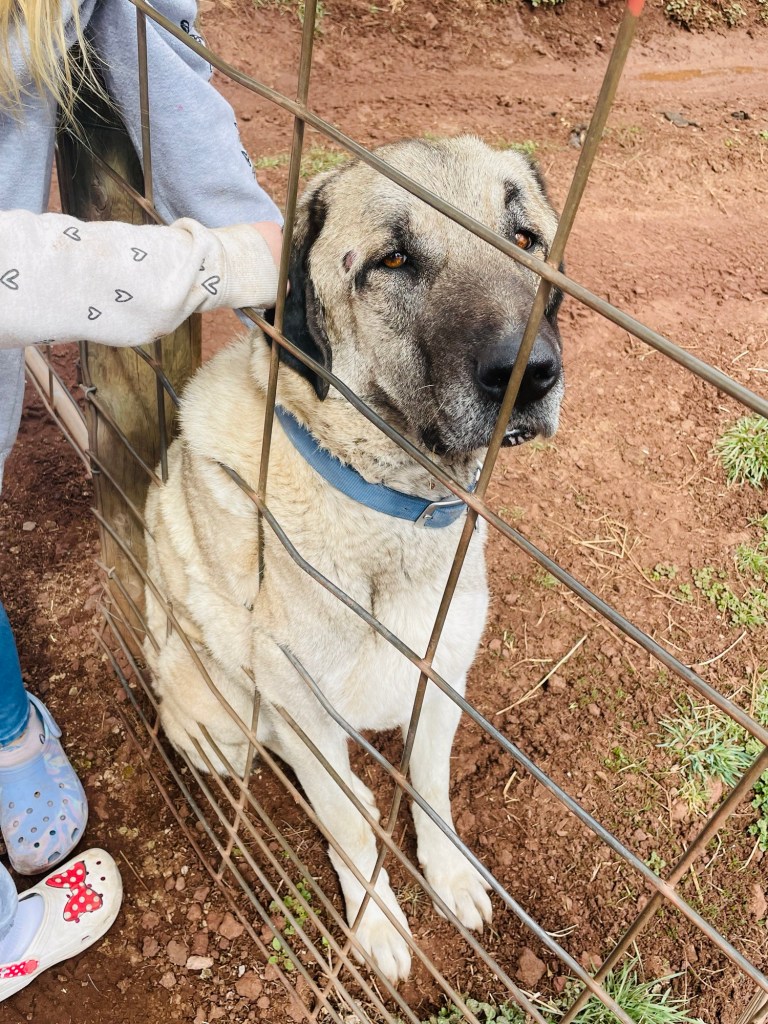
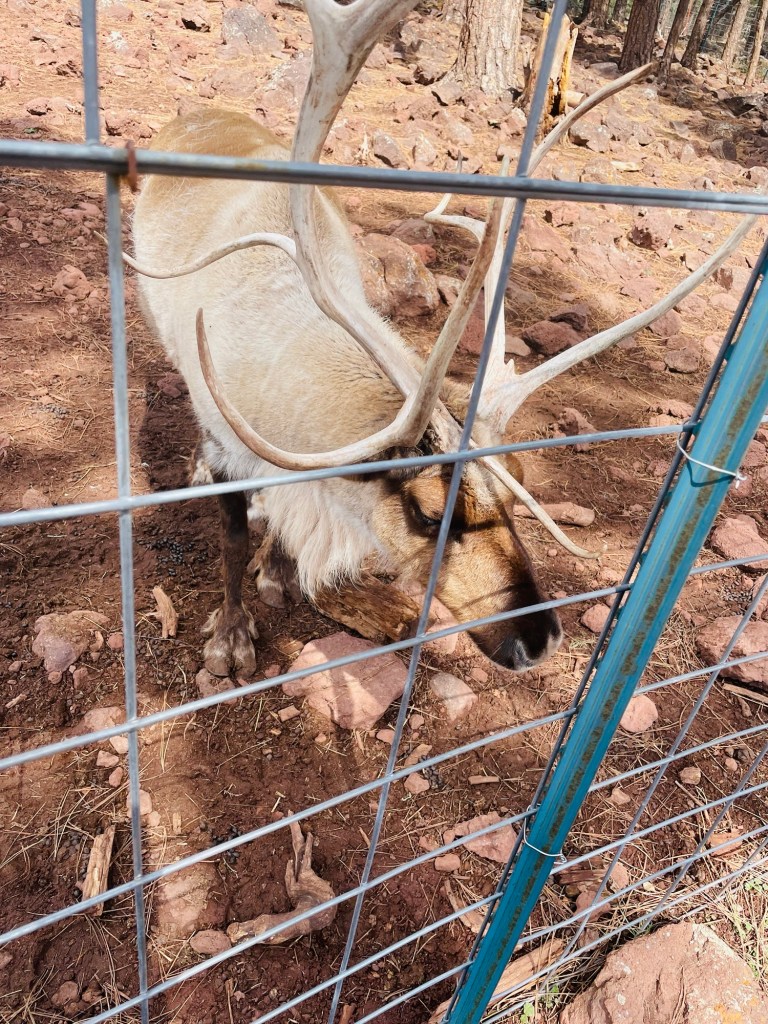
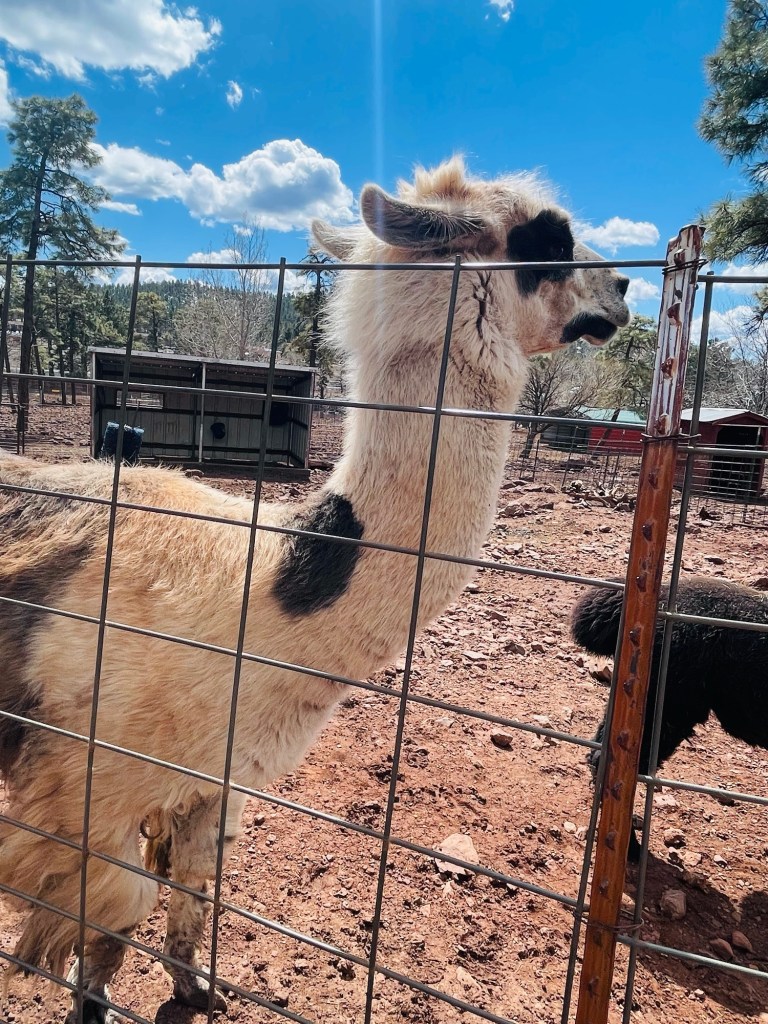
One of my more interesting hobbies during our westbound American road trips involves taking time to interact with wild animals in their natural habitats along side roads off the Interstate Highway. How fortunate for Ruth and me then that we took time yesterday to visit a rescue animal operation at the Grand Canyon Deer Farm along historic Route 66 nearest our next stopover in Williams, Arizona.
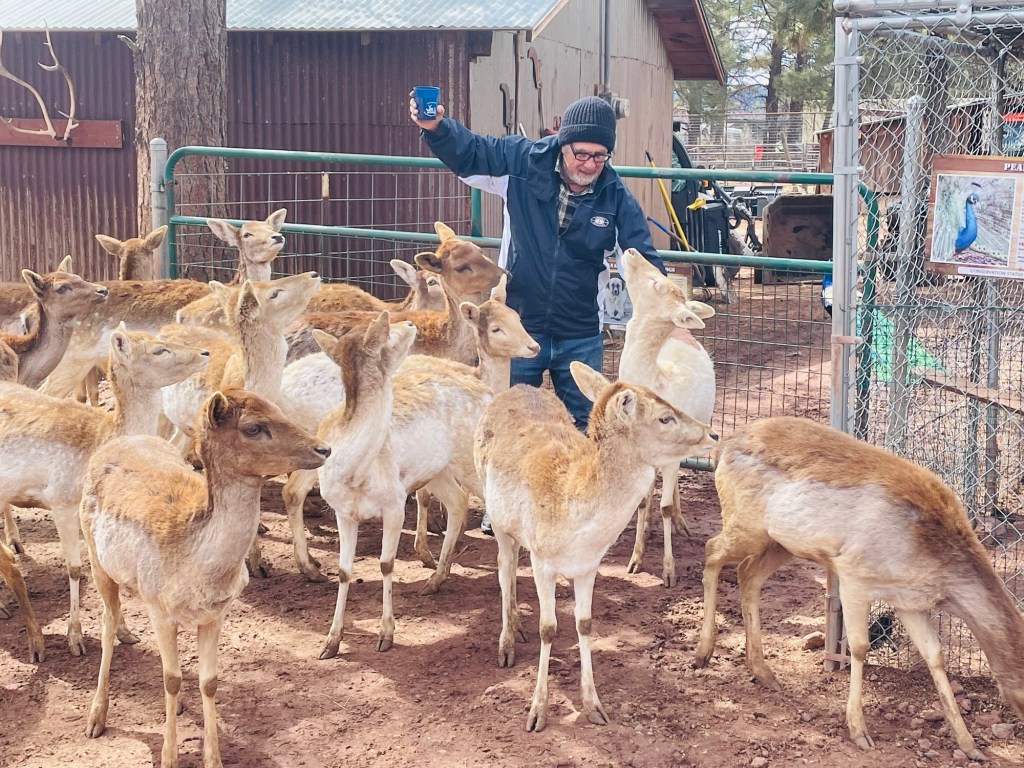
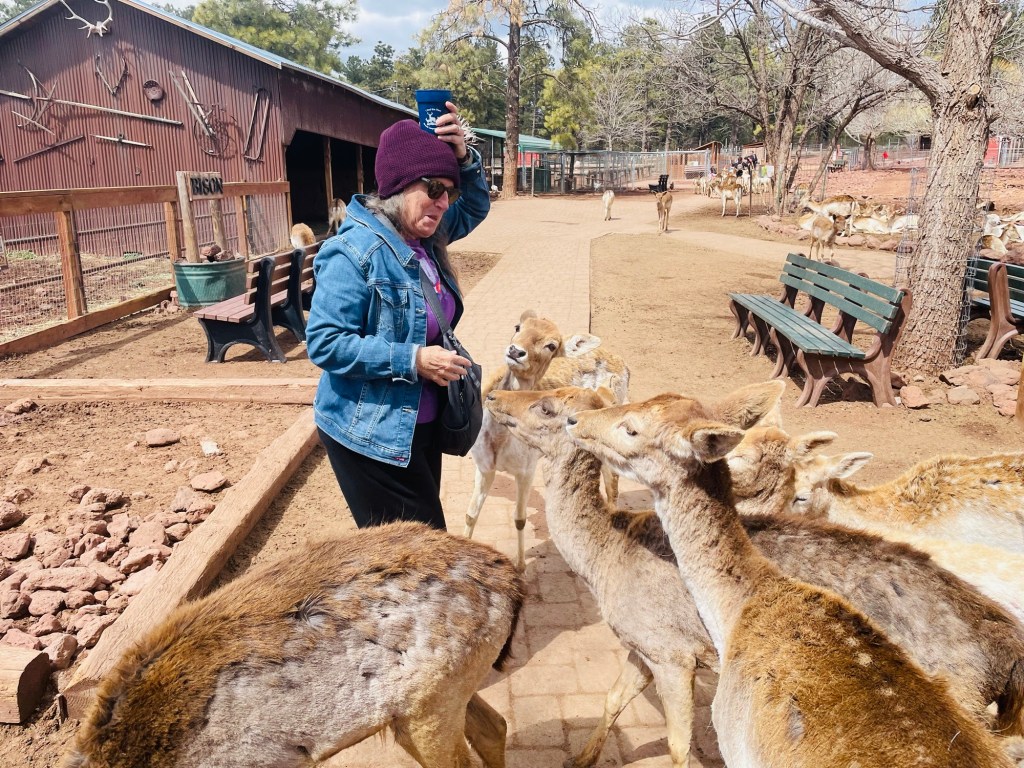
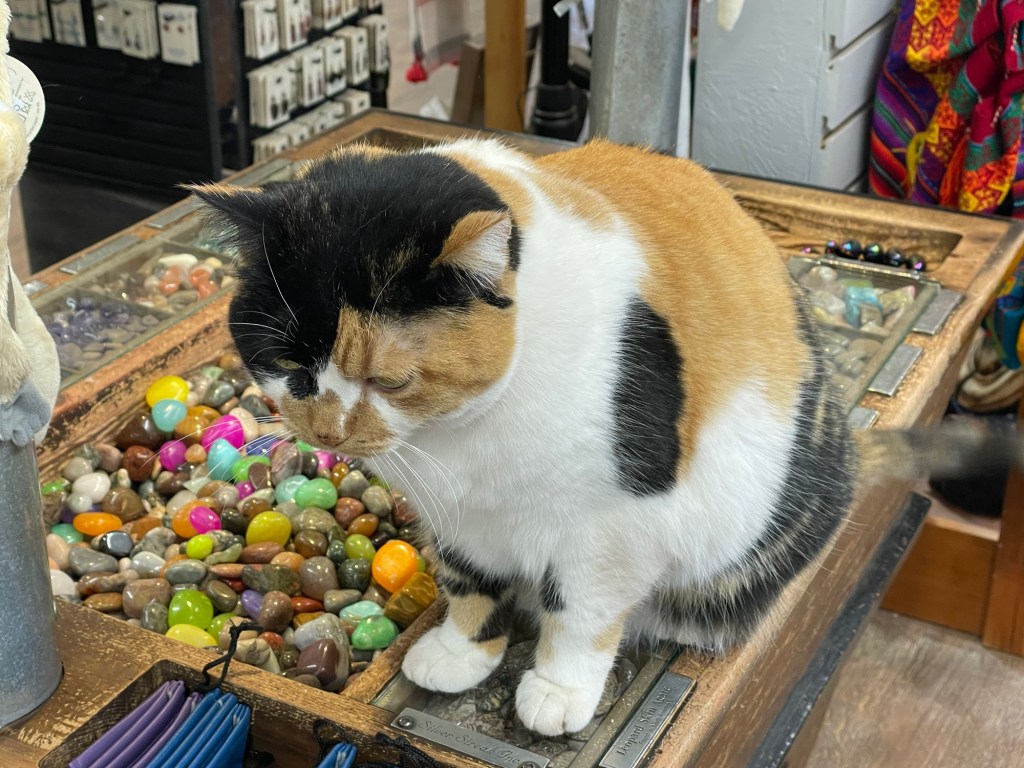
On this visit, we both realized the importance of giving kindness to such animals that clearly came from stressful rescue conditions. So following an open farmyard path around the park, we first enjoyed feeding pellets to hungry herds of deer crowding us on all sides along the way. Such fun activity made me feel like a “kid” again as I mercifully played the victim while these aggressive acting deer nibbled at my jacket. Ruth on the other hand took better charge to minimize their constant biting.We then entered the petting portion of the facility, where friendly reindeers, moose, alpacas and zebra looking burros in enclosed conditions nudged closer to us along the fence to receive from us a caring scratch or rub. Or maybe it was just the food they wanted! Engaging in some free play with a lazy cat and dog also provided pleasurable entertainment on this visit.
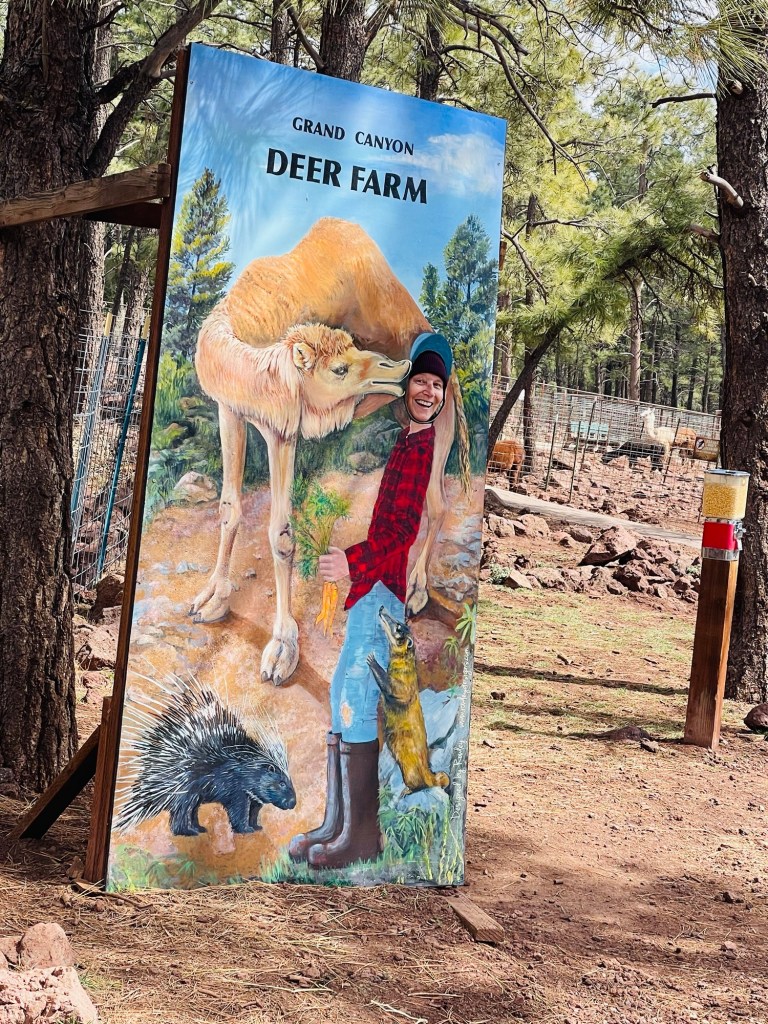
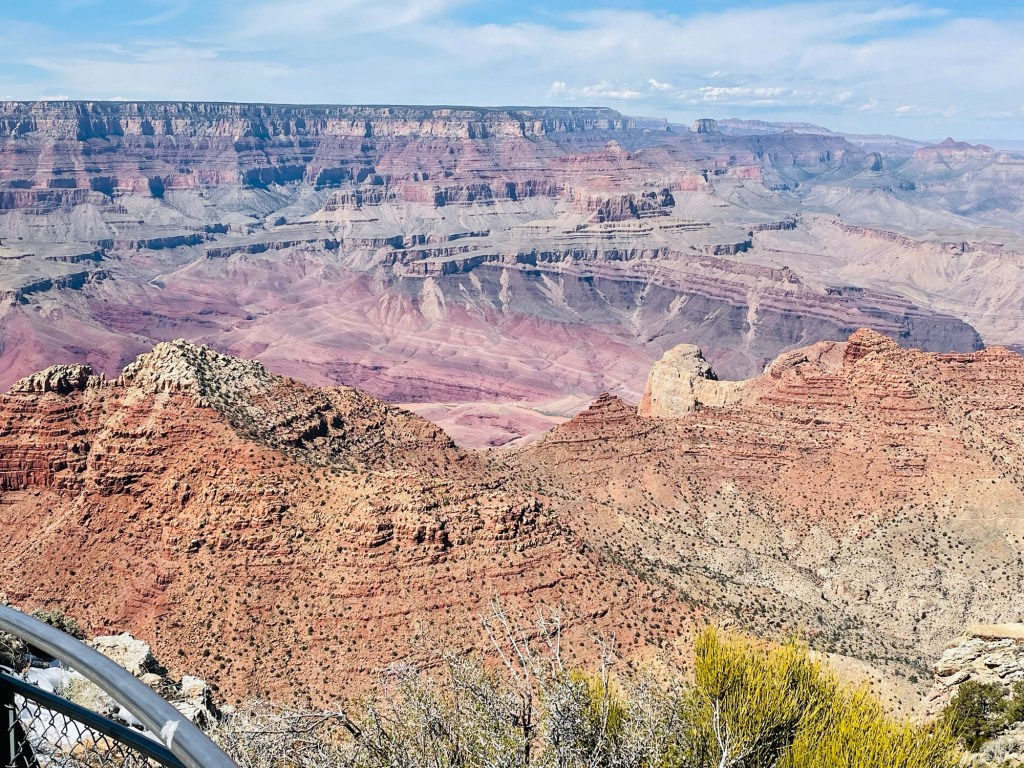
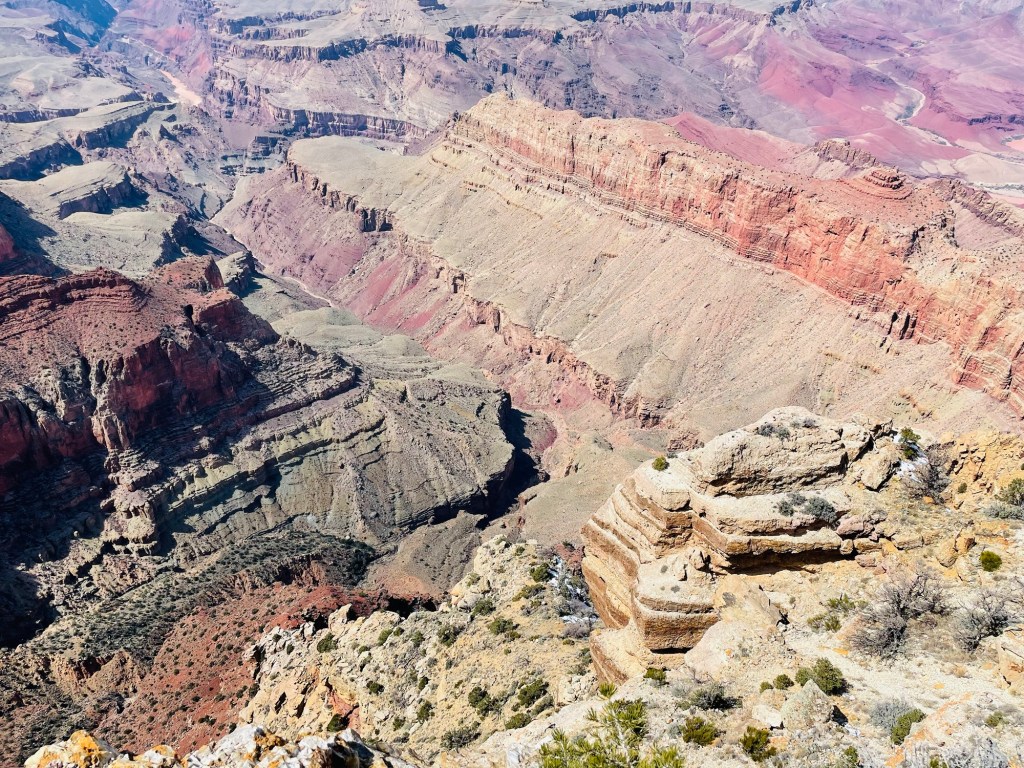
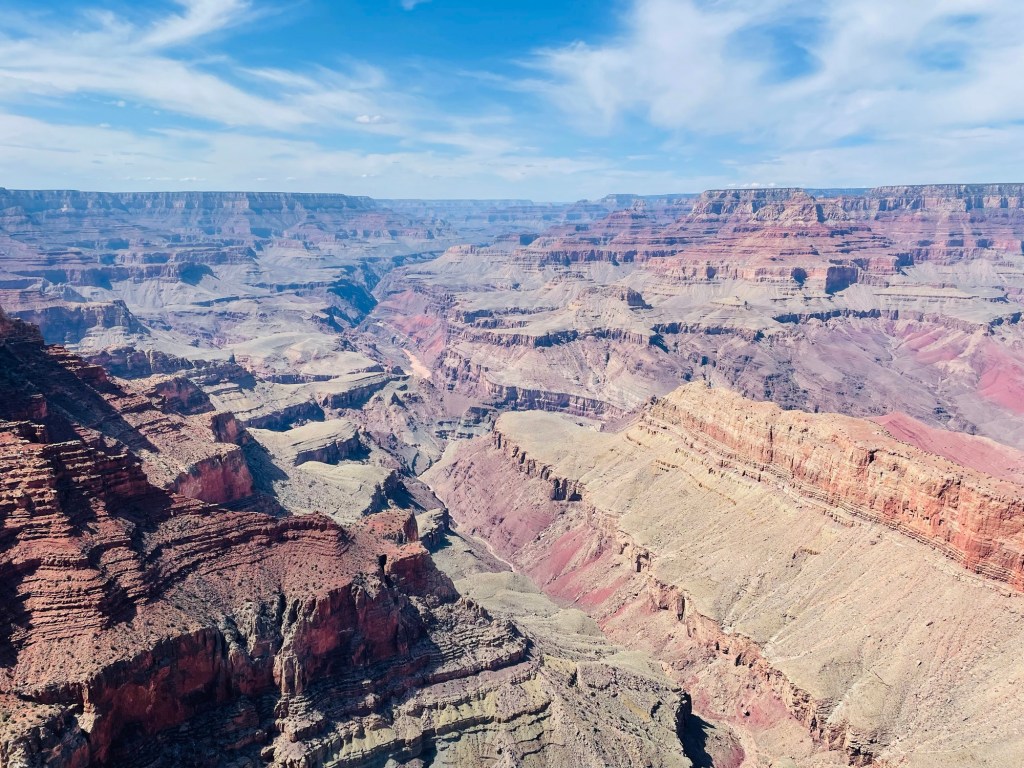
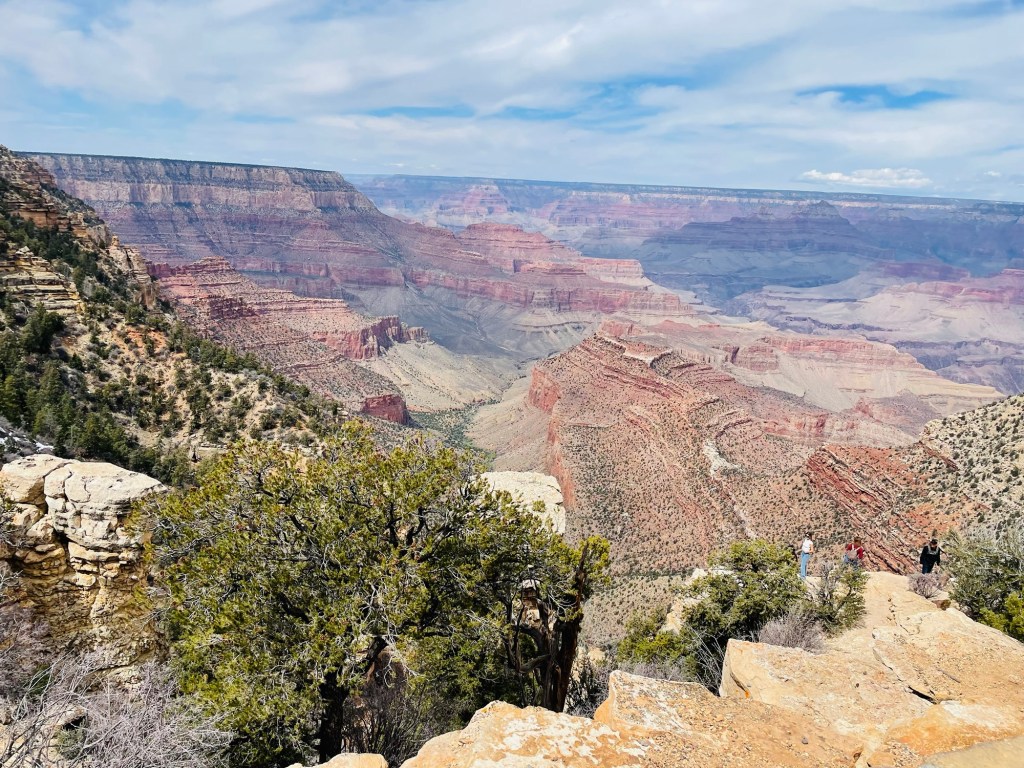
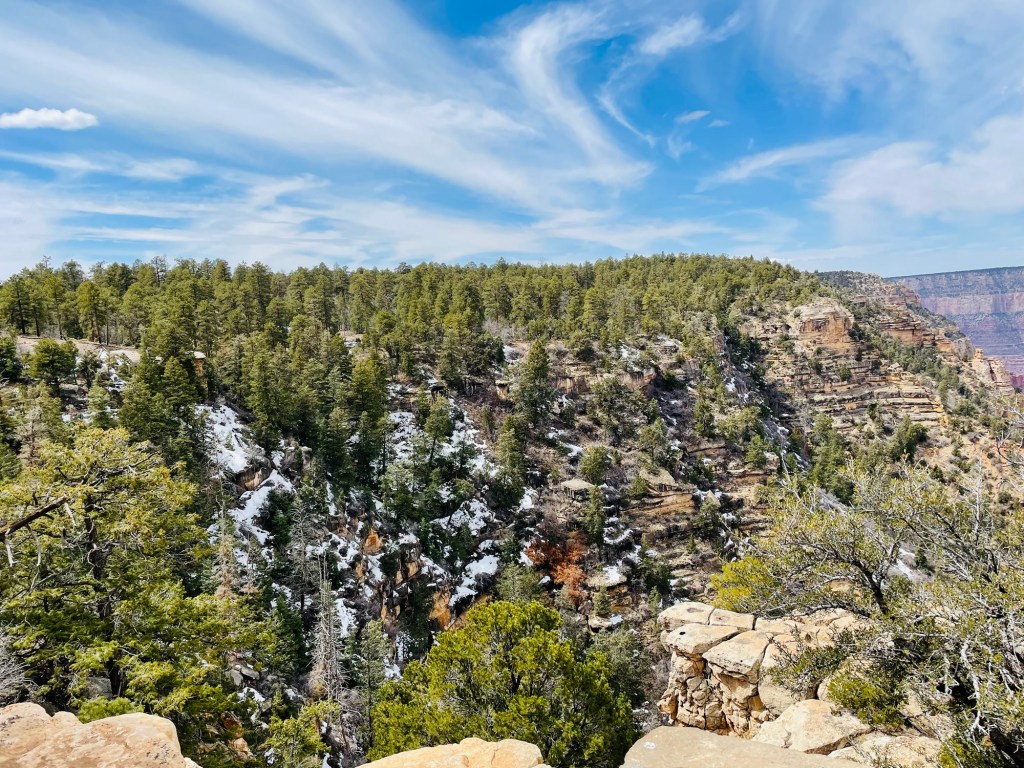
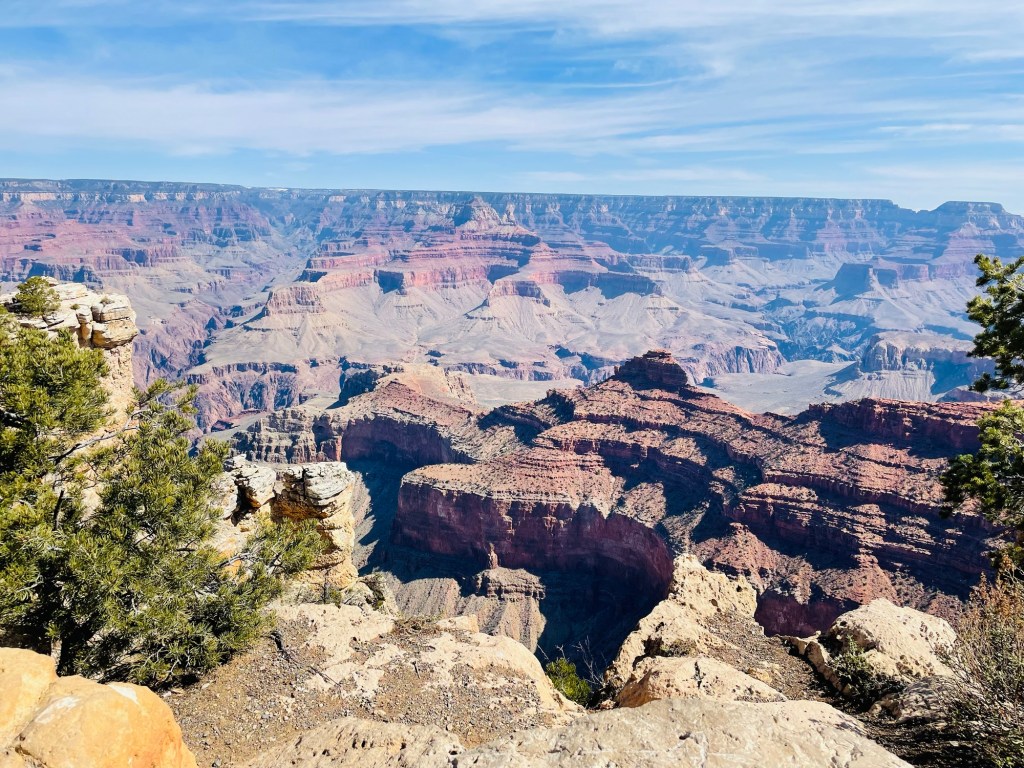
During our two night stay in Williams, we also traveled sixty miles north to gaze again in awe along the South Rim of the Grand Canyon. That experience will be the focus of my next blog.
What makes Geology for you a subject of human interest?
“Deliver the heart of the earth to humanity” (Llchi Lee, The Call of Sedona)
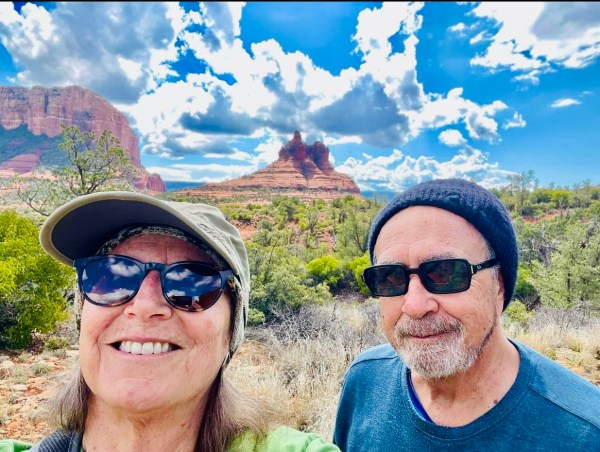
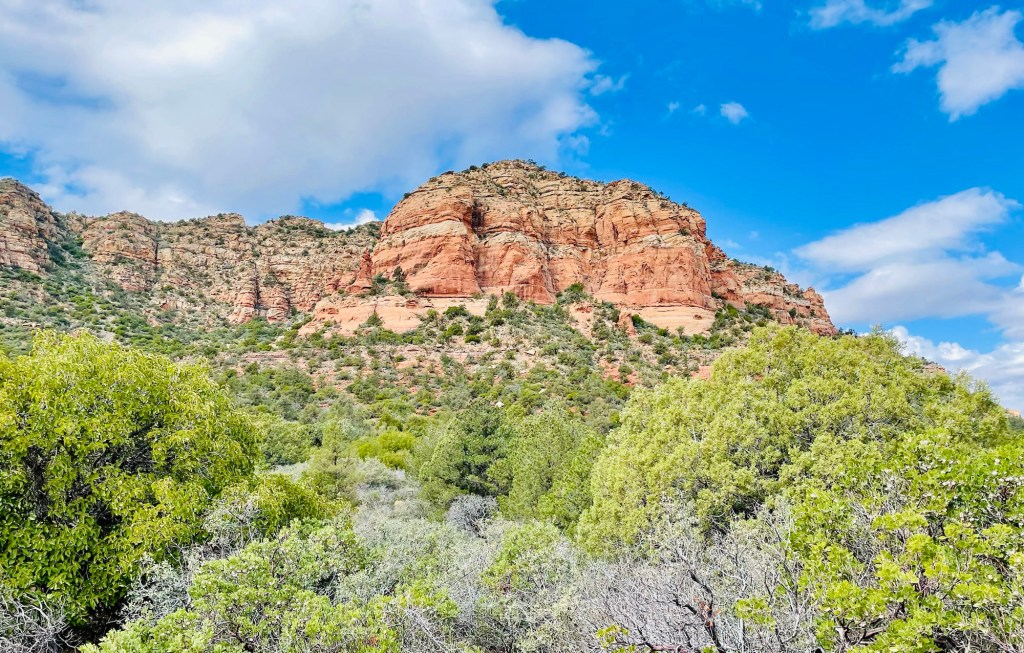
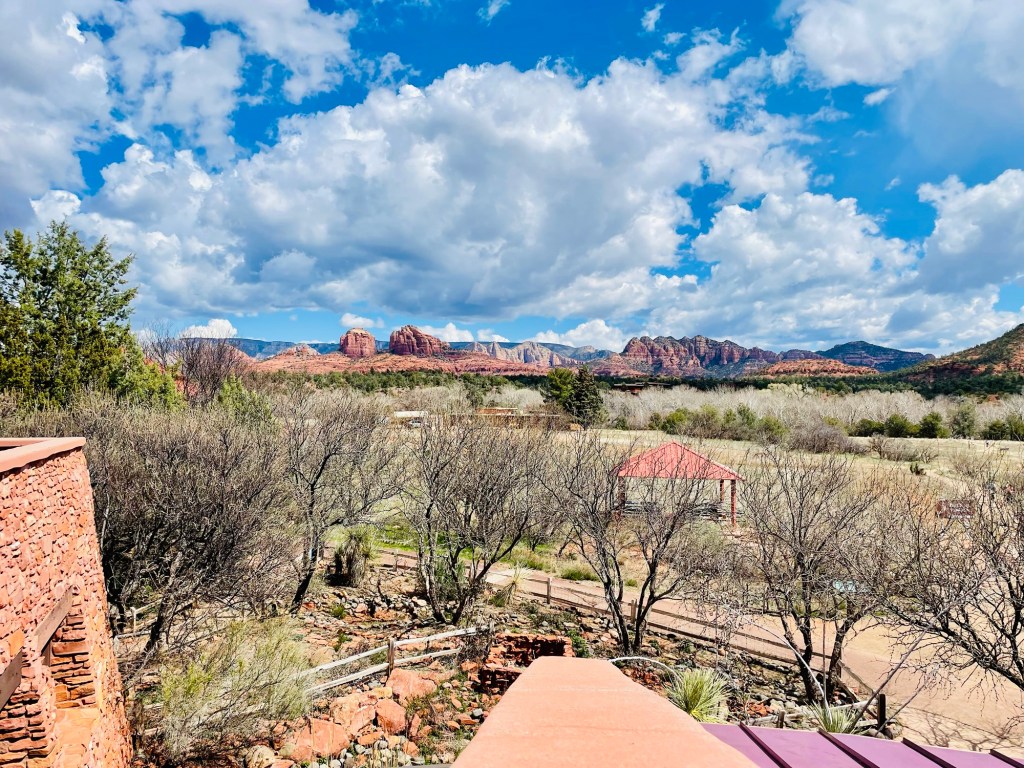
Ruth and I arrived on our road trip yesterday in Sedona, Arizona to once again appreciate the geological wonders of the town’s unique red rock canyons. But it’s obvious that these sedimentary marvels of geologic nature represent far more to both of us than their physical presence and underlying land processes they’ve revealed over eons of time.
I must elaborate further then why throngs of tourists visit Sedona each day to experience the reputed spiritual burst of vortex energy at prominent sites like “Bell Rock”, “Boynton Canyon” and the “Airport Road Mesa.” Know then that for many knowledgeable explorers of this landscape, Juniper trees, growing with twisted or spiraling branches throughout the town might provide more specific clues about where to locate these notable centers of spiritual boost. Yet I’ve learned on this vacation that the same feeling of self serenity can be sought more intuitively given sufficient time at less prominent rock formation sites surrounding the town.
As for me, I’ve yet to find any scientific proof concerning how or why these vortexes work to enhance my “inner chakras” during previous town visits. But as I’ve chosen on this three day vacation to remain silent on two casual walks around this iconic landscape, I do tend to feel better about myself as a person. Consider in the photo set below then how I might have been clearing my mind of distractions on such walks to find inner peace as a colorful stone, cracked crevice or spiritual shrine most meaningfully appeared.
For your next blog reading enjoyment, follow our road trip as we’ve opted to take the more indirect north from Sedona on Route 89 to the higher elevations of “Grand Canyon” country tomorrow.
“If a flower can emerge in the desert, you can flourish anywhere.” (Matshona Dhilwayo)
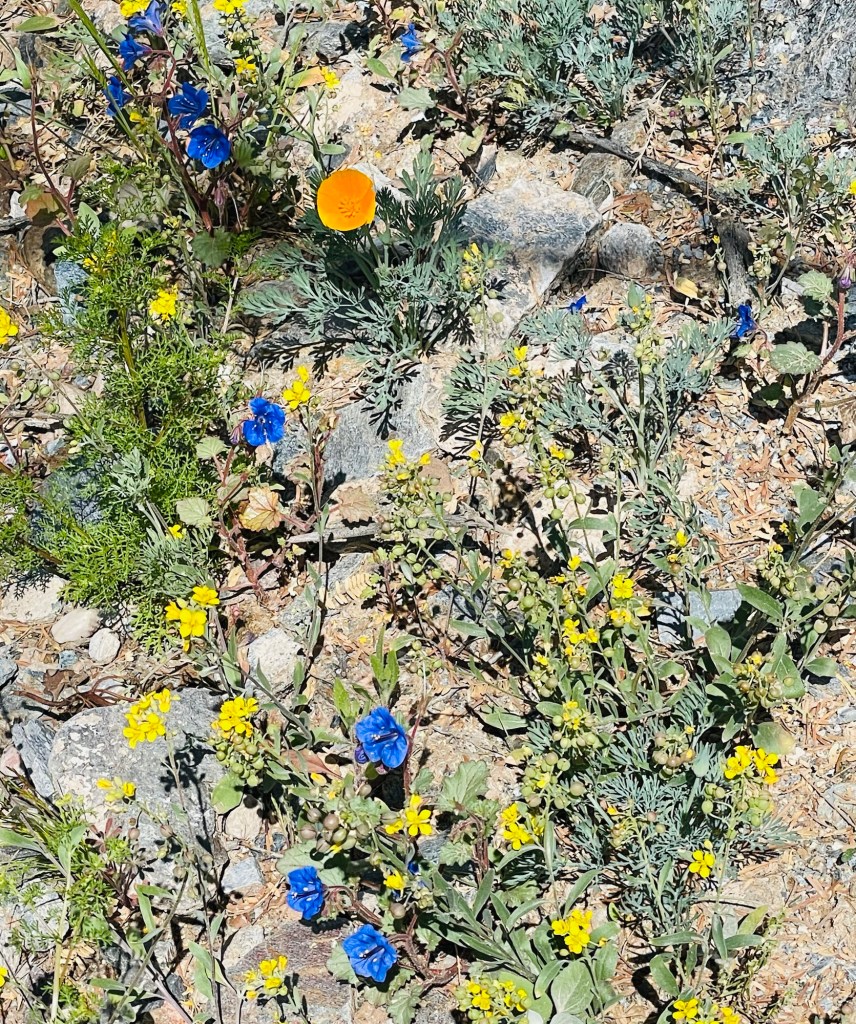
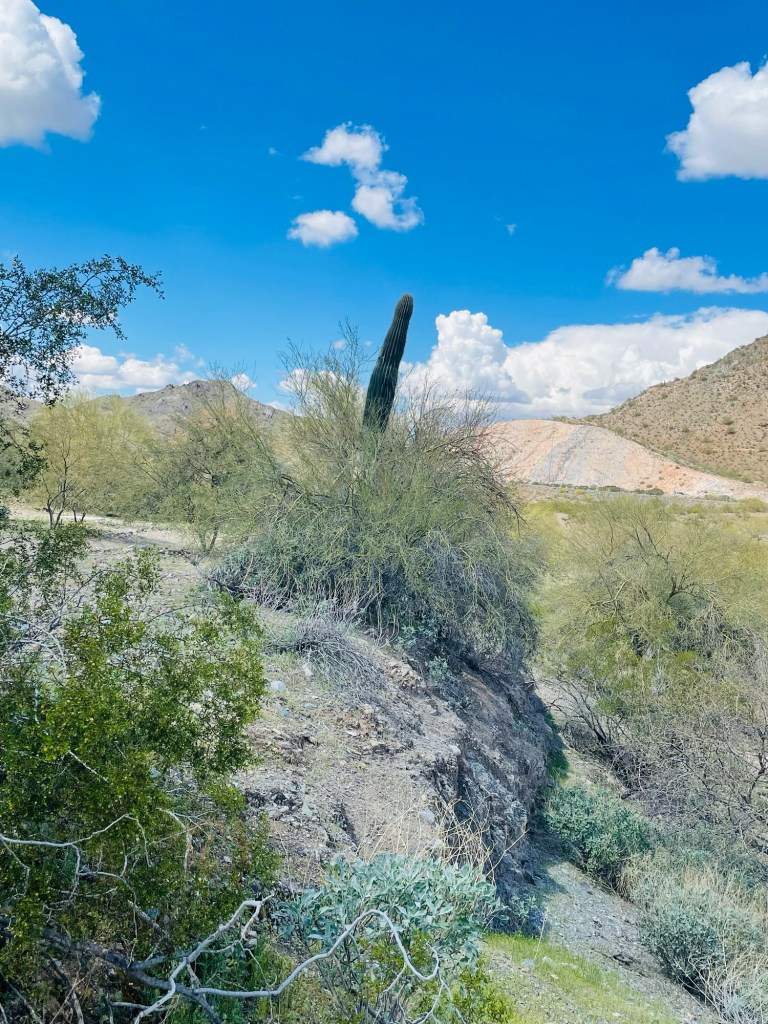
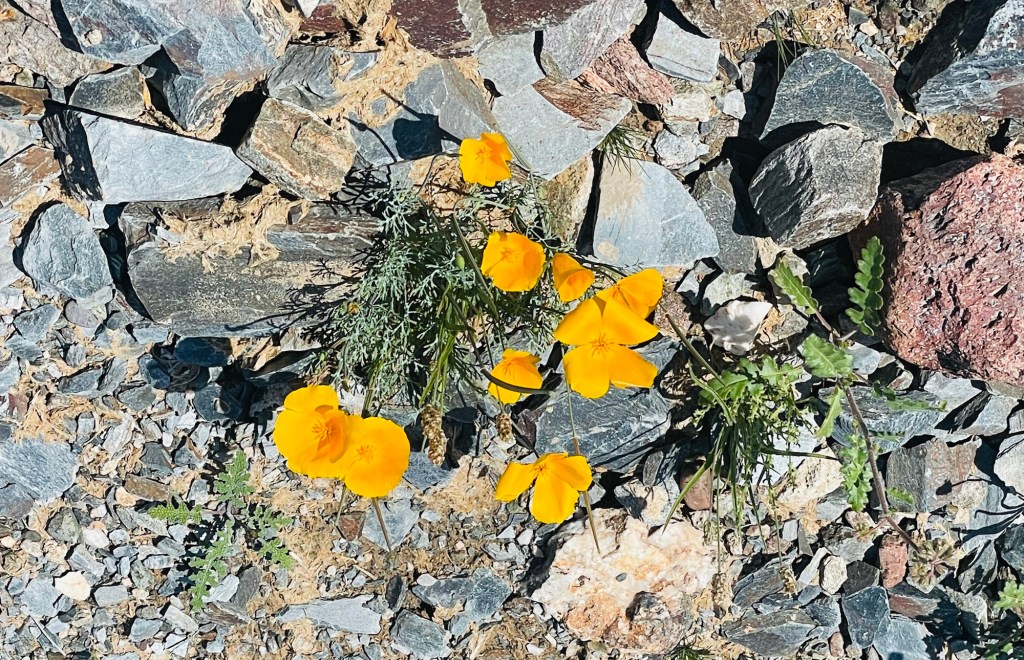
Living in sultry South Florida, I never pictured a desert flourishing with colorful fauna amid such an aridly harsh environment in my wildest dreams. Yet our Mid March visit to the Sonoran Desert in South Central Arizona, to begin the second week of our road trip, provided ample evidence that such seasonal aliveness of springtime here did in fact exist.
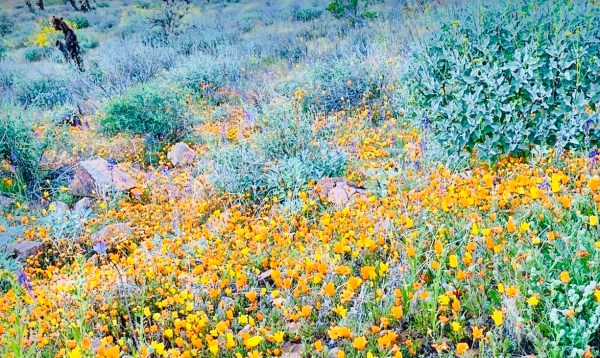
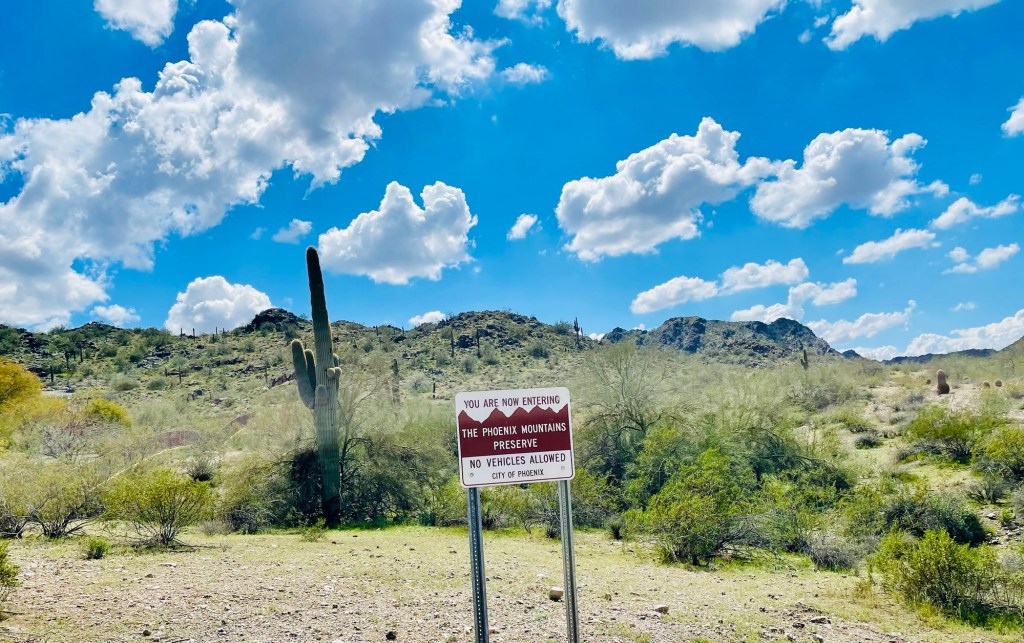
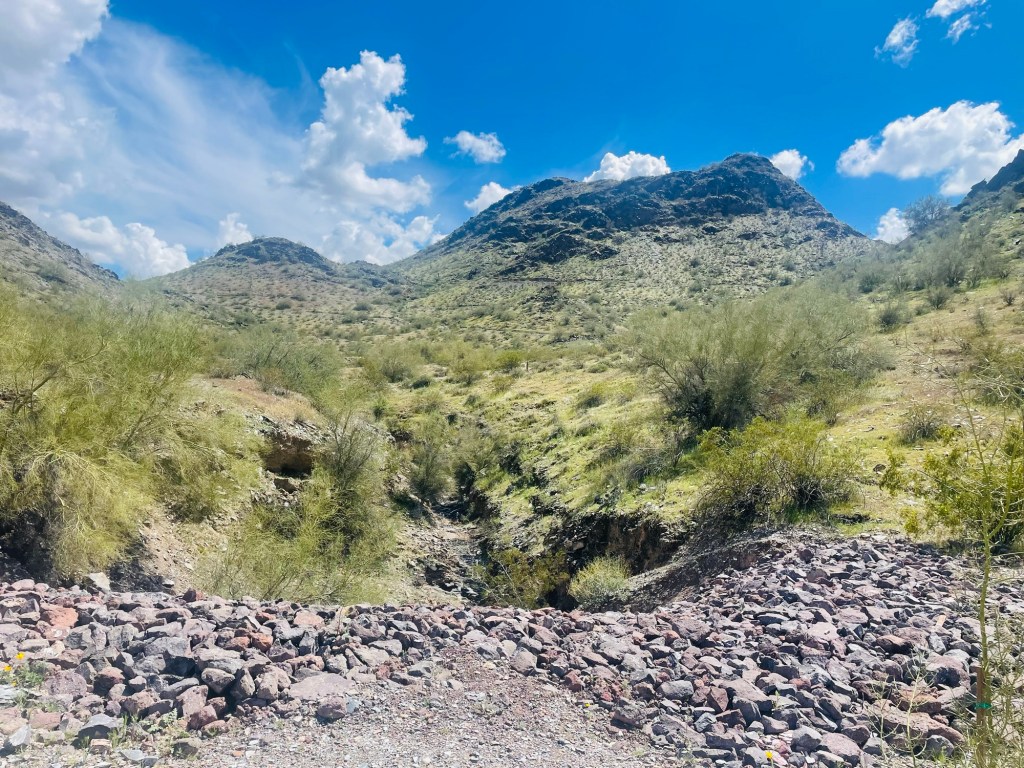
For starters, two days ago, it felt very odd that this dry land would be actually pelted with heavy rainfall all morning and into late afternoon as I drove carefully from Tucson to Phoenix into a mysteriously chilly mist. But as the clouds began to clear, I vividly noticed spring signs of natural life as colorful wildflower beds lined the side of the road and tall Saguaro cacti in the distance stood out like human statues across this desolate landscape. In addition, the recent drenching of rocky hillsides seemed to accentuate various shades of red, green, and yellow at this time.
So many tourists vacationing in our next road trip stopover in sunny Phoenix might have opted next for a more guided experience of the surrounding desert terrain as there would be plenty of jeep ride, hot air balloon, and walking tour operators to choose from. Other visitors might have paid pricey entrance fees to visit such popular nature spots like the “Desert Botanical Gardens”,”or Tohono Chul Galleries”.
Yet as independent minded travelers like Ruth and me tend to be, we would instead search those upland areas close by our Air B&B location for self guided trails away from such crowds at minimal expense. Thus you might notice in the following photo set that we indeed found the ideal spot on this St. Patrick’s Day Sunday to feel the amazing sensation of springtime desert beauty at “Dreamy Draw Natural Recreation Area” and “Phoenix Mountain Preserve.”
Stay connected to my latest road trip blogs as we travel to the mesmerizing red rock canyons of Sedona, Arizona for a three day visit starting tomorrow.
“Texas is like Australia with the handbrake off.” (Tim Blair)
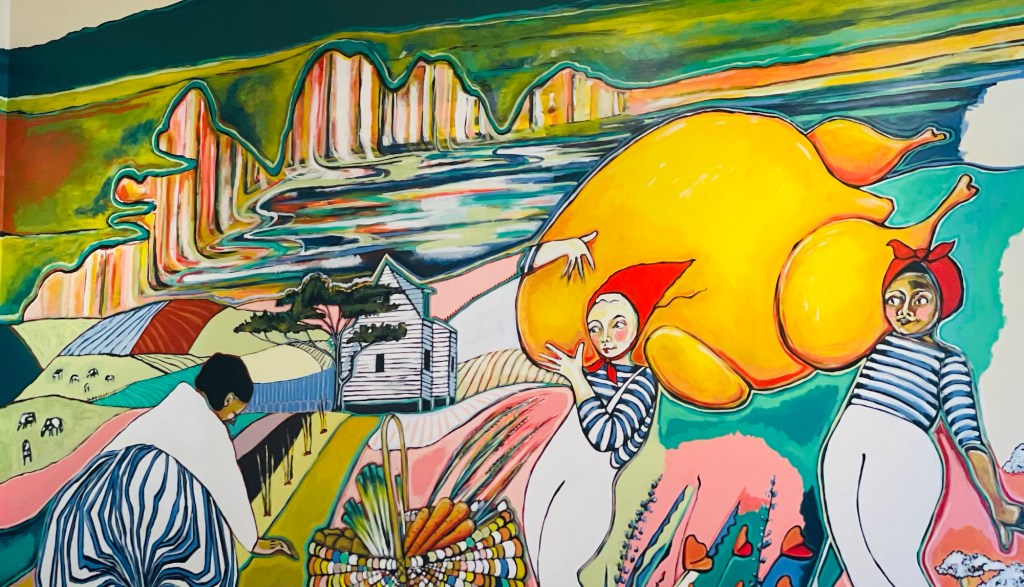
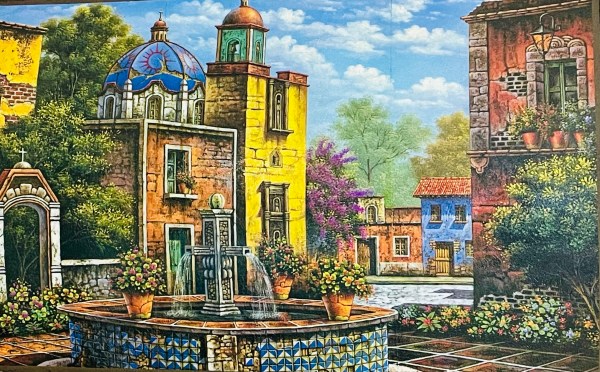
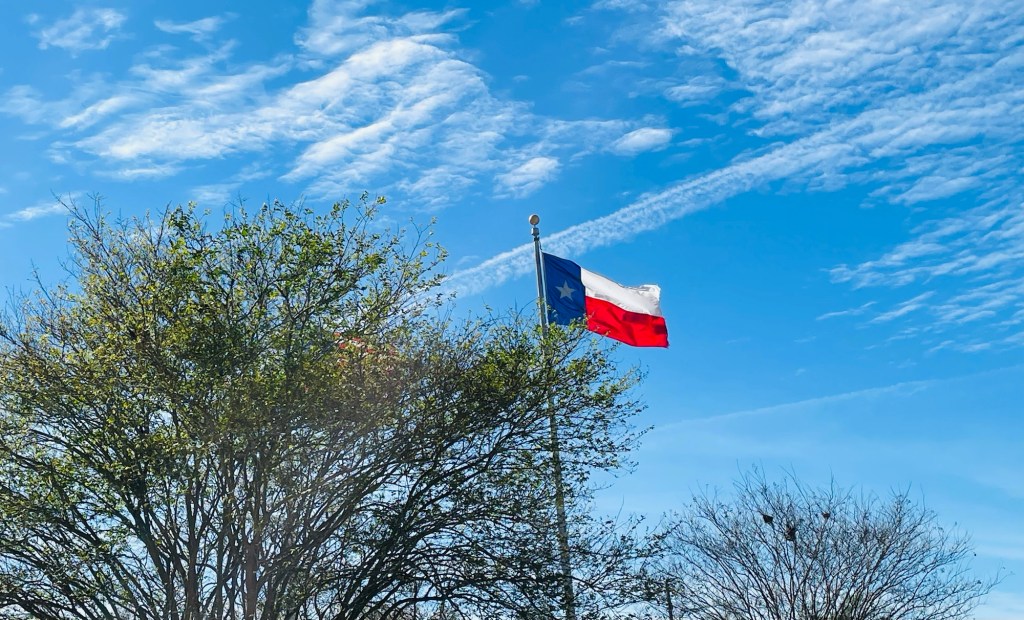
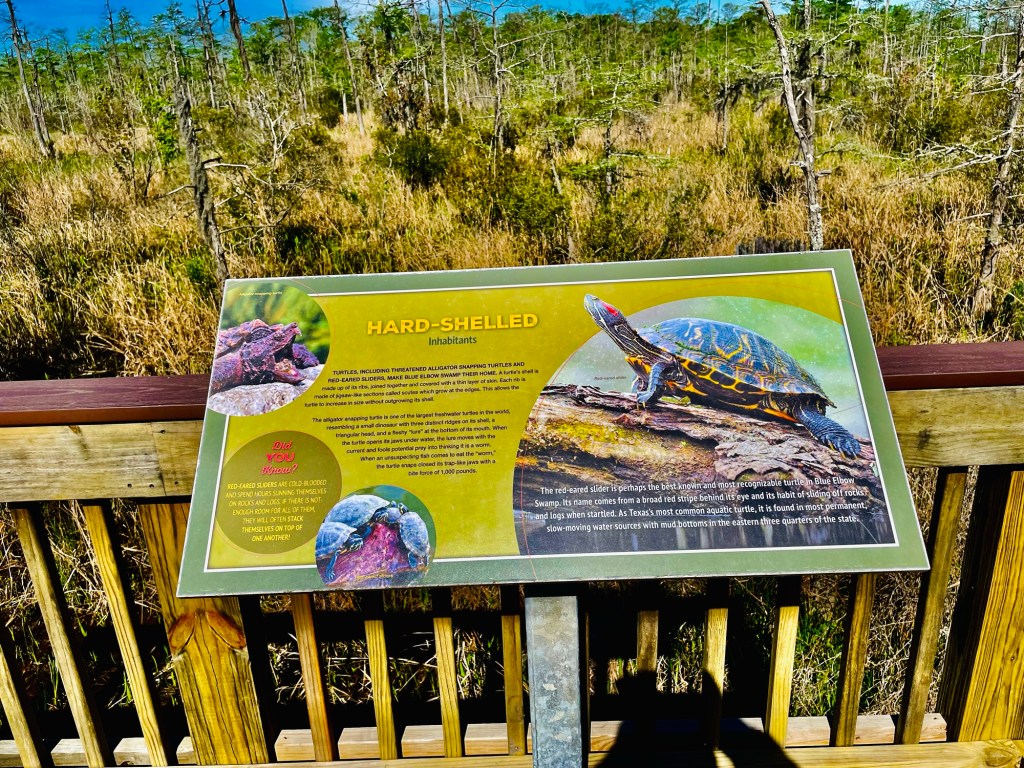
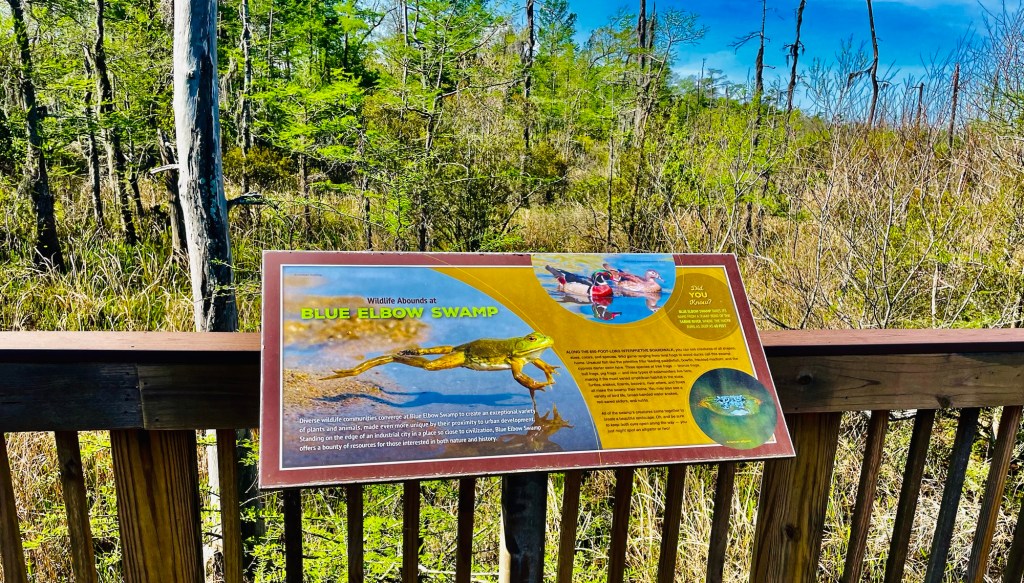
What’s it like for me on this road trip traveling the desolate expanse of Texas west from San Antonio on Interstate 10 in excess of 80 mph? Not much really except for an occasional slowdown at Blue Elbow Swamp for some curious animal sightings and Van Horn, a small crossroads town where we stayed the night on Monday. But what most excited me was this colorful painting in the title photo of an authentic looking Mexican town that I observed during dinner tonight. Unfortunately it was not for sale or I might have bought it on the spot!
“Jazz washes away the dust of everyday life.” (Art Blackey)
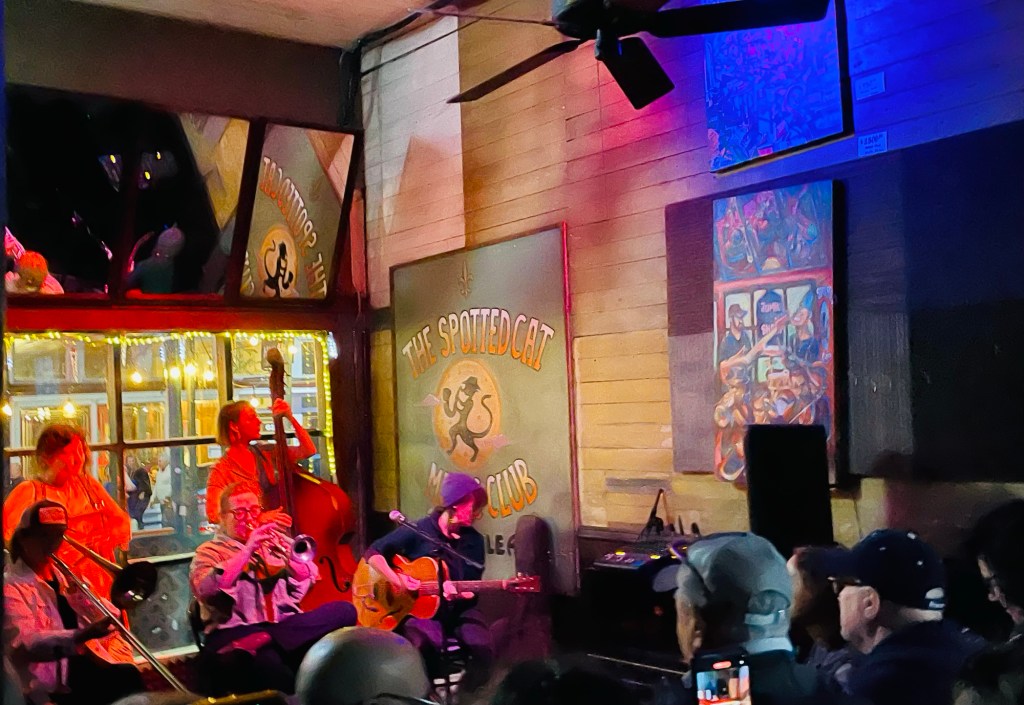
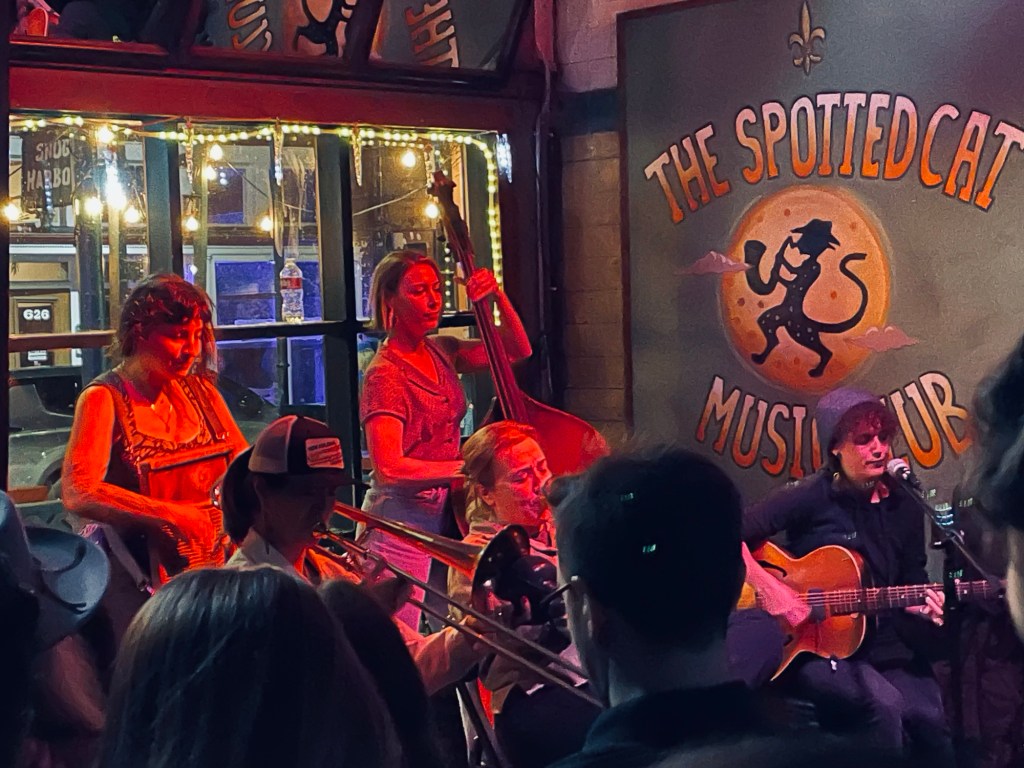
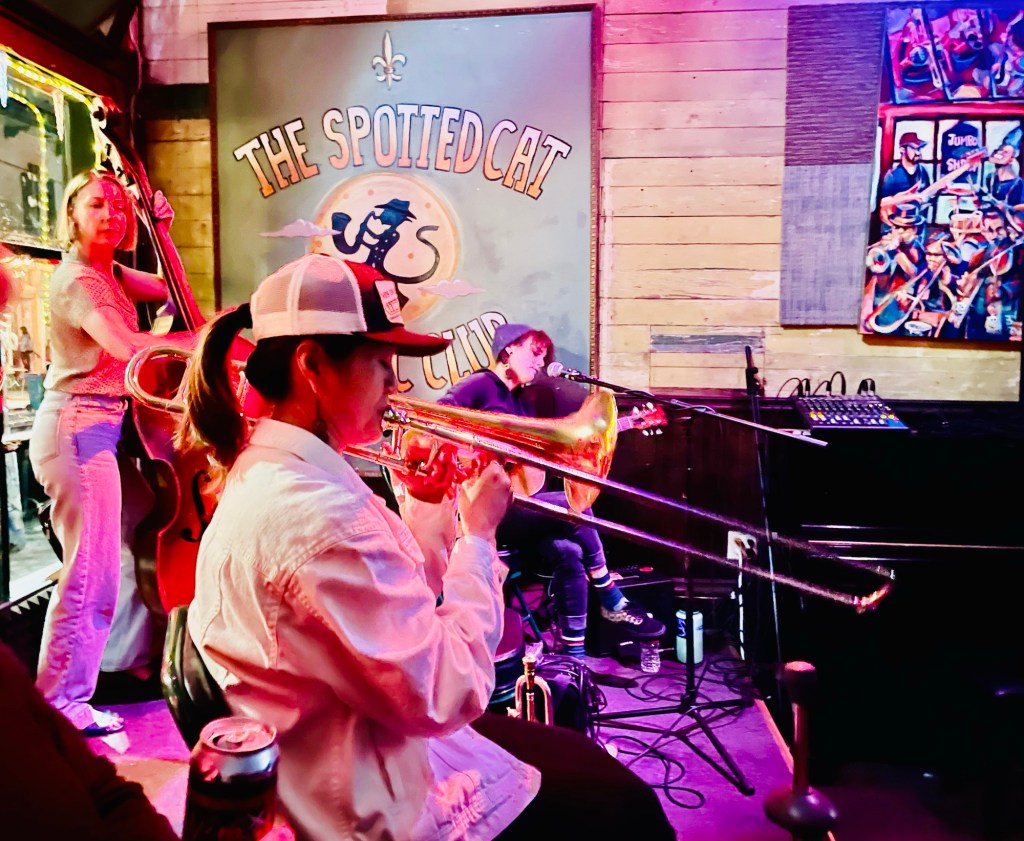
The “Spotted Cat” on unpretentious Frenchmen Street in New Orleans without a doubt serves as my favorite live music club in this city on our road trip tourist visits. For the high quality of horn band musicianship booked here combined with an always exuberant showing of jazz lovers simply “delivers” on every occasion we take in a jazz set or two there. So it felt very rewarding to conclude our latest stopover in “The Big Easy” on Saturday night with a performance of the talented, all female group , “Shake ‘Em Up” Jazz Band.
Check out a clip from this talented band in the link below or search them out on Spotify.
What qualities interest art lovers in French Impressionistic paintings?
“Find things beautiful as much as you can. Most people find too little beautiful.” (Ingred Fetell Lee)
I enjoy observing French Impressionistic Art for several reasons. First of all, I’m “drawn” to those serene scenes of countryside France painted with lightly delicate brushwork exuding subtle displays of color, light and shadow. I also notice with positive interest how such secular settings depict late 19th century leisure time amid nature in a spiritually calming way. As a further source of motivation, Impressionism often sparks my travel interest to find unique spots to similarly escape into such a world of pastoral bliss.
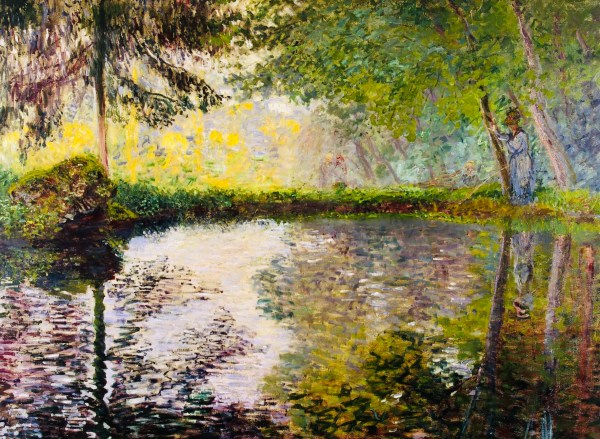
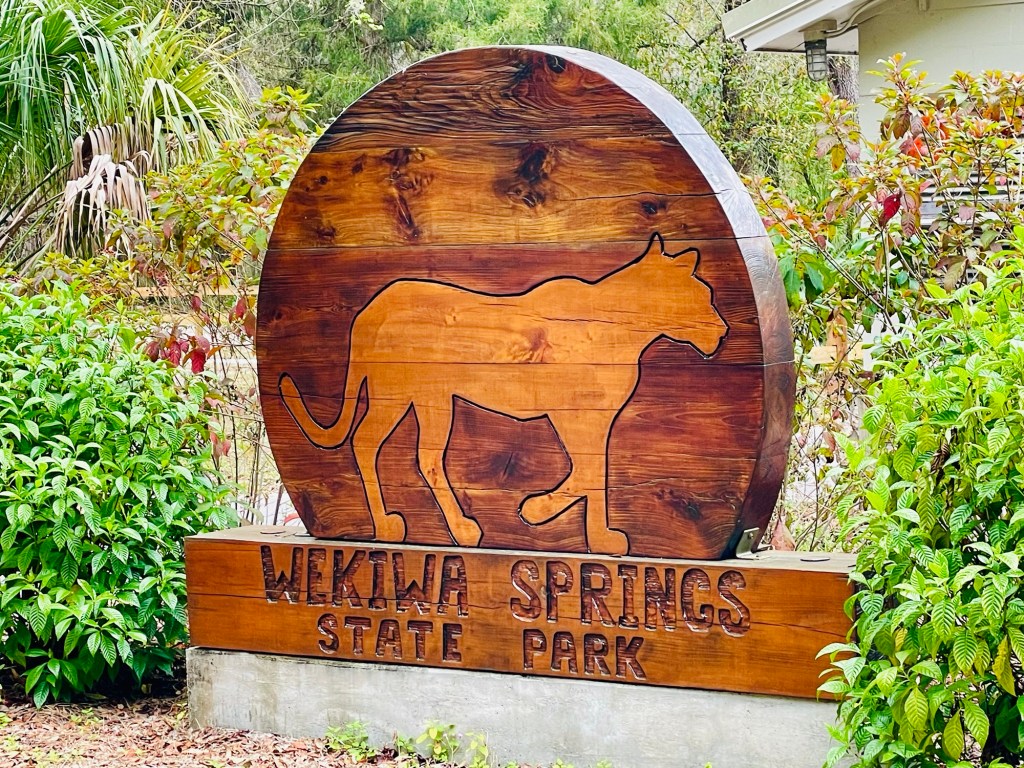
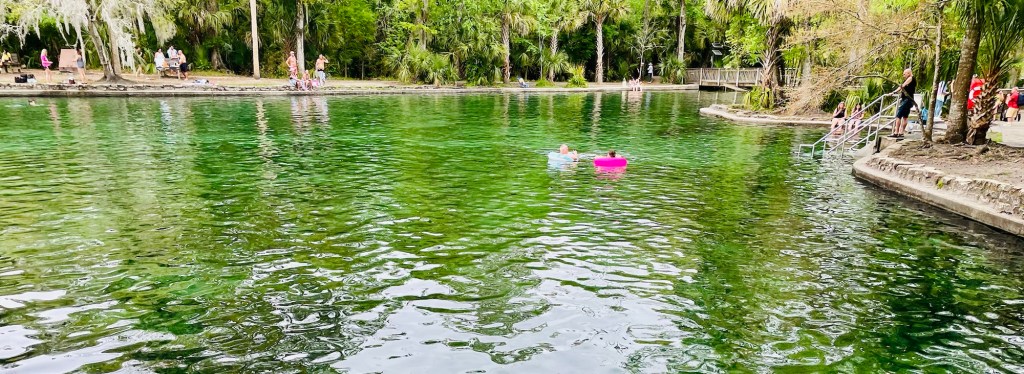
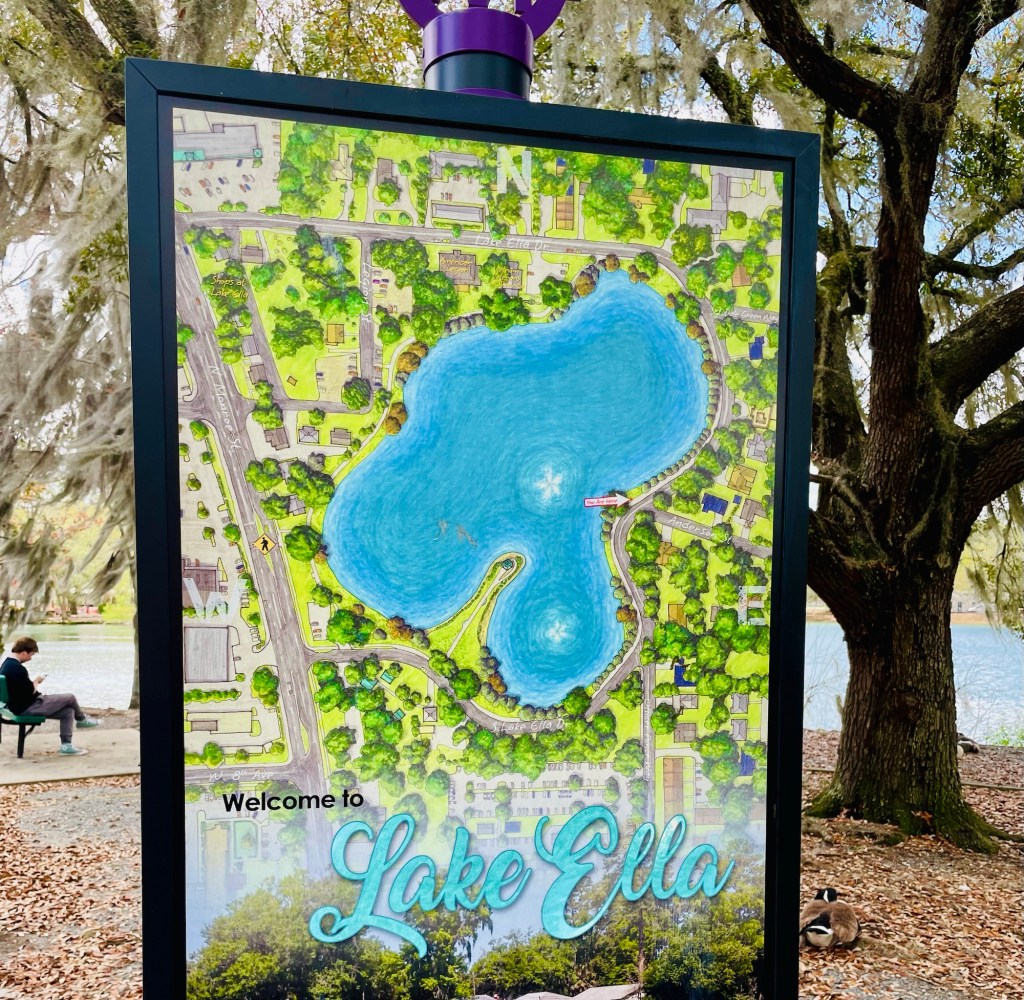
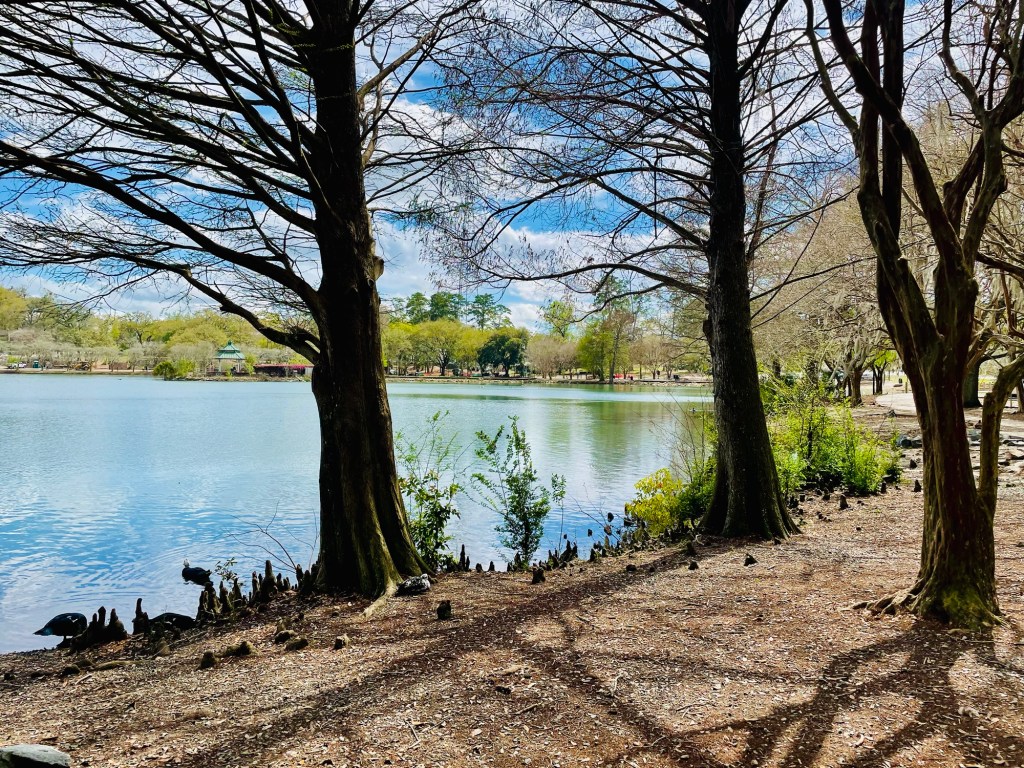
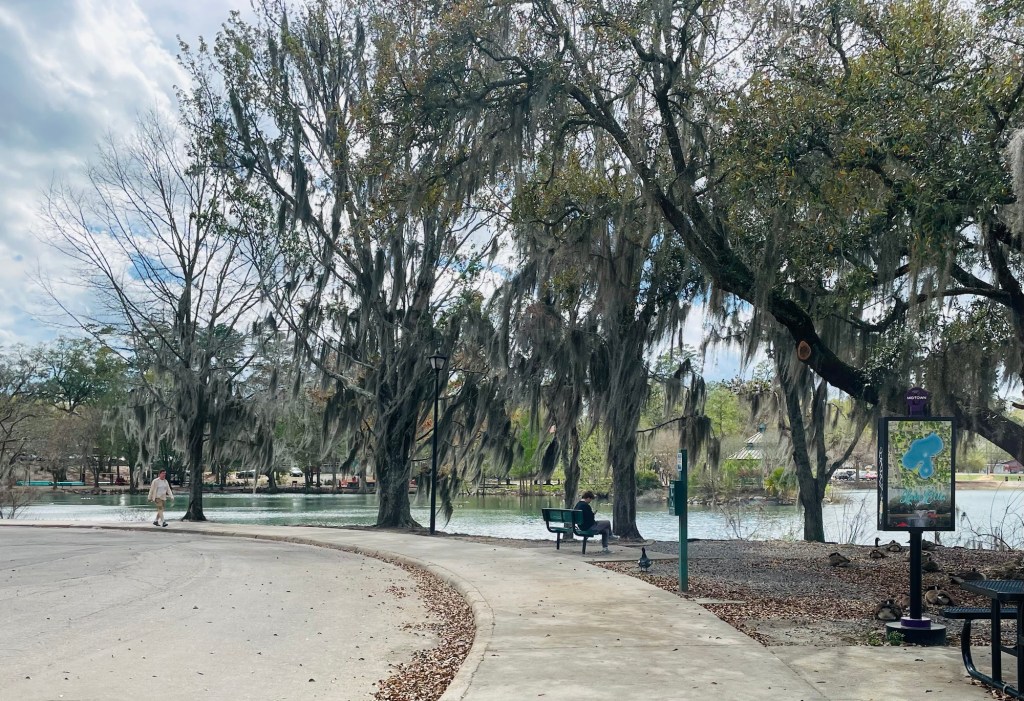
So for this particular blog, I became inspired by artist Claude Monet’s painting completed in 1876 titled “Lake in Montgeron” as shown in the title photo above. For in the first two days of our current roadtrip north through Florida, I intently set out to find such potential Impressionistic looking places of nature that Monet might have painted from that era. Interestingly there seemed to be a definite contrast between the two locations I found. For at Wekiwa Springs State Park north of Orlando, it could easily be labeled as a bustling tourist attraction now while the second one, Lake Ella outside Tallahassee seemed to be a forgotten remnant of a more leisurely society long past.
So you be the judge about the photo selections I took below from our early afternoon walks during these two outings. Do you see those sparks of Monet interest that caught my attention on these two days? Note we will be moving west to New Orleans for a three day visit next on our road trip.
Do you prefer watching live sports at outdoor or indoor stadiums?
“Infield or outfield I see a verdant sea.Where memories are remade and dreams run free.The grass forms a stage where legend rules.In battles hard fought for victory’s jewels”
(USFMAN 2024)
It’s the 7th game of the 2016 World Series as my favorite team, the Cleveland Indians, have just overcome a 6-3 deficit in this deciding series finale to tie up the contest with the Chicago Cubs in the bottom of the 8th inning in dramatic home run fashion. With extra innings likely to happen soon afterward, game momentum now shifts in favor of “The Tribe.” All of a sudden, it begins to rain heavily on this natural grass expanse of Progressive Field. For seventeen emotionally gripping minutes, the baseball action now stops as both teams exit to their indoor dressing rooms to discuss their latest plans to win this pivotal contest. When play resumes in the top of this 10th inning, it’s soon evident that this weather slowdown has adversely quieted the spirited crowd atmosphere foreshadowing an end to the Indians game winning “edge.” For the new Indians pitcher inserted fresh out of the bullpen improbably gives up two runs in the top of this extra inning to shift odds in the outcome of this game to an eventual Cubs World Series win.
So should I blame the Indians loss on this ominous turn of events in this final game of sudden inclement weather appearing in this open air stadium? Probably it’s yes, many would reason. Yet if even if this is so, I’d never give in to any further explanation that an indoor stadium with climate controlled weather conditions would have provided a better place to play this tightly contested baseball event then.
Certainly I can see the advantages of playing baseball or most other sports for that matter in air conditioned comfort seemingly not impacted by passing storms and other uncomfortable weather conditions. But I consider it more vital to absorb the strong sensory experience of real grass, the sky above, and the unique panorama of history’s mark observed around the stadium surroundings as critical to the enjoyment of the live event itself. I might even call this phenomenon a form of self spectator hypnosis.
So leave those artificial sporting venues of modern convenience, particularly in baseball, to more appropriate forms of entertainment like rallies, concerts, and trade fairs. Furthermore, show respect for us “purist” fans who like to breathe, smell, and gaze curiously outside at sporting events offering natural surrounding’s throne. If you read this blog intently, I can tell that you now sense our keen desire to breathe again that fragrant cactus breeze and scan that mystical desert horizon while attending Arizona Spring Training baseball on our upcoming road trip.
For some creative fun, take a look at the wide range of Major League Baseball stadium backdrops functioning now around America by clicking on the link in the following video. Imagine which of these sports venues strike you as more appealing to watch a live game.
What are you most thinking most about on President’s Day?
“Facts do not cease to exist because they are ignored.” (Aldous Huxley)
As I celebrate another President’s Day on February 19 this year, I’m pursuing a vital task to find reputable studies that reveal objectively how all of our Presidents rank competitively against each other throughout history in doing their job. Let’s imagine then looking at this holiday effort in sports “Draft Day” fashion whereby a selection of one President would be made round by round to compose an All Star Presidential team. In particular, I’d be curious to know how our current leading candidates for President in 2024 (Biden and Trump) stand in this analytic setting.
So I’m excited to share the “Presidential Greatness Project Expert Survey” whereby experts have “crunched” key available data to complete this important ranking task. I also invite you to scan through the attached photos and decide for yourself who are our most and least deserving U.S. Presidents.
Do you believe in the idea of “Evolution” to explain the diversity of living things existing on earth? Why or why not?
“It’s not the strongest of the species that survive, nor the most intelligent, but the one most responsive to change?” (Charles Darwin)
Do you sometimes wonder how your dog or cat acts to master their required needs? For they might know more about how to get your attention or satisfy their hunger than you think! Such curiosity might help explain why I’m a huge believer in “evolutionary theory” or more commonly called “survival of the fittest” which rationally illustrates how and why life species’ expanded on this earth. To reinforce this conclusion, I consider the past works of renowned naturalist Charles Darwin, who pioneered the idea during his lengthy expedition throughout South America in the 1830s that living organisms must adapt physically or behaviorally to conditions in its environment in order to successfully survive.
The Darwin version of life’s evolution on earth, known as “Natural Selection” thus fueled further scientific support for the premise that life’s beginning on earth took place as single celled organisms once evolved over eons of time in an ancient sea.This theory would further support a connection between this process of biological life adaptation and genetic improvements in life matter as well, whereby, the emergence of more complex types of living things would have then taken place. Fish developed fins and learned to swim. Reptiles grew scales for protection. Wings emerged on birds for flight. Finally mammals evolved on land to grow legs to walk and use larger brains for more complex mental activity. In this ever changing earth, humans, too, eventually became a product of this adaptation process to survive in learning how to stay upright, work with tools, communicate through language, and maintain civilizations to live in.
Before proceeding further in the text of this blog entry, I invite you to observe for yourself “The Complete Library of Charles Darwin Works” concerning his “Theory of Evolution” and related topics in the link below.
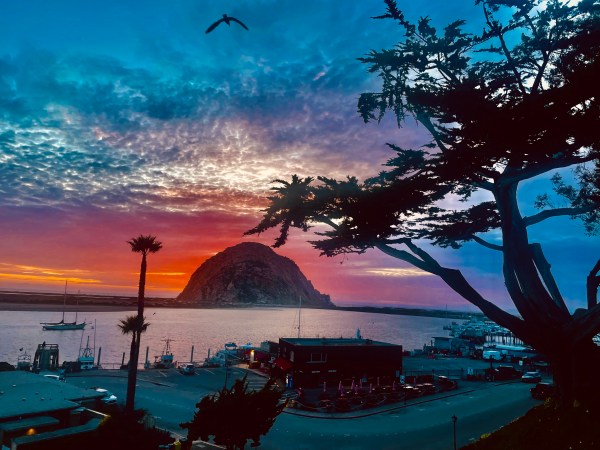
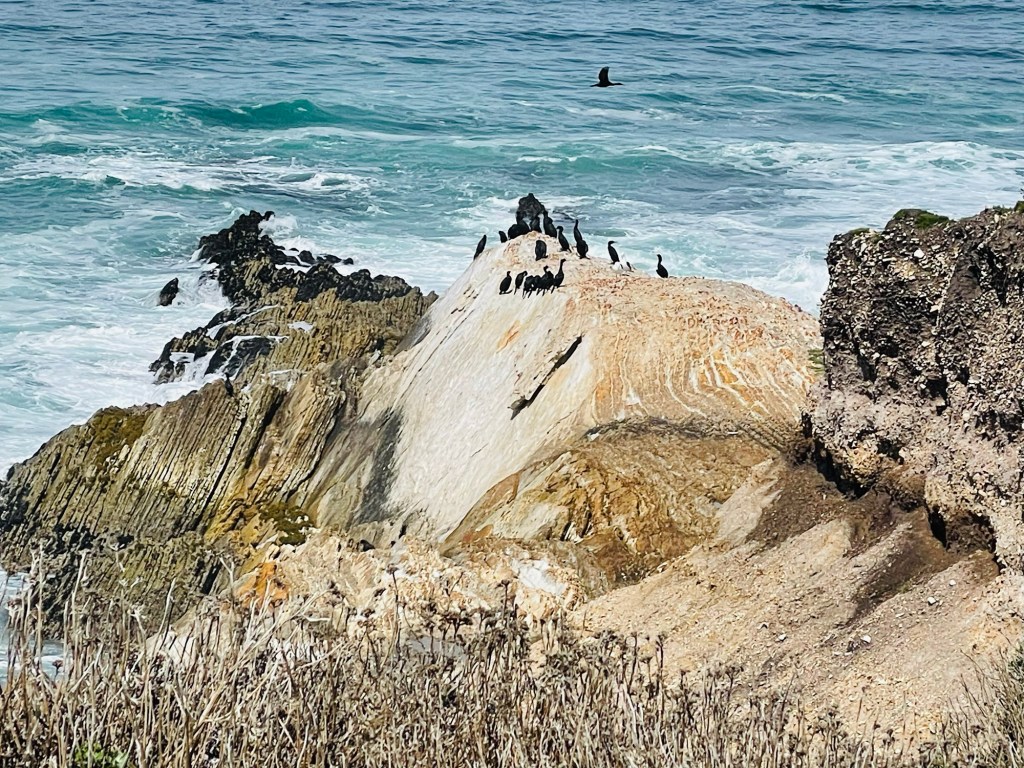
Know then that I often enjoy visiting places on vacation where I can better understand how living things adapt to challenges in their natural environment in the manner of evolutionary thinking. On a global scale, I can, for instance, reflect back to our first African safari adventure along the open grasslands of Kenya where at times we witnessed the violent predatory behavior of lions, leopards, and crocodiles in their relentless pursuit of their prey. The cool Pacific coast shorelines of Morro Bay, California also immediately come to mind as a strong example of evolution’s work. For this terminus of so many of our westbound road trips sparks vivid memories of the conspicuous presence of sea gulls, cormorants, and pelicans as well as mammal species like squirrels, otters and seals in fierce competition for protective territory and feeding grounds nearest a towering rock monolith extending out into the ocean.
Taking this conversation a step further, I invite you to try identifying the evolutionary qualities exhibited by sloths and different kinds of “Great Ape” species in the following two videos below. To do so, pay particular attention then to how each of these creatures uses their physical body parts and natural acts of behavior to adapt themselves to environments where they live. So just click on each link below to access the videos and have some scientific fun.
You must be logged in to post a comment.