“ Do not bite at the bait of pleasure, till you know there is no hook beneath it.” (Thomas Jefferson)
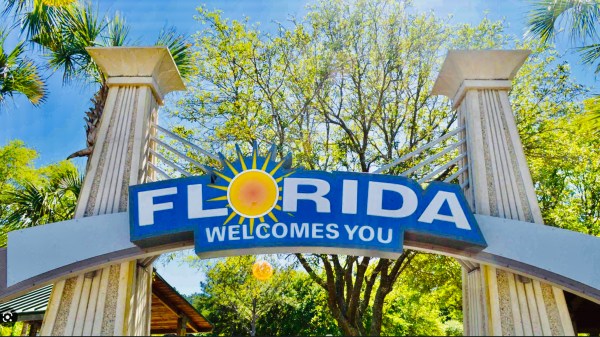
Take a long look at the title photo of this blog that so vividly illustrates the colorful sign and caption, “Florida Welcomes You”. Next picture in your mind hordes of “snowbird” tourists descending from the Georgia border by Interstate Highway into the “Sunshine State” from up north. Now take a logical guess what impressions of Florida might this image most likely project to them? If you guessed such a border billboard carried the message that their upcoming vacation to Florida would provide a beautiful escape to sun blissed contentment, it seems the advertisers who created this sign apparently did their job well to hook them in. A question remains for such vacationers, however, to confirm whether these preconceptions of Florida as a paradise are truthful as they drive further south and more fully experience their chosen destination.
This thinking process described above compares nicely with our use of the Air B&B lodging app to make rental housing bookings when desired in both short and long term travels. For the best scenario we could hope for then would be that our detailed, pre- occupancy research of several Air B&B units at an affordable price range and convenient time frame for us would yield a truthful and trustworthy booking decision.
But what if a housing unit we booked upon actual inspection failed this time proven test? Perhaps the photos and previous occupant reviews of the apartment interior and surrounding environs did not reveal a truthful picture about what an extended stay in the unit for us as future tenants would really be like. Or maybe upon walking outside the dwelling grounds, either Ruth or I happened to notice extraneous sights and sounds that overly bothered us. Consider as well that important practical communications between the host owner of the unit and us before and during the course of our visit might have turned out to be dysfunctionally poor.
So it seems clear that all of these above negative considerations would influence our decision to cut short our four night, Air B&B vacation to the west coast of Florida this week and return to South Florida on the second day of our stay. To the owners credit, we thereafter sought and obtained agreement with them to get a full refund for the three remaining days not spent there.
But in retrospect, as I re-examine in more detail those seemingly gorgeous photos below presented by the owner for this apartment, I’m reminded to evaluate my use of bookings apps with more mindful diligence in the future. For it seems clear that when an advertisement appear to be too good to be true, then it’s due time for me to over into troubleshooting mode to question it. How about you? Happy New Year, Readers
“Finding closure opens the door for us to see the new path we will take on our journey of life and living.” (Debbie Zieman)
The winter holiday season that begins after Thanksgiving often signifies for me a powerful sense of closure resulting in self satisfaction in moving on from what I’ve previously done. But the most important matter of interest might be what immediately felt holiday circumstances during this time period actually “kicks in” a much sought spirit of kindness and generosity toward others that I so desire. For I suspect the answer often lies in my search to improve myself as a person rather than to just seek outward pursuit of competitive recognition. To explore further this conclusion, it seems no coincidence that my more spontaneous pursuit of a genuine “Happy Holidays” spirit in my life influenced such past closure December decisions I made to get married three days before Christmas, retire from teaching permanently, and book several life enhancing travels to Switzerland, California, Peru, and the Caribbean.
So let’s imagine for a moment we’re walking along a densely forested trail heading uphill that provides little indication of where and when it will end. You may or may not complete the entire trekking course so your mind turns to finding a wondrous place to stop and return back along the way. It’s totally up to you in each moment you step to intuitively find that spot that meets those positive expectations you’ve set for yourself to where your journey shall end and perhaps a new one can begin. Two miles in, a sudden clearing appears between the thick cover of surrounding trees to reveal below a quaint, winter village scene of great interest to you below. This burst of excitement overwhelms you then knowing that this quietly revered spot to end your walk gave you something to celebrate as you proceed to more fully explore this new travel curiosity by soon visiting the village below.
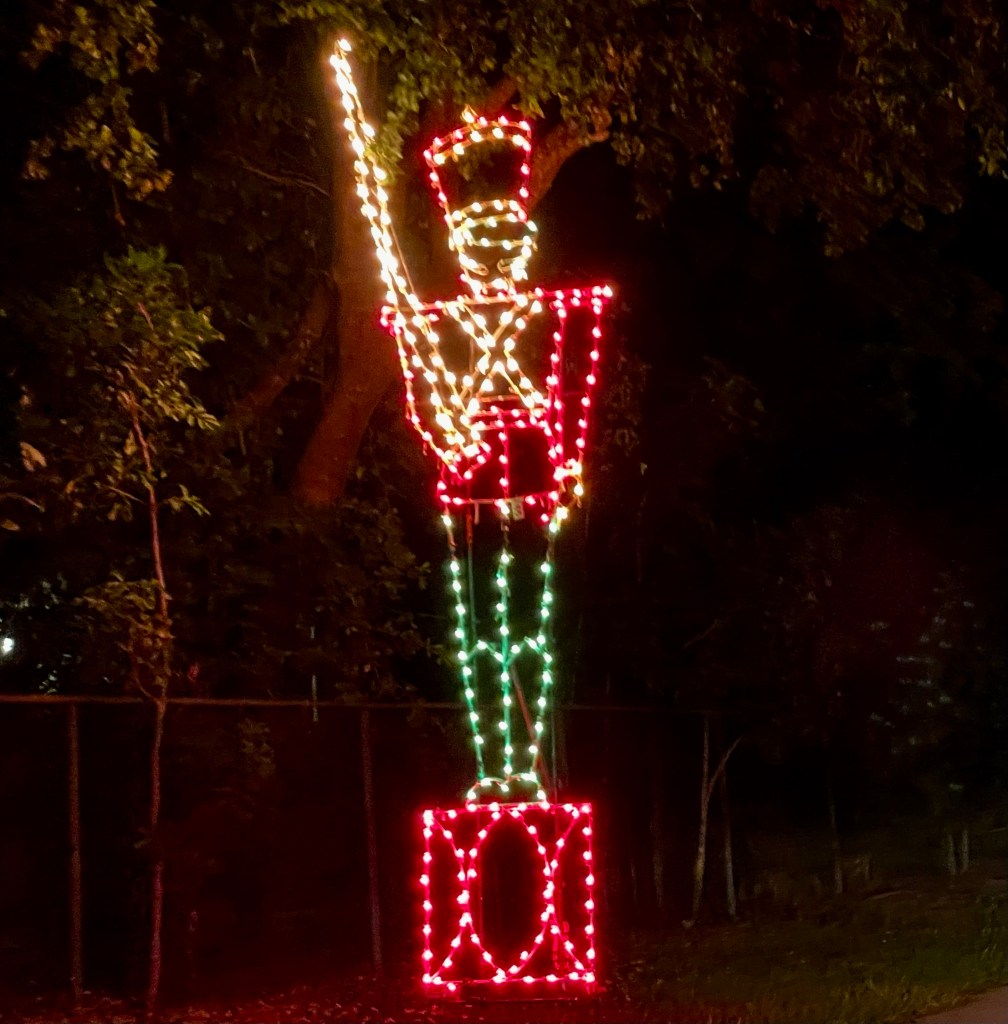
Along this same line of thinking, I looked forward to an aimless drive along the “Holiday Fantasy of Lights” route at Tradewinds Park in Coconut Creek, Florida last night. For who knows what colorful sights I would fully embrace along the way as I moved slowly along in the darkness of night. But I seemed ready for my “Happy Holiday” spirit to unexpectedly intensify at any point to justify reason for taking this brief journey tonight. Enjoy the photos.
“ In every walk with nature one receives far more than he seeks.” (John Muir)
There’s no question that I’ve been allotting more time these days to visiting “green”, open spaces in my South Florida community. For I definitely prefer spending more of those cooler winter mornings in December feeling “calm and collected” by doing what I love to do outdoors. So I prioritize joining those throngs of “locals” who enjoy biking, exercising or walking amid those inviting environs of surrounding parks and forests as often as I can. I might also reason that such casual hobbies experienced amid such sub – tropical nature most certainly provides a suitable alternative to obsessing about daily life calamities reported on the TV and other electronics messaging services every day when sitting at home.
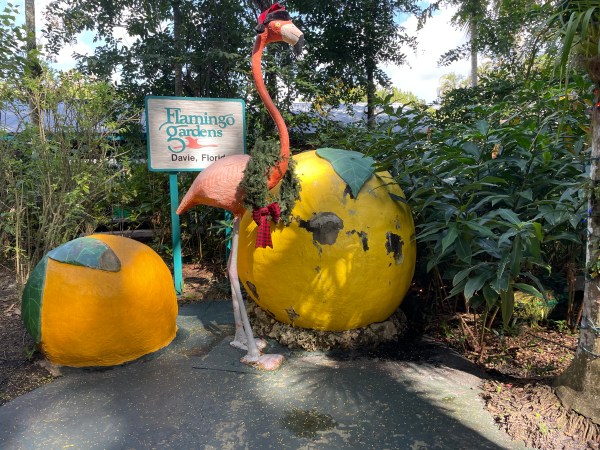
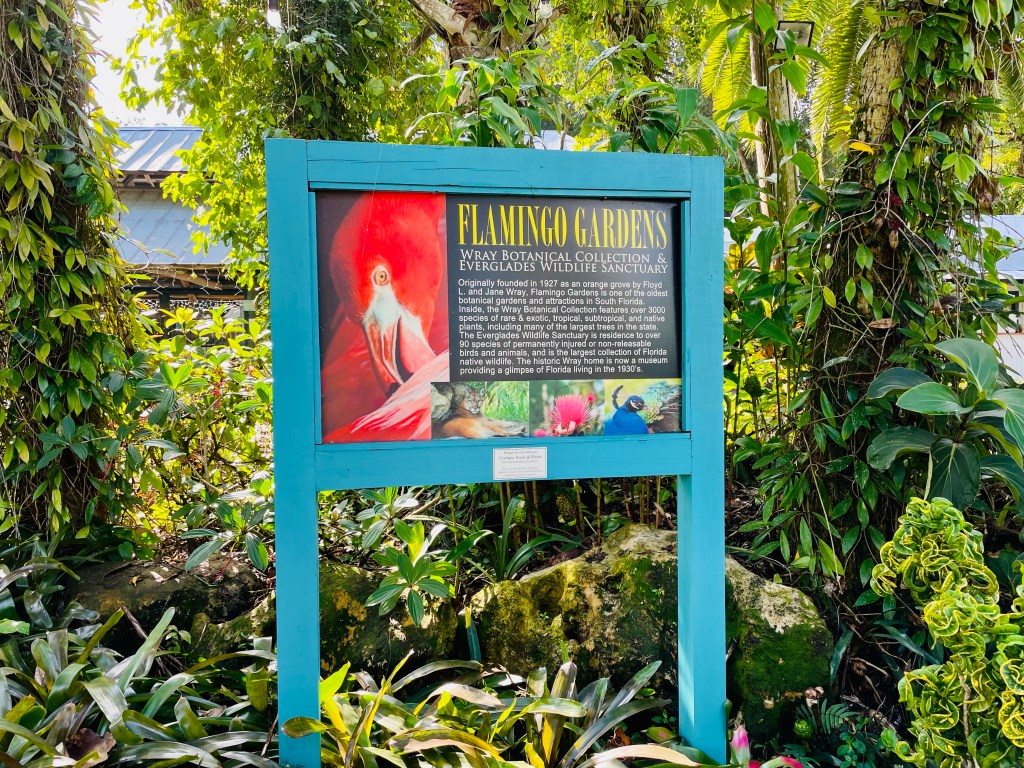
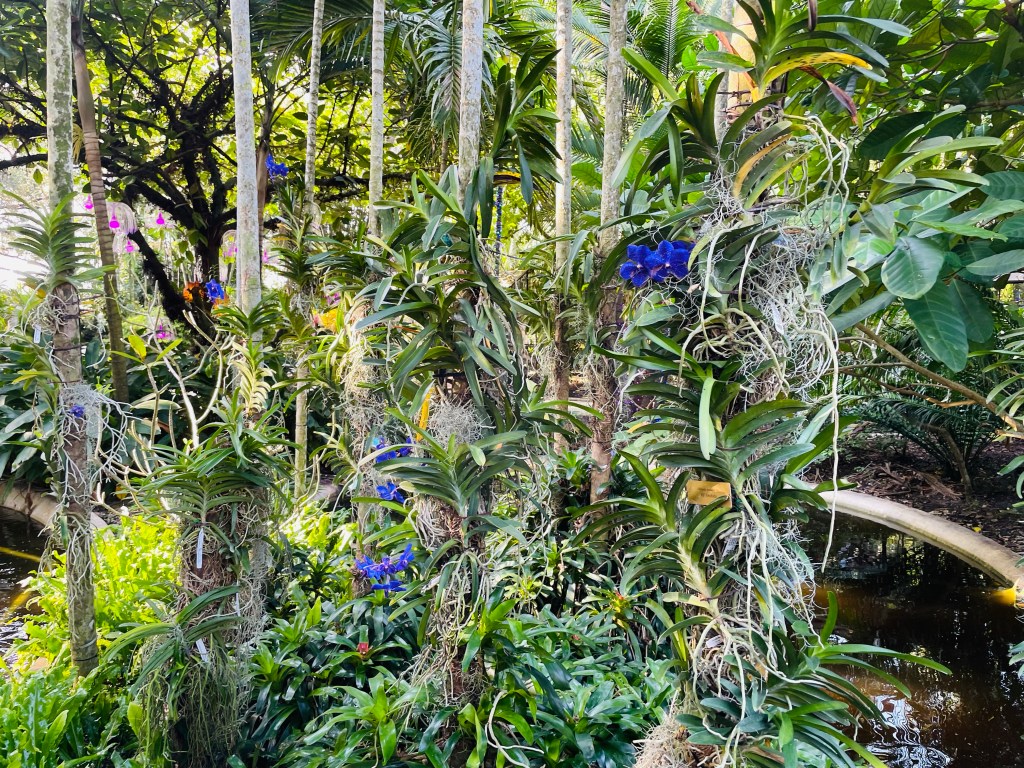
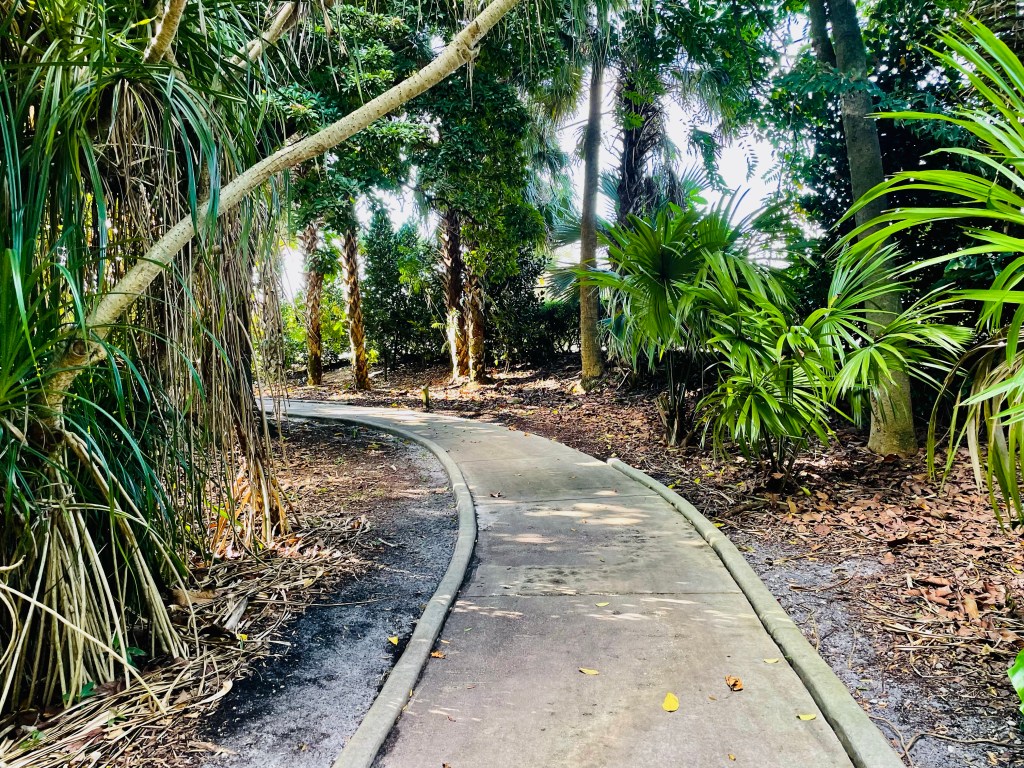
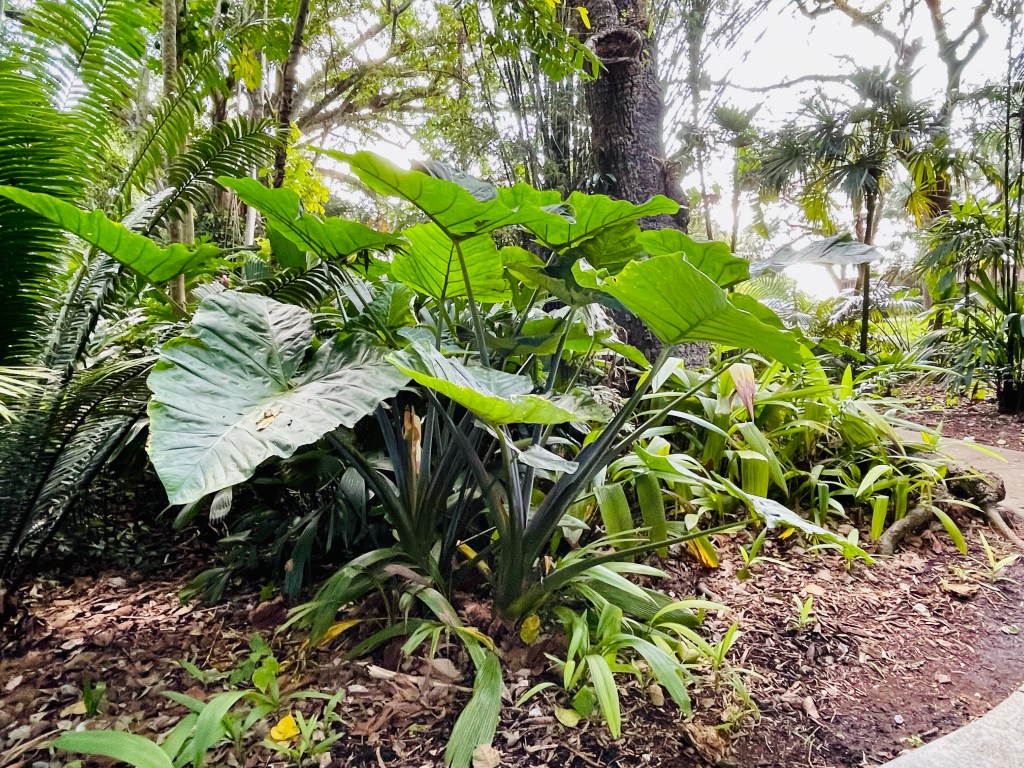
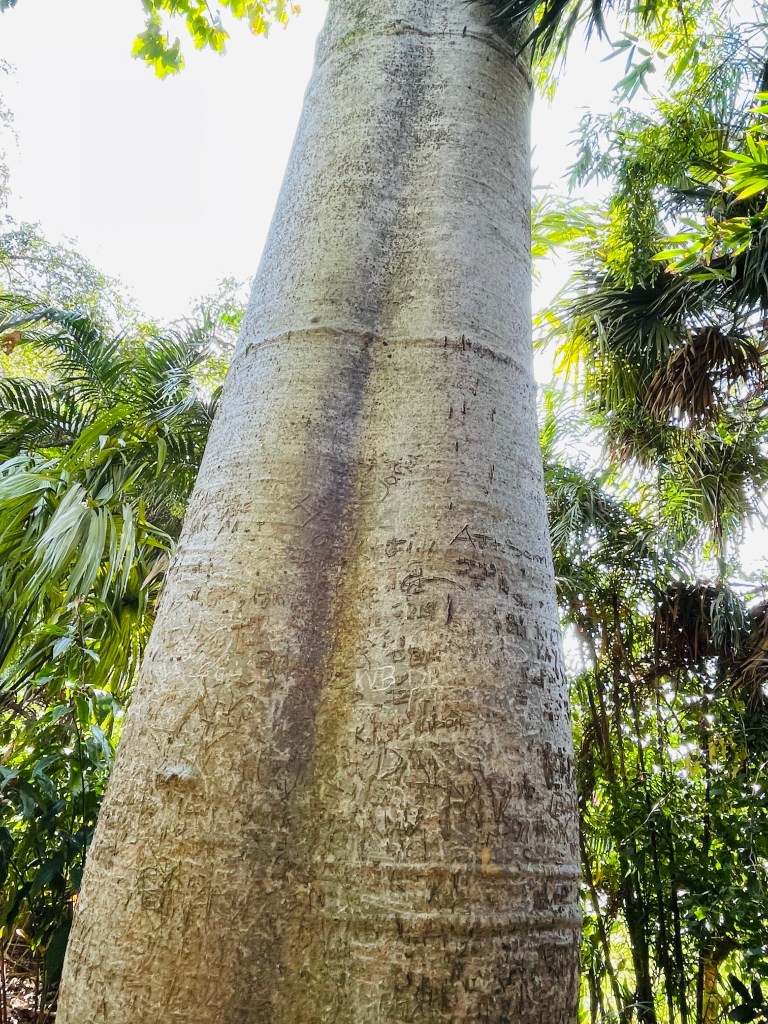
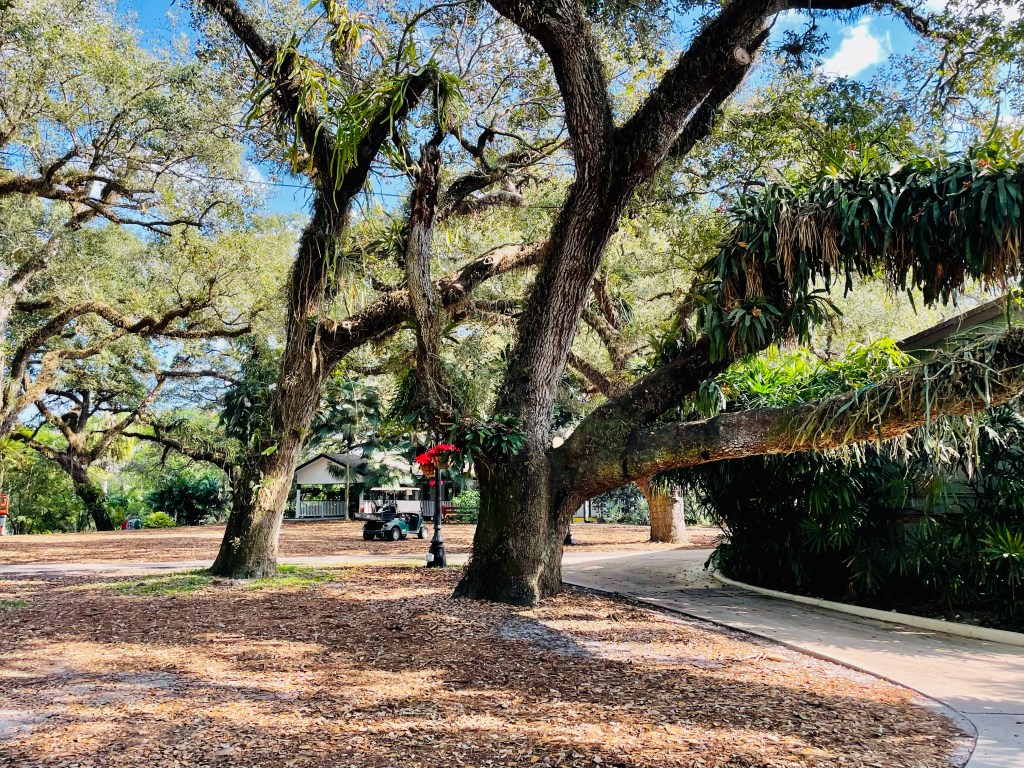
But I’m inclined to reason further that there’s so much more to contemplate about our community “green spaces” than just carrying on routinely with our leisurely ways there to pass one’s time. For lately I’ve been feeling a definite “buzz” in the air over the vital need to make better use of our current open space lands to preserve our earth’s natural environment and wildlife forms in the future. How timely it seemed then for me to discover Flamingo Botanical Gardens and Wildlife Sanctuary lying along the easterly boundary of the vast Florida Everglades amid a fast encroaching suburban community.
Know then that this latest South Florida tourist visit of mine to this environmentally uplifting complex appeared to be a “game changer” in reframing my attitude more seriously about spreading knowledge to others about getting involved now in sustainable actions for the “greater good” of our future communities. For in my home Fort Lauderdale vicinity, I’m particularly concerned by the likely impact of catastrophic “global warming” events, where more powerful projected hurricanes combined with sea level rise may soon submerge our low-lying lands in disastrous flooding conditions. So let’s take a more detailed look in the following paragraphs and associated photo collection at several notable highlights observed during my self guided tour how “green” spaces might efficiently be utilized to attain a more sustainable future for our fragile Earth’s survival.
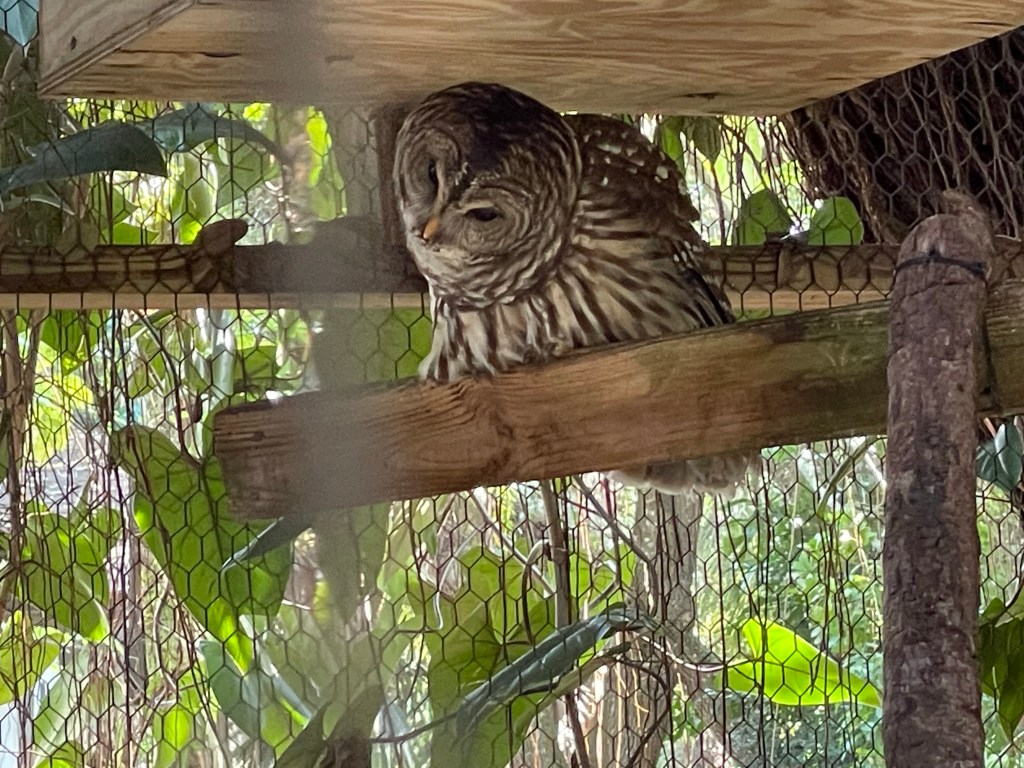
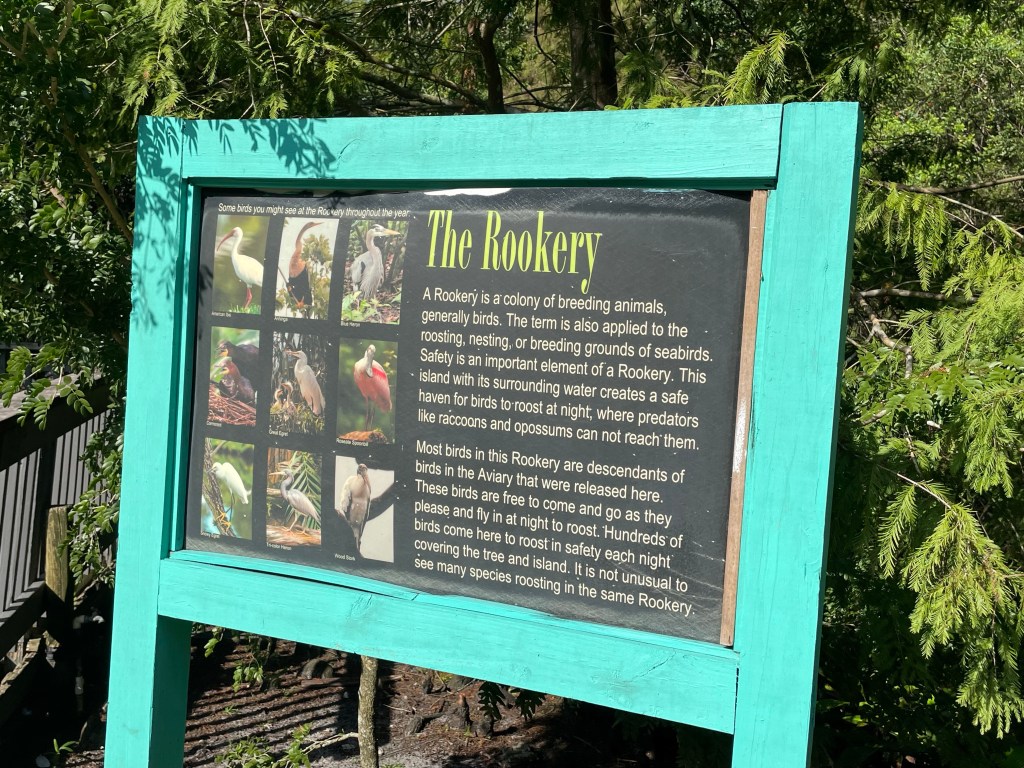
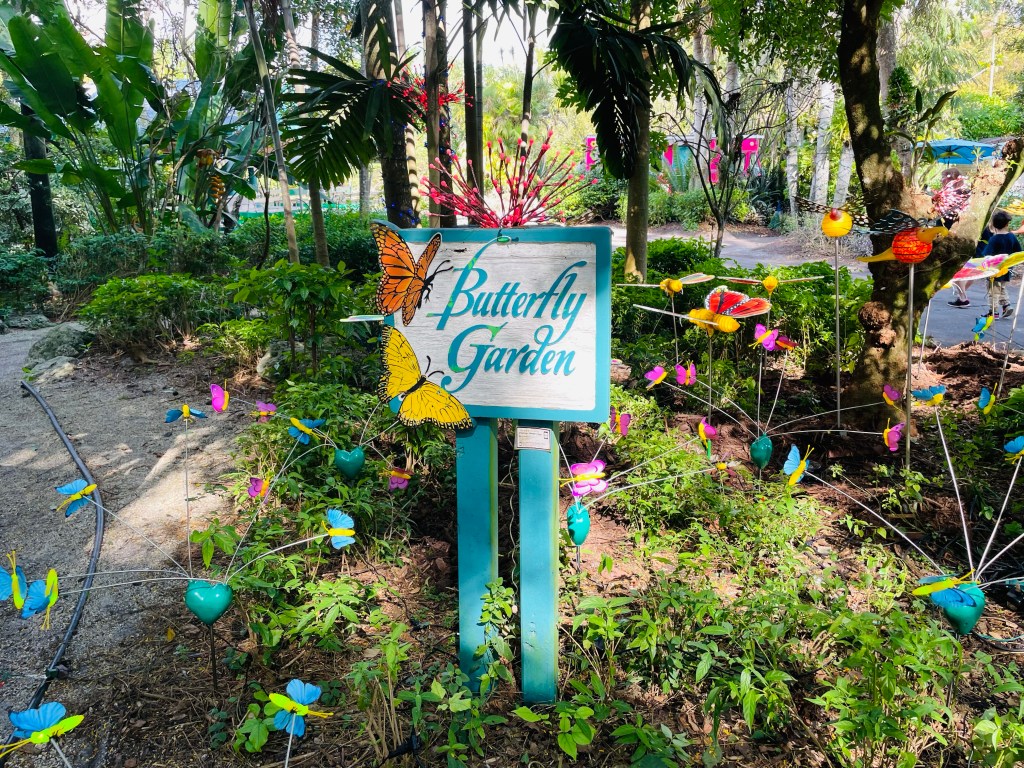
So notice first of all that Flamingo Gardens puts extensive effort into promoting new tree plantings to help capture carbon dioxide to counteract rising temperatures and clean our air. Along this Botanical Gardens walking portion I’ve taken, you can also see that endangered tree species such as giant Figs and Banyons, tropical rainforest shrubbery and native hardwood hammocks have been carefully preserved under natural conditions as well. Observe another designated area of the park which provides manageable residency for permanently injured or non-releasable Florida native wildlife or bird species such as the bald eagle or horned owl that could not survive in the wild on their own. Strong efforts to provide suitable breeding grounds for water bird nesting at the park rookery can be seen along with a manicured garden for attracting endangered butterfly species as well.
It’s no coincidence to me then that Flamingo Gardens promotes itself as a thriving center for environmental education offering fun scavenger hunt experiences for students who visit on field trips from school as well as engaging classes in topics such as aromatherapy and rare plant care for adults in the surrounding community. So given this optimistic report of my Flamingo Gardens experience, what ideas might you spread to others in your community best now to combat such “doomsday” prophecies of environmental and wildlife destruction? Happy Holidays to all.
“We accept and thank you for this wonderful building…The citizens of Davie will take pride in it, maintain it, and cherish it. ” (Colonel Walsh at the official dedication of the Davie School, May 10, 1918)
As I approach the end of the year holiday season once again, it’s time for me to reassess my writing “peaks and valleys” of 2022. For in spite of escalating time challenges, I remain passionately committed to experience the present moment of travel in such blog efforts from both near and afar. Thus in furtherance of this task, I’ve made a timely purchase of the book, “100 Things To Do In Fort Lauderdale Before You Die” by Christiana Lilly. Know then that I fully intend to schedule more time to explore many of these locally inviting places from this guidebook between our road trips and other longer vacations in South Florida starting today and throughout those home based months next year.
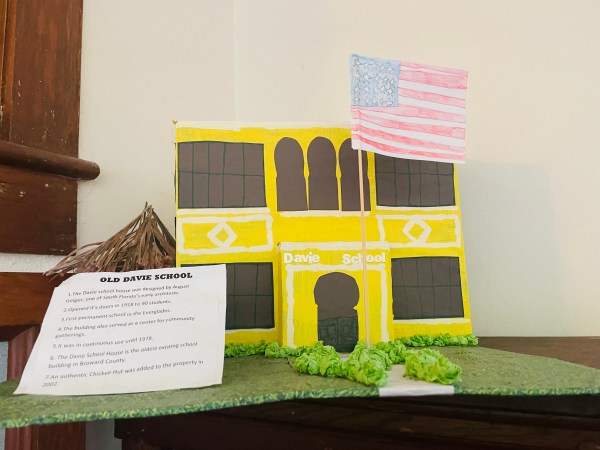
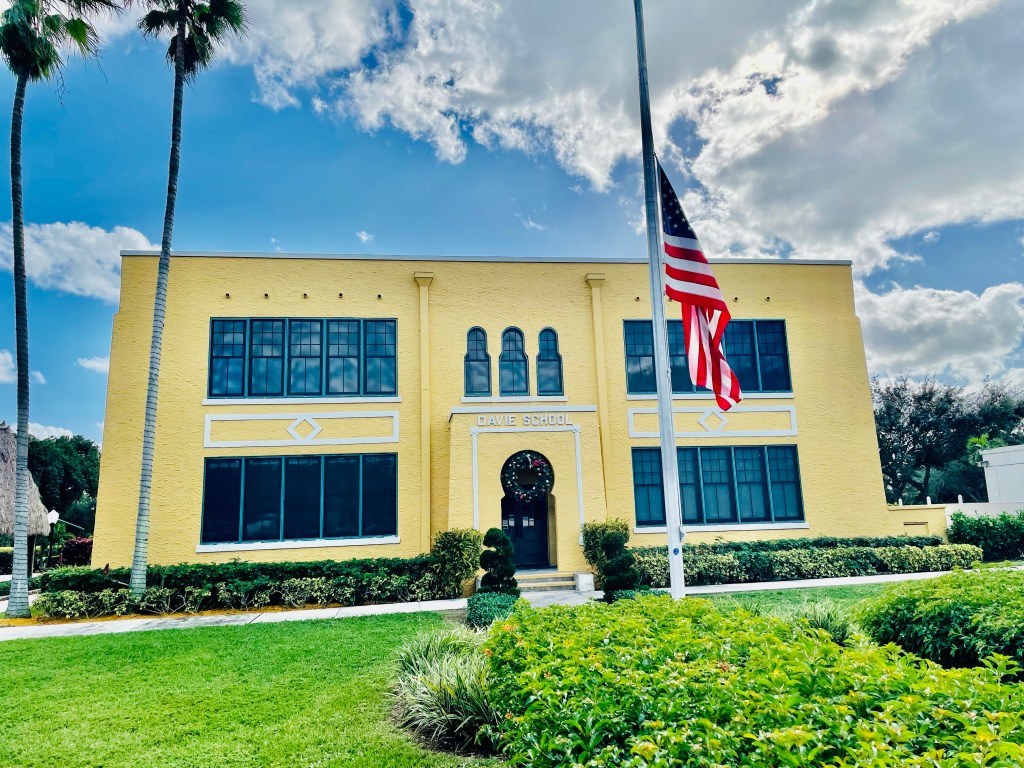
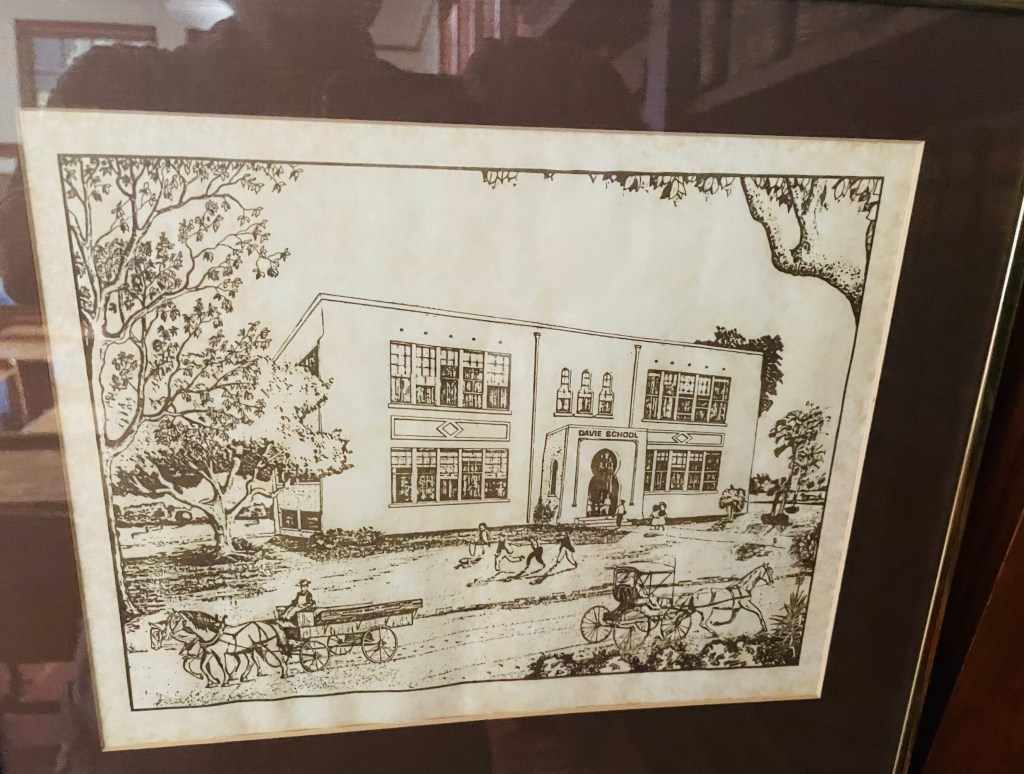
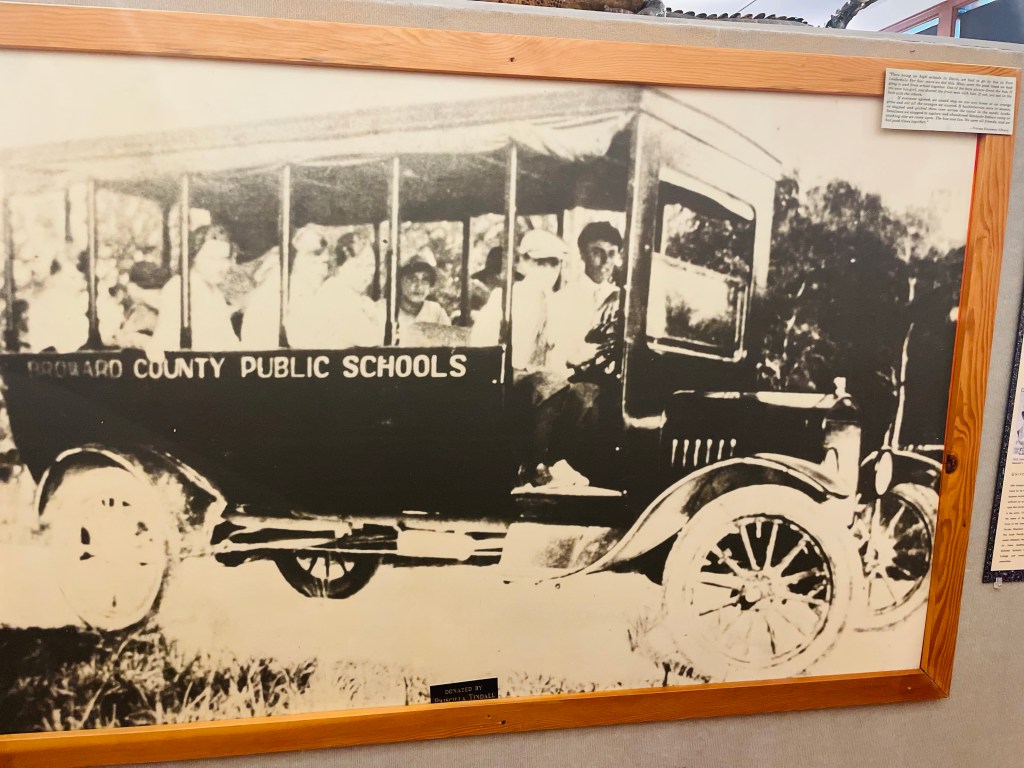
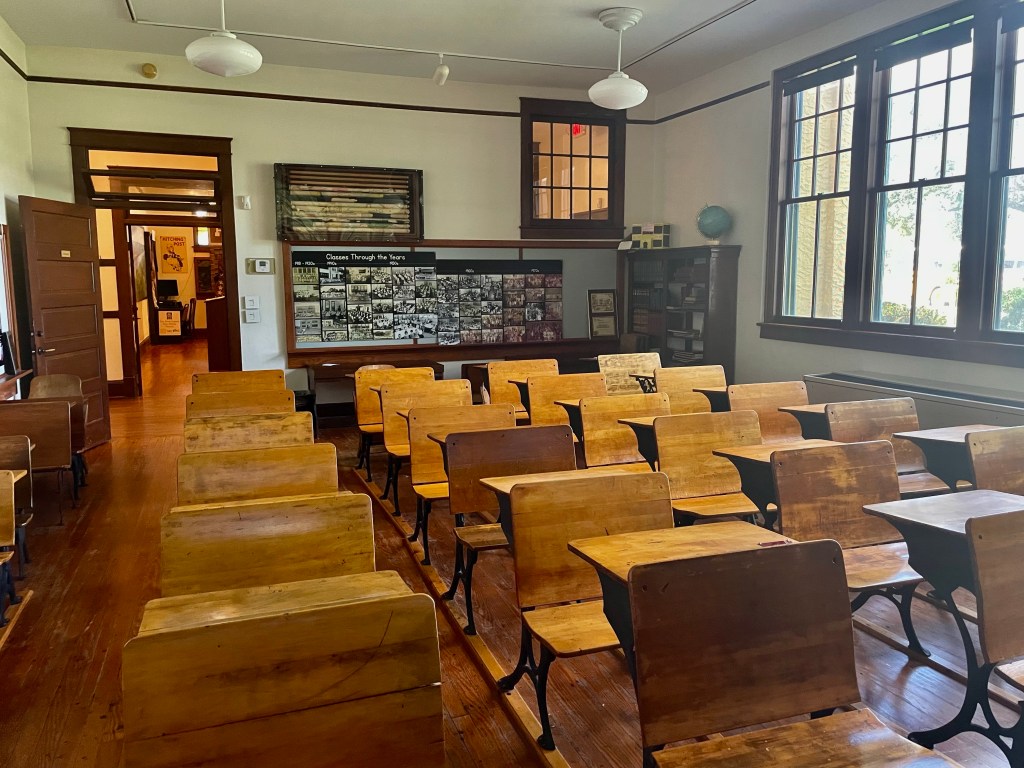
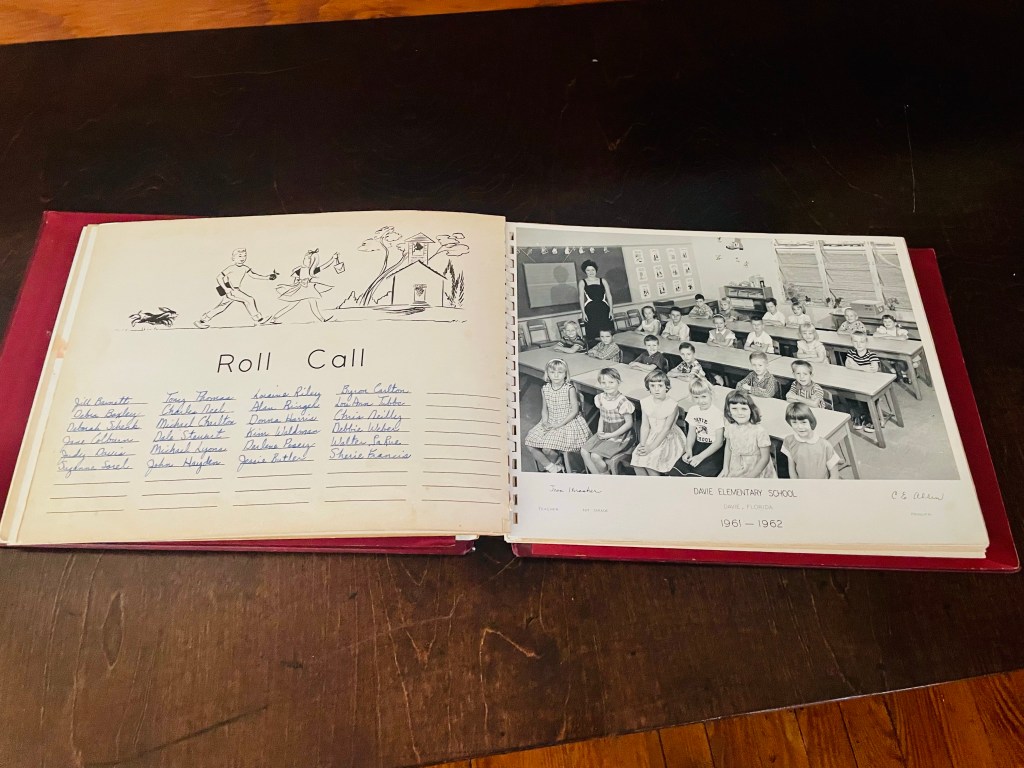
So I begin this series by welcoming you to the pioneer days of my current hometown of Davie, Florida at the Old Davie School. Follow me then on a photographic classroom tour at this historic site now recognized as Broward County, Florida’s oldest school and you might imagine what it felt like to be a student or teacher long ago. In particular, I invite you to ponder how instructors and pupils made best use of their time under adverse conditions in this rural community institution designed to serve a maximum of ninety students and three teachers of primarily Caucasian descent at full capacity.
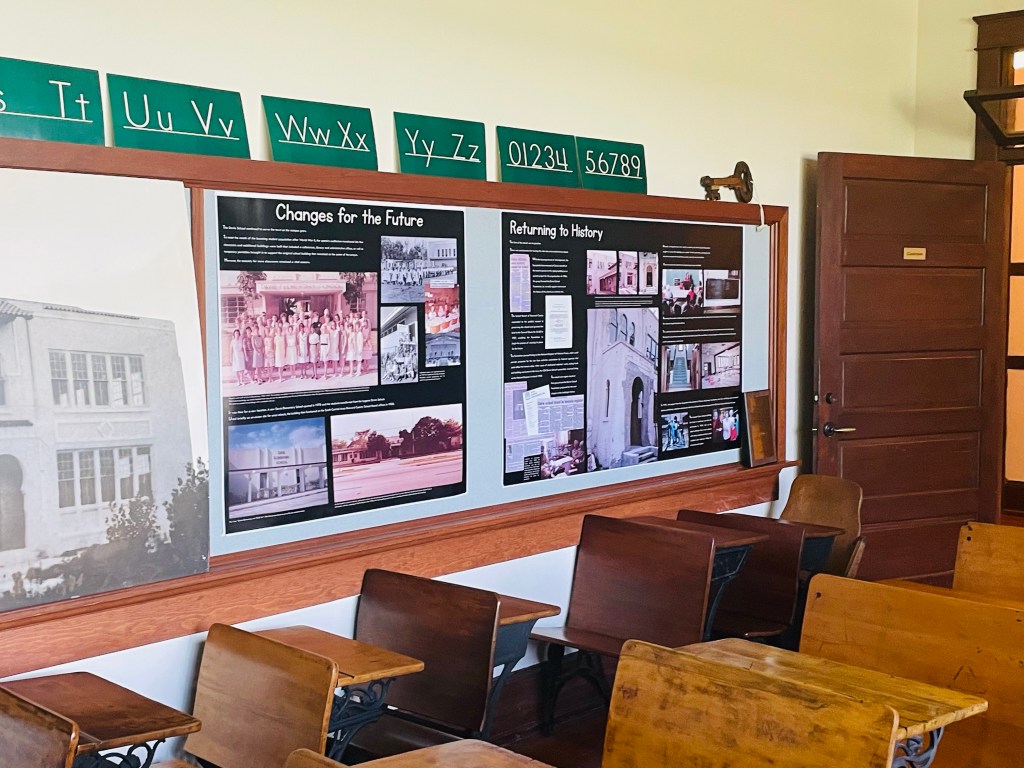
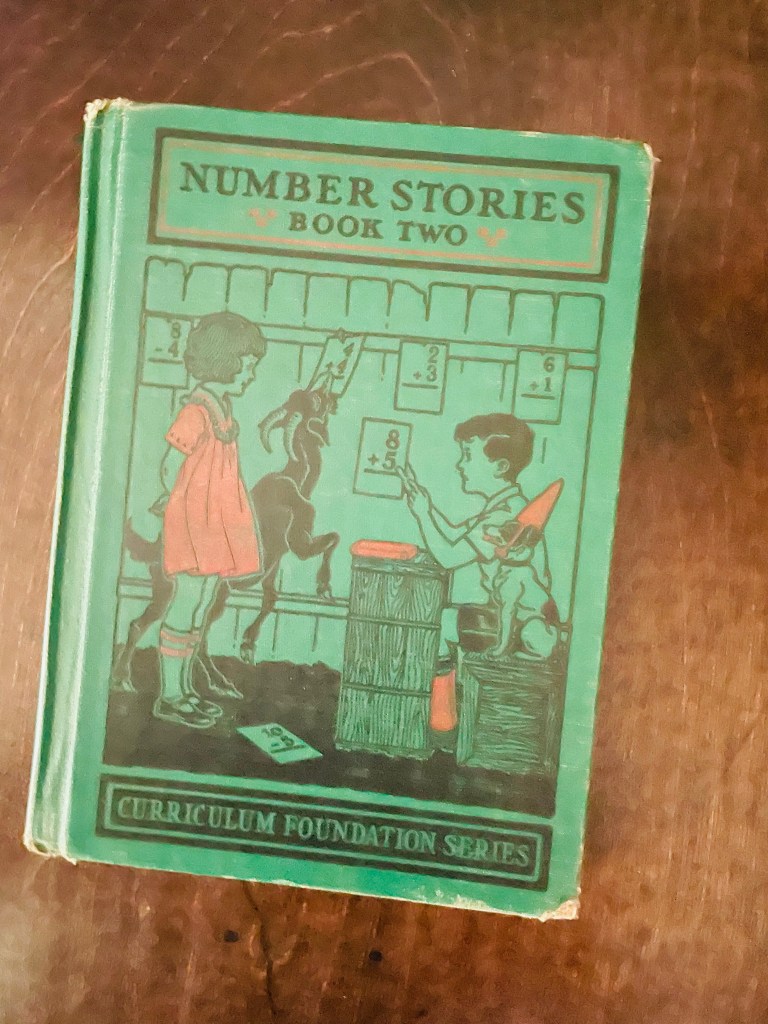
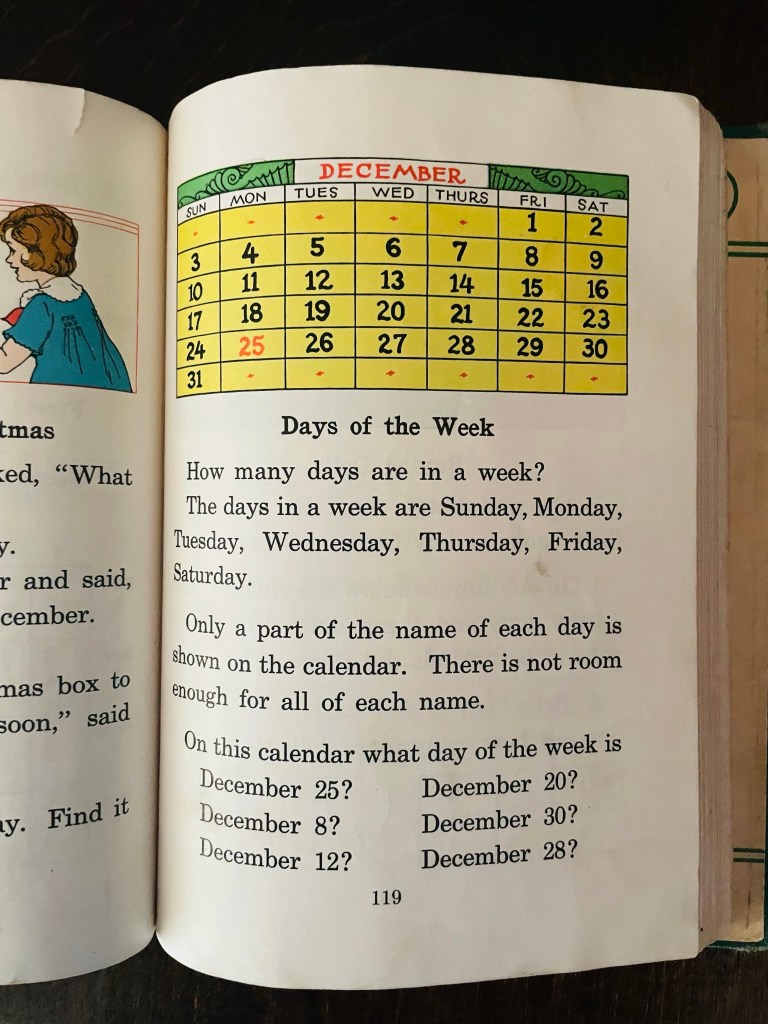
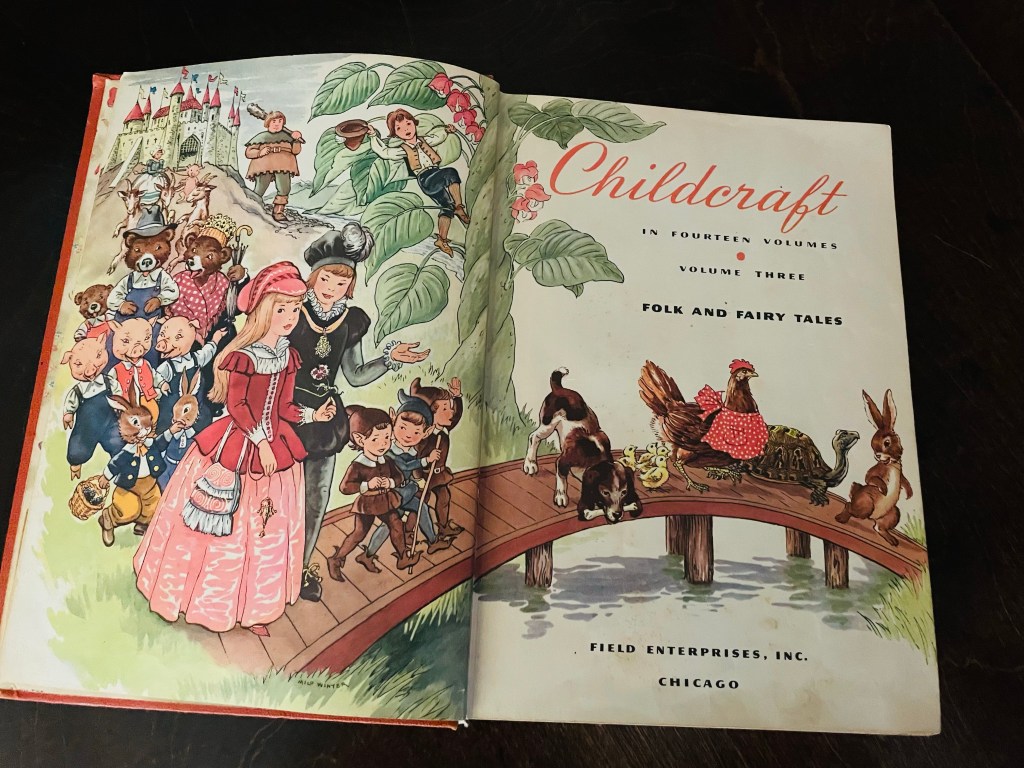
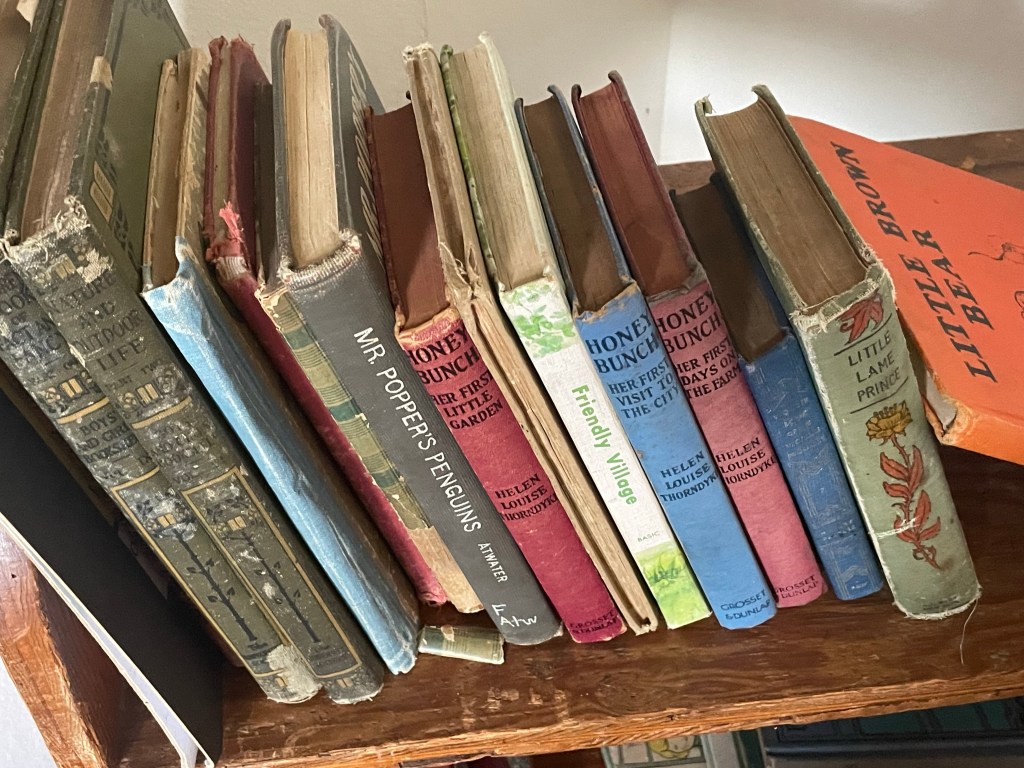
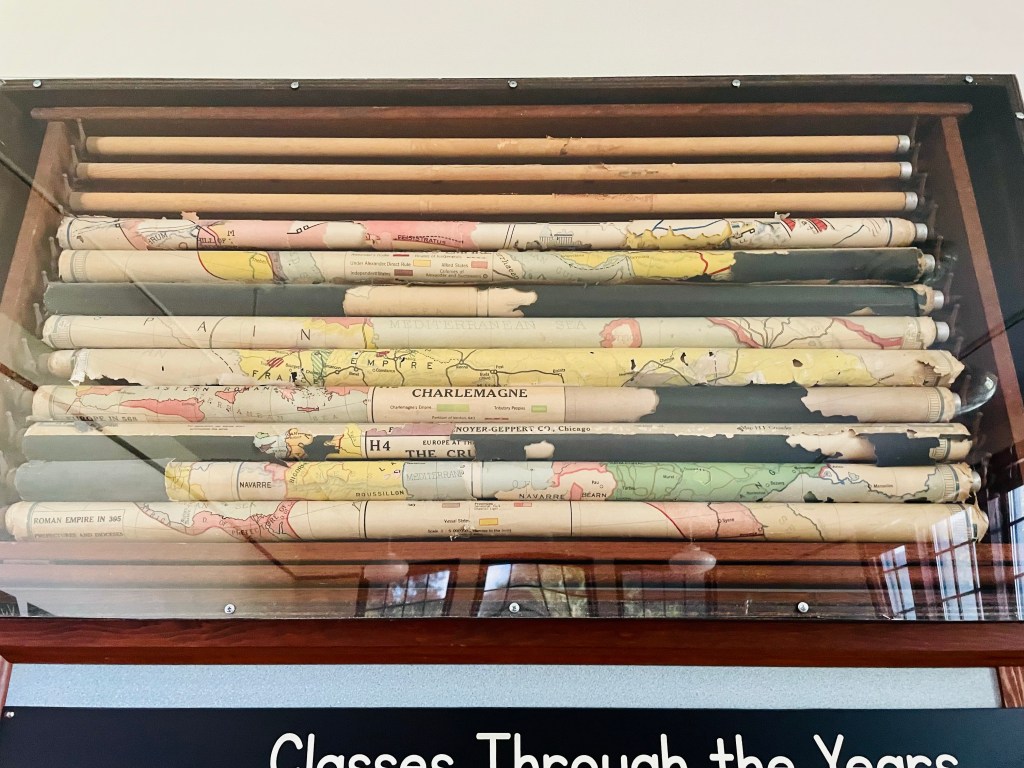
When I first entered this relatively roomy classroom, my eyes immediately turned to items most familiar to me from my own student past. Such items included the long, dusty blackboard at the front of the room, a convenient alphabet strip across the side walls and of course those creaky wooden desks I recall fidgeting in profusely as a kid. I then examined some old textbooks tightly stacked in the back of the classroom, curiously analyzing how the basic concepts of reading, writing, and arithmetic appeared to be most prominently taught. Notable observations were also made at this time about a plentiful supply of dated fiction books, fold out maps and World Encyclopedia volumes along these shelves that fostered student learning attention back then above and beyond such essential learning subjects. Turning to the matter of student/teacher relations, I reasoned that the orderly arrangement of those wooden classroom desks, and the prominent placement of a cowbell on the teacher desk figured prominently in maintaining order in the classroom. I also found matters of parent- teacher communication interesting at the Old Davie School, as I curiously glanced at the use of a detailed number system once used on student report cards.
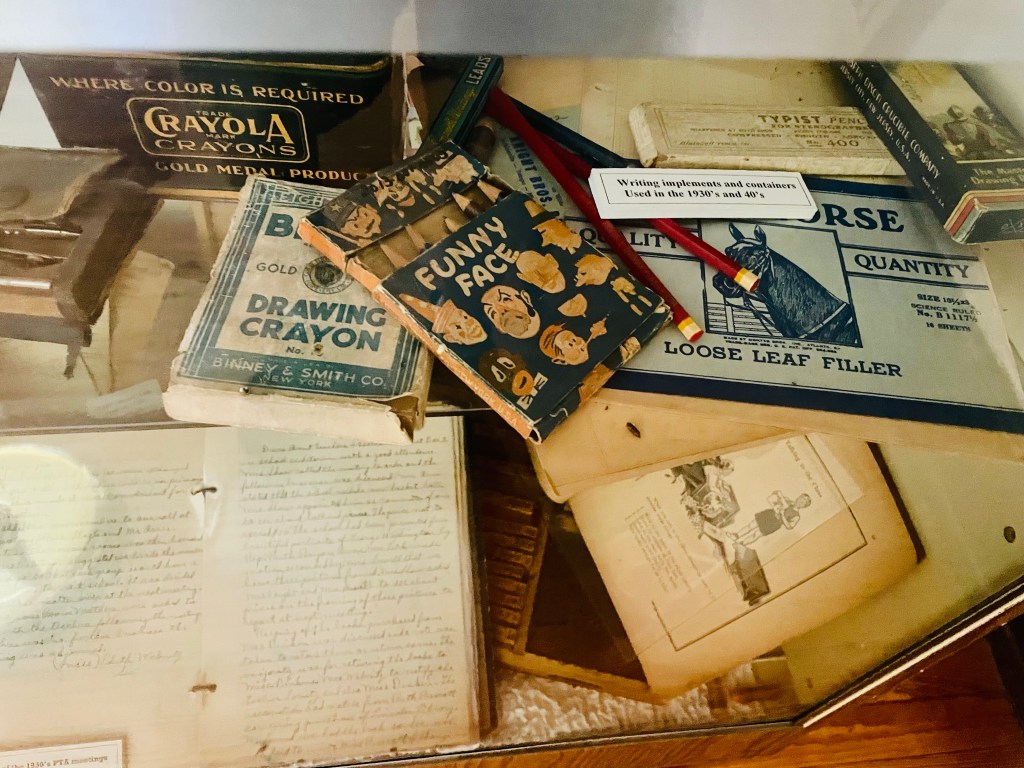
So let’s bring to life a more modern version of my brief tour of the Old Davie School. For in such consideration of past vs. present pertaining to education in this blog today, how might one effectively address those who complain now that we must return to the “good old days” of strict moral teaching, “rule by the rod” and/or stressing a tight focus on teaching only the “basics” to restore quality education in our schools. One way to frame these thoughts more clearly involves the extent to which paying attention to the the paper and pencil era at the Old Davie School in past rural times remains relevant to the more digitized urban complexities of teaching and learning today. You might also try to envision how today’s students and teachers could successfully adapt to other challenging conditions that took place then such as working in uncomfortably hot and humid conditions in South Florida without air conditioning. As for me, I’m just glad that I discovered some resourceful ways to survive those challenging times of teaching for over thirty years that you got a strong taste of in this blog today.
As 2022 soon ends, I wonder how I might expand reader interest in the listening version of my blog. To clarify, I’ve used the Anchor podcast tool that Word Press endorses for posting all of my written entries on the Spotify website for more than a year now,. You can find them there by typing the search term “Snippets of A Traveling Mind.” So if you are interested, I encourage you to take a more detailed look at what I’ve been working on. Just click on the link marked summary below and then follow the cursor prompts that appear on each page of the slideshow. Thanks.
“ Life is a lot like jazz…it’s best when you improvise…” (George Gershwin)
Ruth and I finally took some time to see “Hamilton”, the musical, in a matinee performance at the “Broward Center For The Performing Arts” in Fort Lauderdale last week. As a former history teacher, I settled into into act one wondering mostly about how accurately the events of the American Revolution would be presented then with this youthful cast. In doing so, it became obvious to me at the onset that this high energy play took on an improvisational tone reminiscent of a jazz combo performance as this diverse array of talented artists utilized their fast flowing lyrics to electrify the crowd that afternoon.** By continuing to observe this historical perspective into act two, I ultimately concluded that as each scene elapsed with such spontaneous ease during these dialogues, these creative depictions of the actual events that happened in early colonial America felt believably real. In support of that conclusion, I observed notably plausible characterizations of a stately George Washington, an impulsive Alexander Hamilton, a diabolical King George and the deep thinking Thomas Jefferson that afternoon.
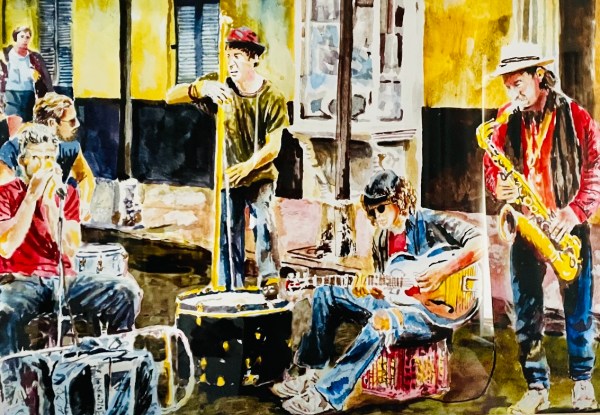
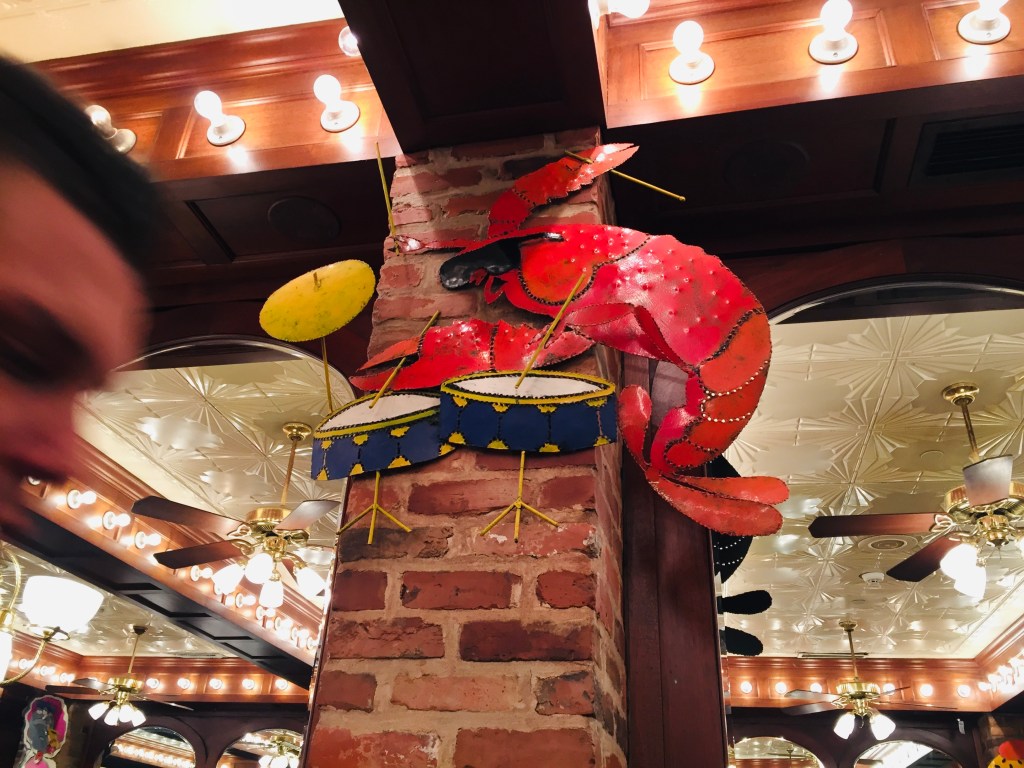
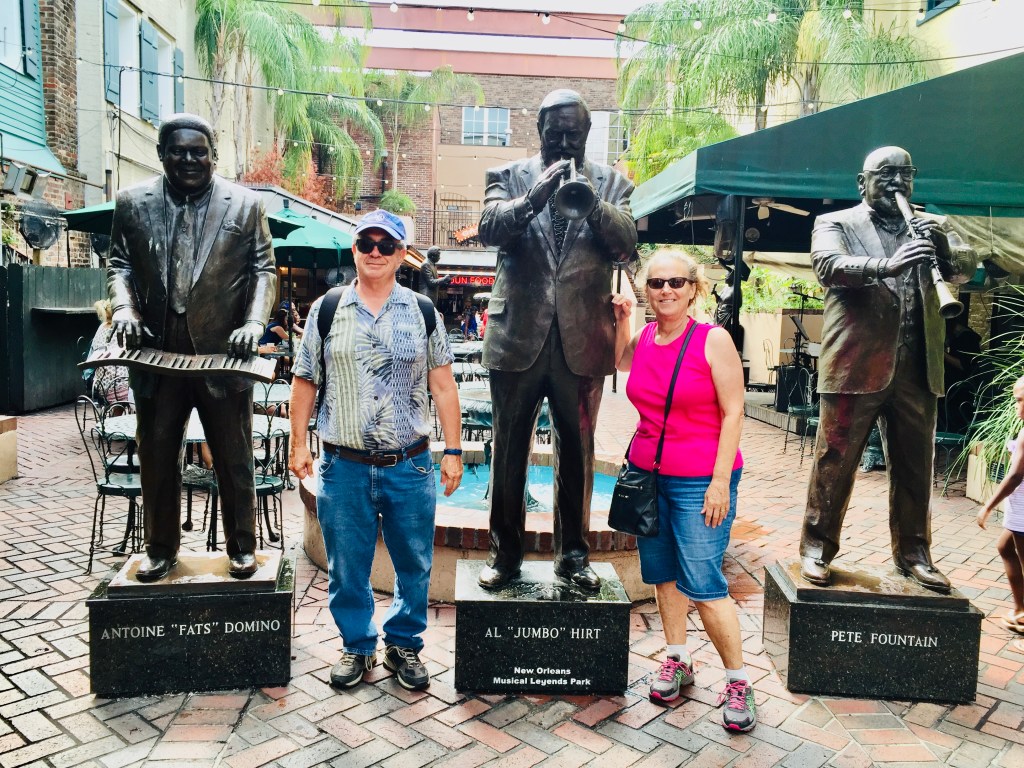
So it stands to reason that last week‘s vacation to New Orleans similarly provided for us plentiful, “spur of the moment” action involving jazz musical infusion as we explored on our own this historic American city. Know then I found myself reflecting back to my college years as a former musician myself, knowing that jazz music heavily relies on the spontaneity of skills, emotion, and the environment. So allow me to suggest a one day tour of several New Orleans sites in the similar jazz vein of “making it up as you go along”.
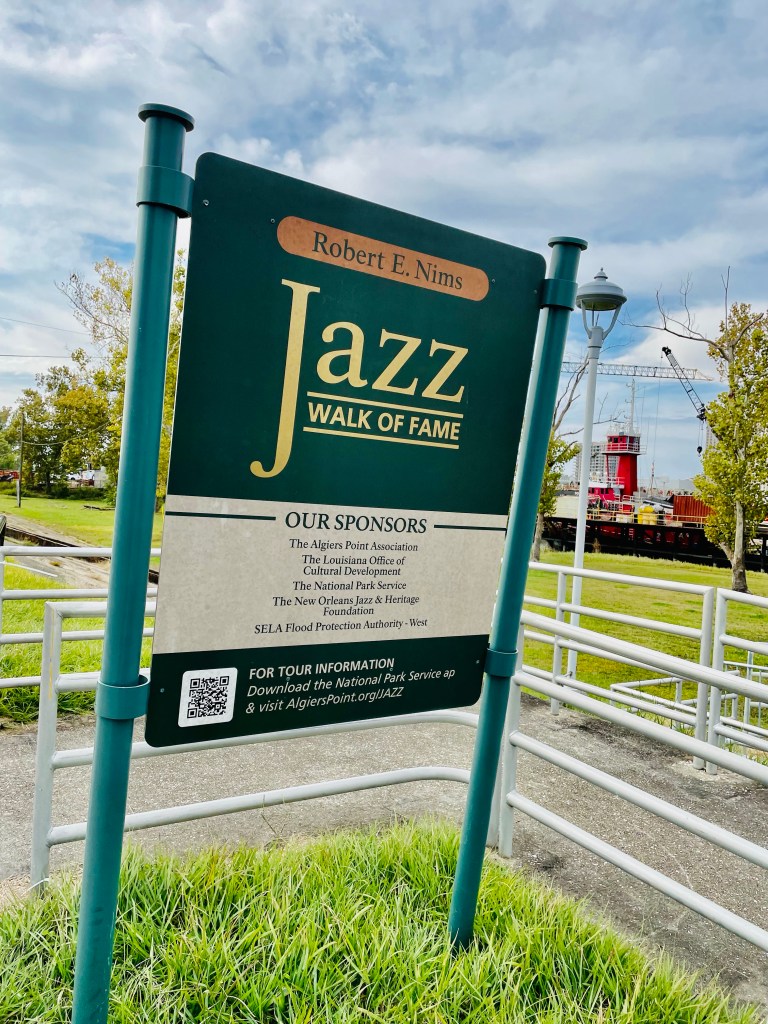
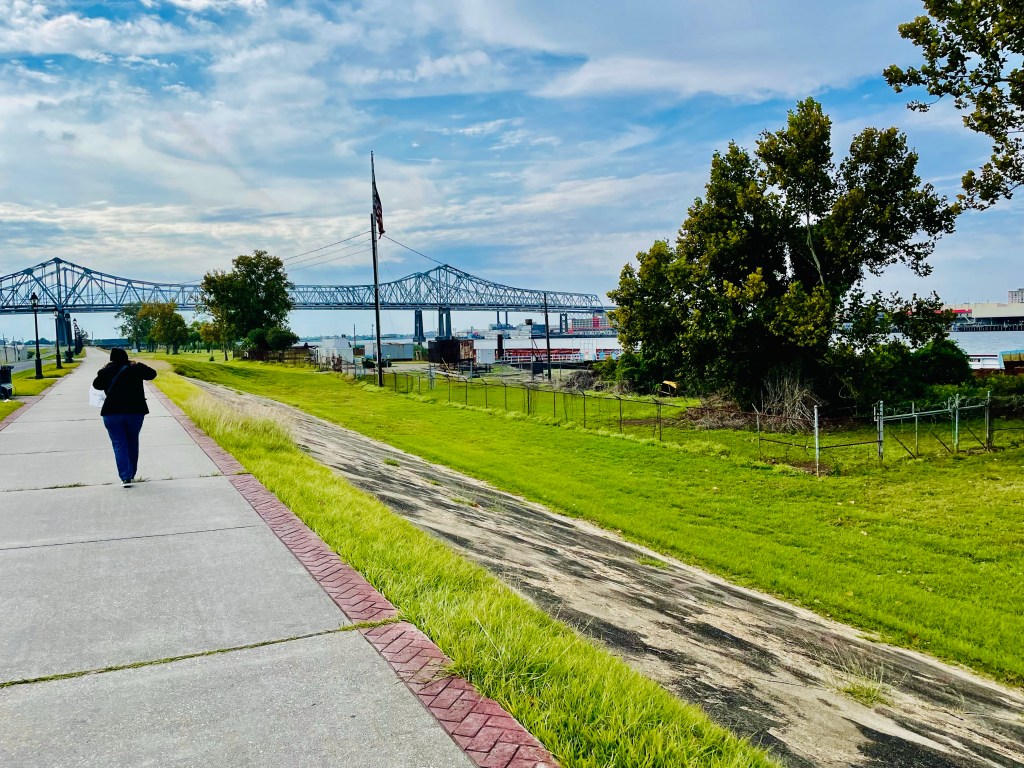
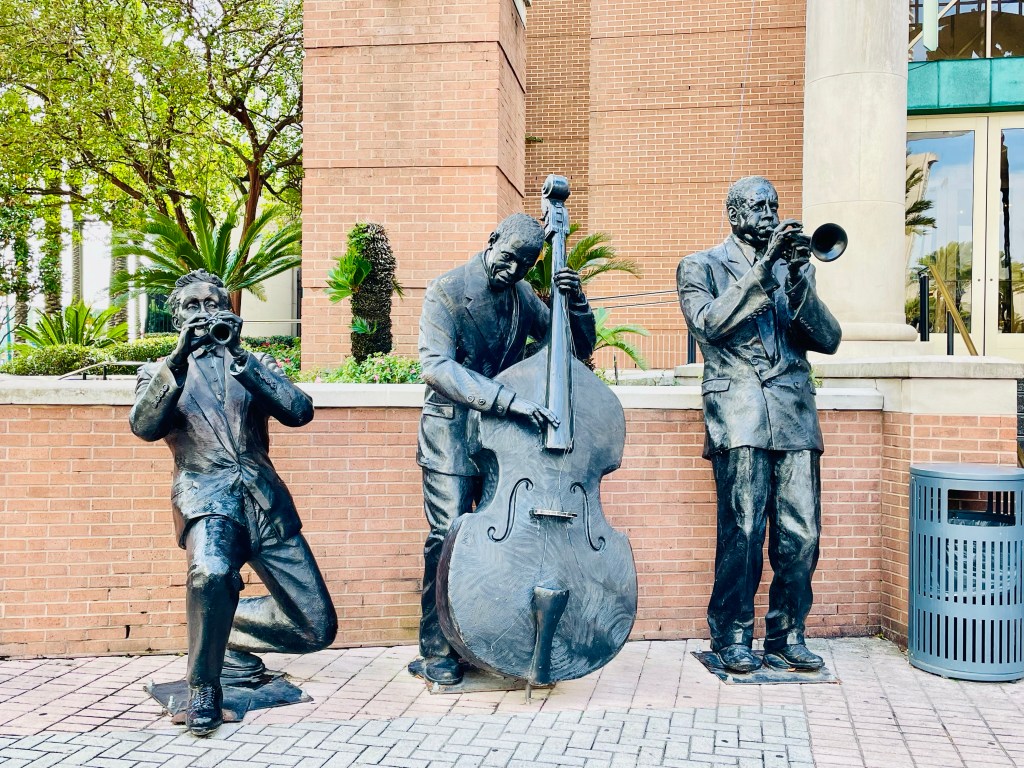
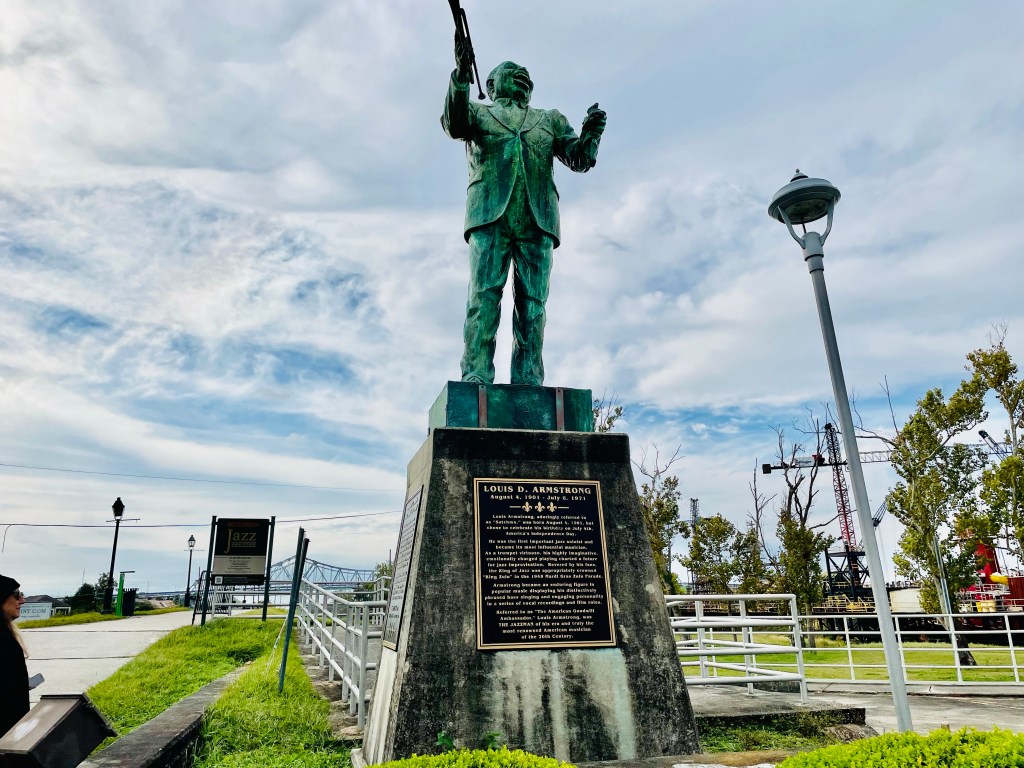
I therefore suggest you begin your “Big Easy” tour with a short ferry ride to the quiet neighborhood of Algiers on the opposite bank of the Mississippi River from the bustling French Quarter downtown. As you saunter serenely along the designated walkway of the “Jazz Walk of Fame Trail”, I recommend you utilize a convenient audio guide app to hear pleasing sample soundtracks at seventeen statue landmarks memorializing legendary jazz musicians who earned New Orleans fame along the way. When the mood strikes you at any point along this route, feel free to take some photographs of your favorite downtown setting across the river as well.
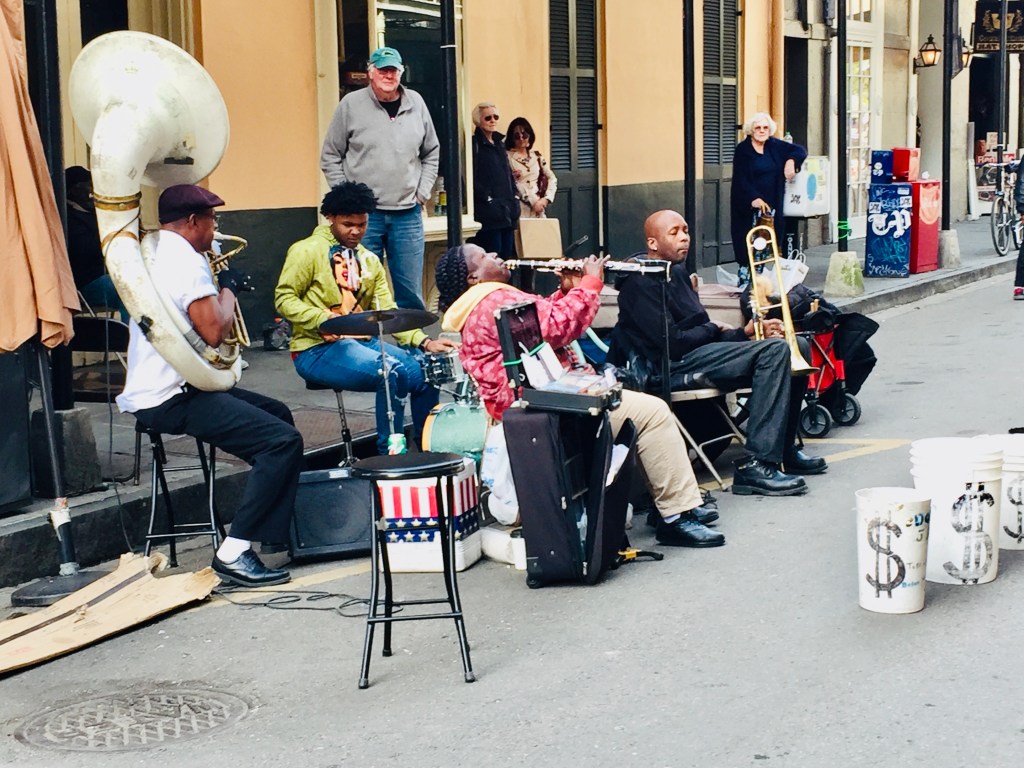
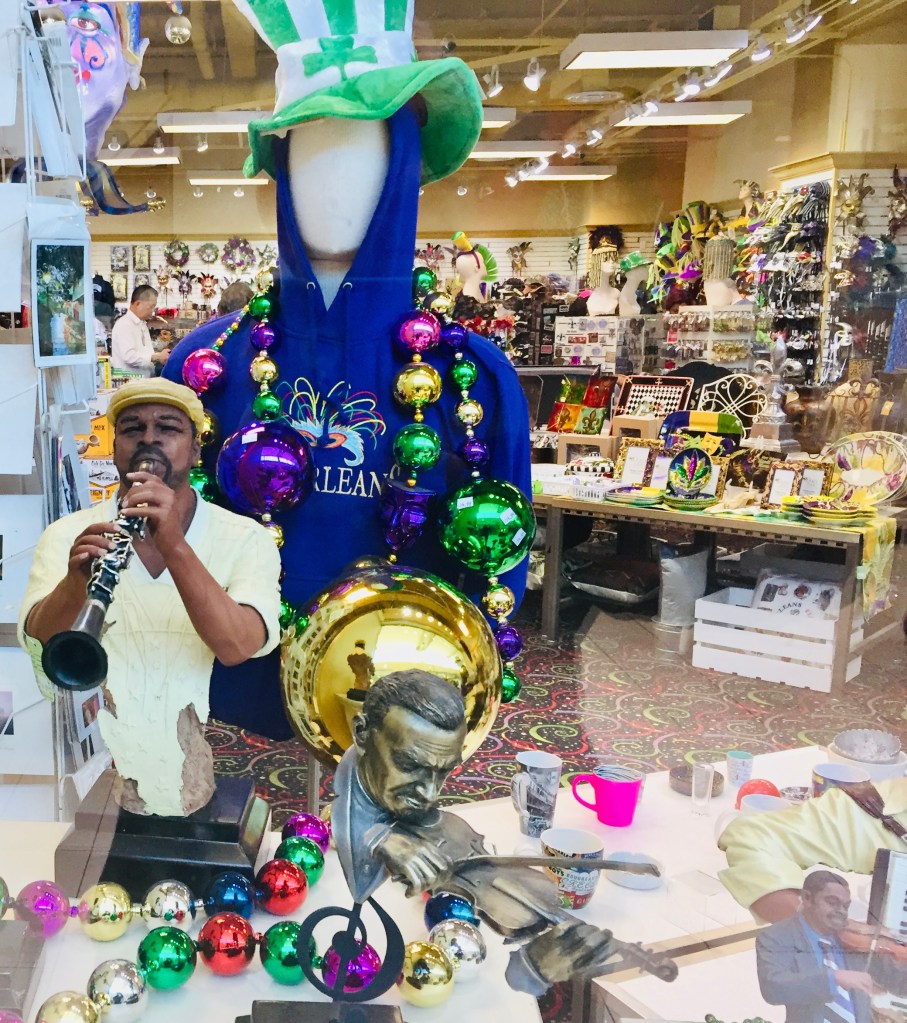
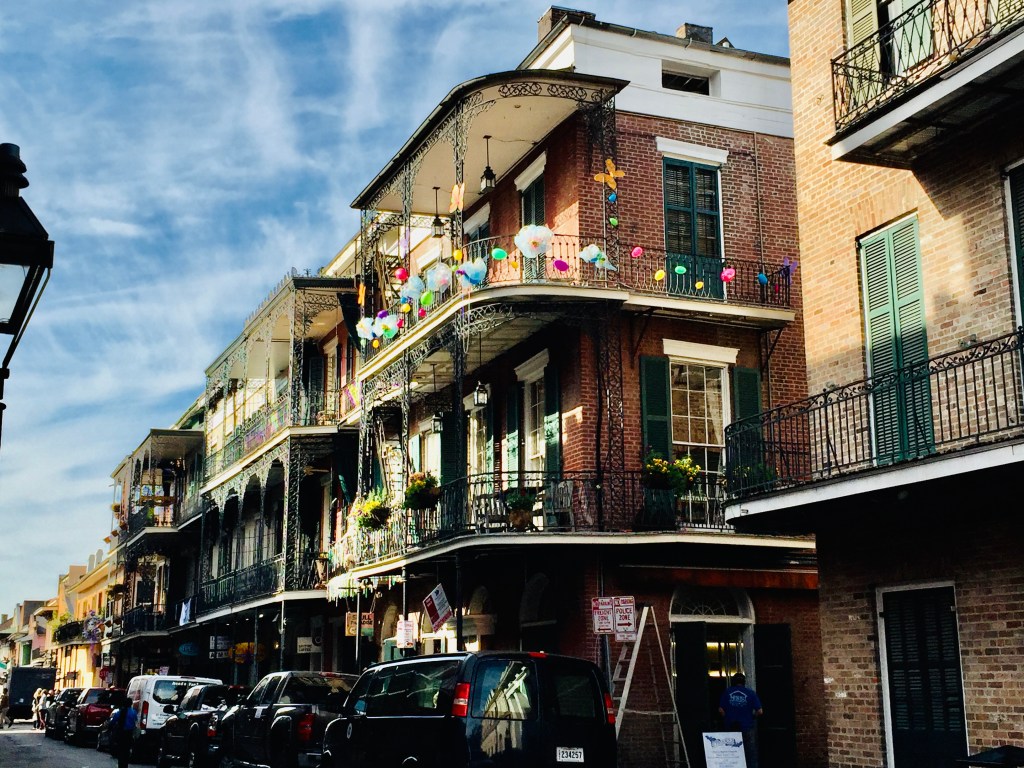
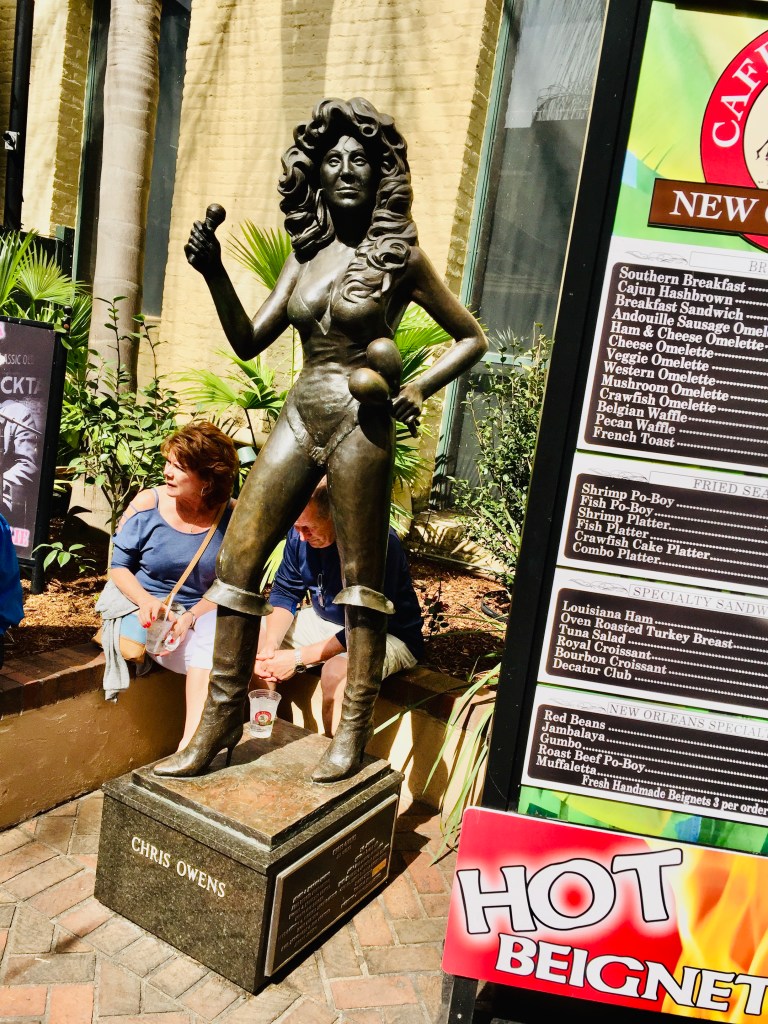
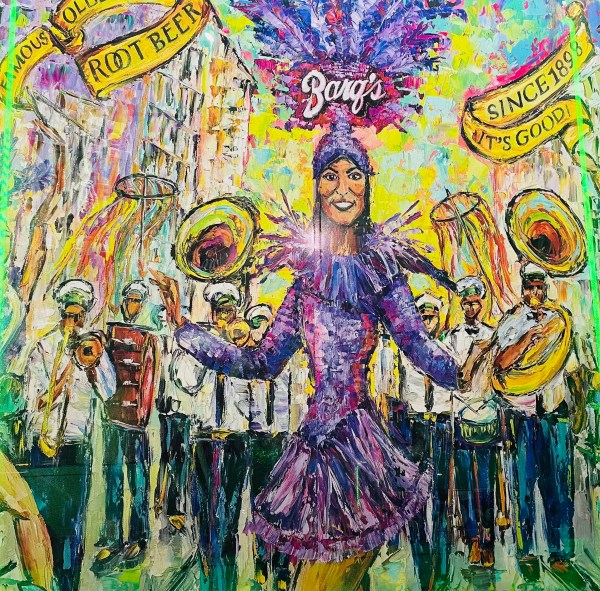
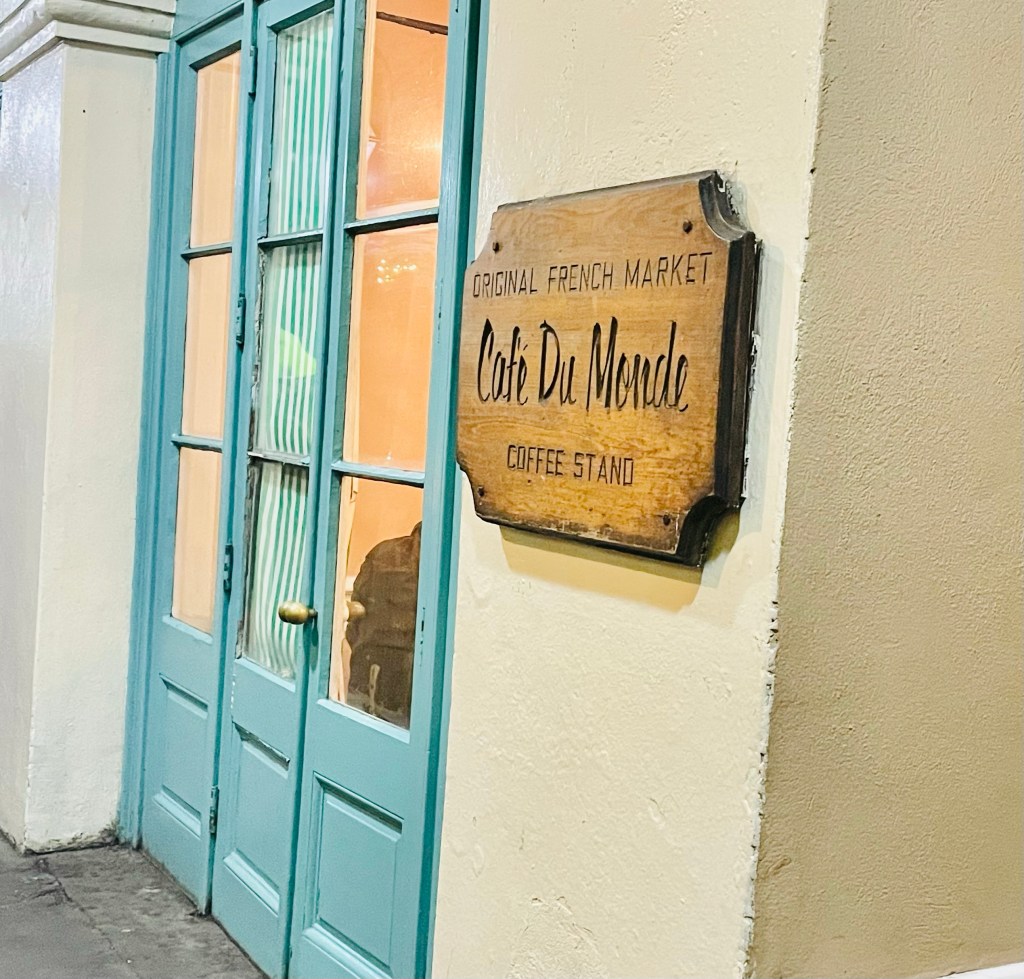
I know it’s only day time, but don’t assume you’ll be obligated to wait for a scheduled jazz show on touristy Bourbon Street tonight. For you can easily head back over the river now and let your ears guide you to any street band performances or an outdoor cafe “gig” around popular Jackson Square or the French Market where most likely you will not be obligated to pay. Too bad you missed jazz themed Mardi Gras this year, but you’ll get the idea of this immediate burst of jazzy excitement then by either doing some window shopping along Canal Street, staring at French latticed balconies along Bourbon Street, or perhaps engaging in some serious statue gazing at Music Legends Park further uptown.
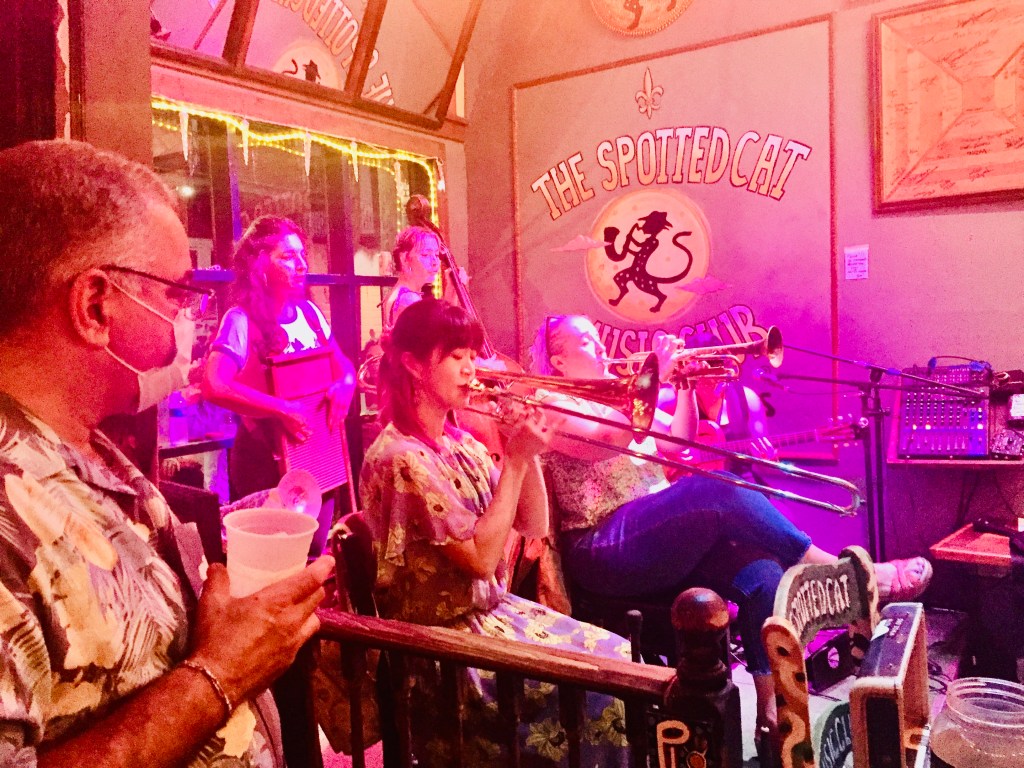
I figure you might be getting tired of walking so much now. So go ahead, it’s still early, and instead get on a local streetcar back on Canal and head northeast toward Frenchman Street where the “locals” might go to experience a quality jazz band performance when desired. While there are several venues to choose from, I would highly recommend the “Spotted Cat Club” early show at 6:00 pm. As you will likely be fully loosened up now by this intimate live performance, show your appreciation for this fun filled day of New Orleans jazz with a striking photo by a favorite statue. Enjoy the photos.
** Note that videos and photos were strictly forbidden at the Hamilton performance.
“New Orleans is a city you must visit when you’re young and foolish but return to when you’re wiser and still searching for your dreams.” (Edward Lee)
Let’s face it. Our human life lasts for a mere speck of time so we might as well take advantage of what we most enjoy at any stage of our life. No American city in my past travel experience thus personifies that existential adage of self-exploration for me better than New Orleans. So given my fervent devotion to studying authentic history, enjoying live music, and engaging in serious discussions of multicultural understanding as a blog writer and novice photographer, I present a brief chronicle below of some memorable “quality time” spent in New Orleans during our five day, mini- road trip last week.
To begin our vacation last Sunday, the decision to book a centralized lodging location downtown at the historic Best Western St. Christopher Hotel provided excellent reason to take to the streets nearby on foot to visit such popular tourist hubs as the bustling Canal Street shopping corridor, raucous Bourbon Street strip , as well the more serene shoreline environs abutting both sides of the Mississippi River. To further enhance this slow and easy approach to visiting New Orleans on this most recent occasion, we purchased an inexpensive transit pass allowing us three days of unlimited street car travel throughout the city. Beyond the Old Town proper to the west, we thus devoted an entire morning to ride along St. Charles Avenue and thereby absorb the historic antebellum look of pre- Civil War New Orleans. A second memorable streetcar excursion of interest brought us north of the downtown to the serenely forested grounds of City Park for an afternoon visit at the prestigious Museum of New Orleans.
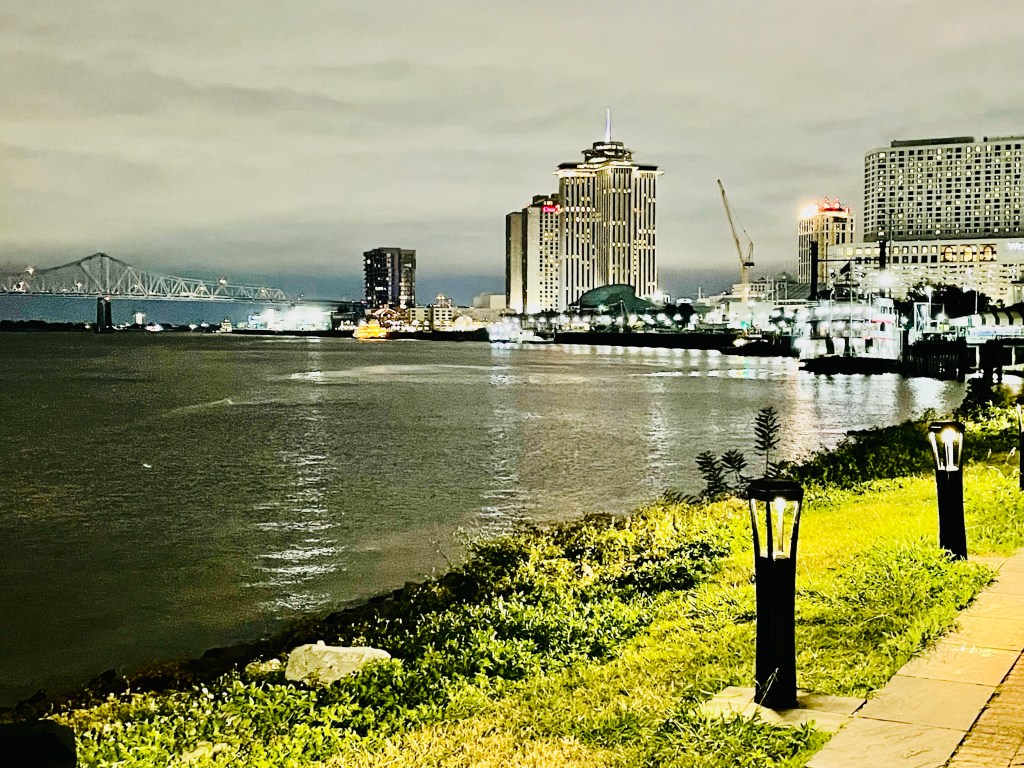
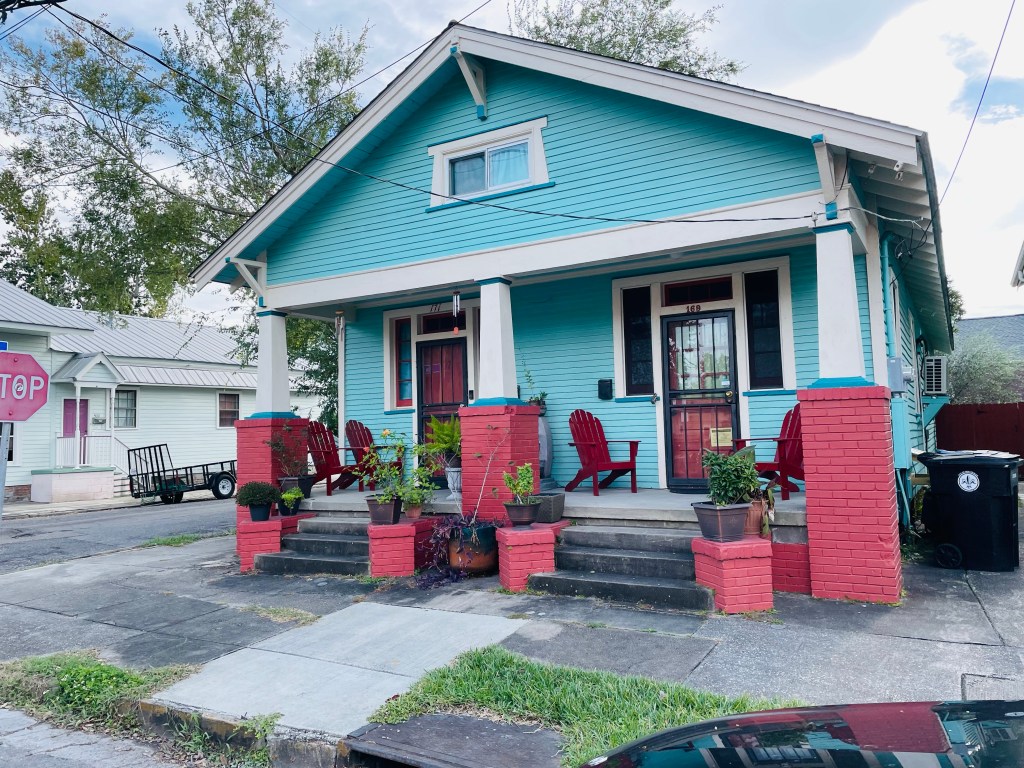
Our transit pass also granted us free passage across the Mississippi River by ferry to Algiers Point, one of the oldest existing neighborhoods in the city. Following a shoreline path labeled aptly “The Jazz Walk” there, we obtained some fantastic panoramas across the river of New Orleans downtown. Turning inland, our Algiers tour would continue with a curious look at colorful homes shaded with bright pastel colors in this quiet residential vicinity. Regrettably, however, for stomach intolerance reasons, neither Ruth nor I would take time to indulge in any spicy Cajun or exotic Creole food options so enamored by many New Orleans tourists during the course of these streetcar excursions.
Know as well that on the last day of our New Orleans vacation, a major highlight happened with my online purchase of two affordable tickets on Stub Hub at the last minute to experience “Leonid and Friends” in live concert at the House of Blues along busy Decatur Street. For upon being unexpectedly escorted to our seats that night in row one, less than ten feet from the stage, we enjoyed over three hours of masterful musical entertainment from one of our favorite horn bands.
As the winter holiday season approaches, I must end this blog with some timely human insight I experienced on this mini- vacation. For I notice a distinct, heartwarming spirit lingering in me upon reflecting back to our friendly encounters with such a diverse representation of people we met during our latest New Orleans vacation. For during street encounters with those being either male or female, black or white, affluent or poor, as well as young or old, I noticed a spirit of helpfulness and giving to all in this city that’s been so decimated by major hurricane disasters in recent years . May we be so fortunate to find a glimpse of such togetherness as we celebrate at home or away on this important American celebration in 2022. Happy Thanksgiving to all.
“ All flourishing is mutual ” (Robin Wall-Kimmerer)
Although Raymond normally looked forward to the upcoming Winter holidays, he seemed bothered about his recent decision to instead pursue a three month road trip vacation along the eastern banks of the Mississippi River region. For such a bold decision to journey elsewhere meant that this retired widower, who once prided himself on being a strong “family man”, would miss out on the joyous spirit of giving and receiving gifts and other holiday rituals at this festive time of year.
But frankly speaking, Raymond now tired of being “caught up” in the rut of such burdensome tasks as writing “Happy Holidays” cards and completing his long list of shopping and social obligations. So while this trip would be an honest test of his will to act as a more independent minded person, he’d also harbored doubts that such self – sufficiency could sustain itself over time. For there were some ” bottom line” indicators that Raymond ominously considered about this life change juncture such as how could he stretch the limits of his monthly budget plan to complete such a longer vacation and to what extent would he feel loneliness and social rejection upon neglecting his holiday commitments to others as normally expected. So with November approaching, Raymond’s introspective brooding intensified.
Fortunately Raymond found some insight about how he could best resolve his current travel crisis in reflecting why he performed a kindness ritual of hand feeding whole peanuts to friendly squirrels perched along his front condo guardrail each day. For as he found success in gaining the trust of these small critters every morning by way of these warm- hearted feeding gestures, he similarly reasoned that by giving more kindness to himself under his present circumstances, he’d be more confident to proceed with what he soon planned to do.
Know then that in the ensuing days, Raymond booked a comfortable Air B&B apartment near Vicksburg, Mississippi, adjacent to the slow moving shores of America’s largest river. In choosing to stay more positive about himself away from home, each day he might be satisfied to just sit down for a spell, enjoy a little music, savor the past, meditate some, or take a leisurely walk in this swampy wilderness to pass his time. But given his recurrent fears of being alone, now and then Raymond’s memories would revert back to those squirrel feeding times to suggest that he desperately needed to “reach out” in kindness to others as well beyond his own intensely private cocoon. He would thus begin an inquiry about places in town where he could meet and greet those in the local community and perhaps lend a hand to others as an eco- enthused volunteer. Who knows! The thought even crossed his mind then that he might find a fresh female companion to share new memories with him here.
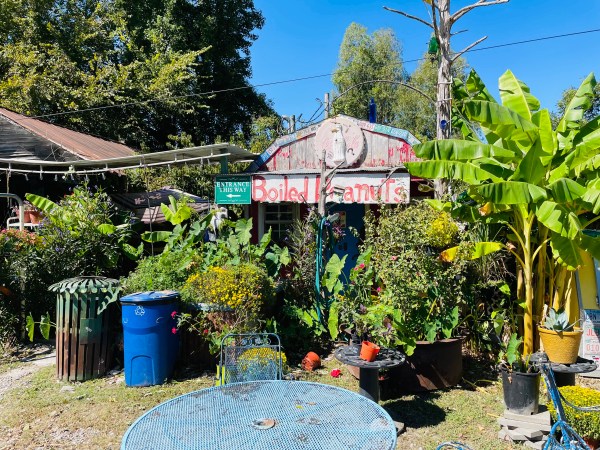
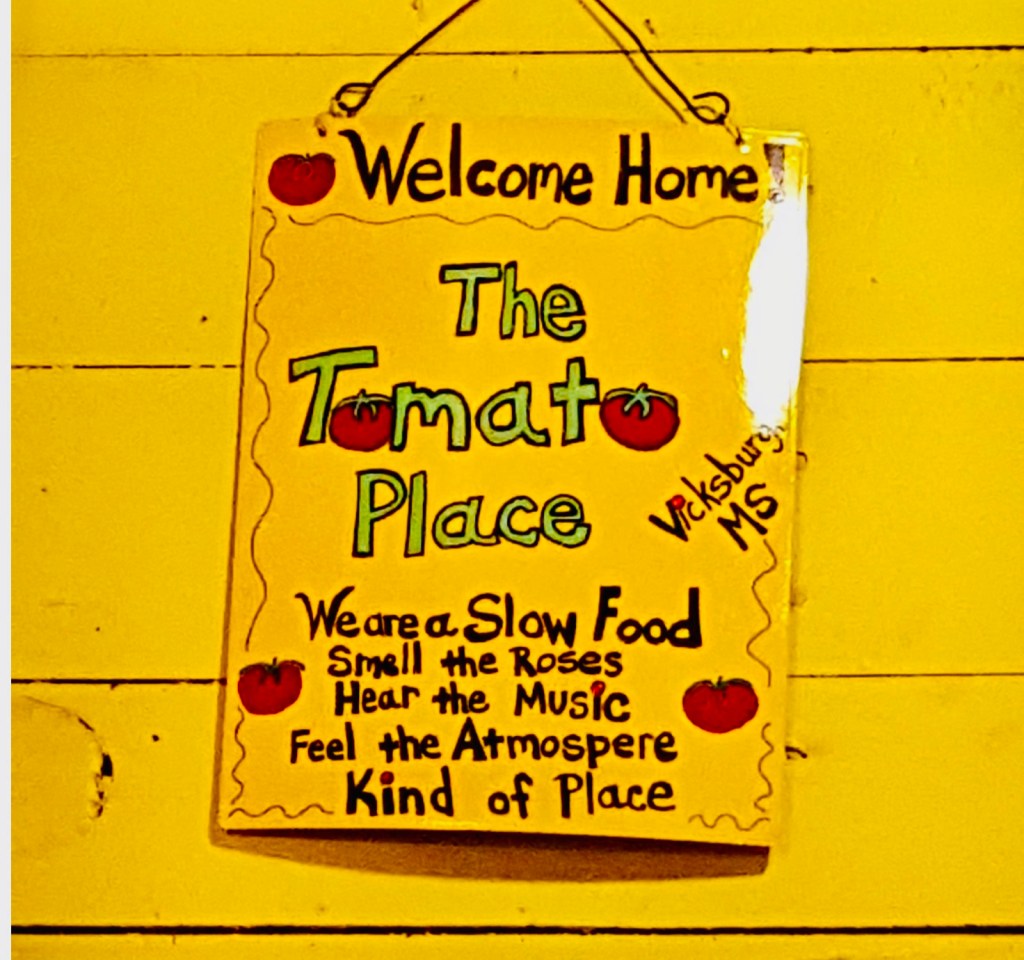
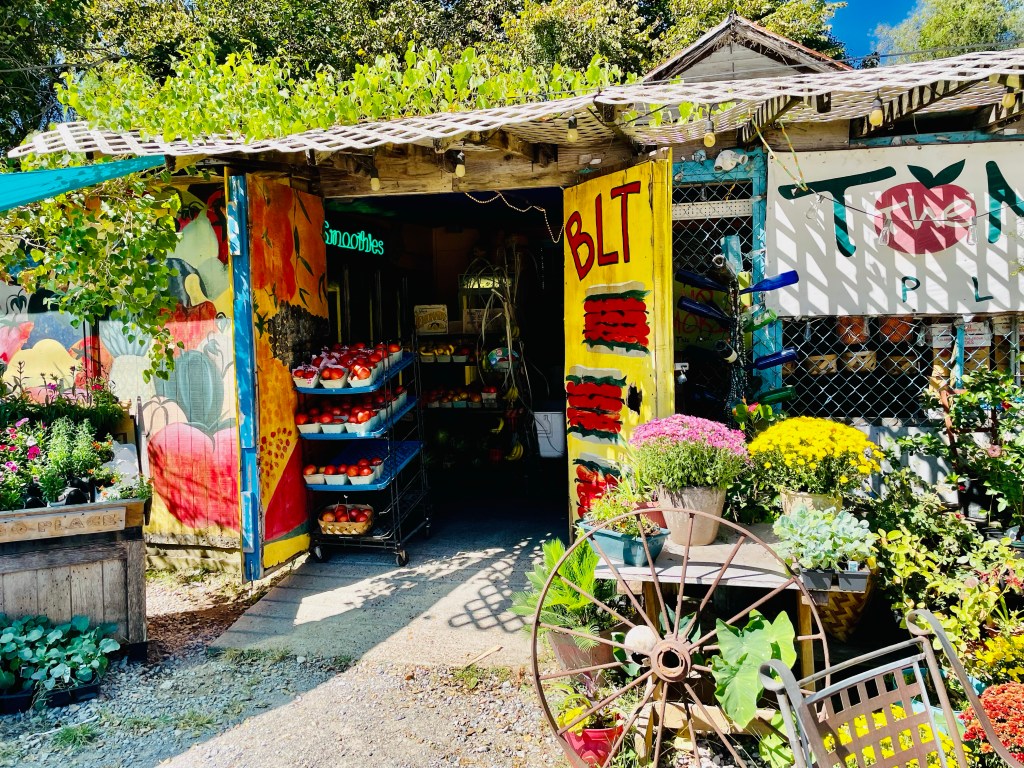
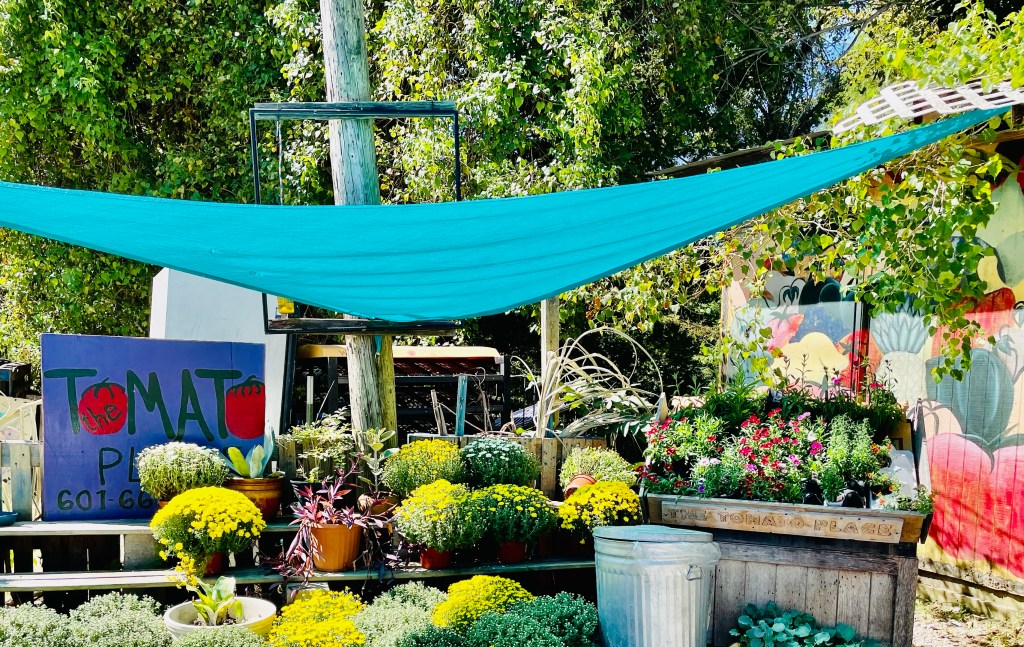
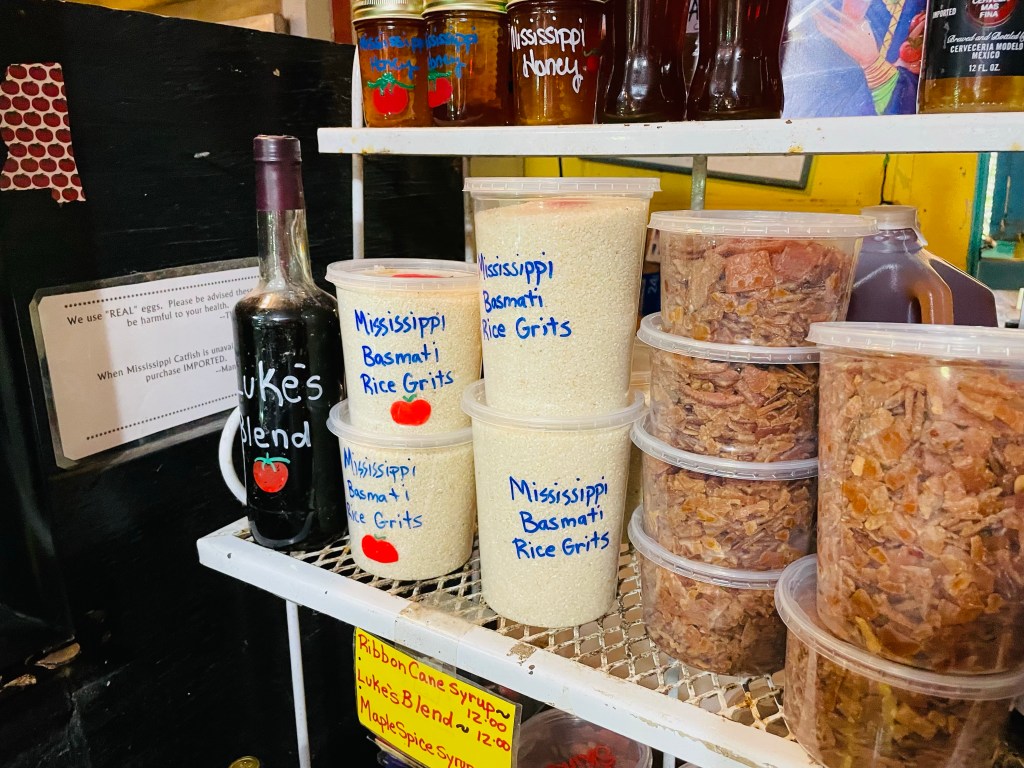
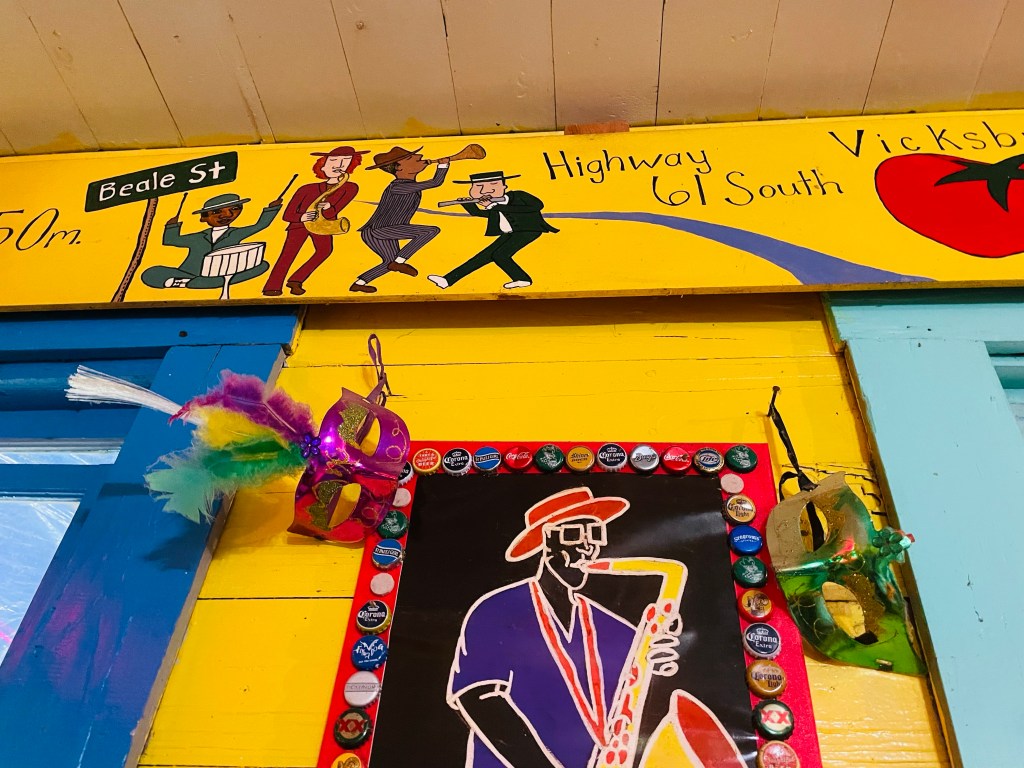
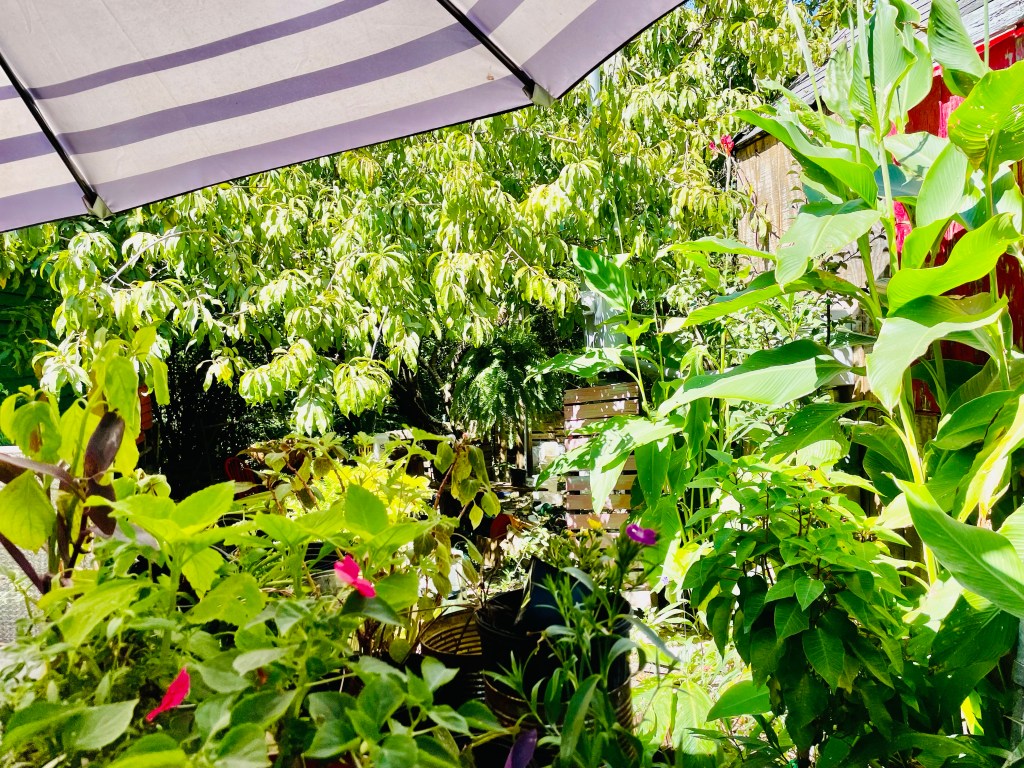
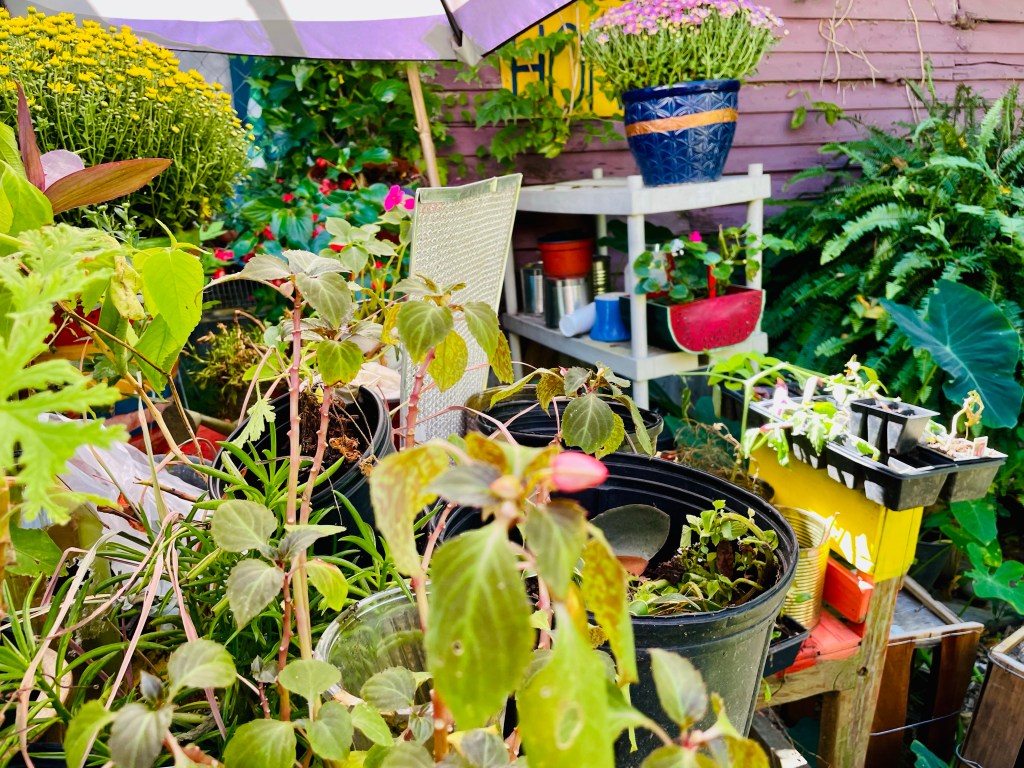
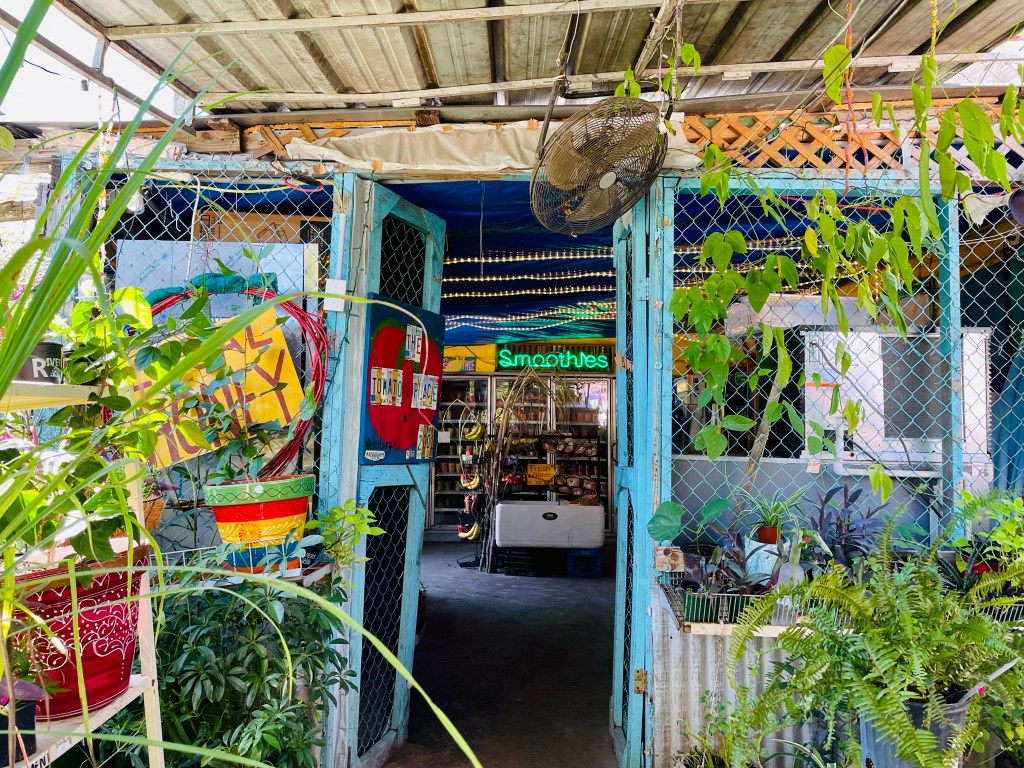
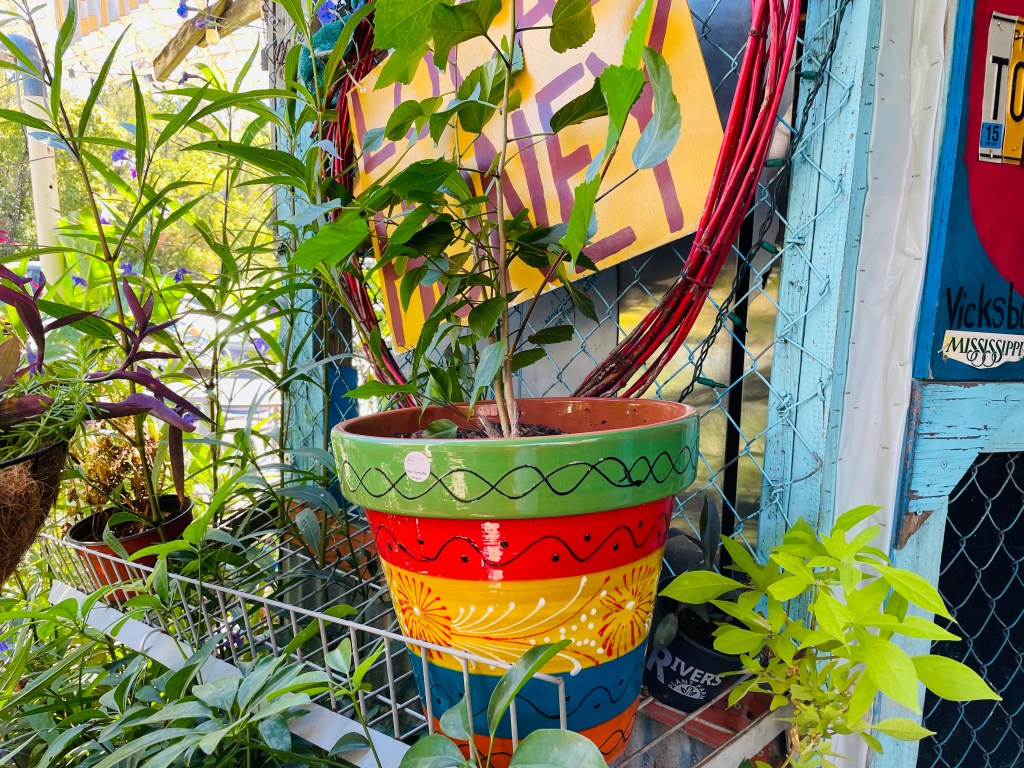
Thus it came to be that during a chance meeting one day in mid November at a gas station, he encountered “Old Man Ernie” a longtime local resident. Good fortune struck then when he obtained some tips from this stranger to check out an old fashioned, convenience store along Route 61 called “The Tomato Place.” So upon taking a first impression of the market’s nature shrouded entrance and adjoining botanical garden, Raymond curiously desired to take longer look inside the building. There he observed a unique combination of pleasing smells and sights of fresh produce and plant life taken from the surrounding land as well as took in an informal town gathering place filled with spirited holiday time conversation.
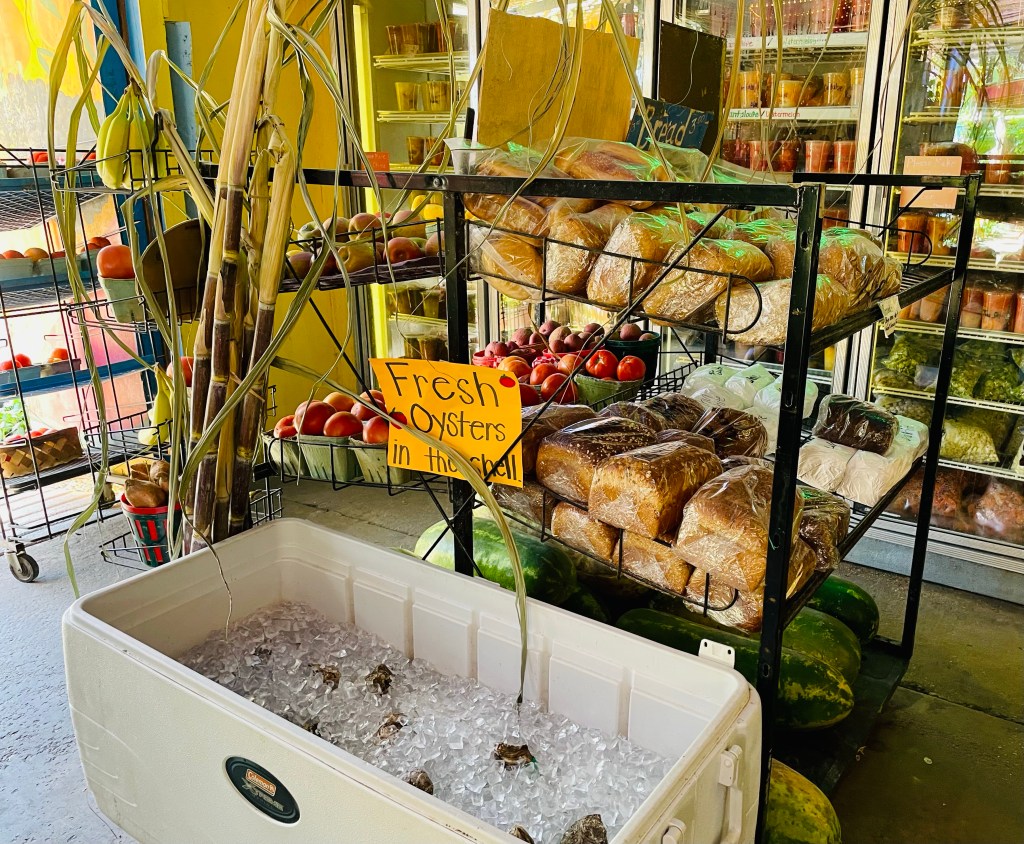
Unsurprisingly a few days later, Raymond took the initiative to volunteer his services to the “Tomato Place” manager, who agreed that he could be helpful to his business through the remaining weeks of his vacation. So on most afternoons, Raymond found work as a friendly greeter for any customers browsing around the storage racks filled with fresh holiday fruits, vegetable goodies and other homemade products stocked in the store. When not busy with this task, one might have caught him instead showing off a creative shrub or flower set in the garden or perhaps doing some pet sitting at times for new neighbors and friends. Seeing no reason to look back at his past life, Raymond would now be determined to make this friendly place in Mississippi his second home for years to come.
It’s clear to me then that Raymond’s sudden change of life status suggests a reconsideration of how we might best engage in those simple acts of kindness toward ourselves and other beings as we approach 2022’s holiday period. Enjoy the photos of “Tomato Place in Vicksburg, Mississippi.”
“ A man growing old becomes a child again. “ (Sophocles)
At this more mature stage of his life, Jackson, a retired architect , recollected fond memories of his happy childhood growing up over fifty years ago as an only child in suburban neighborhoods near Akron, Ohio. He also realized his close family ties with two, hard working parents who professed faith in the “American Dream” which prophesied that while tough times lay ahead to raise a family on limited financial means, life would eventually turn out to be richer and fuller for everyone. So by virtue of inheriting such stubborn family optimism in times of crisis, Jackson reasoned that those current memories about his Ohio childhood would be clouded by more of the good than the bad he faced over these life formative years.
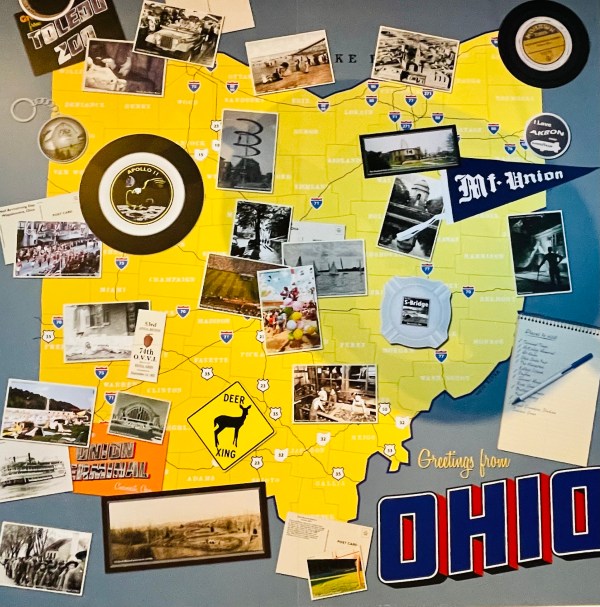
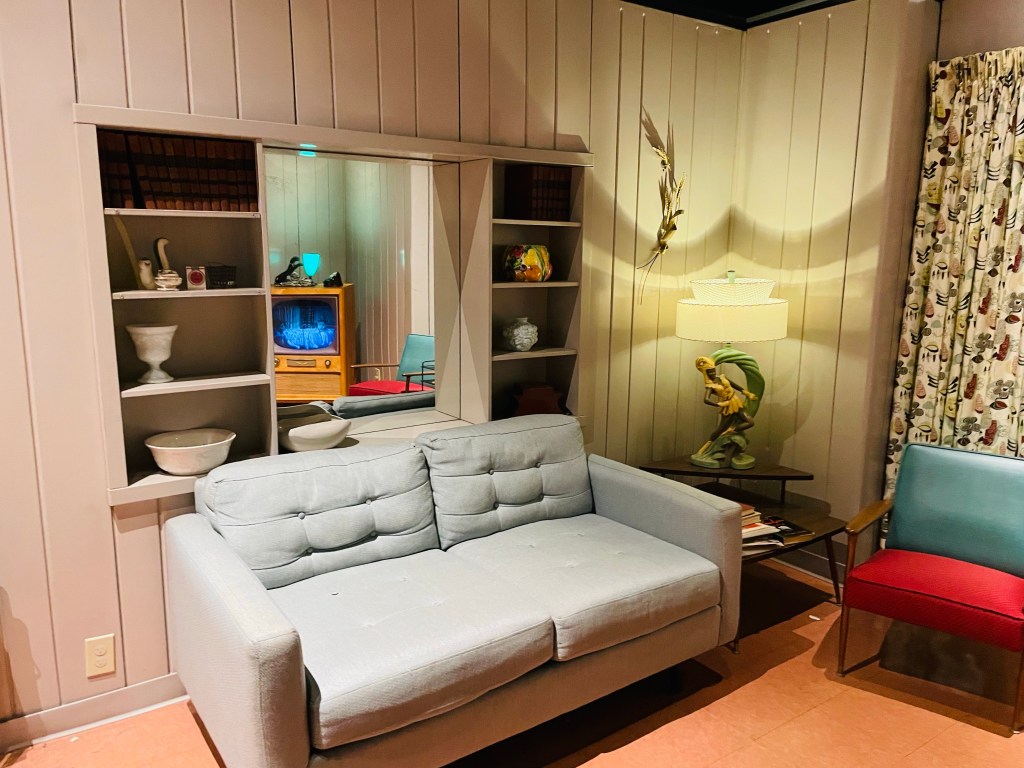
So with such self-bias in mind, Jackson knew “full well” why he had accepted a volunteer position at the Ohio History Center in Columbus a few days ago. For he deeply desired to re-experience how happy he once felt in a more youthful time of life as he conducted scheduled morning tours for museum visitors at the exhibit titled aptly “1950s: Building The American Dream”. For during these daily rounds that he walked through the museum with such strangers each weekday, he recollected three consequential values that most contributed to his joyful experience of childhood life back then. Seemingly, nothing could stop Jackson from frequently framing such nostalgic daydreaming moments around each of these qualities he currently missed in his life right now.
1. Life Seemed Simpler
Picture a typical day in Jackson’s life then as a child when he seemed driven to seek free time without benefit of today’s complex Internet explosion and associated digital technology Revolution. So it seemed with a smaller range of choices to amuse himself in the 1950s, a simple yo- you, jump rope, or marble set could occupy his undivided attention sufficiently for a while. Or during those impatient evening waits for his mother to fix the family their TV dinners on a slow heating stove, he might turn on the black and white TV in their cozy living room whereby only two or three stations would be available to watch. After dinner, he might opt for more quiet leisure time in this section of the house by pulling out a trusty encyclopedia volume and thereupon plopping lazily on the sofa to read up on a famous biographical hero of his current liking. Perhaps when more privacy was needed, he would politely excuse himself to his small bedroom. For then he could feel free to put on a couple 45 r.p.m., rock n’ roll records on his “turntable” or perhaps settle into the slow pace of a Cleveland Indians ballgame on local AM radio.
2. A Neighborly Spirit Prevails
In Jackson’s tightly knit, blue collar environs, everyone seemed amenable to trust and friendliness toward each other. For one, he no doubt noticed that residents often left their front doors open and unlocked. When venturing outside, he might also have observed how this amiable spirit continued during impromptu social gatherings. Perhaps an ice cream van would ding-dong along in the distance to announce its it’s tasty treats as neighbors patiently “chit -chatted” on front lawns awaiting the truck to turn on to their street. Or on any given sunny weekend, community “buzz” might spread beforehand that a picnic outing for all to share might be taking place soon in one family’s unfenced back yard. During holiday time as well, John no doubt recalled fond memories of friendly neighbors filling kids Halloween bags with candy, Christmas Carols being sung house to house and of course those “open house” feasts of food and spirits on New Year’s Eve.
3. Dare Oneself To Act Curiously
Jackson grew up in the post World War II era of the “nuclear family”. Being thus a “latchkey” child victim of these times, his mother’s heavy housewife duties and his father’s long working hours left the likely scenario that they would not be able to give him much “quality time” with them at home. So how did he manage such a less scripted routine each day? In particular, how did he nurture his personal interests with out being “micromanaged” by meddling adult role models? You might say then in both cases he took some worthwhile risks of sheer adventure during this period that ordinarily he might never have attempted in a stricter family environment. Climb up the tallest Oak tree to to reach its highest limbs, proceed to the heights of the steepest hill for a fast downhill sled ride, ignite flammable substances in a kitchen bottle to watch it amazingly explode, or fiddle with the buttons in the center console of a flashy parked car knowing full well that he would have no business sitting inside it. Fulfilling these curious desires in such ways was his “modus operandi” of these times.
By the way, Jackson wants to share with you today some of his favorite photos of this 1950s display that he savors each day at the Ohio History Museum


































































You must be logged in to post a comment.