Cleveland: A Blast Of Rock & Roll Past


“It’s been a long time since I rock and rolled,
It’s been a long time since I did the Stroll.”
Ooh, let me get it back, let me get it back,
Let me get it back, baby, where I come from.
It’s been a long time, been a long time,
Been a long lonely, lonely, lonely, lonely, lonely time. Yes it has.” (Led Zeppelin, Rock and Roll)

In spite of my inevitable emergence into the dreaded senior years of life, a steady dose of “rock and roll” fuels a renewed sense of youthful vigor these days. My friendships, it seems, share a similar anti- aging disposition. I think of my sports buddy in Santa Cruz California, for example, whose fanaticism for buying/selling oldies albums grows into a productive source of extra income after retiring as a teacher. Or I contemplate my spirited lunchtime chats about rock &roll legends with a former professor colleague in Fort Lauderdale who delivers popular lectures at a local Jewish Community Center about famed rock icons of the past. Social media interactions with my baby boomer Facebook friends daily also reveal a heavy bias toward classic rock postings of upcoming concerts, You Tube video clips, and nostalgic slang/paraphernalia.

As for me, a travel heavy lifestyle keeps rock music most relevant as I strive to search online ( eg.Stub Hub and Bandsintown…)for live concerts to book in conjunction with road trip itineraries, weekend “getaways”, cruise shows, and European festivals. Fittingly then, my short visit to Cleveland Ohio, last week, would provide plenty of magical musical moments in my latest visit downtown to the Rock & Roll Hall of Fame. I urge you now to this settle into the musical vibes of “Cleveland Rocks” in the following photographs.

The intense Southern croons of Elvis Presley, the “King”, evoke timeless memories of his musical greatness at the Rock and Roll Hall of Fame.

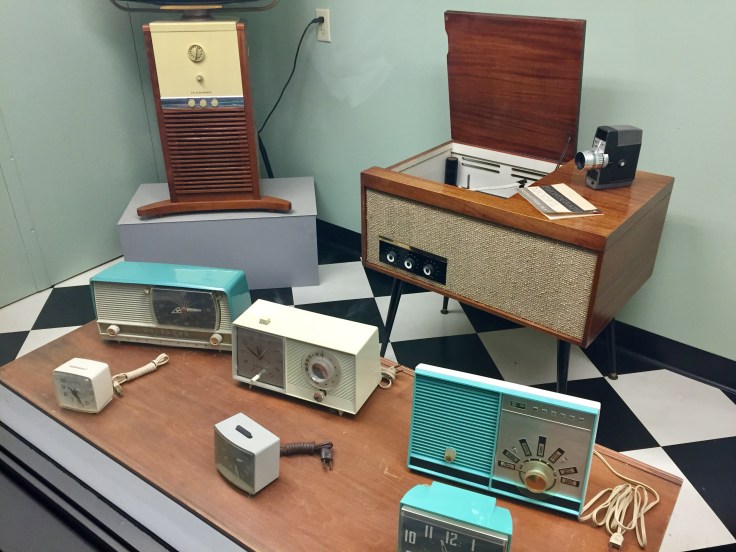
Cousin Brucie rolled the AM radio waves with rock&roll madness on date night Saturday’s as simulated on this music box.

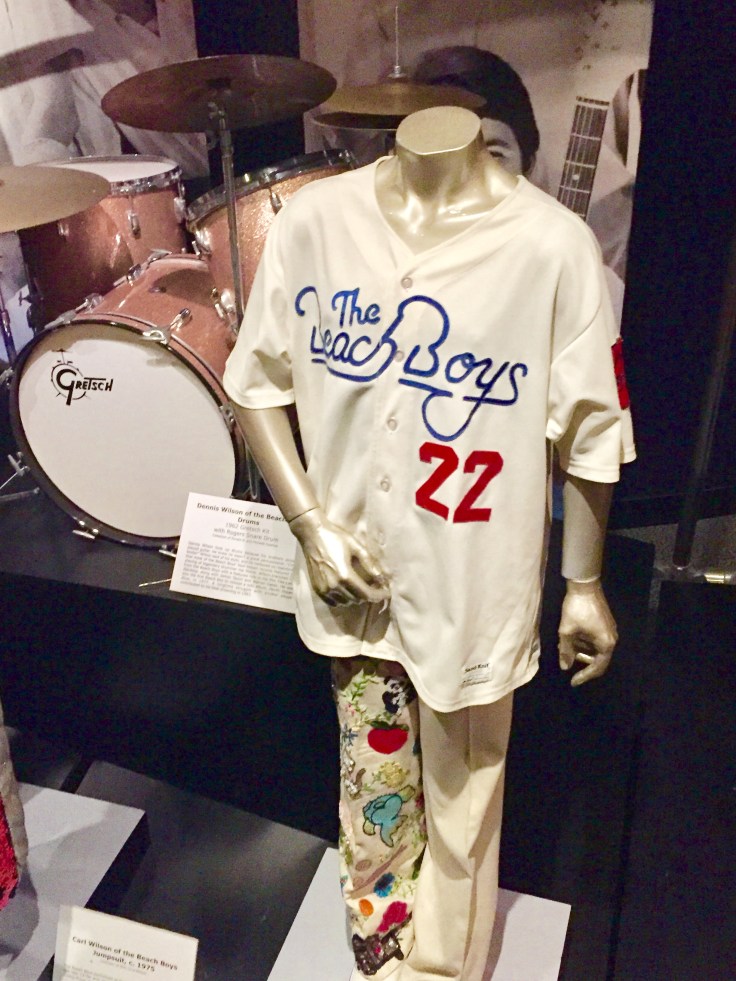
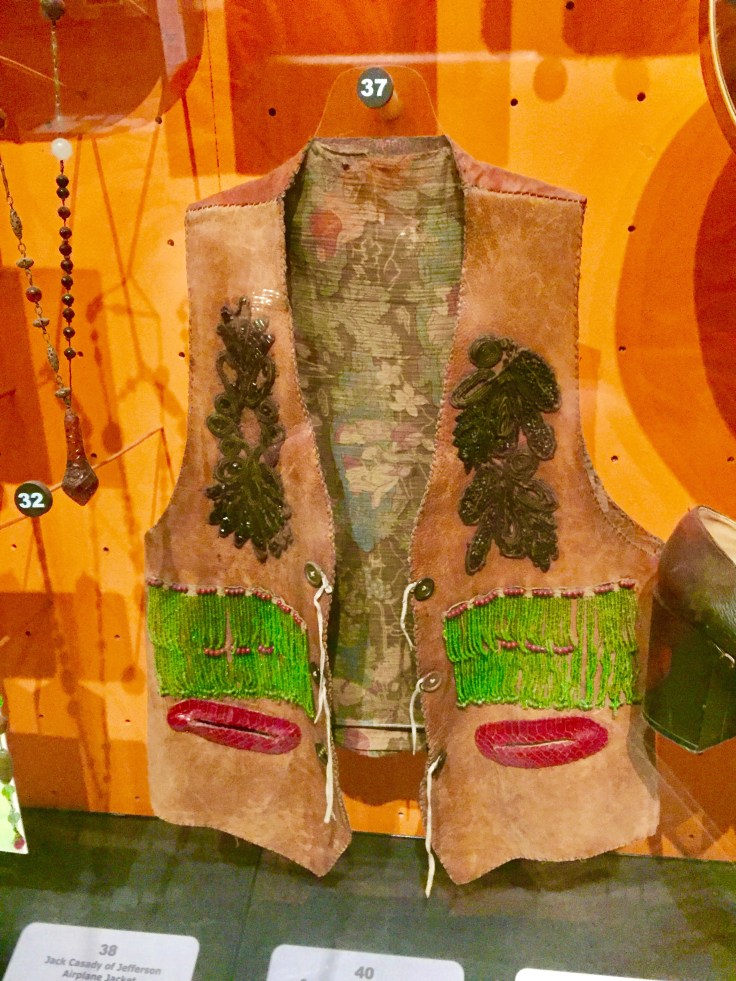
Historic galleries here revealed that dressing for the part of rock and roll stardom in the past required creative imagination.
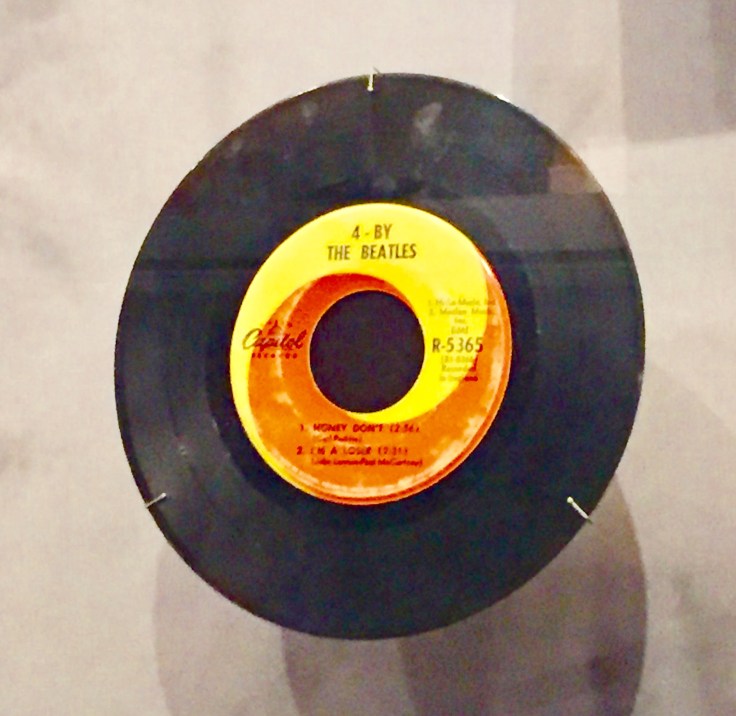
With teenagers buying 45 rpm records like this Beatles song in mass, early rock & roll appeal spread widely throughout America via record players and jukeboxes
So did “boombox” blasts from cassette tape cartridges later.

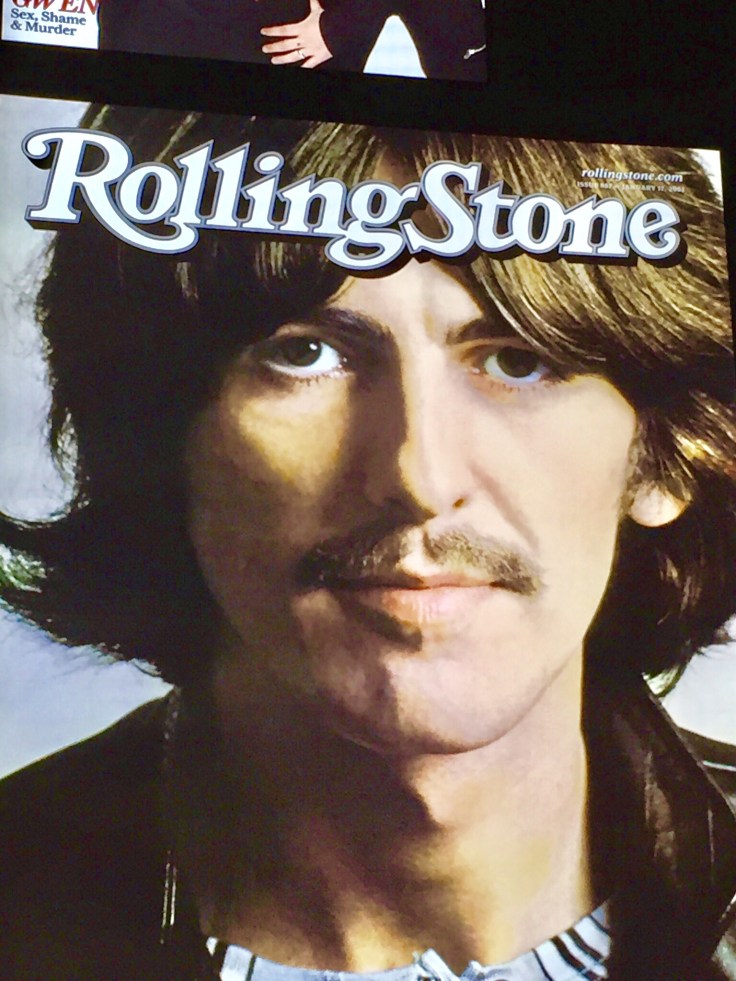
If you were cool to rock & roll music you often read Rolling Stone Magazines like the ones displayed in this exhibition.
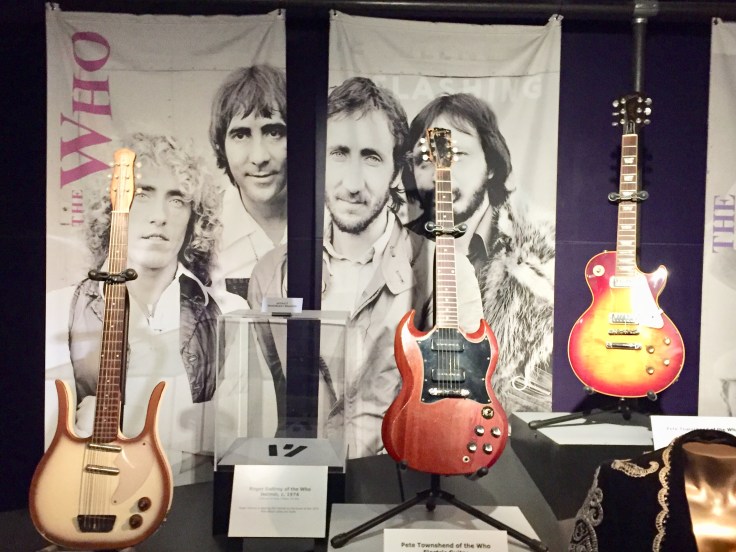
Vivid memories of “The Who” presence in this gallery reminded me that a guitar never seemed safe from physical destruction at the end of their “gigs.”
An eye catching poster such as the the one shown here would often promote an upcoming live performance before the advent of the Internet.

In today’s times at the Rock Hall “Garage”, you might even create your own musical “riffs” of classic rock & roll tunes.

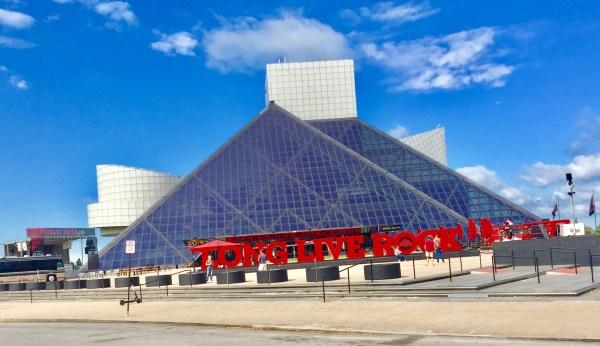
Or visit downtown Cleveland and re-embrace in an open arena setting the “retro” aliveness surrounding a classic rock & roll concert.

Quebec City: A Charming Embodiment

Quebec City is the most European of any city in North America, they speak French all the time. There is a part of town called Old Quebec which is really like being in France. The architecture is just gorgeous, food, shopping. I’d say Quebec city is the most beautiful city in North America I’ve seen.” (Sebastian Bach”)

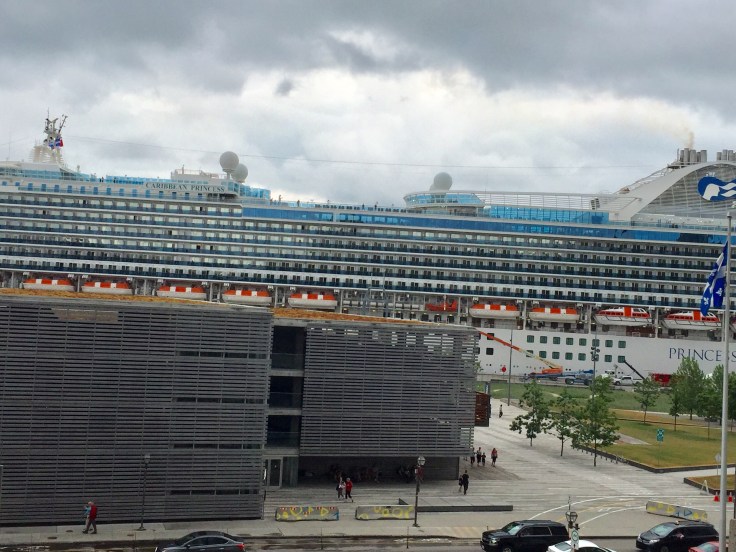
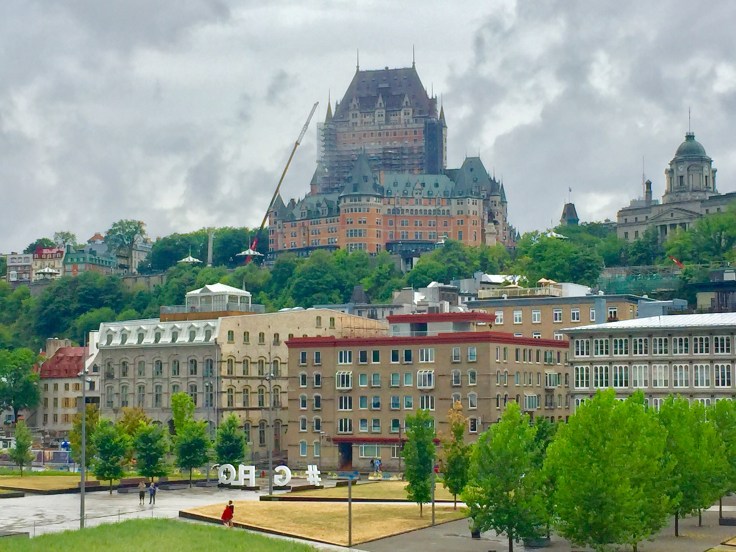
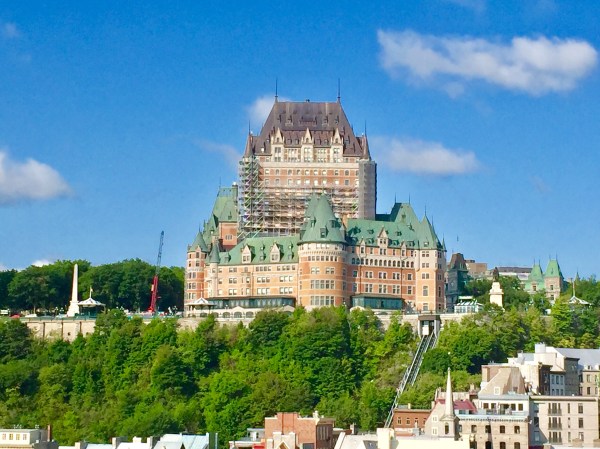
We’d reached the end of our sixteen day cruise in late summer and eagerly awaited a relaxing, four day conclusion to our latest vacation in historic Quebec City. Seeing again the majestic towers of the Chateau Frontenac Hotel, as we sailed in along the St. Lawrence Seaway, I quickly re-imagined our youthful frolicking in a winter holiday wonderland during our first trip to Quebec City in the late 1970s. Vivid memories of those exhilarating moments for us remain. In walled section of medieval Vieux-Québec, I recall wandering aimlessly with playful naïveté at the time as we felt true romance in sharing a dripping cheese fondue over a warm fireplace then. I also flashback to admiring images of stately carriages hauled by horse and buggy in bitter cold air. Strong memories also survive of us getting lost in the narrow cobblestone streets with limited direction/distance tools to follow as steep hills provided little challenge to our youthful vigor.

Being now seasoned travelers in our early retirement years, we realized with optimism that our enduring resolve to settle into the present moment of travel would provide a similarly satisfying visit to Quebec City in late summer 2019. In particular, I would thus feel free to set out on my own to seriously photograph historic landmarks around Quebec while my wife could embrace the social company of her Canadian friends. You might then say that our 2019 Quebec visit provided a successful test of the enduring strength of our 40+ years marriage as we mutually respected each others differing sightseeing interests in a non- possessive way Enjoy the uplifting spirit of Quebec City “now” in the following photographs.

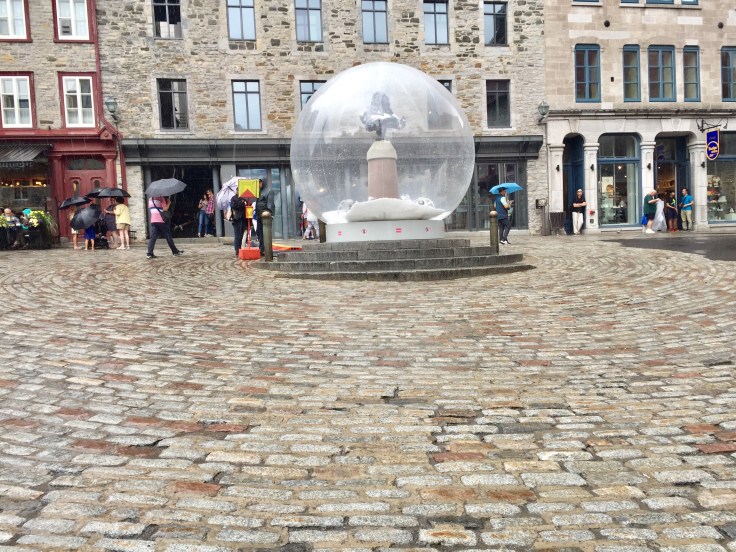
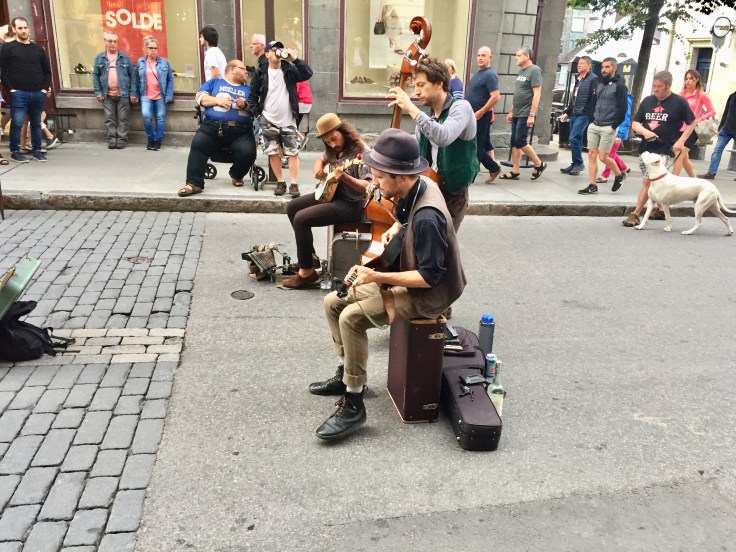
On this cruise visit to Quebec City, we cut short our first city walk on a cold and drizzly summer morning.

Yet in spite of such foul weather, spectacular artistry designs captured my photographic attention there.

Facing a steep climb in North America’s oldest walled city, I gazed with wonder at the unfolding panorama of Vieux-Québec.

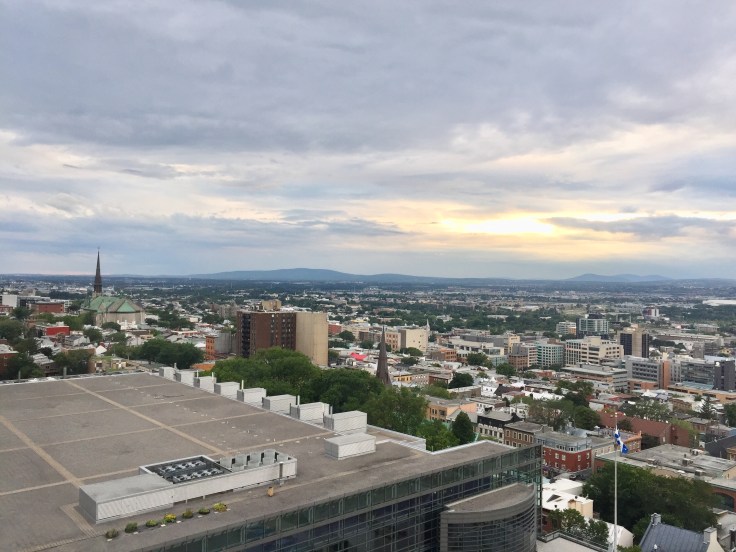
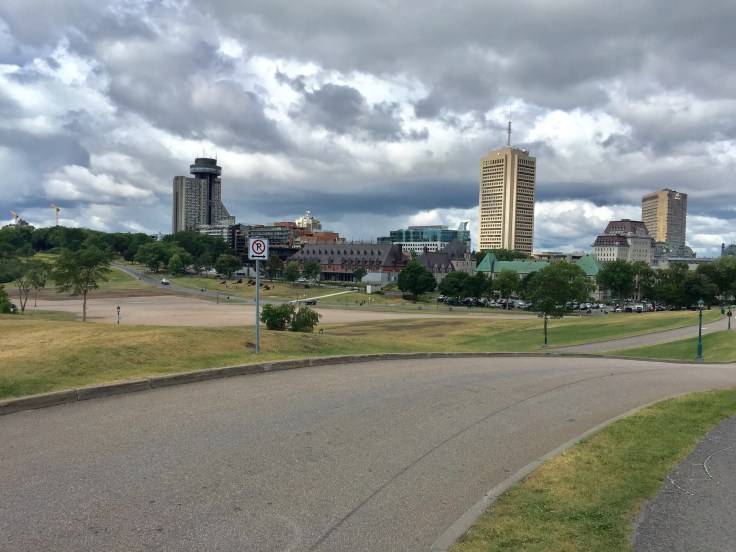
Booking a four night stay just outside the old city walls at the Hilton Quebec, our 12th floor suite offered gorgeous views of the Quebec City regional skyline.

Taking strenuous walks from the Hilton to and from the old city each day offered us plenty of cardio activity.

Our Canadian friends, Fabienne and Claire accompanied us on a long walking tour along the St. Lawrence River via the historic heights of the Plains Of Abraham.

Descending by steep steps to a shaded board walk below the Hotel Chateau Frontenac came impressively into view.

I’m not known for window shopping in our city travels, but this display caught my interest for sure.

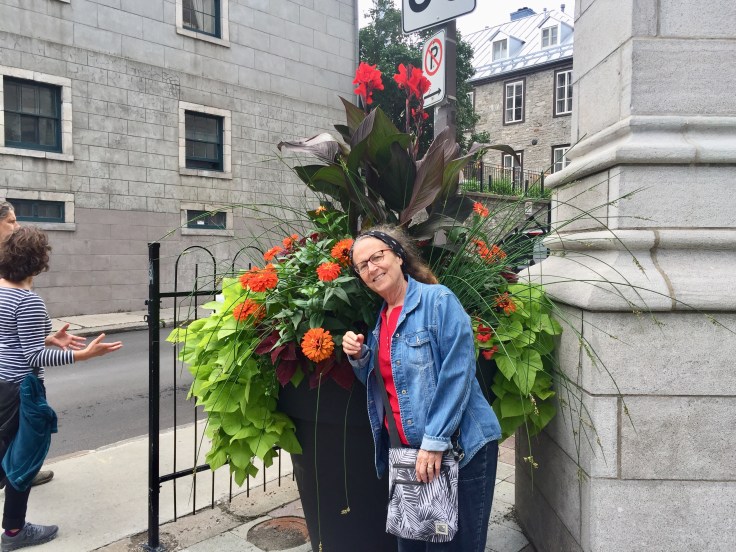
So did the colorful sidewalk displays of late summer flowers.

Admiring the impressive medieval facade of the Chateau Frontenac, we took a curious peak at its lavish interior.

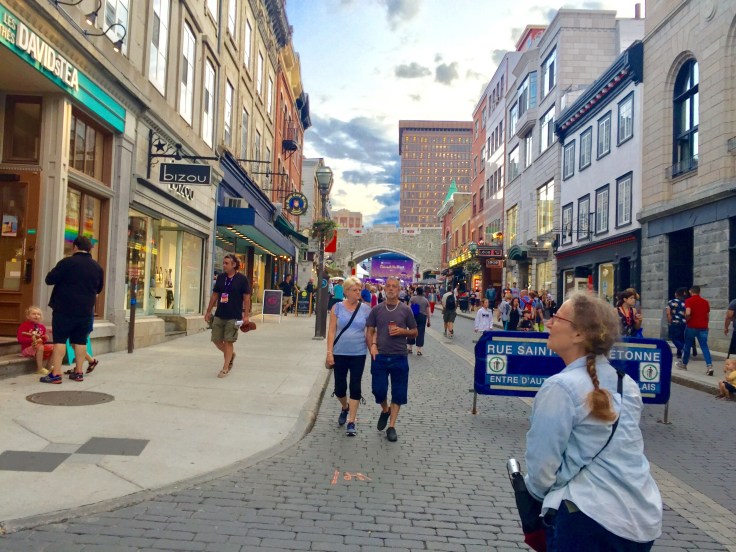
Reentering Old Quebec, we passed  through the old city wall. A sentimental saunter amidst the lively cobblestone streets of Vieux Quebec then provided a romantic twist to our latest visit.

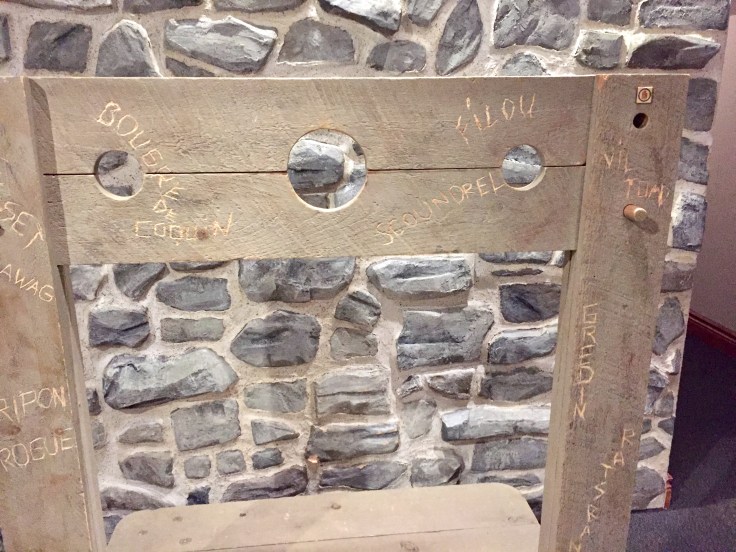
At the Plains Of Abraham Museum, l experienced the sounds/sights of colonial era warfare associated with the British invasion of Quebec City during the French and Indian War.

Outside the museum, a short path led to the restored ramparts of      “ The Citadel”, marking a key site for French defense of the city from British control in 1759.

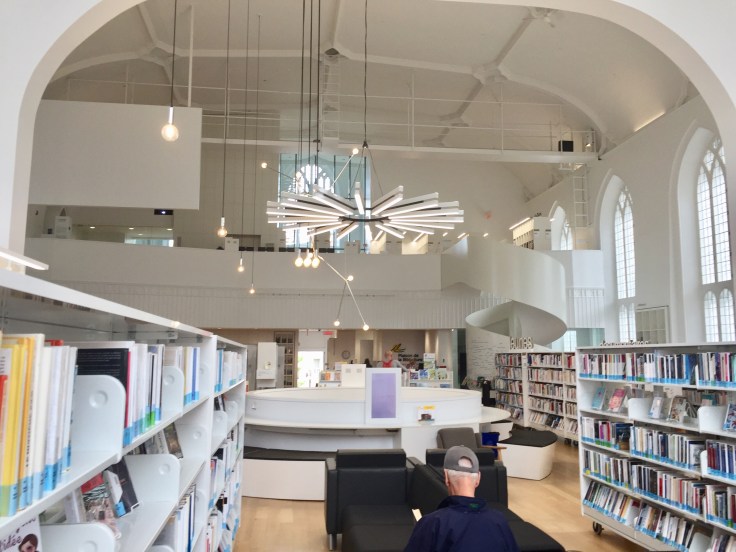
I noticed how an imaginative redesign of a historic church could now function as a modern library.

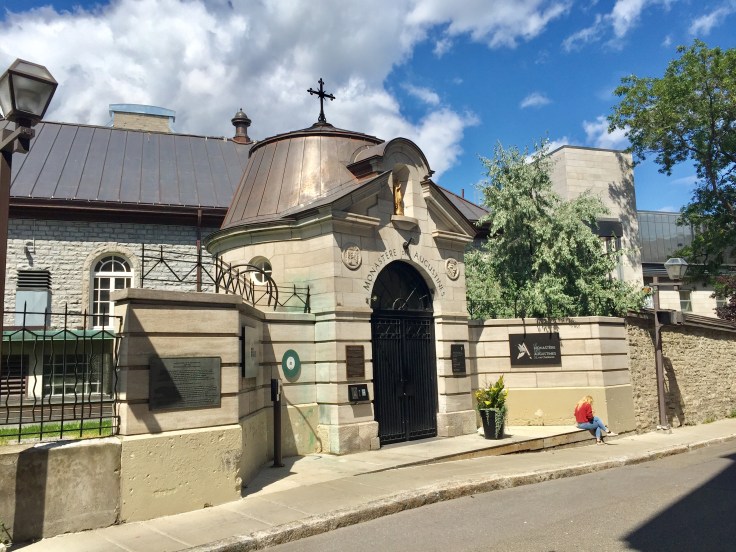
As an esteemed center of wellness provision in Quebec City, Le Monastery des Augustines provided a celebratory setting of healthy food options for our last meal in Quebec City.


Magnificent Maritime Motion

When I’m in Canada, I feel this is what the world should be like.” (Jane Fonda)

Sometimes a wandering mind can render direction or distance guidance virtually useless. For in restraining oneself from scheduling a designated path to a destination, interesting sidetrack discoveries surprisingly appear. So as Ruth and I observed cool, sunny weather, as we reached the most northerly portions of our recent cruise along the Atlantic seaboard, we opted to ignore guided tour temptations and simply walk on our own ashore.

Spontaneous sightings quickly arose then along our itinerary of one day stopovers in maritime Canada. Along the shoreline, a festive, local flavor took place as we ambled short distances from our cruise ship. Further inland, our steep climbs uphill would find immediate rewards of spectacular panoramas of downtown skylines. Wandering around through “Old Town” districts, we savored authentic treasures along narrow streets reminiscent of past British rule. To slow down our pace in the rising heat of summer afternoon, a shaded park bench to rest inspired captivating glimpses of nature’s glory. Heading back to our ship with some time to shop, we feasted our eyes on inexpensive buys at outdoor markets filled with eager local merchants.

In the spirit of these serendipitous cruise memories, then, I thus offer the following photographs for your enjoyment.

SAINT JOHN, NEW BRUNSWICK

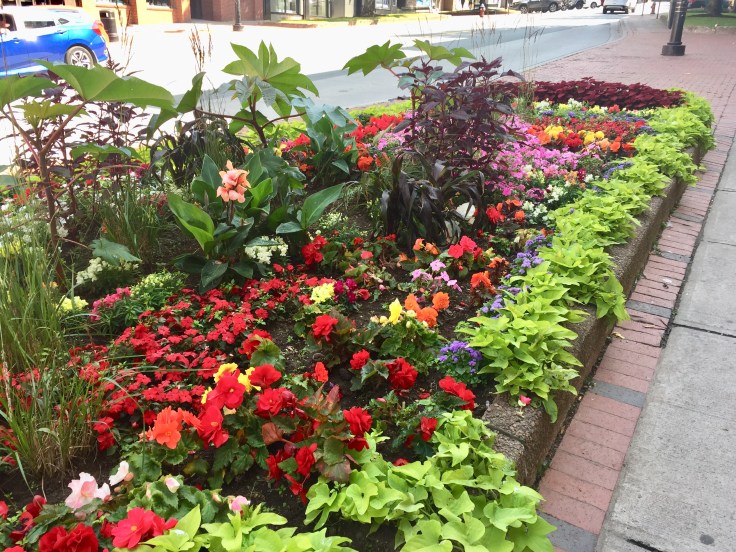
As we exited our cruise ship in Saint John Harbor, I immediately noticed the fresh summer profusion of summer flowers lining streets into downtown on this quiet summer morning.

Taking a short but challenging hike uphill, Trinity Church remains as an impressive landmark of past British Loyalism in St. John.

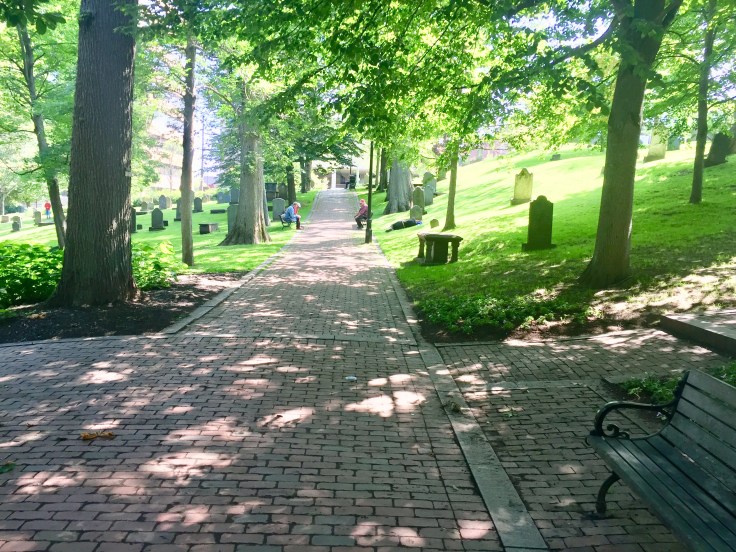
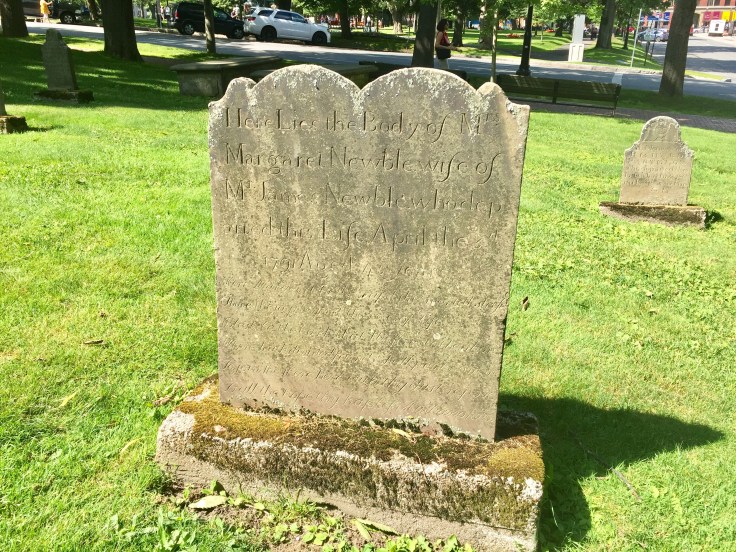
Nearby the church, we took a short rest surrounded by the eerie sight of the Old Loyalist Burial Ground.

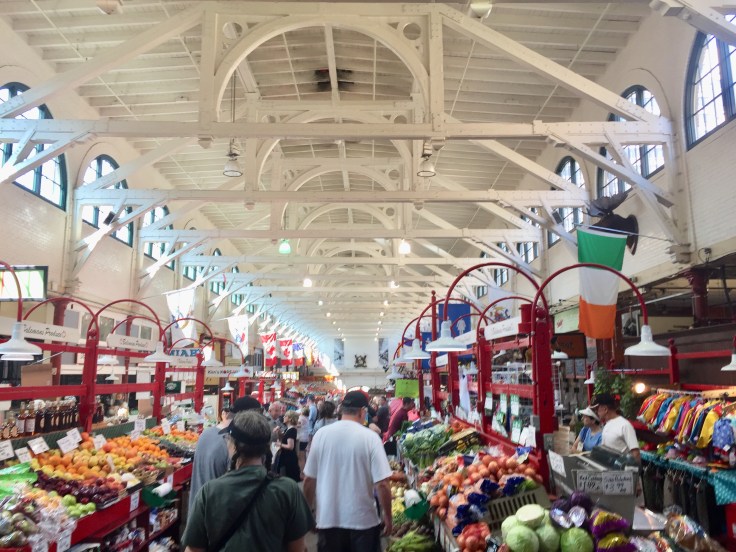
Touring City Market, we noticed an old industrial warehouse now functioned as a bustling shopping corridor for local wares.

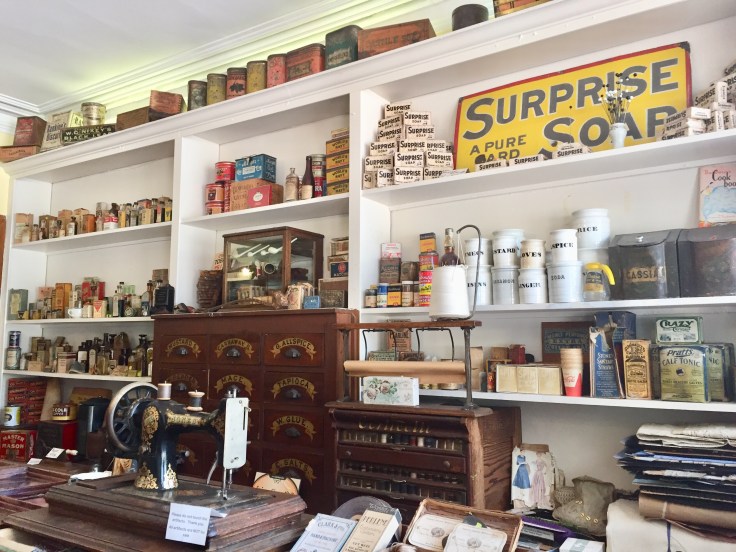
We also admired the authentic mercantile artifacts exhibited at historic Barbour’s Country Store.

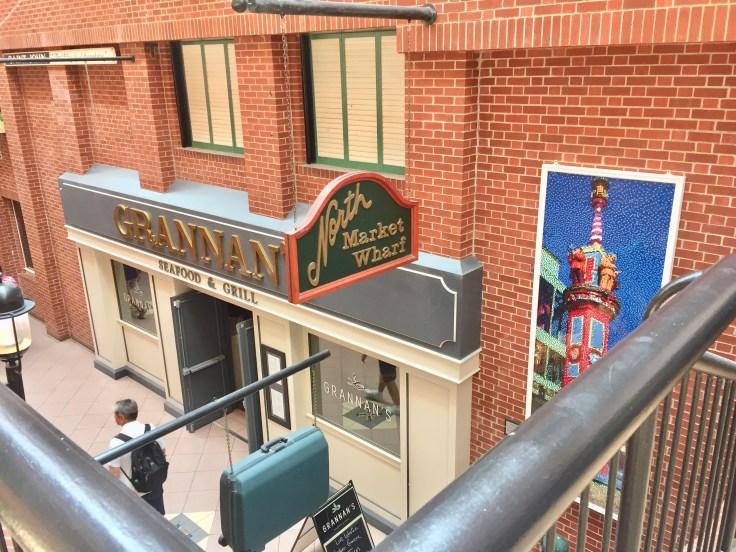
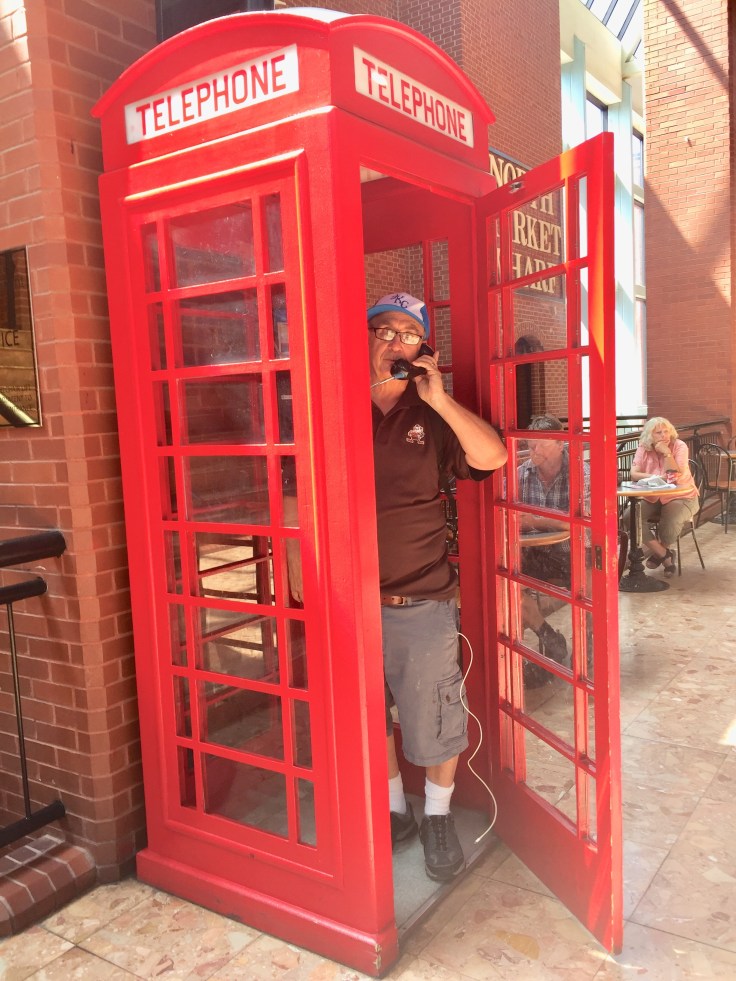
Returning downhill to our ship, trendy Market Square Convention Center returned our mindset to the gentrified world of modern 21st century design. Why then would I forego my cellphone for a British phone booth in making a call ?

HALIFAX, NOVA SCOTIA

Offering a distinctive multicultural “feel”, our walking tour in midweek began with a curious stroll along the the Halifax Harbor “Green” for a taste of the town’ festive summer spirit.

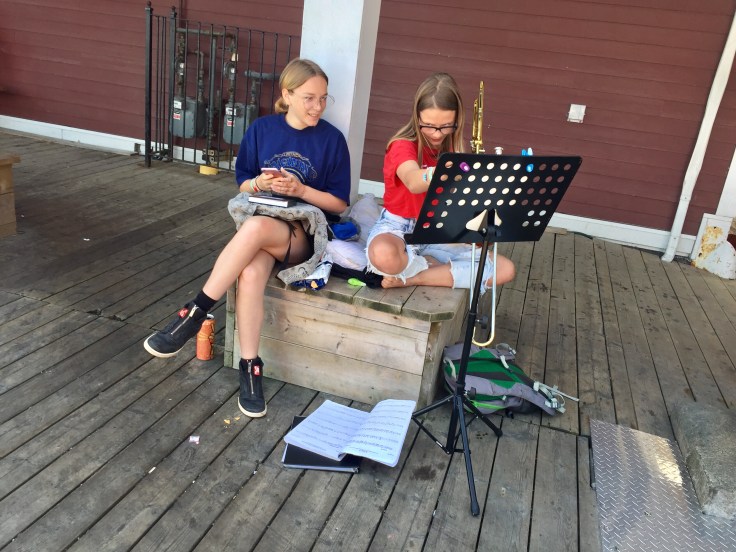
On this cool, sunny morning, an aspiring teenage trombonist played a song for us to accentuate the “electric” Canadian vibes we were feeling then.

Occupying the strategic high ground of the city, Halifax Citadel remains as a symbolic landmark, marking over two hundred years of Canadian military history. The sentry shown in the photo below put on quite a “tourist friendly” show.

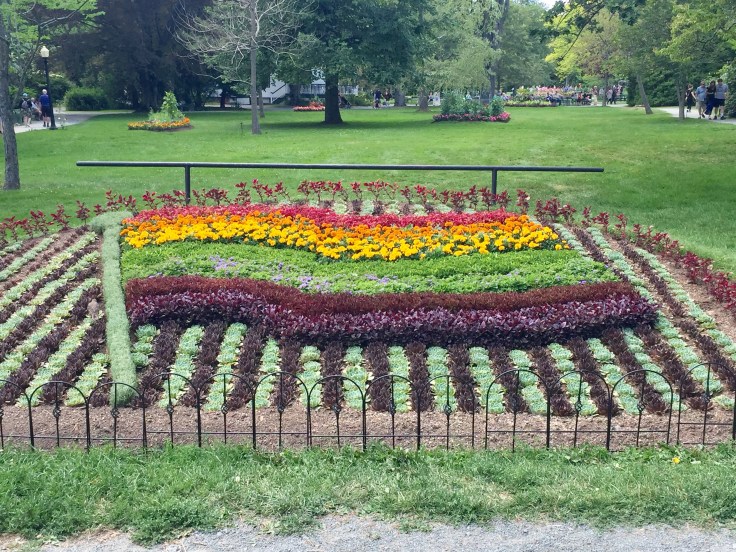
Still functioning as a thriving gathering point in Halifax, we ducked into the Public Gardens in midday to escape the busy downtown crowds. A lazy walk through the park revealed an intricately designed ground pleasantly dotted with manicured gardens, Victorian era sculptures, and a slow moving stream.

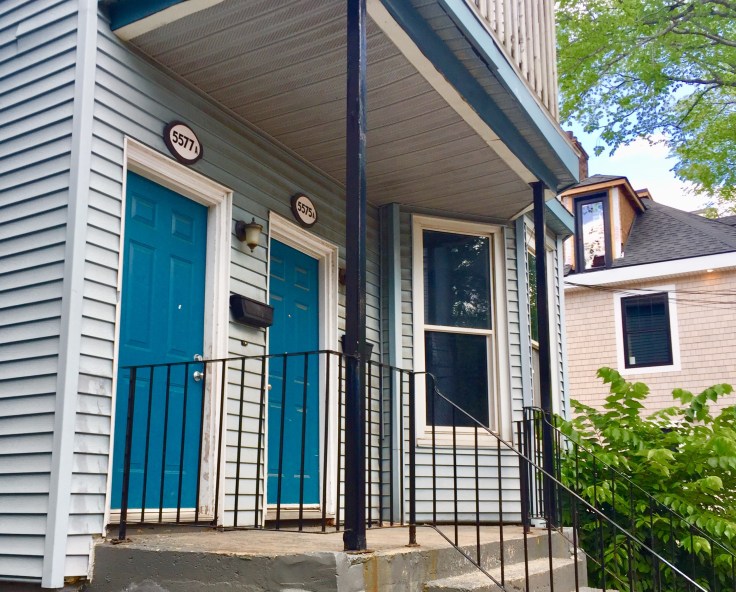
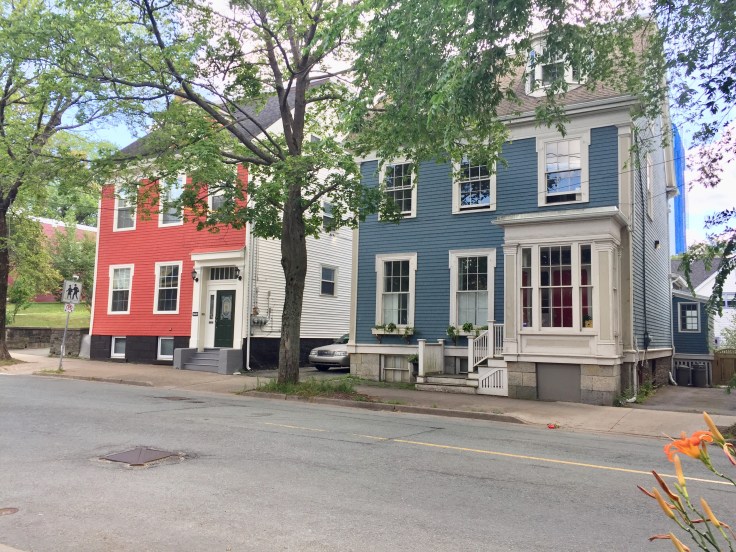
Returning to our ship along a quiet side street, I attentively noted the pleasing sight of these colorful matching sets in row houses and doors.

SYDNEY, NOVA SCOTIA

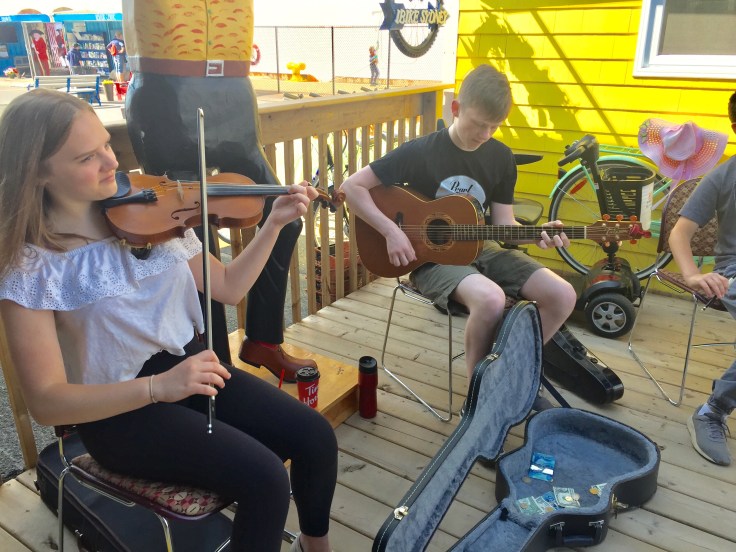
Sailing into remote Glace Bay on Cape Breton Island to Sydney, we did not anticipate such a spirited community welcome for the arrival of cruise passengers.

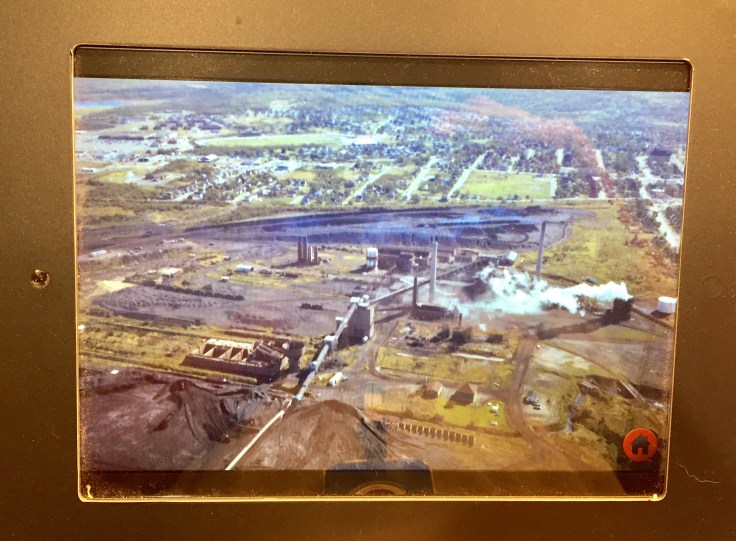
As we hiked inland along Ferry Street to a Provincial Park on a cool afternoon, we soon realized that this pleasant spot along an inland river had once been the unsightly industrial scene of a iron and steel production yard/facility..

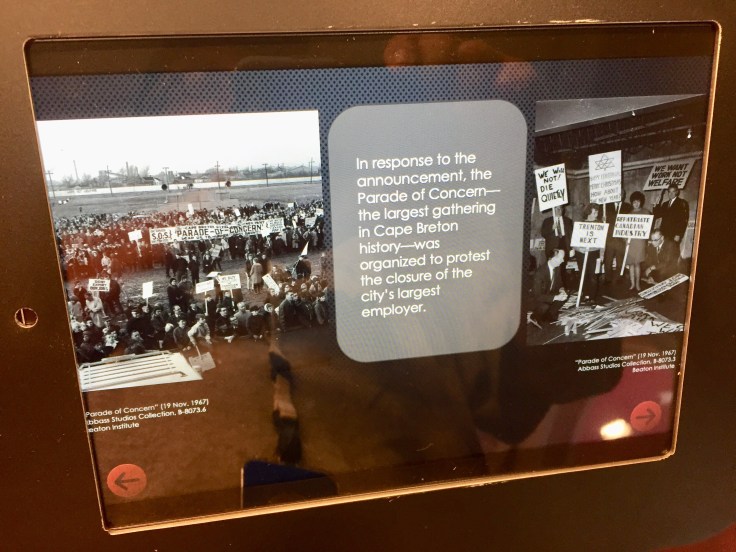
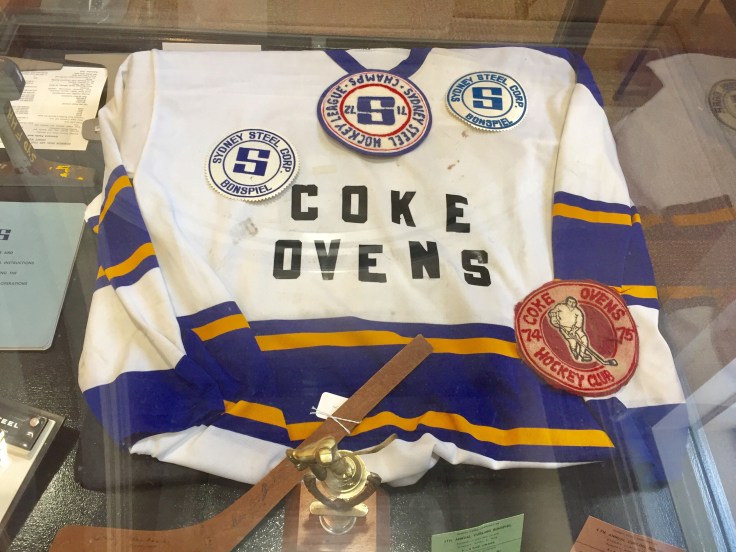
At the Old Town Hall Heritage Museum, historic memorabilia vividly displayed the struggles and triumphs of Sydney’s proud citizens to remain an independent municipality amidst political upheaval resulting from an unfolding environmental crisis.

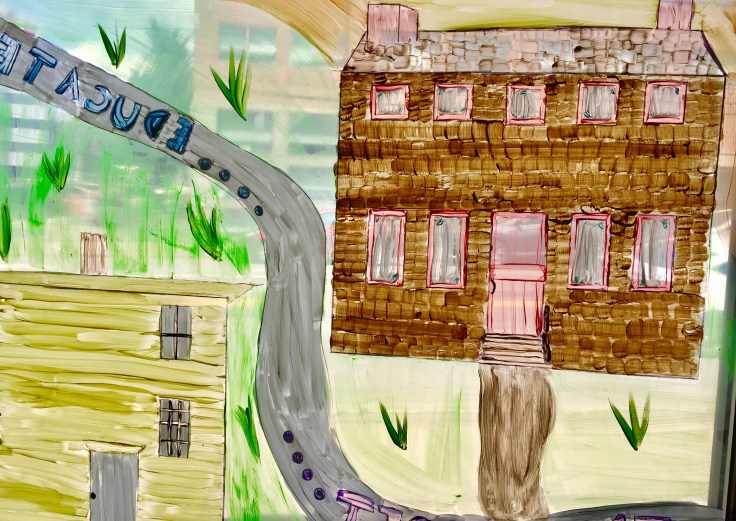
Through the eyes of a local child, Sydney today, remains a beautifully inviting place to live.


I

Freedom Flourishes In Boston

A man may die, nations may rise and fall, but an idea lives on.”     (John F. Kennedy)

“Citizens of Boston! Consider your blessings; consider your duties. ….. Let New England continue to be an example to the world of the blessings of free government, and of the means and capacity of man to maintain it. ….. (Josiah Quincy)

From a tourist perspective, Boston always presents itself to me as a historically interesting town. There certainly lies authentic proof here of free will served through independence from Great Britain control in the latter years of the 18th century. On past occasions, for instance, we’ve visited iconic downtown landmarks along the Freedom Trail, gazed at the hallowed battlefields of Bunker Hill, Lexington, Concord, and relaxed along the colonial “green-space” of Boston Common. We thus found good reason to book a half day, bus excursion on our most recent Atlantic cruise with the hope of re-living this spirit of liberty at John Adams National Historic Park and John F. Kennedy Presidential Library/Museum.

As my primary interest of this tour would thus be historical, I hoped to photograph for my readers a Bostonian showcase of freedom’s reign at these two sites on our scheduled itinerary. Departing from the waterfront in late morning , however, our vehicle slowed frequently amidst heavy commuter traffic. How satisfying it felt then to discover that the lighthearted scripts of our elderly tour guide could be a useful mind diversion from such time delays and unsightly gridlock.

Several of his humorous tidbits, spiced with Bostonian drawl/ culture, come to mind. He first spoke of a past prison incident where inmates rioted because they no longer received an adequate supply of lobster (“lobsta”) at their daily meals. He then noted that angry city drivers never chose to honk their horns at other drivers but would eagerly “flip them off” with a finger. He would further demonstrate his showy talents by boasting a fantasized scenario where every professional team in Boston would respectively win their finals championship this year. As he concluded this amusing narration, we arrived at the small hamlet of Quincy, where our historic adventure would pleasantly begin.

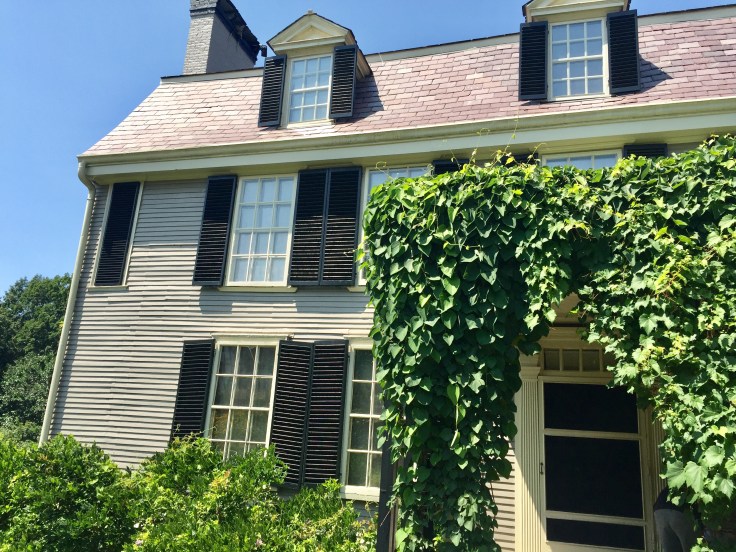
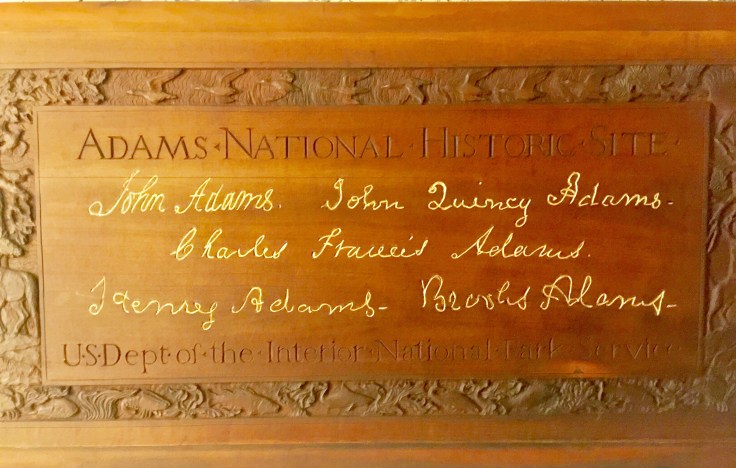
In Quincy, Mass., Presidents John Adams followed by his son John Quincy Adams resided year around in this country homestead now part of Adams National Historical Park. Amazingly intact for almost three centuries, it remains as a living memory of America’s first “Founding Fathers.”

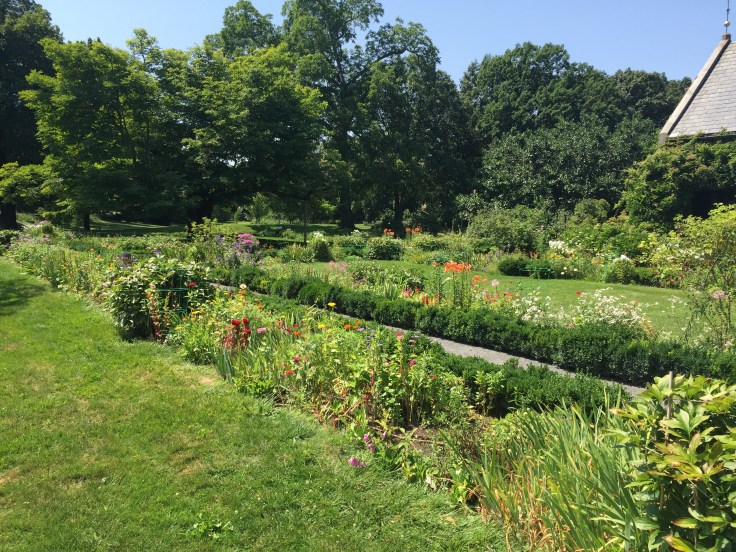
Passed on to four generations of Adams families, the lush landscaped grounds of this estate inspire public interest in environmental preservation. In time, these manicured grounds attained the nickname, “Peace Field.”

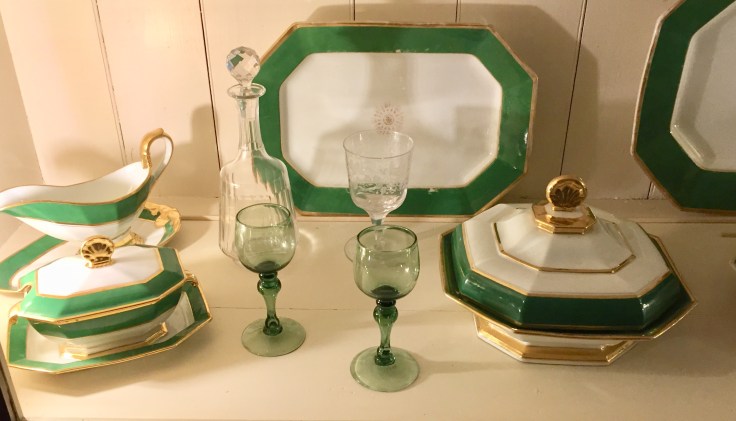
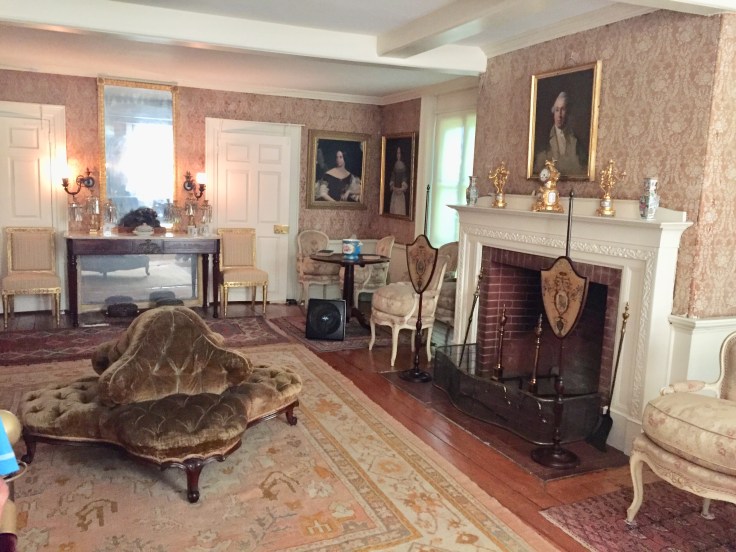
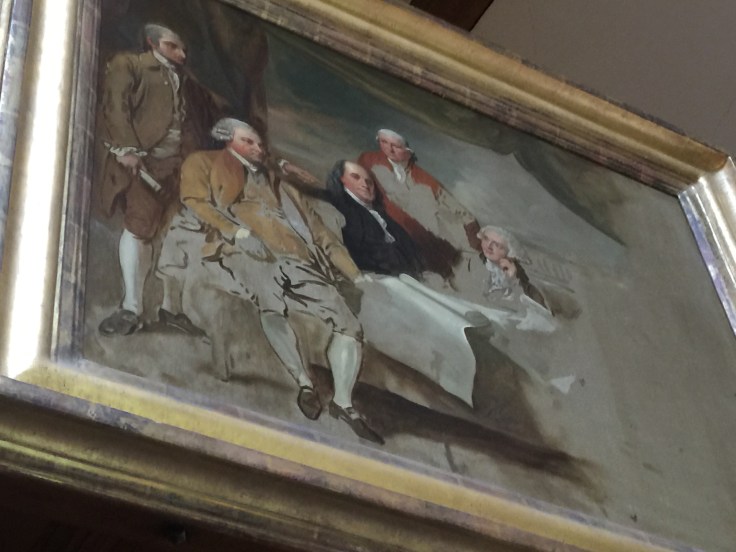
John Adams traveled to Europe extensively as an American diplomat in support of American liberty ideals. Interior decorations of this estate include prized mementos collected overseas from friends/allies during this period of his life.

As a patriot, skilled in the professions of law, science, and politics, John Adams filled his time with challenging daily learnings. Yet he also made time for informal gatherings.

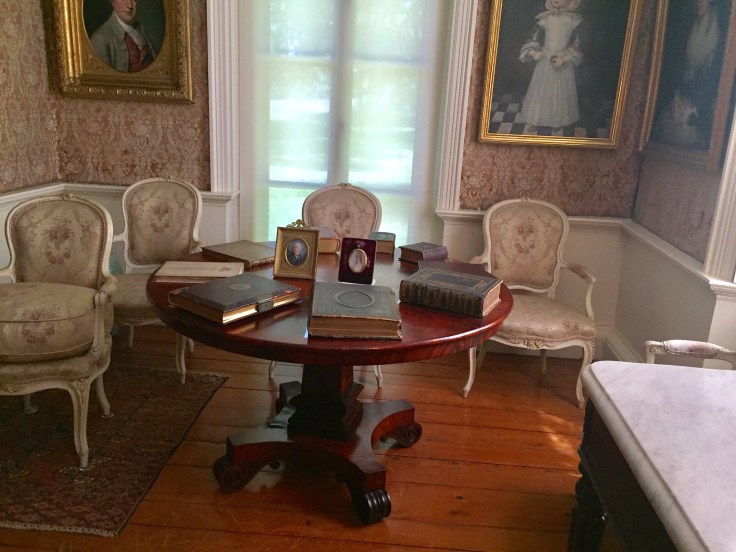
Many notable figures in American history line the interior walls As many of them visited the Adams estate over the years, one can imagine the “buzz” of freedom’s diplomacy engaged here.

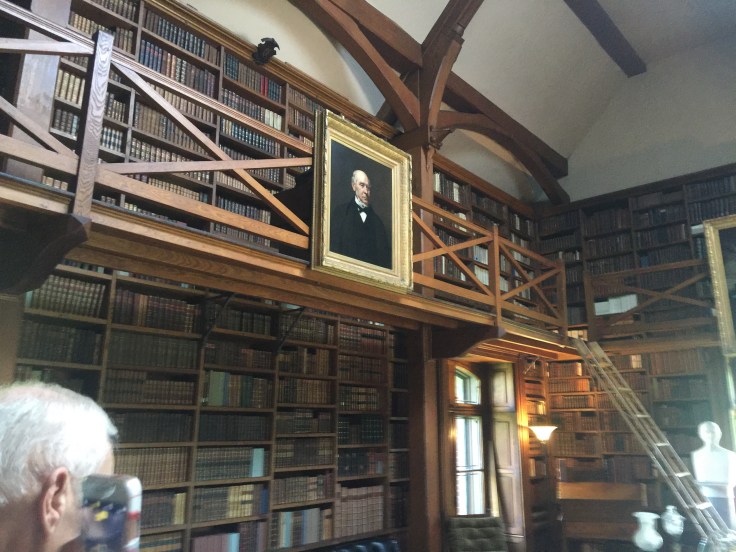
John Quincy Adams spearheaded the addition of a Stone Annex (the first Presidential Library) at the rear of the Adams estate. The extensive collection of books here remain as a living testament to the intellectual foundations in colonial times of America’s democracy.

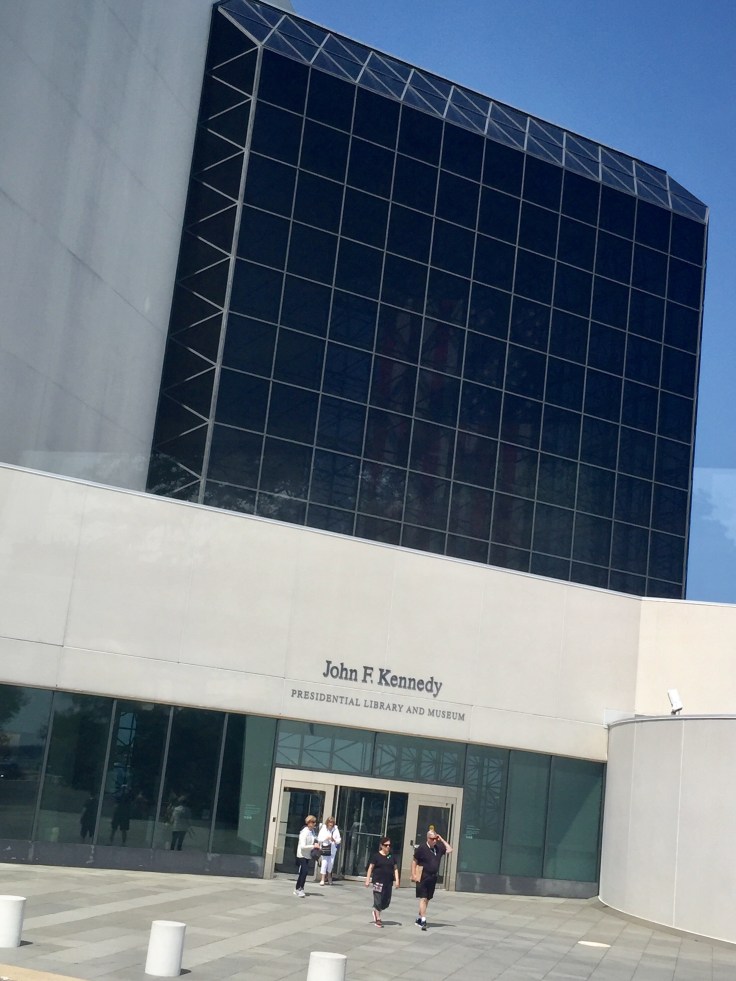
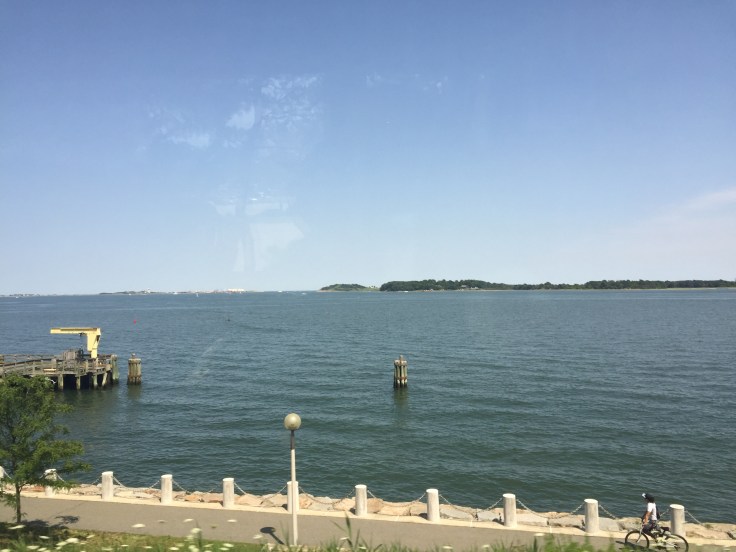
The John F. Kennedy Center at Columbia Point, Mass. stands as America’s official memorial to his life and Presidency. Its unique contemporary design overlooking a serene bay inspires visitors to view the Kennedy legacy as one of American innovation/imagination.

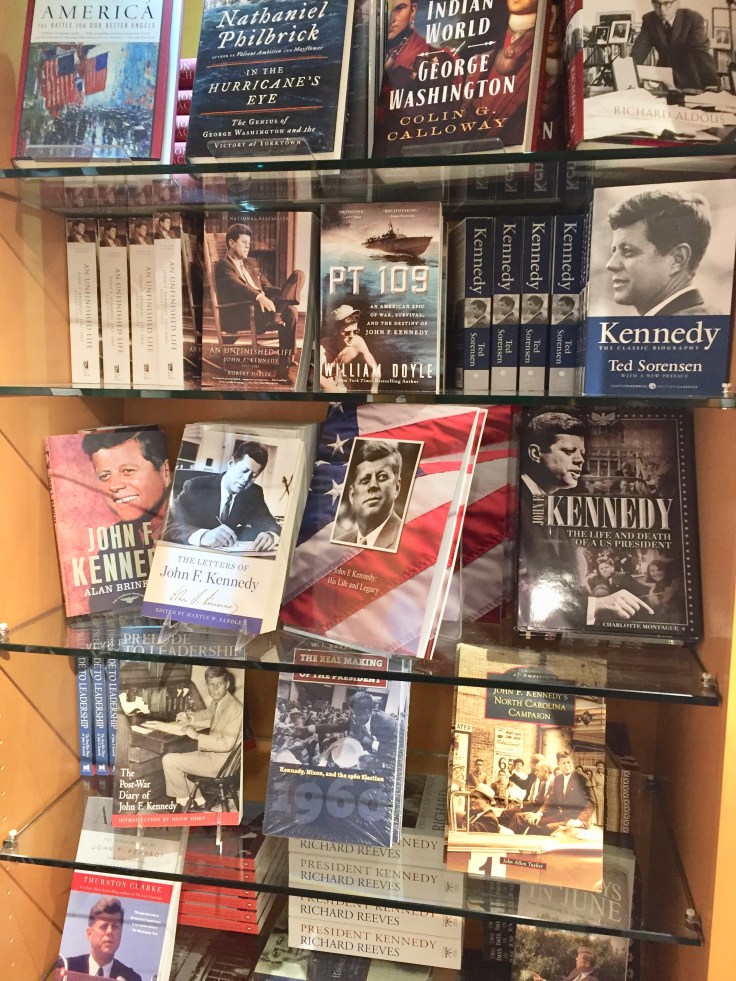
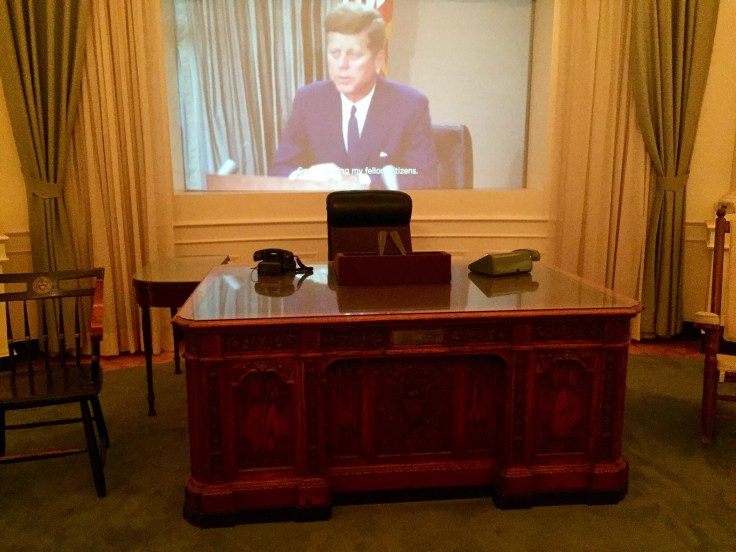
Kennedy’s legendary leadership qualities as President are vividly depicted in this museum. Yet in other ways, he might be portrayed as a mere humble man.

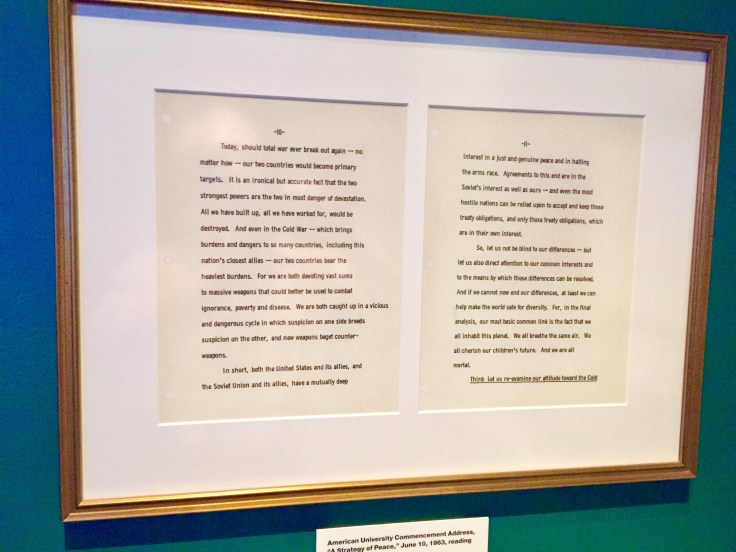
Great political leaders inspire high ideals. The writings of John Kennedy displayed a keen awareness of freedom’s call that lies at the heart of our American Democracy.

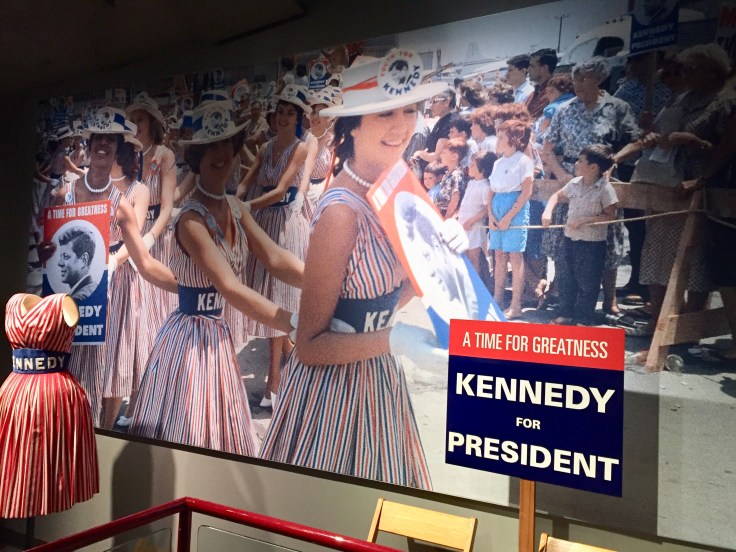
Free spread of communication in American politics provided a vital link to Kennedy’s election as President. What measures to directly impact voters occurred in Kennedy’s time? Are they as relevant today?

A President must provide a positive role model for our country and the global community in time of crisis. In my brief tour of this museum, John F. Kennedy clearly meets that standard.

How might the Presidency of John Kennedy as depicted in this blog impact your voting decision for the election in 2020?


Blog at WordPress.com.

Up ↑