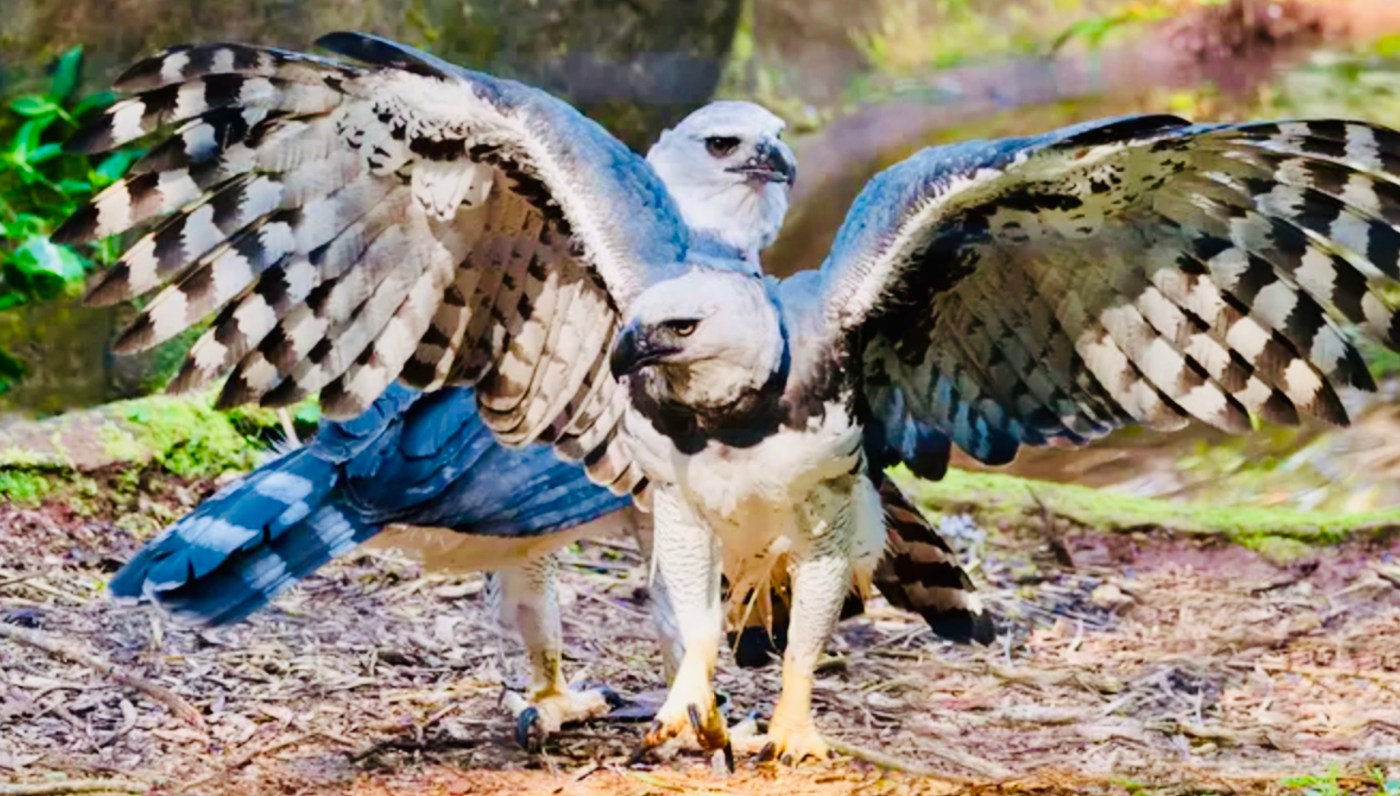
What comes to mind when you hear the phrase “birds of prey”?
“ All raptors are birds of prey but not all birds of prey are raptors”. ( Smithsonian Handbook Birds of Texas)
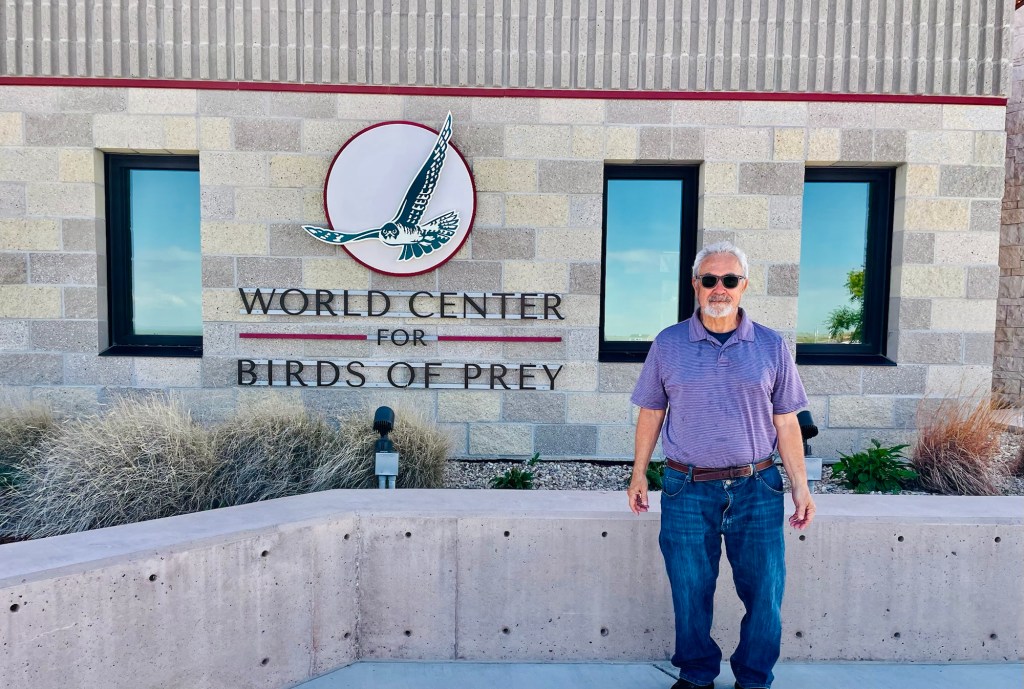
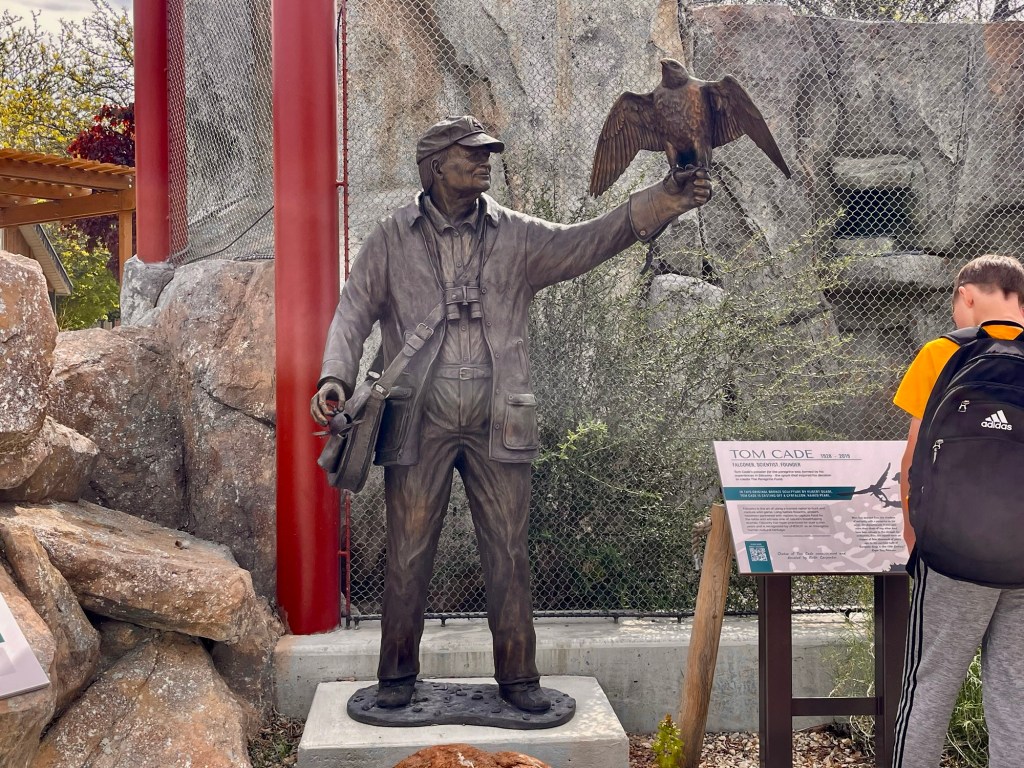
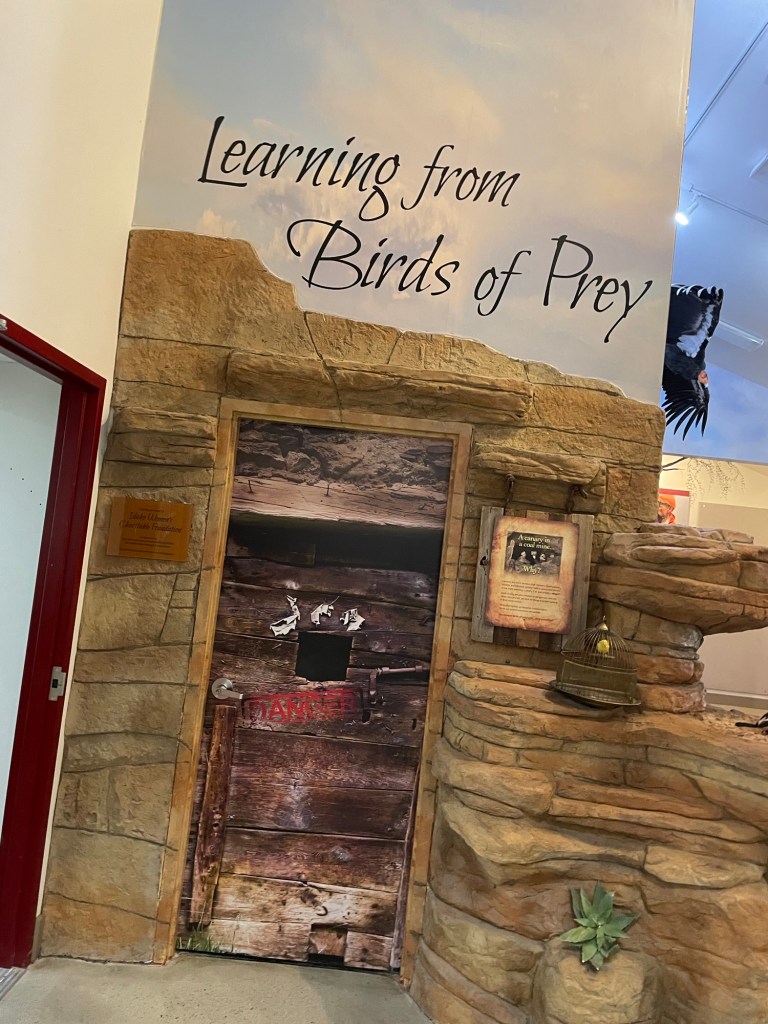
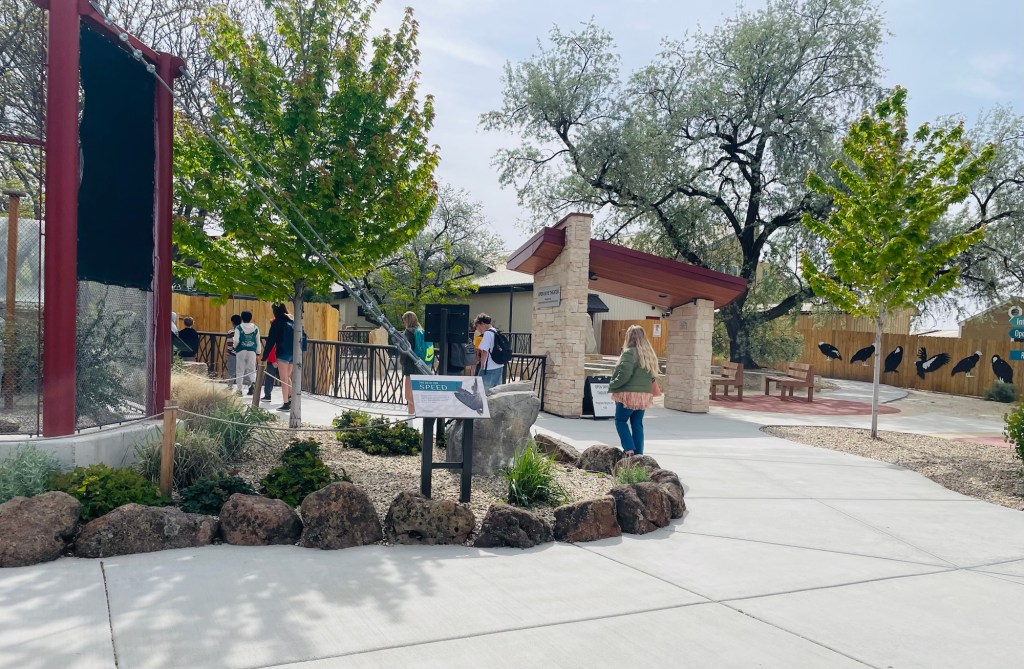
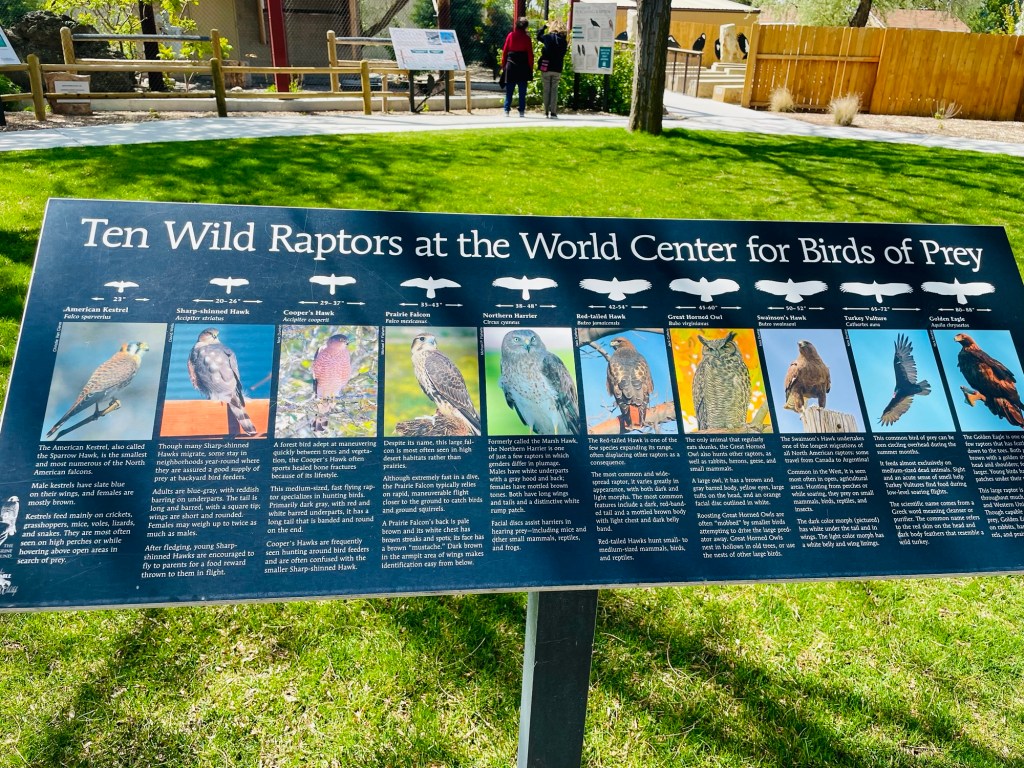
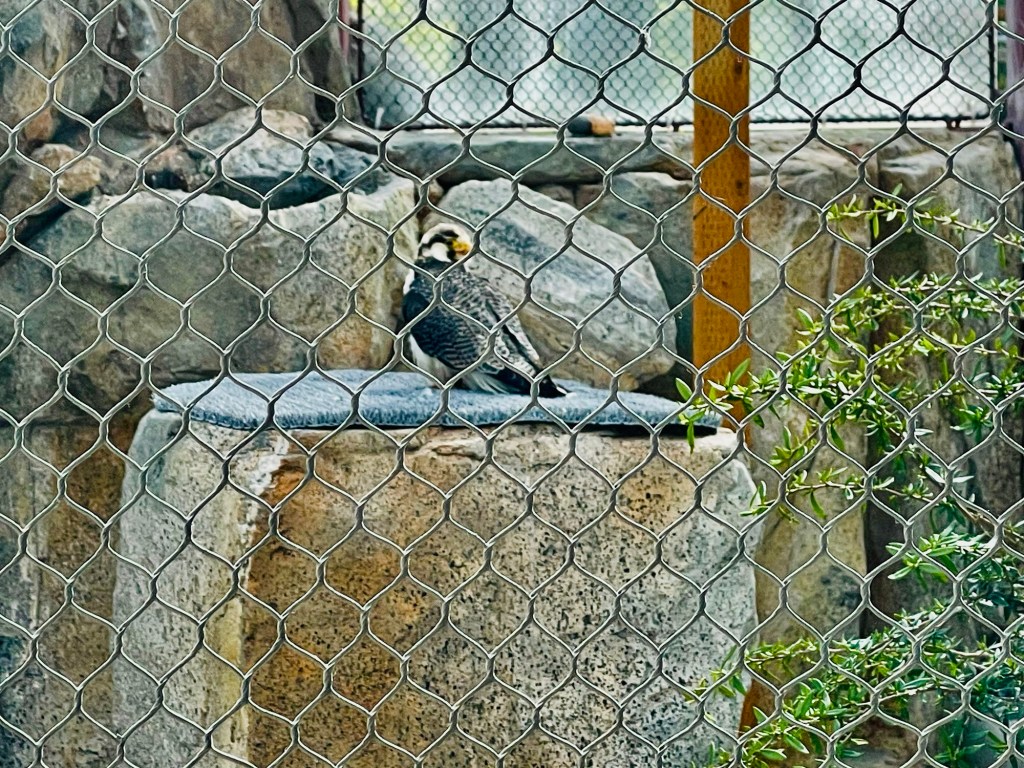
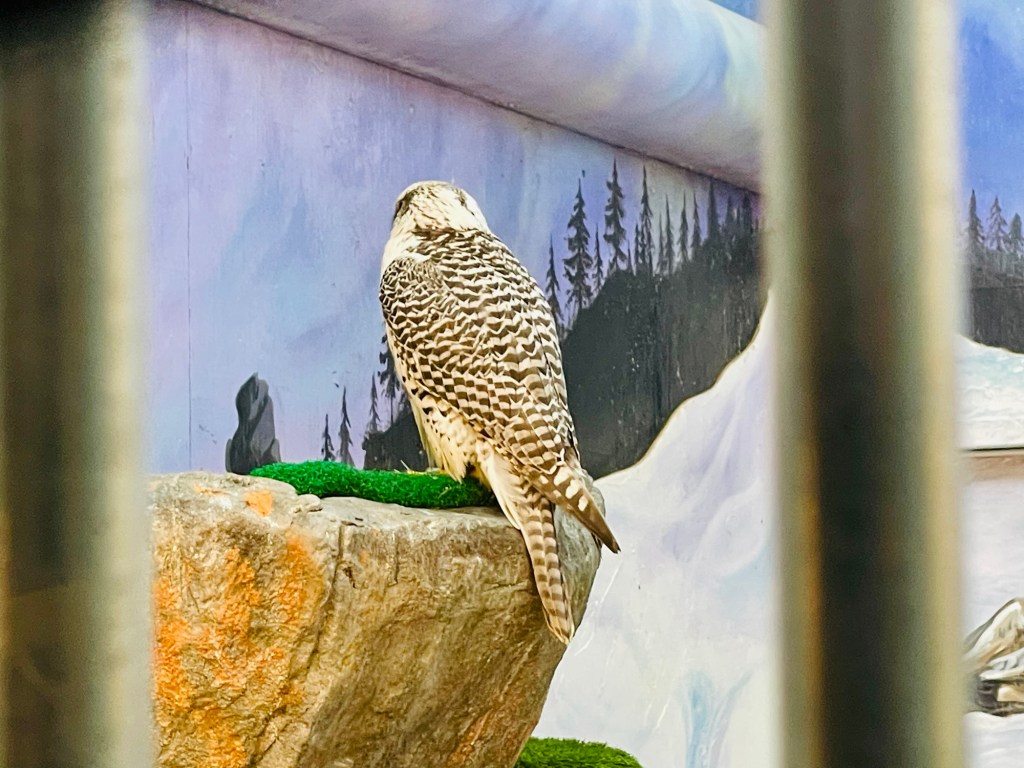
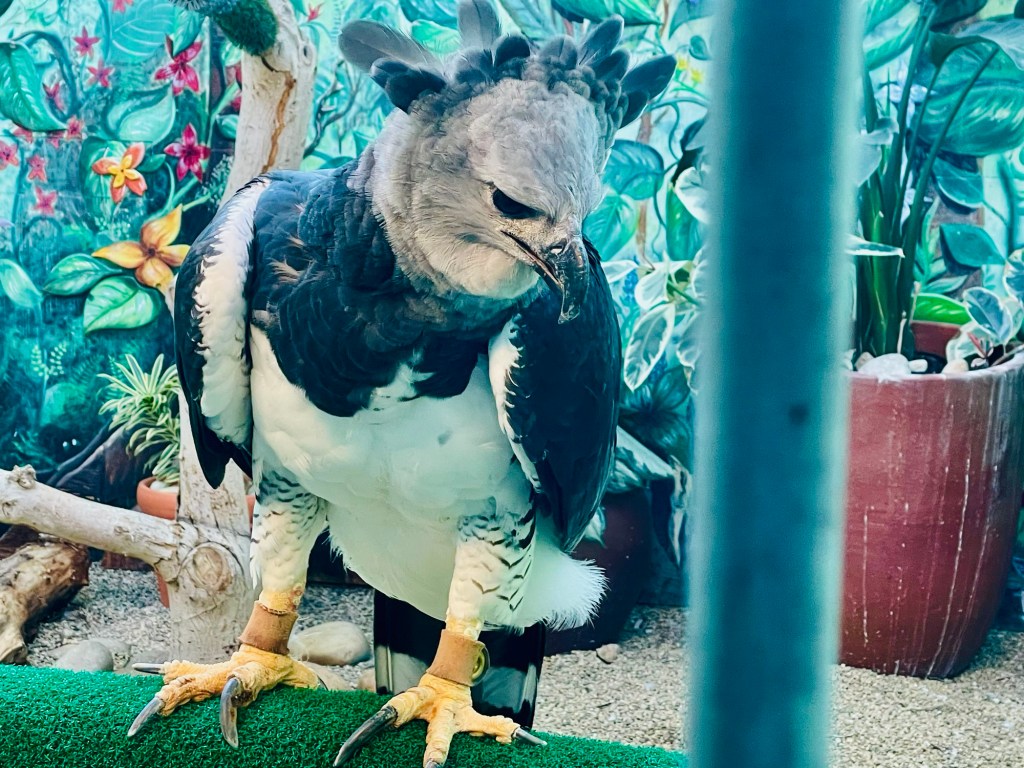
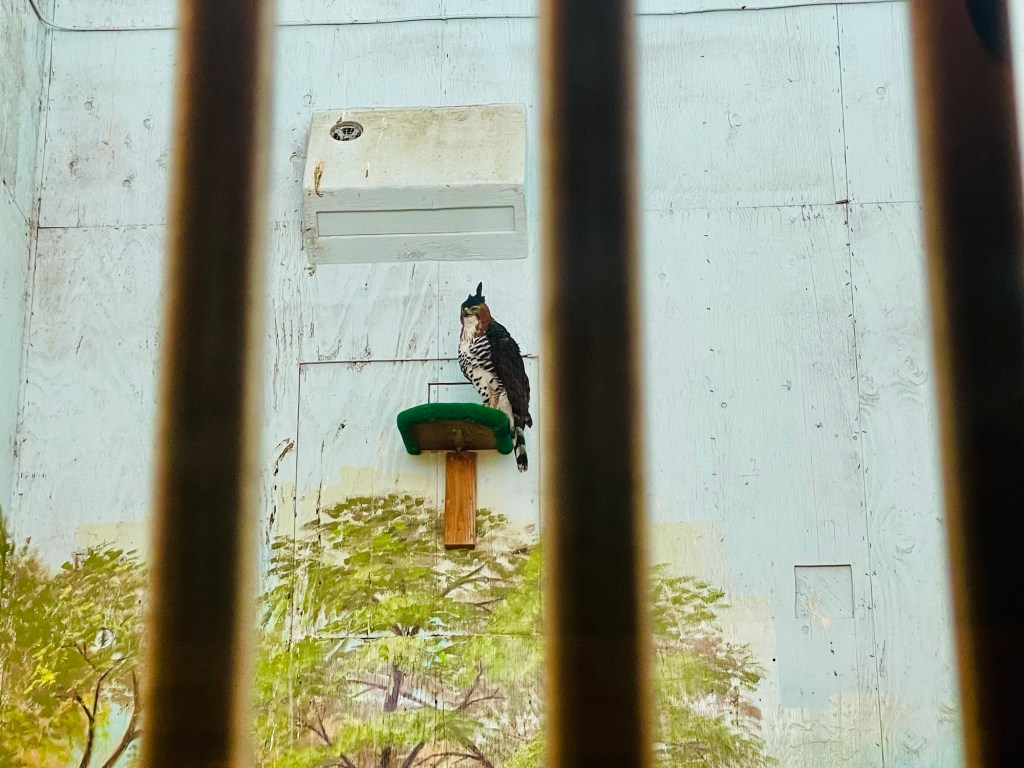
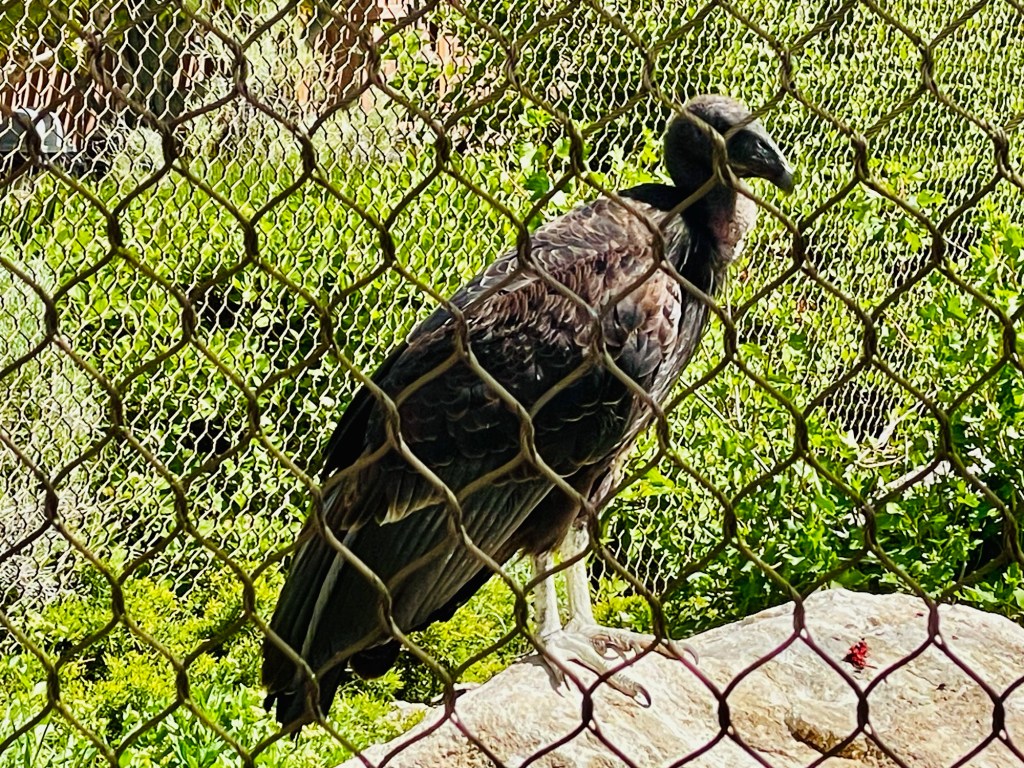
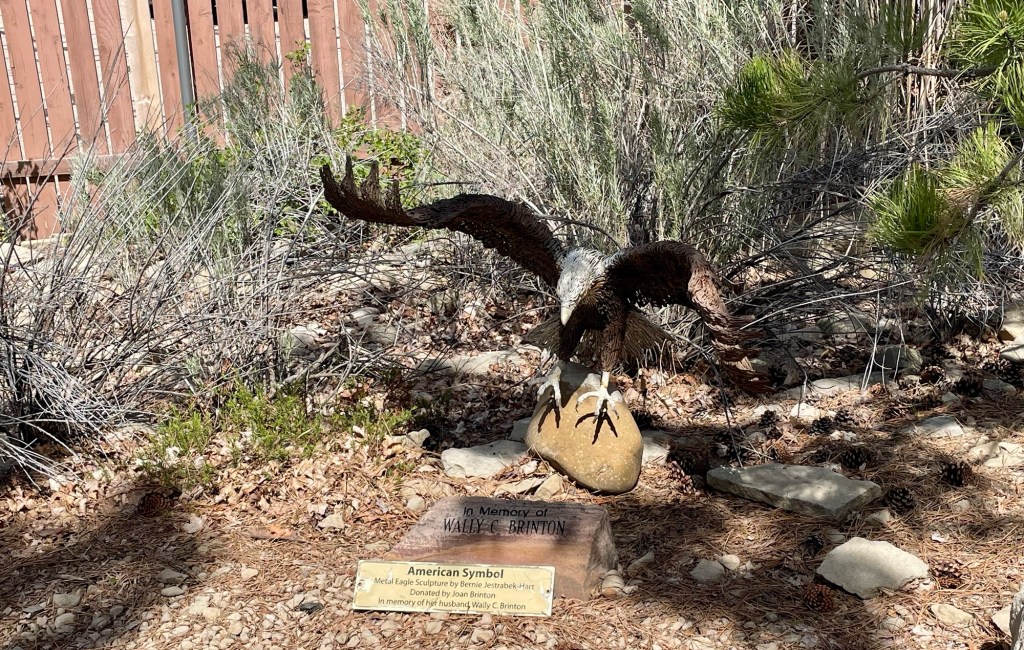
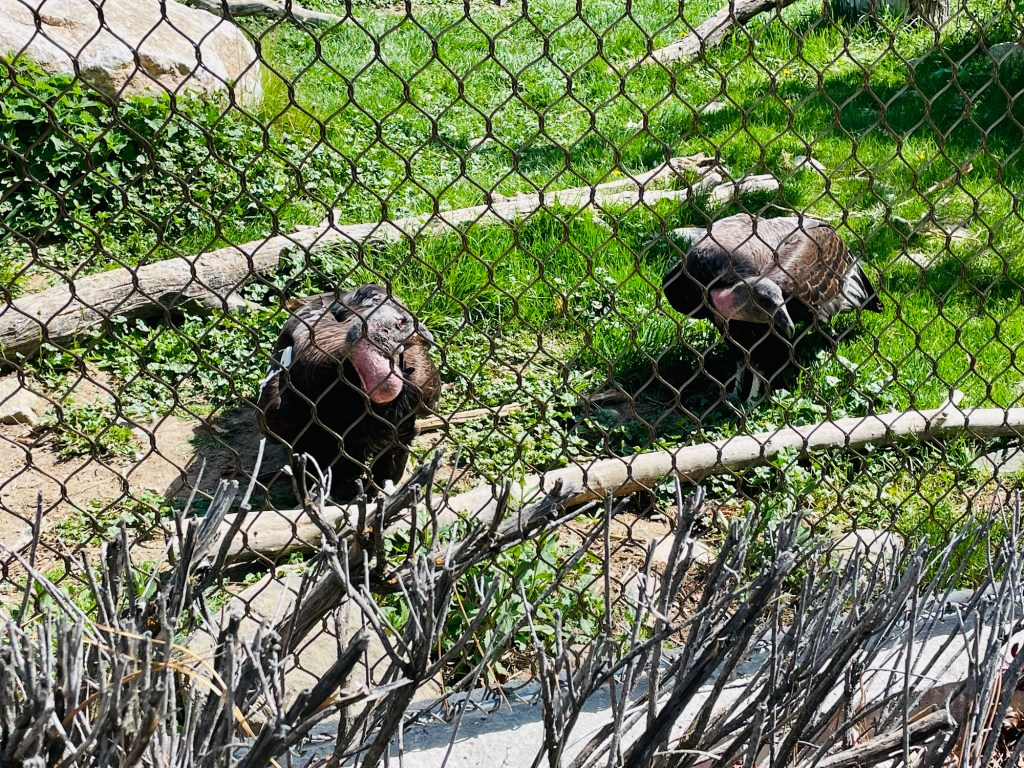
Birds of of prey like condors, vultures, eagles, and hawks are built to naturally hunt as they are keen-eyed, efficient, and precise. Some strike with speed. Others wait and take what’s left behind. Nothing is wasted. Nothing is personal. So during our road trip visit to the World Center for Birds of Prey in Boise, Idaho, such raptor curiosity in caged captivity was hard to ignore. Notably, each bird we observed waited patiently. Up close, their eyes didn’t judge, didn’t hesitate, didn’t pretend. They weren’t cruel. They were honest. And then the sudden rush of wings of two condors contesting a favored land space broke the quiet.Their motion so quick I realized that I had witnessed their instinctive action to survive. The birds took what they needed and nothing more.
Watching them, I couldn’t help but think about how similarly to birds of prey so many humans I meet in my life function by autopilot.For as my culture rewards competition, we are often drawn to weakness, quick to highlight flaws, sometimes feeding on the failures we notice from a distance. Unlike these raptors though, we are not driven to attack by survival instinct alone. We instead often choose to elevate or heedlessly entertain ourselves by tearing someone else down. We do have the ability to act with restraint.
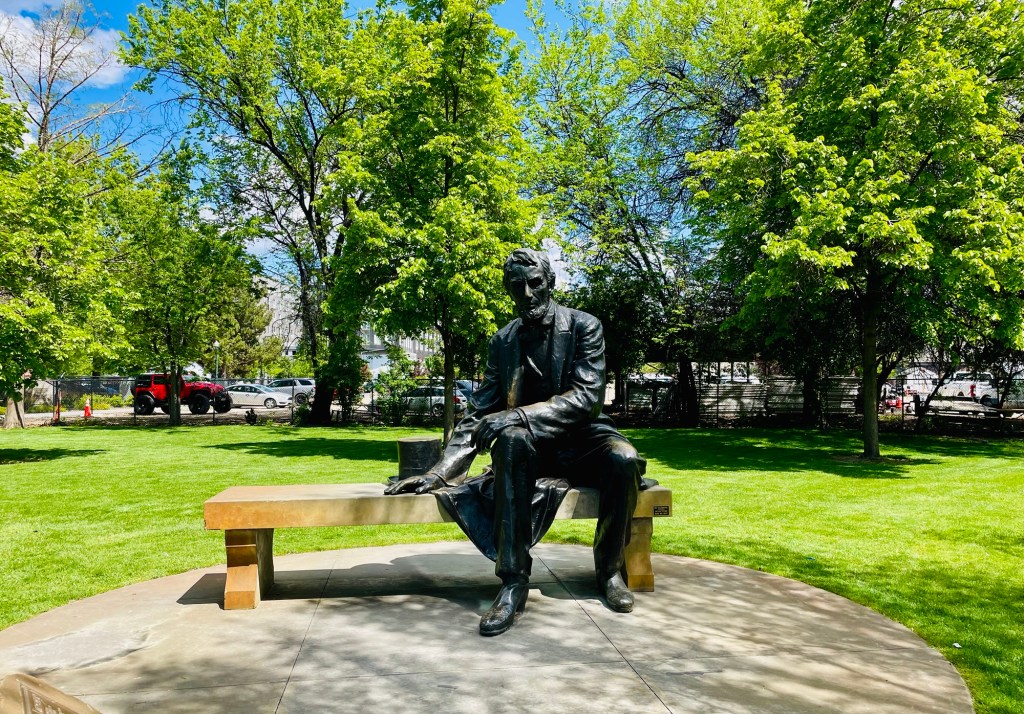
Maybe the real question then seems to be making better choices in times of confrontation to project kinder treatment of others. Know that a giant statue of Abraham Lincoln we witnessed in Boise downtown to end this tour day seemed to represent an inspiring figure of “bird of prey resistance” in his compassionate declaration to end the cruel wrath of slavery during the American Civil War.



Leave a comment