“ A man growing old becomes a child again. “ (Sophocles)
At this more mature stage of his life, Jackson, a retired architect , recollected fond memories of his happy childhood growing up over fifty years ago as an only child in suburban neighborhoods near Akron, Ohio. He also realized his close family ties with two, hard working parents who professed faith in the “American Dream” which prophesied that while tough times lay ahead to raise a family on limited financial means, life would eventually turn out to be richer and fuller for everyone. So by virtue of inheriting such stubborn family optimism in times of crisis, Jackson reasoned that those current memories about his Ohio childhood would be clouded by more of the good than the bad he faced over these life formative years.
So with such self-bias in mind, Jackson knew “full well” why he had accepted a volunteer position at the Ohio History Center in Columbus a few days ago. For he deeply desired to re-experience how happy he once felt in a more youthful time of life as he conducted scheduled morning tours for museum visitors at the exhibit titled aptly “1950s: Building The American Dream”. For during these daily rounds that he walked through the museum with such strangers each weekday, he recollected three consequential values that most contributed to his joyful experience of childhood life back then. Seemingly, nothing could stop Jackson from frequently framing such nostalgic daydreaming moments around each of these qualities he currently missed in his life right now.
1. Life Seemed Simpler
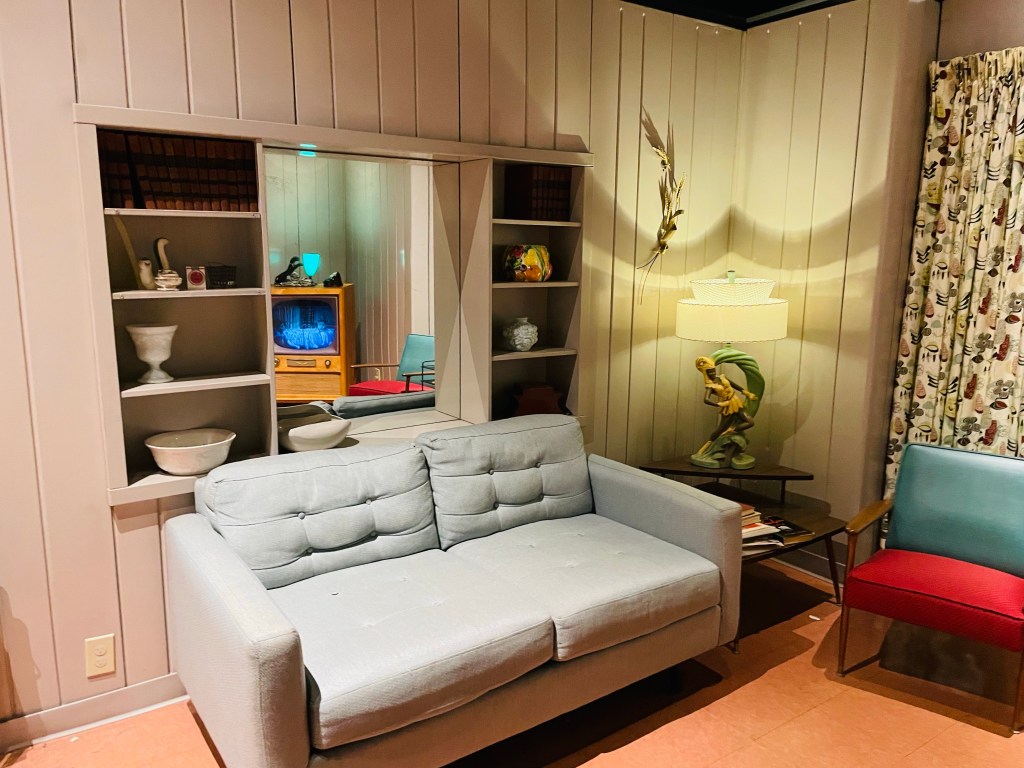
Picture a typical day in Jackson’s life then as a child when he seemed driven to seek free time without benefit of today’s complex Internet explosion and associated digital technology Revolution. So it seemed with a smaller range of choices to amuse himself in the 1950s, a simple yo- you, jump rope, or marble set could occupy his undivided attention sufficiently for a while. Or during those impatient evening waits for his mother to fix the family their TV dinners on a slow heating stove, he might turn on the black and white TV in their cozy living room whereby only two or three stations would be available to watch. After dinner, he might opt for more quiet leisure time in this section of the house by pulling out a trusty encyclopedia volume and thereupon plopping lazily on the sofa to read up on a famous biographical hero of his current liking. Perhaps when more privacy was needed, he would politely excuse himself to his small bedroom. For then he could feel free to put on a couple 45 r.p.m., rock n’ roll records on his “turntable” or perhaps settle into the slow pace of a Cleveland Indians ballgame on local AM radio.
2. A Neighborly Spirit Prevails
In Jackson’s tightly knit, blue collar environs, everyone seemed amenable to trust and friendliness toward each other. For one, he no doubt noticed that residents often left their front doors open and unlocked. When venturing outside, he might also have observed how this amiable spirit continued during impromptu social gatherings. Perhaps an ice cream van would ding-dong along in the distance to announce its it’s tasty treats as neighbors patiently “chit -chatted” on front lawns awaiting the truck to turn on to their street. Or on any given sunny weekend, community “buzz” might spread beforehand that a picnic outing for all to share might be taking place soon in one family’s unfenced back yard. During holiday time as well, John no doubt recalled fond memories of friendly neighbors filling kids Halloween bags with candy, Christmas Carols being sung house to house and of course those “open house” feasts of food and spirits on New Year’s Eve.
3. Dare Oneself To Act Curiously
Jackson grew up in the post World War II era of the “nuclear family”. Being thus a “latchkey” child victim of these times, his mother’s heavy housewife duties and his father’s long working hours left the likely scenario that they would not be able to give him much “quality time” with them at home. So how did he manage such a less scripted routine each day? In particular, how did he nurture his personal interests with out being “micromanaged” by meddling adult role models? You might say then in both cases he took some worthwhile risks of sheer adventure during this period that ordinarily he might never have attempted in a stricter family environment. Climb up the tallest Oak tree to to reach its highest limbs, proceed to the heights of the steepest hill for a fast downhill sled ride, ignite flammable substances in a kitchen bottle to watch it amazingly explode, or fiddle with the buttons in the center console of a flashy parked car knowing full well that he would have no business sitting inside it. Fulfilling these curious desires in such ways was his “modus operandi” of these times.
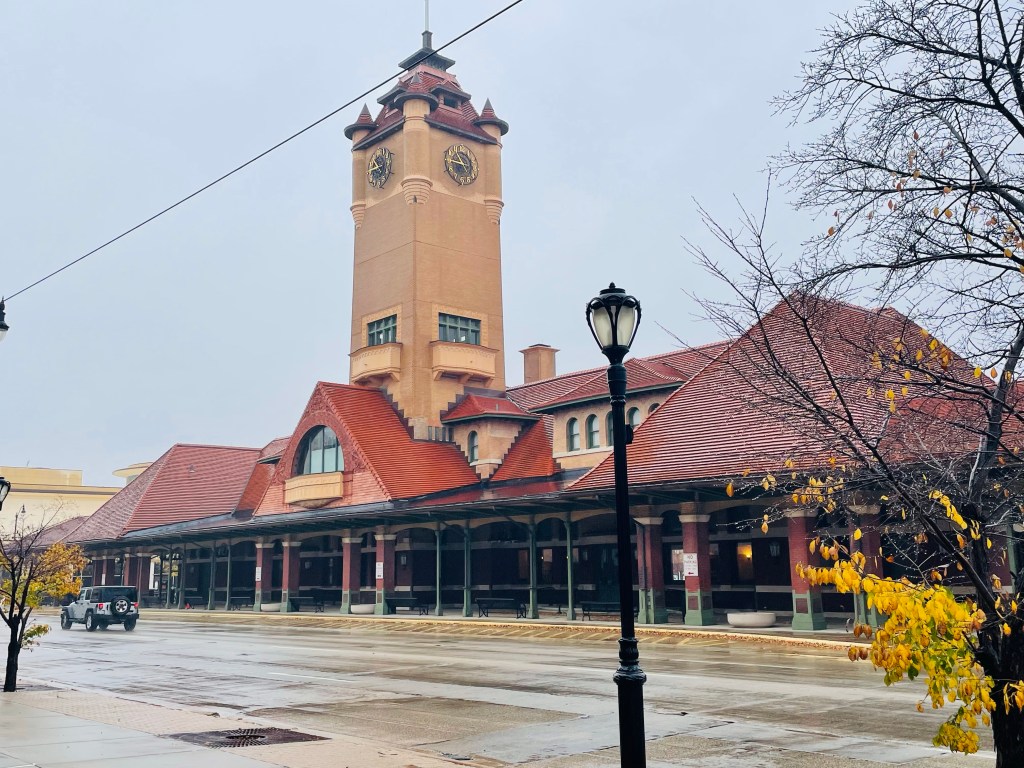
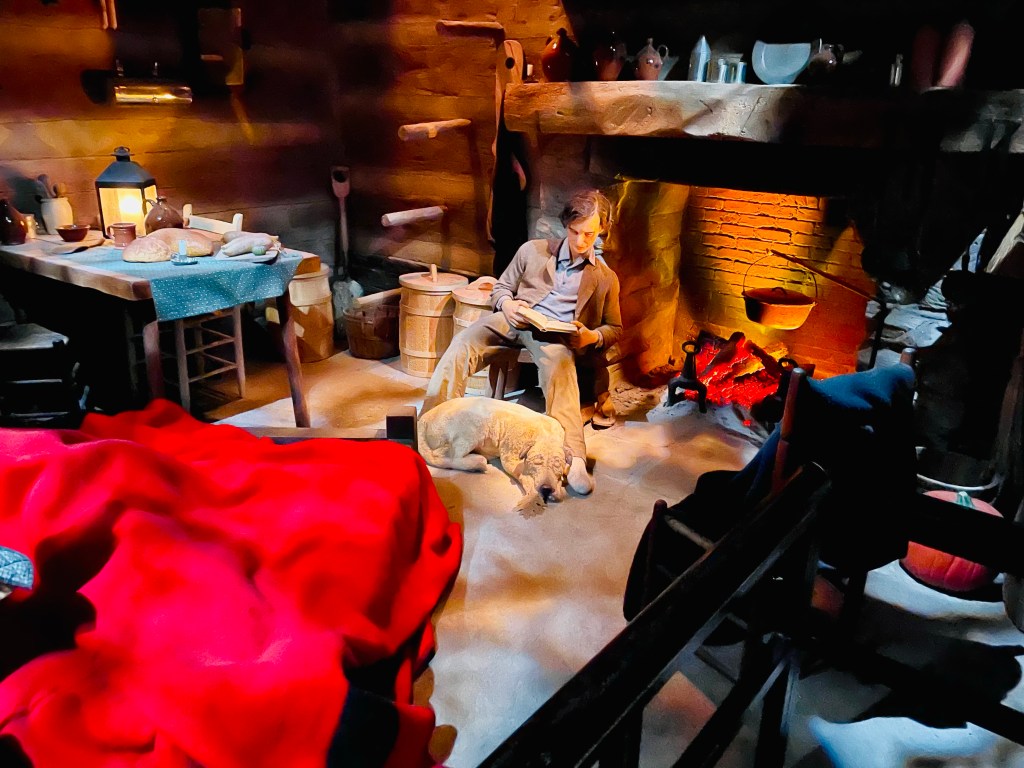
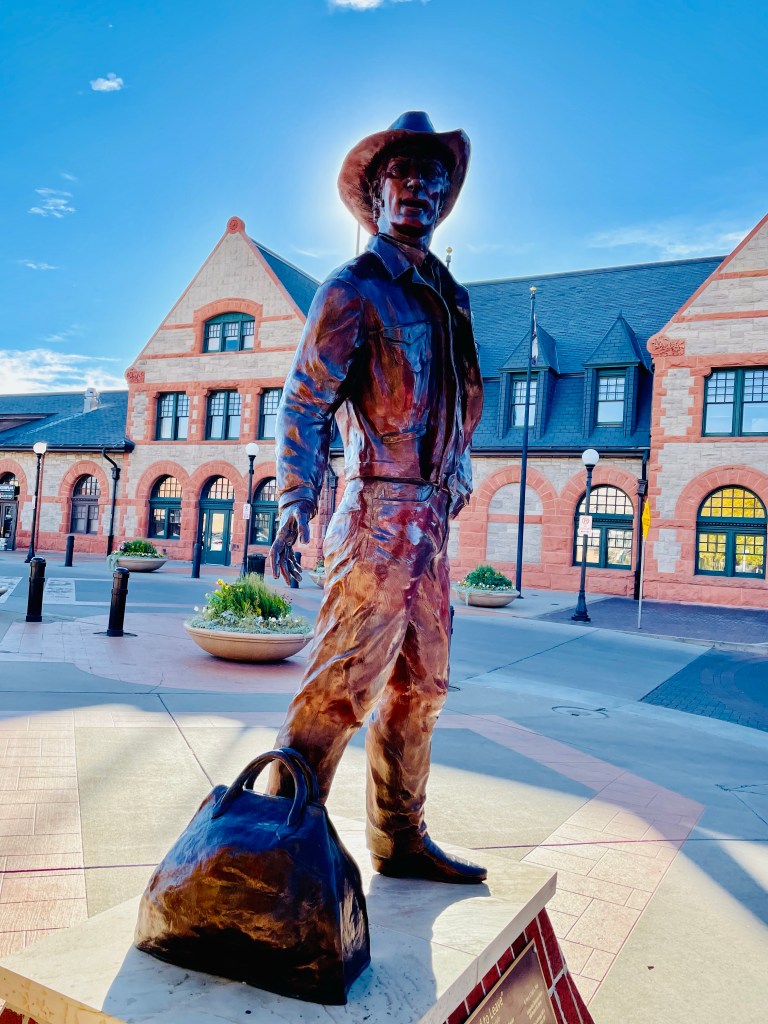
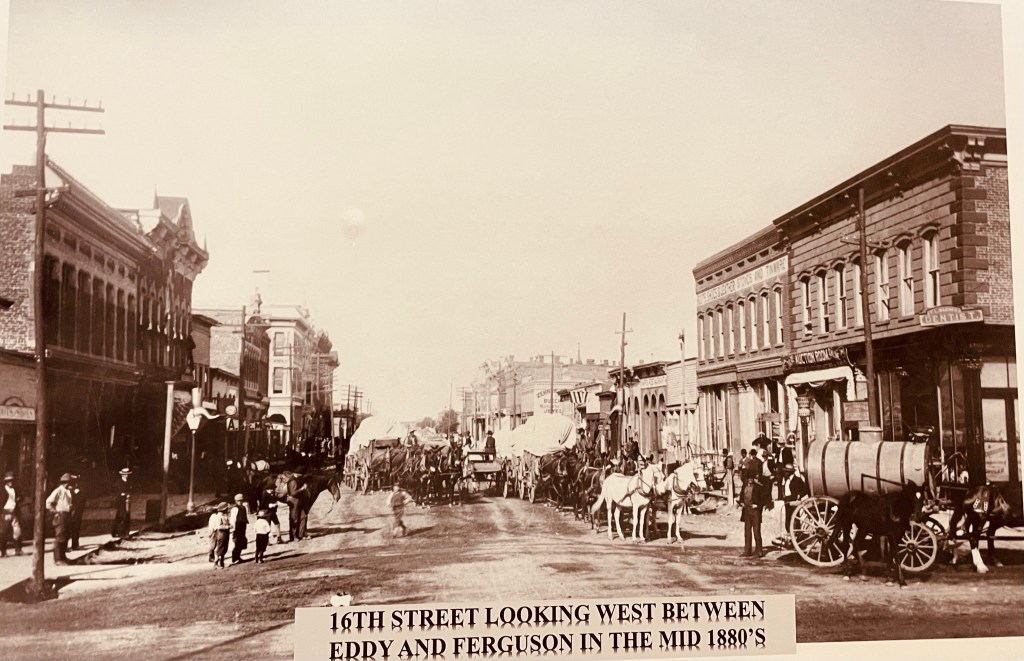
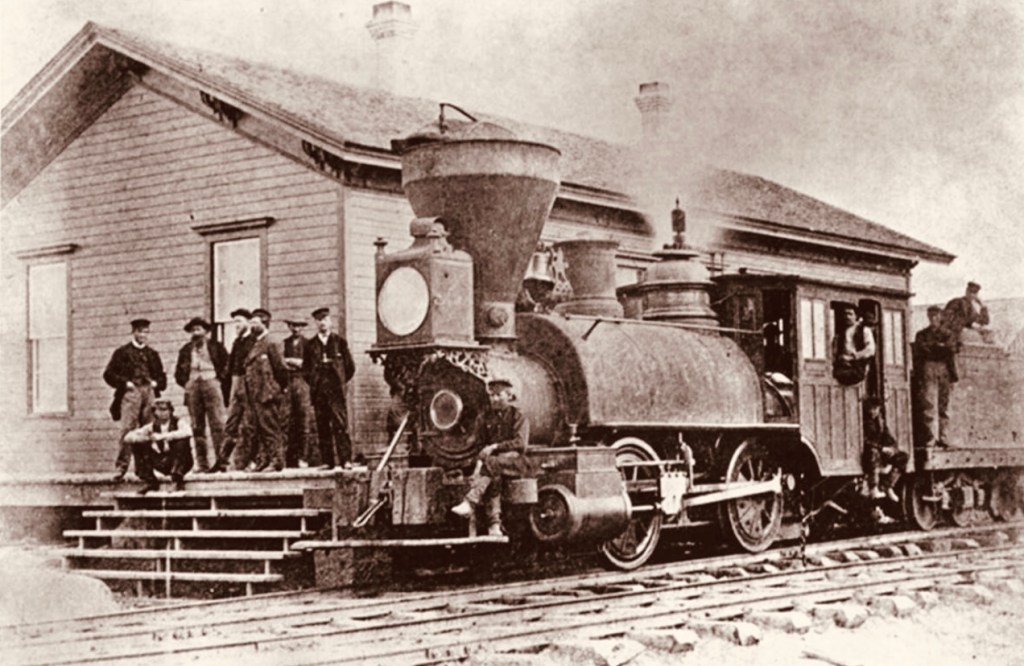
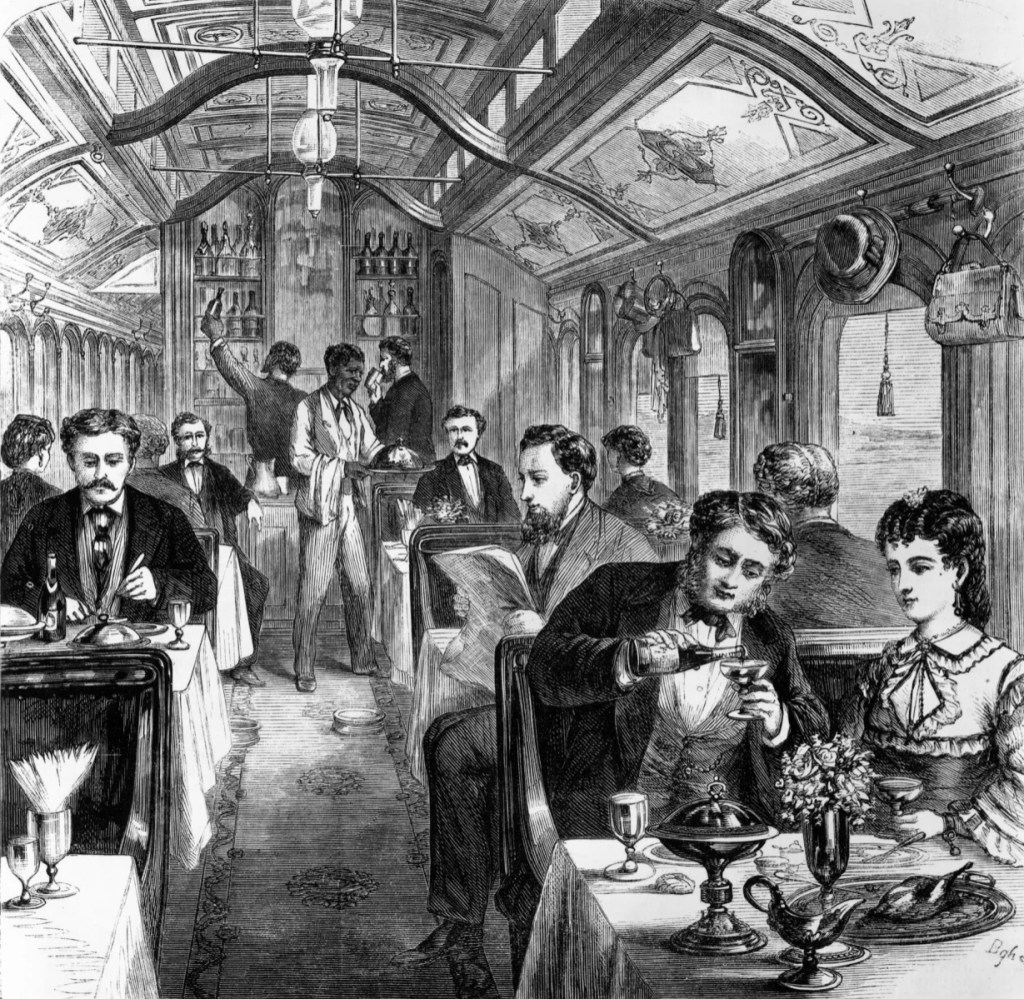
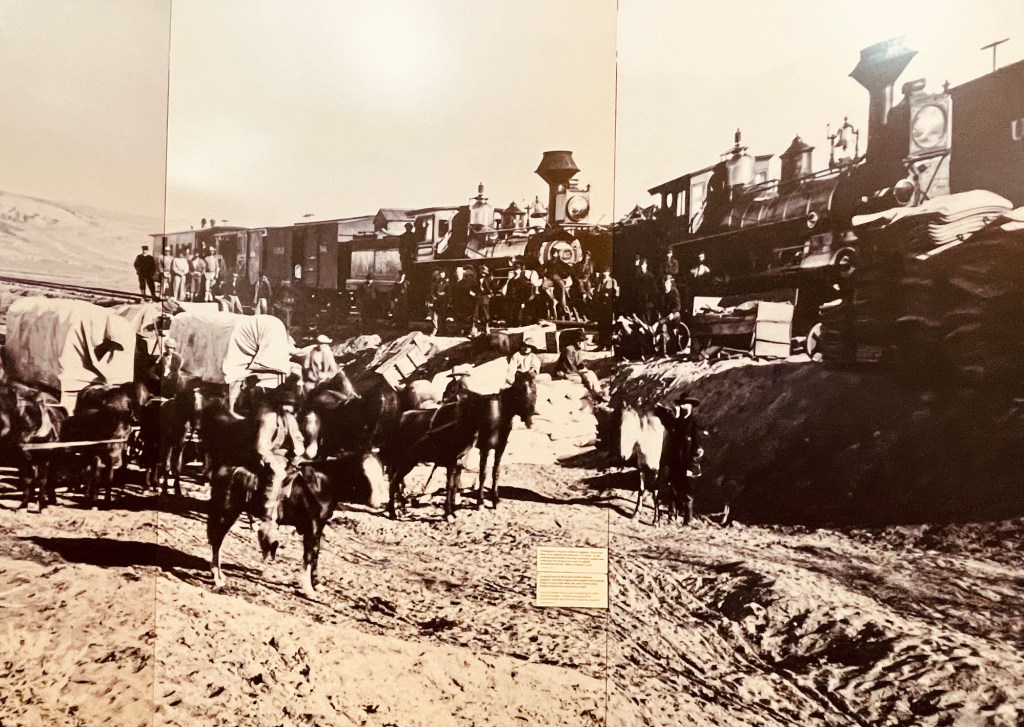
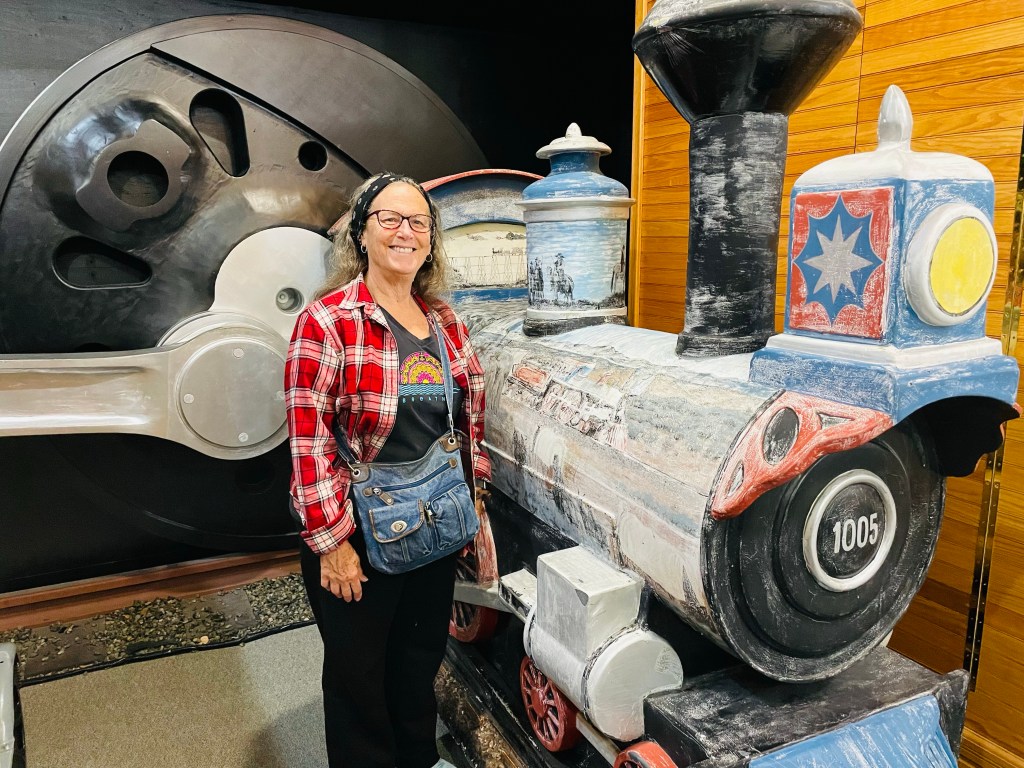
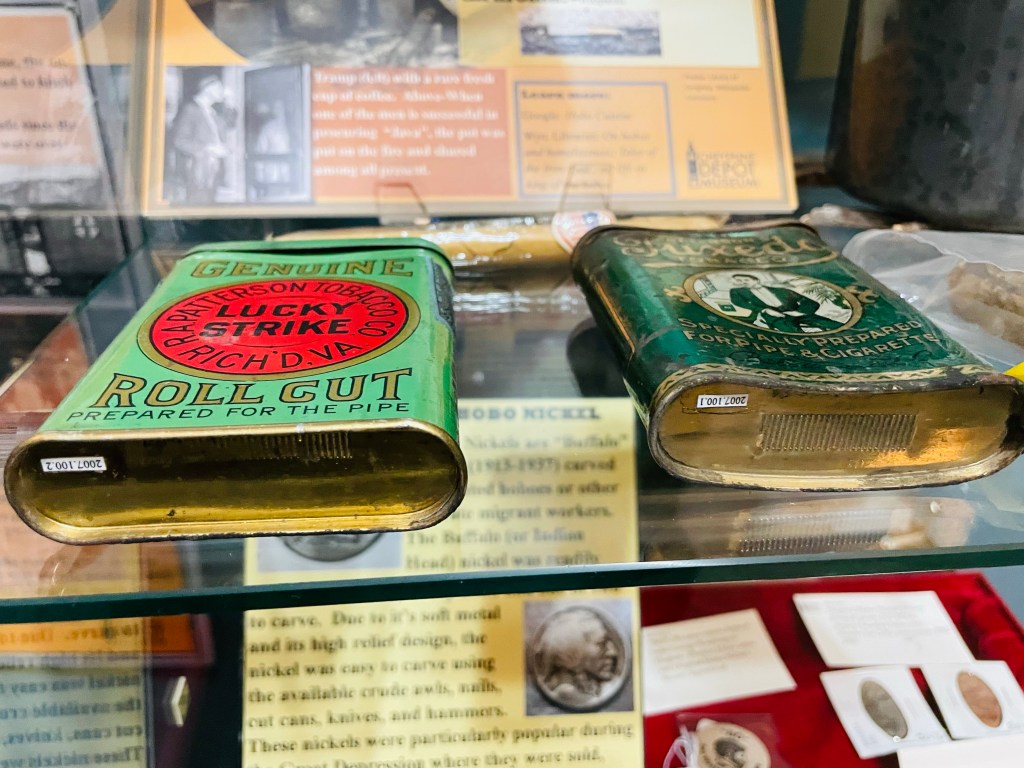
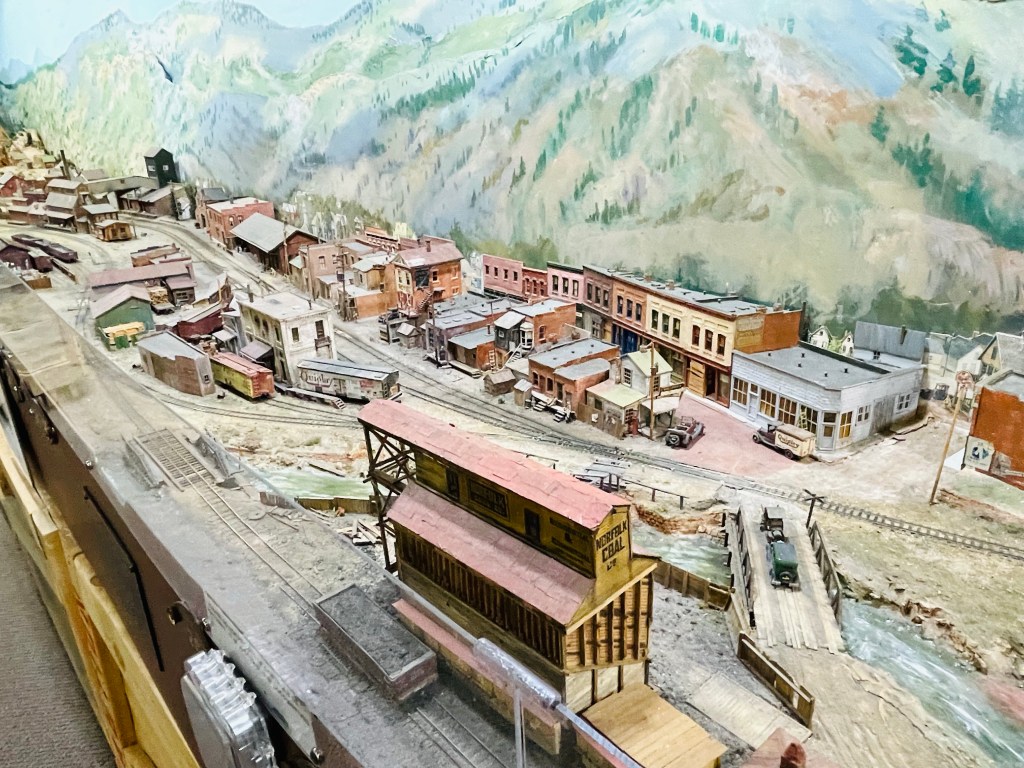
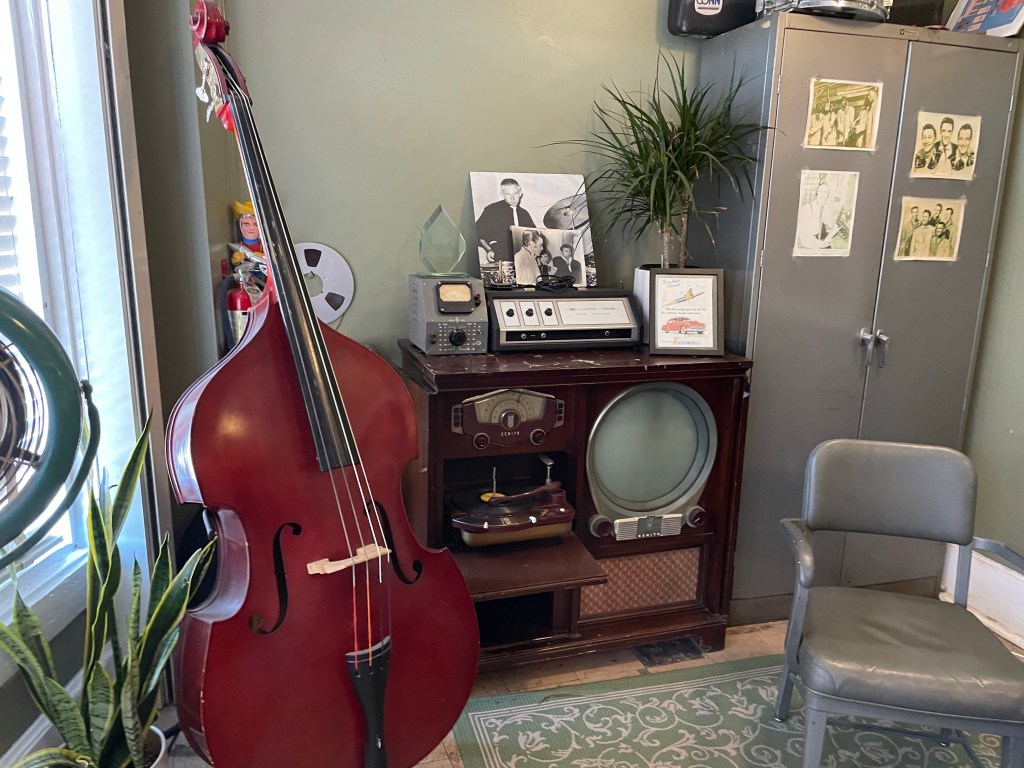
By the way, Jackson wants to share with you today some of his favorite photos of this 1950s display that he savors each day at the Ohio History Museum
















































































































 Snippets of a Traveling Mind
You must be logged in to post a comment.