Remembrances Of A Racist Past

“We must learn to live together as brothers or perish together as fools.” (Dr. Martin Luther King, Jr.)

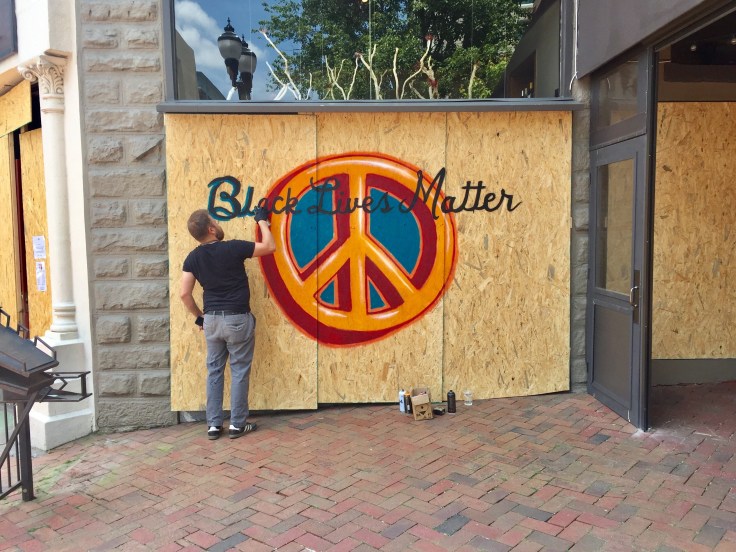
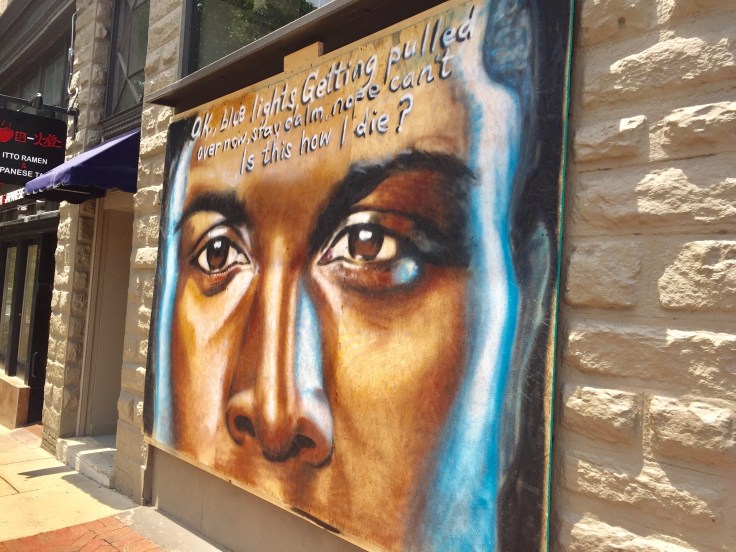
I dedicate the following blog reposting from our road trip past to George Floyd and those demonstrators who so rightfully advocate “Black Lives Matter.”

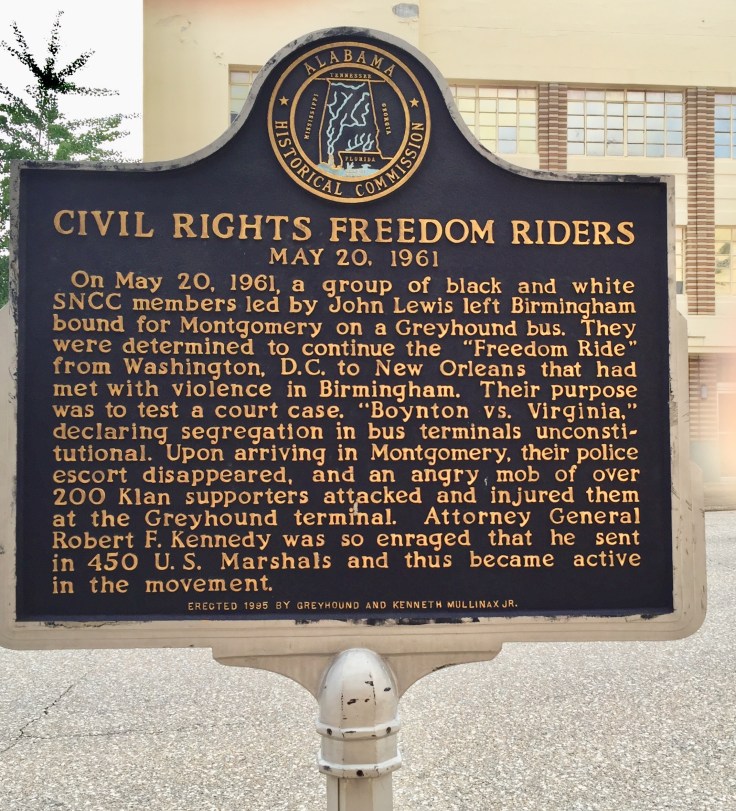
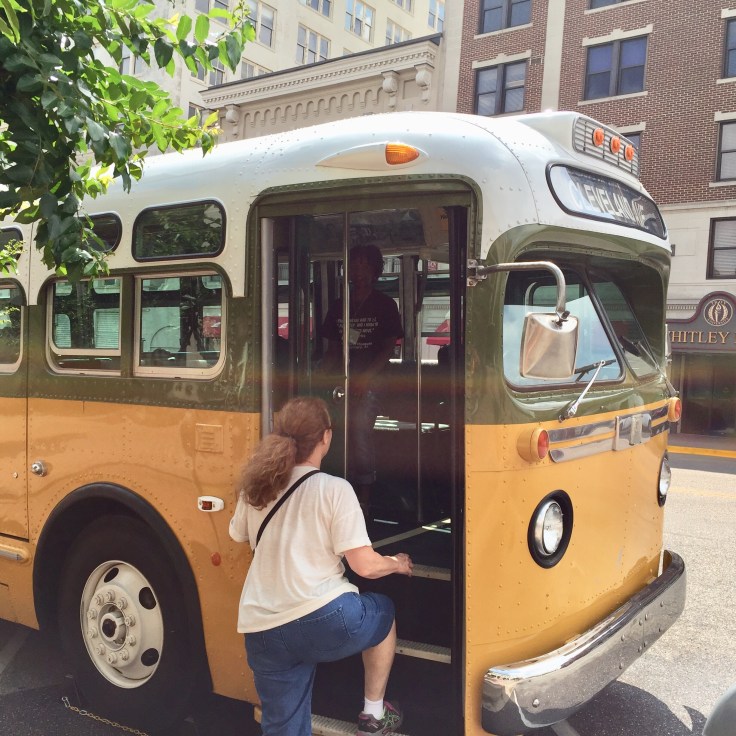
I felt the ghosts of segregation as I walked the downtown streets of Montgomery, Alabama today. It was difficult to imagine a time when a black skinned person could be jailed if they sat in the front of a bus, took a seat at a restaurant lunch counter, or attempted to enter a bus terminal through a whites only passageway. The evidence was clear at the Rosa Parks Museum, however, that these heinous acts of racial discrimination against African Americans were once sanctioned by law in this city. Yet Rosa Parks’’ courage to peacefully reject the injustices of a blatantly, racist system reminded me here that Americans must invoke a  similar resolve to preserve their “liberty, justice, and pursuit of happiness” for all.”

What exactly it meant to be black as I followed the segregationist path of history at this museum confused me. If you looked white, but we’re actually a mulatto black, you might obtain a first class travel ticket. If you were white and painted your face black, you could be adored as a performer in a vaudeville minstrel show. At the federal level, a black could be protected by the equal protection provisions of the 14th amendment but at the state/local level they were sure to be denied basic rights by racist, Jim Crow laws. Accordingly, inner city, public schools were technically integrated by mixed race, yet white flight to suburban communities ultimately re-segregated them over time.

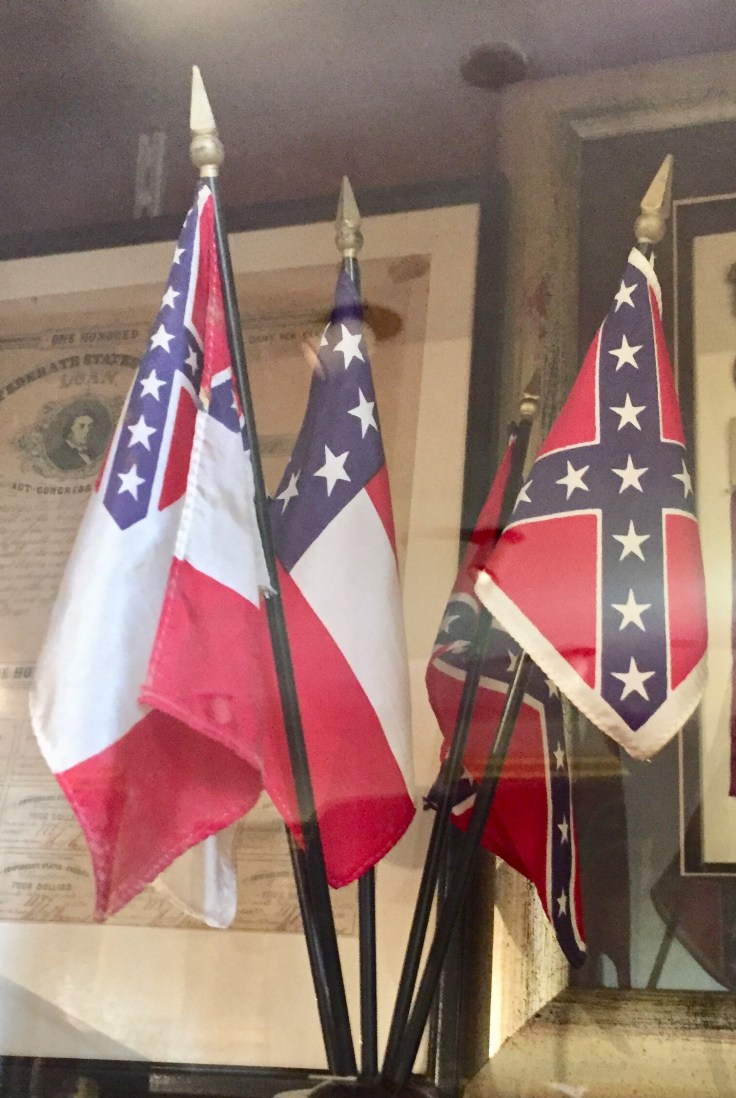
I took a short walk along Dexter Avenue to find the imposing presence of the Alabama State Capitol and the adjoining First White House of the Confederacy. Along the way, rebel flags flew as an anti-abortion protest took place nearby. It was here that Martin Luther King and his freedom fighters ended their peaceful march from Selma to Montgomery after being viciously attacked by angry, white supremacists along the way. Only a simple, Civil Rights Memorial plaque remains today to honor the forty one people who died in this infamous episode of American History.

As I concluded my brief glimpse of Montgomery’s turbulent past, I observed some encouraging signs of a “fair treatment  for all” change. A black college student spoke steadfastly to me of her plans to obtain a doctoral degree in her southern hometown. Some restaurants filled with integrated gatherings of many races. The Confederate flag no longer flew atop of the conspicuous dome of the State Capitol. all. As you observe the following photographs, I hope you will realize that state sanctioned racism of any kind must end.


Human Rights In Fabric

”The museum believes today’s quilters create extraordinary artwork that is a unique and wonderful sensory experience for everyone.” (The National Quilt Museum – Mission Statement)

I’ve always loved the cozy feel of a thickly built quilt. After all, snuggling under a quilt helped me to face those frigid Northeastern Ohio winters in my childhood. I also fondly recall how my late Aunt Lil would donate her colorfully made, homemade quilts to friends/family during holiday times. I would never have expected, however, that a deeper motive behind my aunt’s generosity would be more than providing warmth in winter. For I realize now that her quilting hobby seemed to spread a positive message for human acceptance, decency and kindness.

So with visions of Aunt Lil’s  quilting spirit in mind, I recognized a similar plea for human rights concerns during our road trip visit on June 8 to the National Quilt Museum in Paducah, Kentucky, a small river town on the Ohio River. In the photographs that follow, you will thus view a timely collection of quilts representing (1) victims whose human rights have been denied in our country, (2) famed heroes who fought for them, and (3) those human qualities needed for positive social changes in our country now.

Ruby Bridge, a brave little girl, willingly crossed the lines of segregation in New Orleans to go to school.

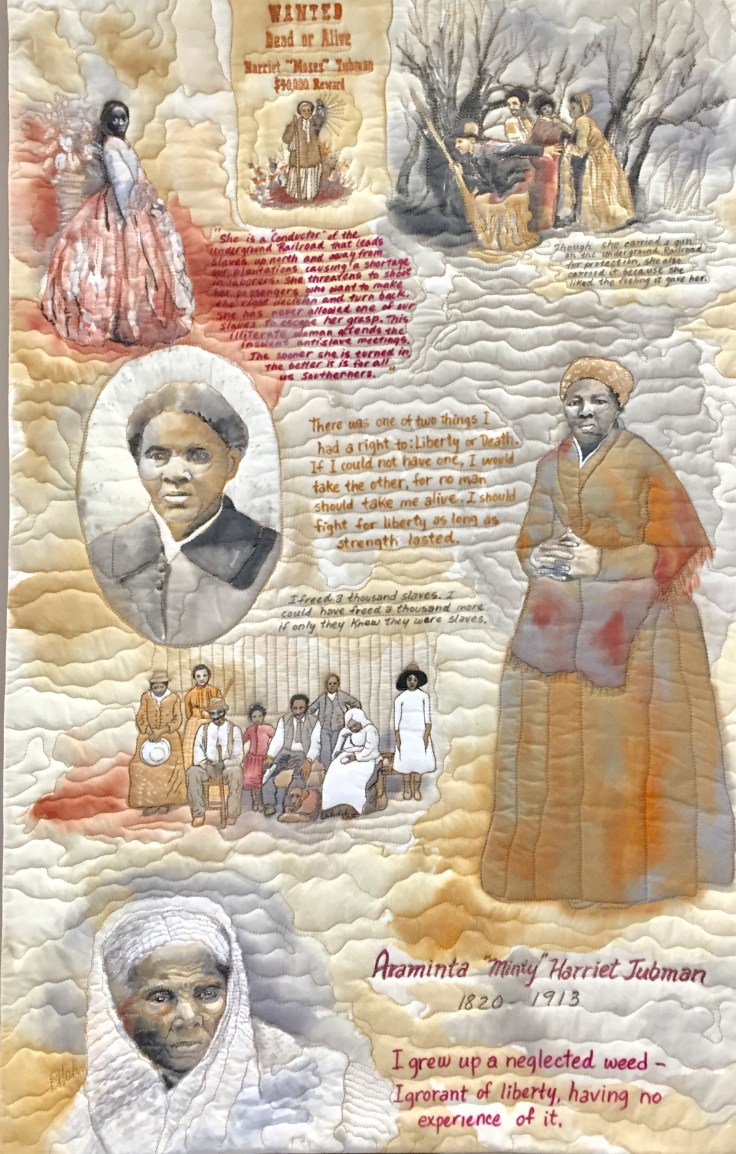
Harriet Tubman helped runaway Southern slaves escape to freedom during the Civil War era.
During the Nazi Holocaust of World War II, Arthur Schindler and other heroic individuals overcame the evils of Anti- Semitism by serving as rescuers of Jewish people at the time.

As baby boomers become “seniors” today, they remain talented, wise, and relevant in today’s world. Will today’s political leaders continue to recognize them fairly?

Nelson Mandela crusaded as a human rights hero to overcome racial apartheid in South Africa.
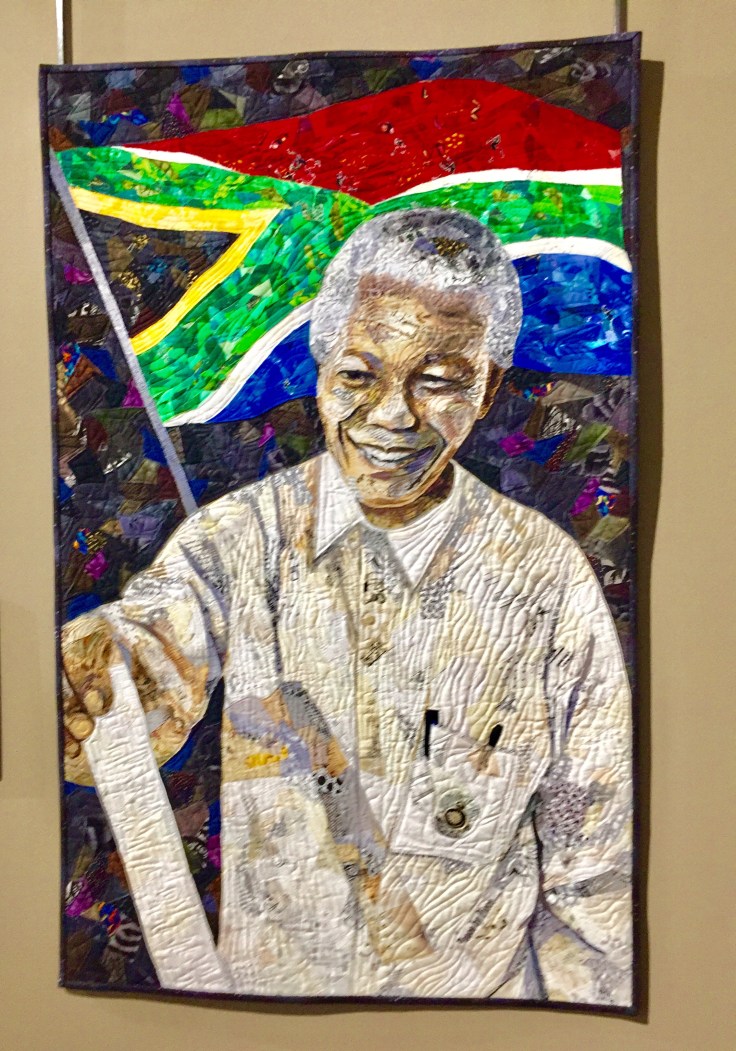
A heavy personal burden rests on those individuals who have been displaced from their homelands for religious/political persecution.

Children are colorblind. Such innocence inspires us to unite against racial injustice and hatred in the world today.

Rosa Park and Dr. Martin Luther King led the crusade for non-violent, civil disobedience to spark interest in passing new Civil Rights laws in America.

Physically challenged individuals advocate human rights under the law to adapt to medical, legal, and public access concerns.

Finding unity in diversity resonates in today’s protest demonstrations of “Black Lives Matter” to counteract the historic evils of racial prejudice in America.

John L. Lewis organized a freedom march of African Americans from Montgomery to Selma, Alabama which led to the passage of the Voting Rights Act Of 1965.

The United Nations recognizes clean water and adequate sanitation are to be considered as basic human right for all peoples of the world.

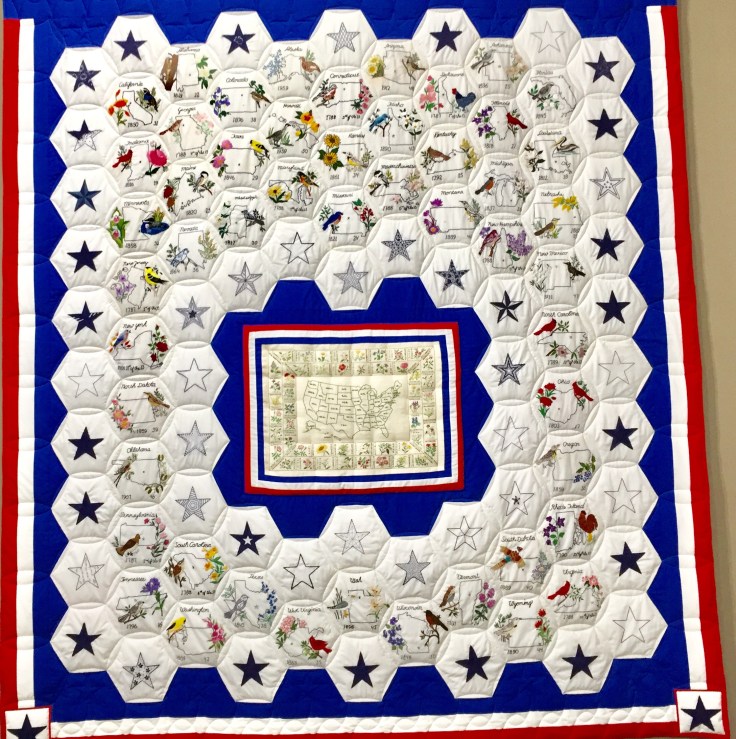
Our free union of states forms a fundamental concept in the concept of America. Does the political will of our country sustain the continuance of that concept?
 

Savoring Smokies Silence

“Keep close to Nature’s heart… and break clear away, once in a while, and climb a mountain or spend a week in the woods. Wash your spirit clean.” (John Muir)

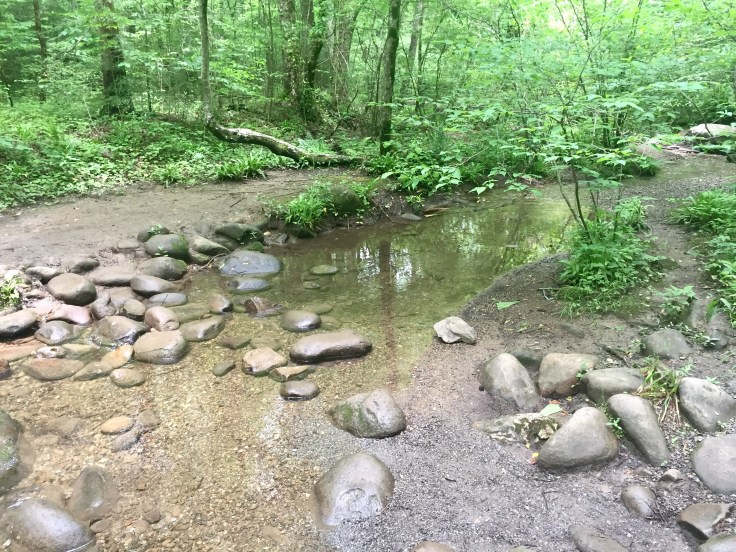
There was a time in my life when a visit to the Great Smoky Mountains offered a daring adventure of inner tube rides along a wildly running river or an arduous hike to the top of a steep mountain. But this other world of youthful physical exuberance has now vanished as Ruth and I pondered a more subdued experience in visiting this popular National Park on our 2020 road trip visit on the first weekend of June. Most assuredly then, these picturesque mountains would now entice us with easier hiking exertion as well as a much desired mental escape from the past three months of pandemic quarantining.

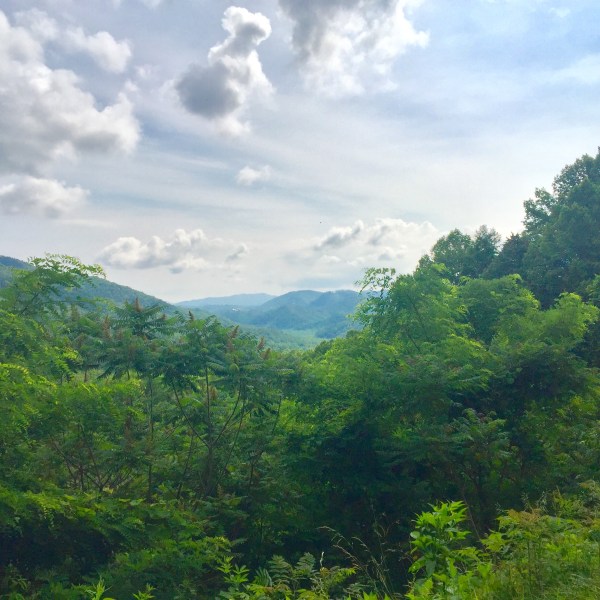
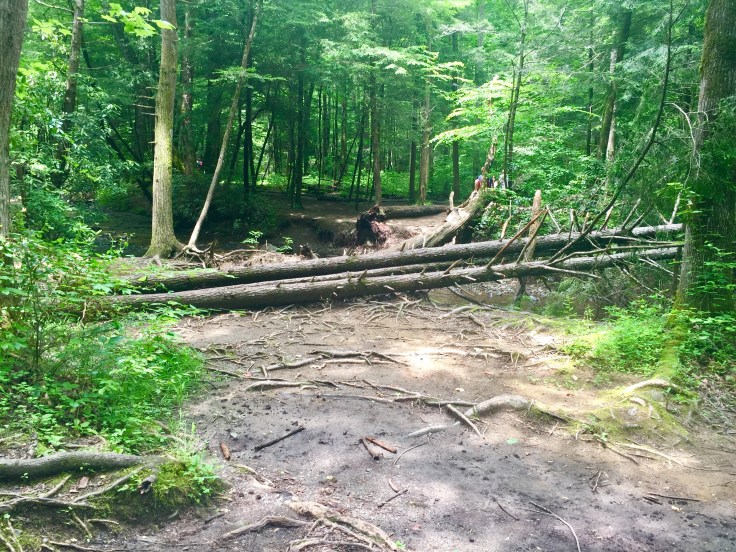
Regretfully, however, so many other tourists in Gatlinburg, Tennessee appeared to have the same thought in mind as we drove through the busy downtown. With heavy traffic gridlock into the park thus arising as a potential problem, we realized that our next morning plans to visit here might have to be changed. It seemed that a timely road turnoff or an empty picnic table would become our less ambitious reality on this day visit if parking near hiking trails could not be found. Good fortune, however, would strike us today as we found two hours of easy hiking bliss along the “Fighting Creek”Nature Trail on our way back to Gatlinburg. For those of you who are tired of those lengthy periods of pandemic isolation, the following photographs might provide you with some outdoor emotional therapy.

Asheville’s Art-Filled Action

“Few people go to art exhibitions nowadays, the art comes to them! “(Chris Geiger)

June 3 -4

When we arrived in the picturesque region of North Carolina’s Blue Ridge Mountains in mid afternoon Wednesday, we anticipated finding a plentiful amount of remote “country” serenity. Yet it seemed unsettling for us to hear about expected pandemic/protest concerns in nearby Asheville and then encounter a strange National Guard presence at our next motel. So as we continued our strategy to “play outdoor tourist” at this second stop of our road trip, racial unrest/social distancing would also be firmly on our mind.

On Thursday morning, we then began a two mile, loop walk in downtown Asheville intending to observe designated sites along the well marked, “Urban Trail.” Unlike “antebellum” preserving Savannah, our casual encounters with a series of creative artworks along today’s walk revealed that while Asheville remains equally proud of its historic past it seems heavily committed as well to progressing forward for a more modernistic image of “New South” values. I would also notice today that on few occasions amidst the quiet of this still heavily quarantined city, racial protest flared noticeably as small crowds of demonstrators gathered on street corners to draw attention to their impassioned cause or to artistically present their latest banners.

In the following photographic display, then, I hope to “feed your head” with the idea that Asheville “on the outside” can be a safely fun stopover in conjunction with any current visit to the nearby Blue Ridge Mountains and/or Smoky Mountain National Park. Next stop: Gatlinburg, Tennessee.

Stately Savannah Survives

“Savannah is a lovely, gentle, sad old city. You can walk through the shadowy, cobbled streets of the town on a tranquil Sunday morning and feel the atmosphere heavy with the burden of lost greatness and relaxed by quiet decay” (Mills Lane)

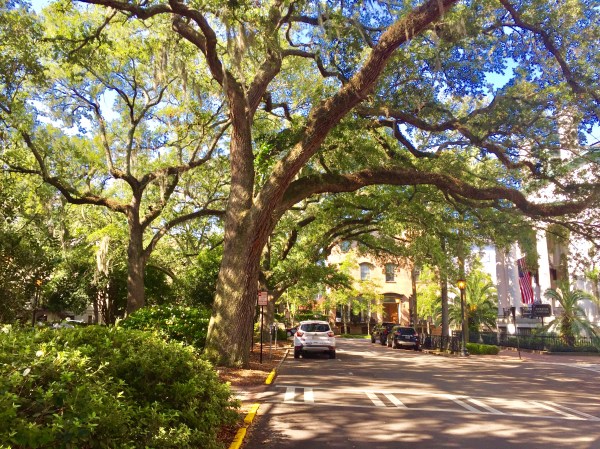
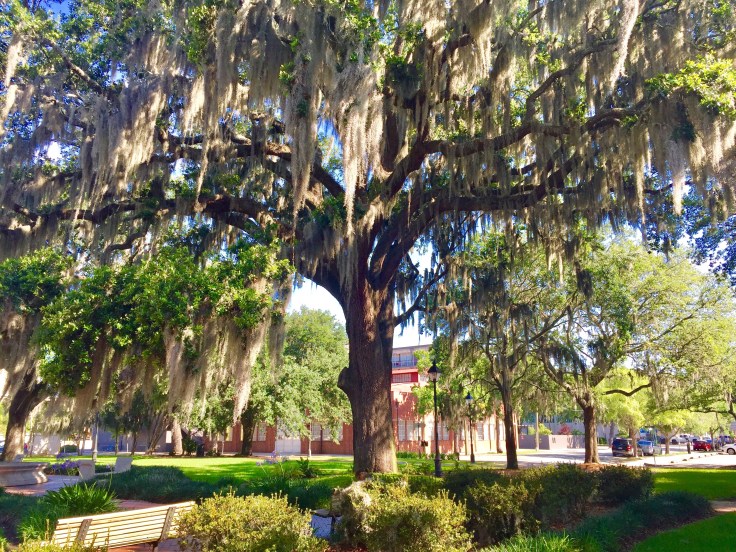
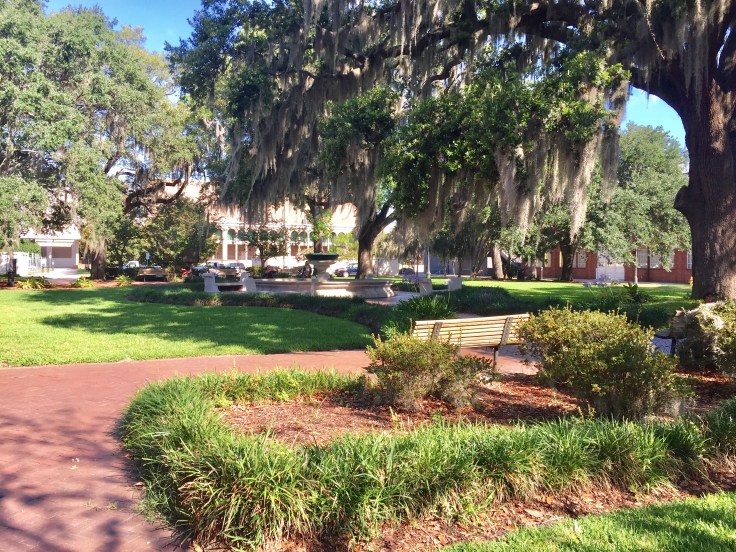
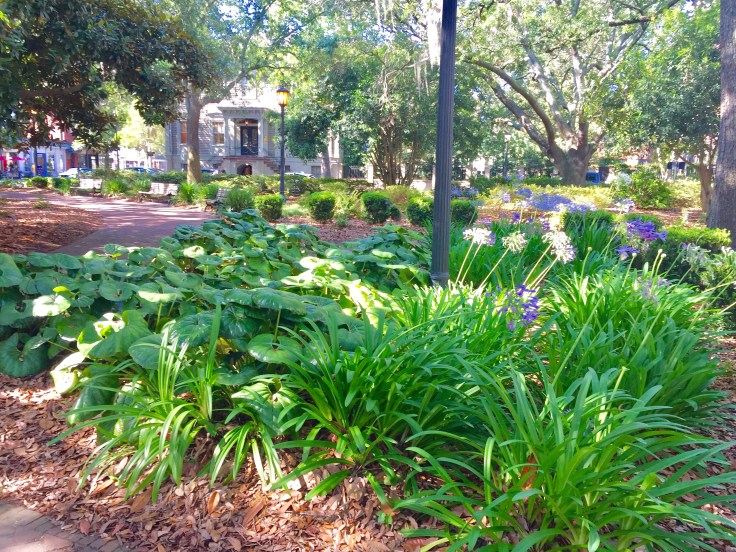
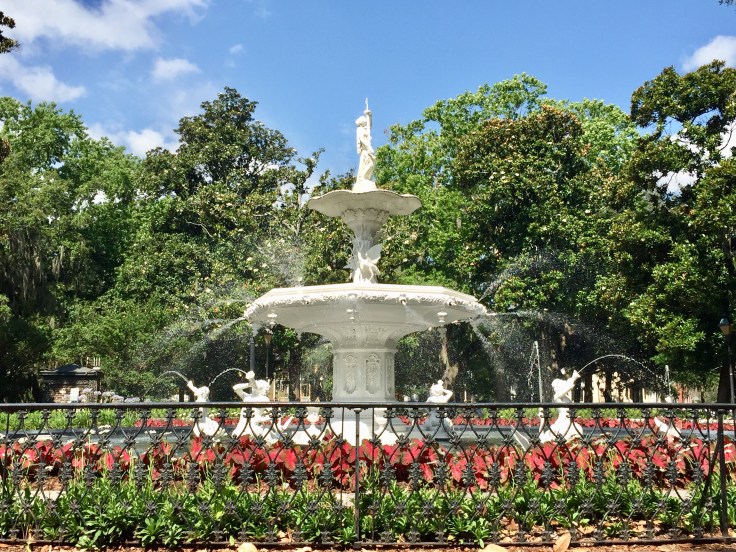
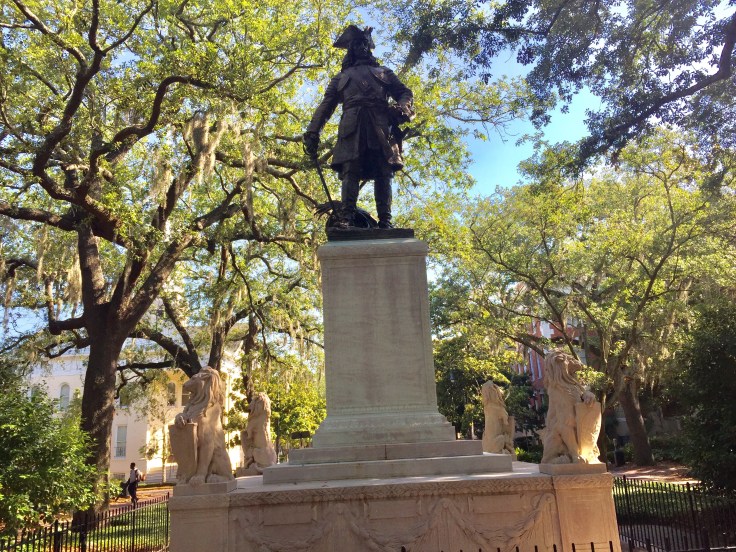
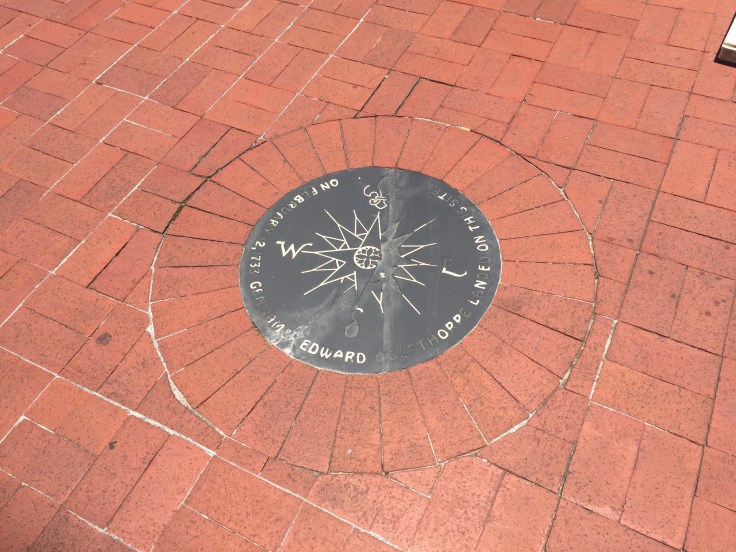
If you ever want to visit an American city that seems to be little changed from colonial America in the late 18th century, then the historic center of Savannah, Georgia fulfills your request quite well. Originally founded in 1733 along the south bank of the Savannah River, the historic center of this town remains a uniquely authentic setting of stately aristocratic mansions, tranquil public squares, towering Christian churches and heartwarming statue remembrances. Sadly, however, we anticipated that our tour options of Savannah’s historic past would be somewhat limited as we realized that many sites in the city would be closed during the duration of our three day stay because of the Covid 19 shutdown.

So we would thus opt for a walking tour on this inaugural Monday morning of our 2020 road trip to provide us with an exclusively outdoor glimpse of the old town area. For the next two hours, as we sauntered along Old Savanna’s wide avenues seeking tree shaded cool from oppressive summer heat, we were fortunate to discover so many surviving vestiges of Old Savannah’s glorious past. After regaining our energy with a a leisurely lunch stop in the City Market vicinity of Old Town, today’s tour would resume along the River Street pathway for a cobblestone look at seafaring, colonial times I thus invite you to travel back in time as I share with you an authentic glimpse of Old Savannah in the following photographic showcase. For my political enthusiasts , I note that anti-police protests had recently taken place in downtown Savannah minutes before we arrived. Yet I observed no evidence then of vandalized property destruction or enhanced law enforcement security.

Road-Trip Plan 2020

Ruth and I will begin our 2020 summer road trip on Saturday, May 31 from Fort Lauderdale, Florida. Our first stopover of this two month journey will take place in Savannah, Georgia. USFMAN looks forward to posting his weekly blog postings/photos for red dot areas we will visit on the above reposted map.  I would also welcome your health/safety comments that pertain to any of these pinpointed regions. Thank you for continuing to find interest in “Snippets of the Traveling Mind.” Stay well and Namaste.

Flaneuring Not Hurrying


Flaneur – “Someone who walks around not doing anything in particular but watching people and society” (Cambridge Dictionary)

Many of us now grow weary of the enduring idleness at home because of the Corona pandemic lockdown. So let us “turn the tables” and imagine that today represents the first time since this self quarantine began that you felt safely willing and able to venture outdoors for a refreshing walk around your neighborhood. Since you are already in slowdown mode from being cooped up inside, it suddenly feels more natural to stroll casually rather than “ramp up your hiking pace today. Although there are familiar surroundings that you will obviously observe in your neighborhood then then, you may also notice unexpected images which you have never seemed to recognize before: perhaps the colors of a blossoming tree, the shape of a street sign, the smell of a rain gutter, the touch of a fallen leaf, or the sound of a flag flapping in the breeze.

As you continue on your path to such unexpected encounters, you begin to romanticize innocent memories of your youthful past. It begins to rain but you seemingly don’t care today about getting wet. Only the refreshing cool of the falling drops on your body enters your mind now. Your walk then quietly ends as you take a seat on a lonely park bench feeling a calm appreciation for the beautifully fresh greenness that surrounds you now.

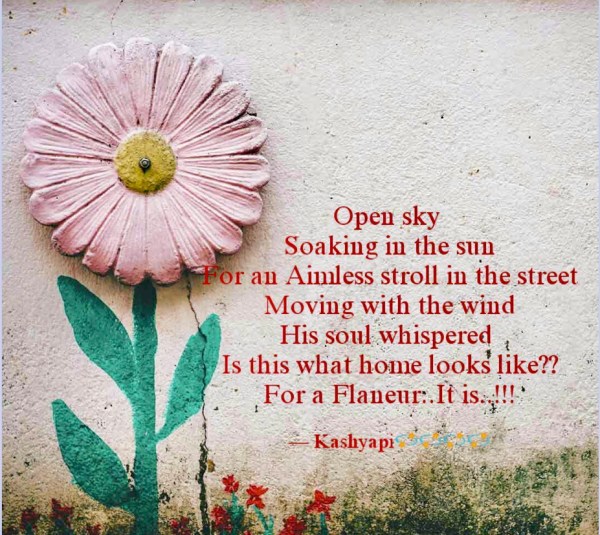
Welcome to “Flaneuring” or the intentional act of aimless wandering, as outlined in Erica Owen’s novel , “The Art Of Flaneuring – How to Wander With Intention and Discover a Better Life.” So many of us today thrive on time driven, task deadlines to move from point A to point B. Yet Owen teaches us the personal value of finding slower times during our day to be outside simply for the sake of being outside. He accordingly recommends that we must maximize use of all of our human senses as we venture out to discover self- revelations of the unexpected moment encountered during such aimless wanderings.

So let’s practice our “Flaneuring” skill potential in more of an urban-like setting. Imagine you are traveling to Paris, France on your first post-pandemic vacation. As you feel relieved to be on the outside again, you’ve reasoned it best to take your time on a leisurely walk around the city. Now observe any thoughts/emotions that arise as you conduct this imagined walk via one or several of the places presented in the video below. I recommend as well that you stop and restart the tape as needed to give yourself additional time to jot down brief notes about such mental images observed for any particular photo of interest. Perhaps you will be surprised then by a strong sense of a certain color, taste, smell, sound, or even the warmth or coldness of touch. For a further challenge, you might try meditating in silence for a few minutes about a particular photo and visualize how this setting provides a positive impact to your current emotional state now. Stay safe and healthy this summer. Namaste .

Road Trip Resilience Tested

“It takes a great deal of courage to see the world in all its tainted glory, and still to love it.” (Oscar Wilde)

When Ruth and I returned from India at the beginning of March, we seriously wondered if we had placed our health in jeopardy on this vacation by being exposed to the spread of the Corona Virus. After all, we had flown back from Kochi to Miami on two long flights filled with primarily Asian passengers. So although we in fact remained healthily free of the virus, fear of exposure and resultant home quarantine became our daily norm.

Almost three months later, any thoughts of cruising or plane travel in the near future are quickly dismissed as out of the question now with social distancing firmly embedded in our mind. Yet our enduring isolation has created a powerful need to explore open spaces of the great outdoors again. So these two former teachers will resume our latest road trip adventure from Fort Lauderdale west in June/July with a counterclockwise, loop itinerary as shown in the map photo above.

So tell me fine readers why are two restless wanderers willing to “roll the dice” and get on the road again amidst life’s health uncertainties now? Is it simply too soon? Yet if you settle into the lyrics of this iconic “Traveling Wilburys” song below, I suppose you will hear strongly our answer. “Well it’s alright.”
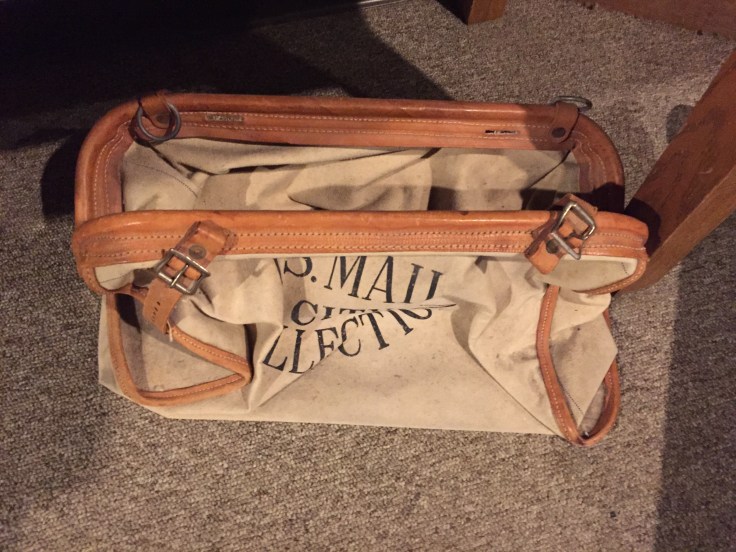
“Well it’s alright. Even if you’re old and gray.”

The nostalgic spirit of youthful curiosity will never grow old for us along Route 66 and other historic roads “off the beaten track.”

“Well it’s alright. Even if the sun don’t shine.”

Rock and Roll, Indians/Browns sports and a tranquil walk along Lake Erie are always a happy combination to visit in any kind of weather for this Cleveland bred man.

“Well it’s alright. As long as you lend a hand.”

The environmental movement reigns strong in the Pacific Northwest and we are often willing to lend a “go-green” hand there to preserve and protect the fragile natural environment.

“Well it’s alright. Sometimes you gotta stay strong.”

Anticipating those challenging road trip hikes like the deceptively steep gullies at Utah’s Goblin State Park provides plenty of motivation for us to be more mindful of staying physically fit as “baby boomers” throughout the year.

“Well it’s alright. Riding around in the breeze.”

Experiencing the vast expanse of wide open spaces as we traverse the dry deserts of the American West provides an exhilarating feeling of personal solitude and freedom.

“Well it’s alright. If you live the life you please.”

To stand in awe amidst the towering vortexes of Sedona, Arizona radiates the positive energy of peaceful contentment of a life well served.

“Well it’s alright. As long as you got somewhere to lay.”

Breathe in the fresh air of a free flowing, mountainside river that lulls you to sit awhile in lonely solitude. Now that’s the sort of social distancing that I can live with well.

“Well it’s alright. We’re going to the end of the line.”

Traveling over 3,000 miles from Atlantic to Pacific shores by car typically manifests for us as an arduously long marathon. At the end of our journey, you might expect then we would find this spectacular view over a “Big Sur” cliffside to be the ideal spot to bask in the success of what we have accomplished.

“Well it’s alright. Remember to live to let live.”

You might wonder why I would hug this California Redwood tree. Very simply, both of our species are united as living earth companions who share an enduring will to survive.

“Well it’s alright. If you got someone to love.”

Any thoughts of experiencing Corona pandemic loneliness as we travel along the road are banished as so many of our friends welcome us into their lives again in person.

“Well it’s alright. The best you can do is forgive.”

History teaches me to never forget that the lessons of the past often repeat in the present. I thus stand solemnly on our road trips by such important historical monuments as this Gettysburg Address Memorial hoping to find time tested ways toward becoming a uniter rather than a divider of both friend and foe.

A Timely Seclusion

“There is a charm in solitude that cheers.
A feeling that the world knows nothing of.
A green delight the wounded mind endears.
After the hustling world is broken off…”(John Clare)

Let’s face it. Covid -19 has required an immense personal sacrifice for over two months now. As each day’s routine now seemingly feels the same, I’ve thus dutifully followed the recommended plan to stay wisely at home, stop non-essential travel, trust shopping online, and make use of “virtual” mediums to avoid direct human contact. Yet in spite of these safeguards, increasingly it seems that I feel trapped like a prisoner in my own home. How about you? 

So many puzzling questions thus quickly arise about easing the strain of my semi-quarantine status. How can my wife and I avoid infringing on each other’s personal space to conduct our own private lives? By what means can I effectively deal with my “cabin fever” which festers negative mind distractions that are psychologically harmful? What steps can I take to avoid eating out of idle time boredom ? How can I energize my daily routine to avoid sitting in sedentary laziness on my living room couch?

So with social distancing firmly in place now and for the unforeseeable future, I’m determined to shift my awareness to finding more productive opportunities outside. Picture me then taking up bike riding again as I often did as a restless teenager seeking new adventures growing up in South Florida. Yet a spirited ride for me as I continue to endure this health crisis rut will serve as a much needed escape from home to new places of solitude/silence. I’ve thus thankfully discovered that the visually stimulating grounds of nearby Nova Southeastern University serves as an ideal destination for my daily biking endeavors. For here I can pleasantly “soak in” the subtropical natural beauty of South Florida as spring time emerges as well as reviving my “happy day” passions of my youthful college past. So join me in my quest for serenity as I pedal quietly around NSU’s main campus on a gorgeously sunny weekday morning in the following photograph display.

The NSU Taft and Rosenthal University Centers normally bustle in daytime with campus life. But as I passed by these impressive looking landmarks, the soothing presence of flowing water from a “Shark” mascot fountain seemed to take center stage” in my attention today.

This statue of famed South Florida entrepreneur Wayne Huizenga sitting under a pleasantly shaded tree tempted me to sit contentedly next to him for awhile on this shaded bench.

In the late 1980s, I taught freshman college classes as an adjunct English professor in the Parker Building below. Being no longer “caught up” in the time driven dash to and from class from those days, I discovered a freshly new outlook of these environs by conducting a pleasant walk along these lush vegetative corridors.

The current Miami Dolphins training facility prominently stands out along the northerly perimeter grounds of NSU. Yet the eerie silence emanating from these locked facilities provided a stark reminder that spectator sports might soon become for me a much more solitary hobby.

The diverse ecosystem of tropical flora at NSU’s Medicinal Healing Garden nearby the Parker Building provided a secluded place for me to quietly unwind from Corona’s life challenges. Good idea that I brought my insect repellent here today.

Self meditation also provided an inspiring activity at the NSU Healing Garden as I found the perfect flower to focus my full attention on.

I often stopped to read at benches set along a picturesque loop path overlooking Gold Circle Lake near the NSU Administration Building and Law School complex.

Plenty of hungry reptile and aviary life also congregated at Gold Circle Lake to keep me company. I never realized that iguanas love bananas.

This inviting park bench area outside the NSU bookstore provided positive memories of my youthful energy to embrace the act of serious textbook study sitting outside as a graduate student in the past at NSU. Incidentally, the need to find Wi-Fi access was not a big issue back then.

Does this open green at NSU look like a nice place to unwind from a stressful day in class? Does anyone feel like throwing me a frisbee?


Quarantine Art Therapy

“There’s no place like home.” (Dorothy, The Wizard of Oz)

“Every person is different, every home is different, every item is different, and we all have to decide how best to approach the clutter in our lives and homes based on our own values, sentiments, circumstances, and priorities.” (Taylor Haskins)

Ok let’s face it. Since Ruth and I have been “cooped up” in our home because of the Corona Pandemic, we now spend considerably more time familiarizing ourselves more deeply with our room interiors. Witness my wife’s practical attitude that the current slowdown the Corona slowdown provides an excellent time to diligently rearrange the location of furniture or remove/add objects from tables/desks in our condo at least once a week. I, however, find a more “inner” connection to the current isolation I face in my home’s physical surroundings. For in such semi- quarantined living conditions now, I’ve become inspired by a Getty Art Museum Challenge to test my artistic talents as I express my current mental state in these matching photographs that follow.

To gain more personal benefit from this blog, I recommend you create your own home version of this Getty Museum Challenge. To get started, click on the You Tube link below

The downtrodden pose of this elderly man reminds me that there are so many victims of the pandemic’s wrath who desperately need more government help now. Everyone deserves a safe cocoon from the airborne spread of Covid -19 now.

With shades of Mahatma Gandhi in mind as I face the extended “downtime” pandemic, I look forward to these simpler times of quiet reflection and extended silent reading.

I struggle now to replace the soothing slowness of a Major League Baseball Game with a worthy replacement activity at night to equally occupy my attention.

Where is Francisco Lindor’s infectious smile and brilliance as a baseball hero these days when I need him?

The loss of human touch seeps sadly in to my mind in this era of social distancing. So a quick squirt of sanitizer on my hand and I can imagine a world of such closeness again.

When “cabin fever” sets in, I pedal outside to feel the fresh air caress my face and embrace the passing glory of wild nature.

I’m saddened by the teenager depicted in this picture who will likely face  the loss of peer social interaction with imminent school closures. Yet the slowdown seems to be an ideal time for him/her to reach out to others by volunteering.

I wonder about fulfilling the challenge of using my breathing mask and maintaining a social distance wherever I travel in the future?


Source: Getty Museum Art Challenge

http://www.mymodernmet.com/recreate-art-history-challenge/


Blog at WordPress.com.

Up ↑