Moseying Around Mansion Row

“ A beach house isn’t just real estate. It’s a state of mind.” (Douglas Adams)

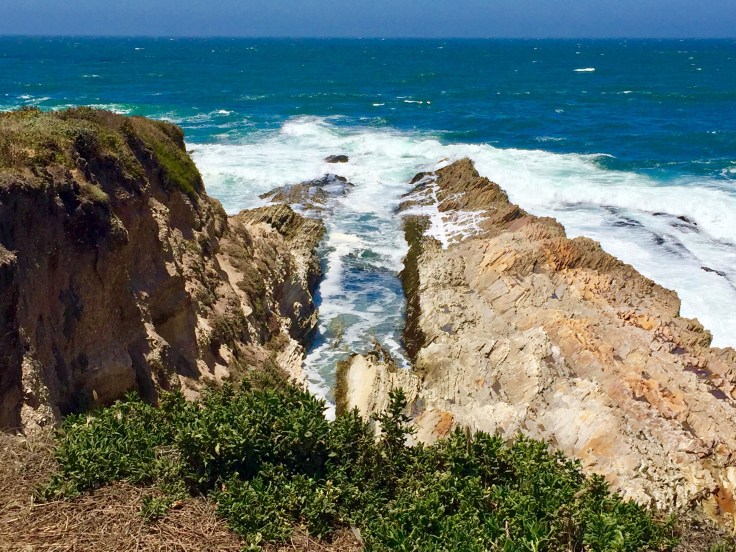
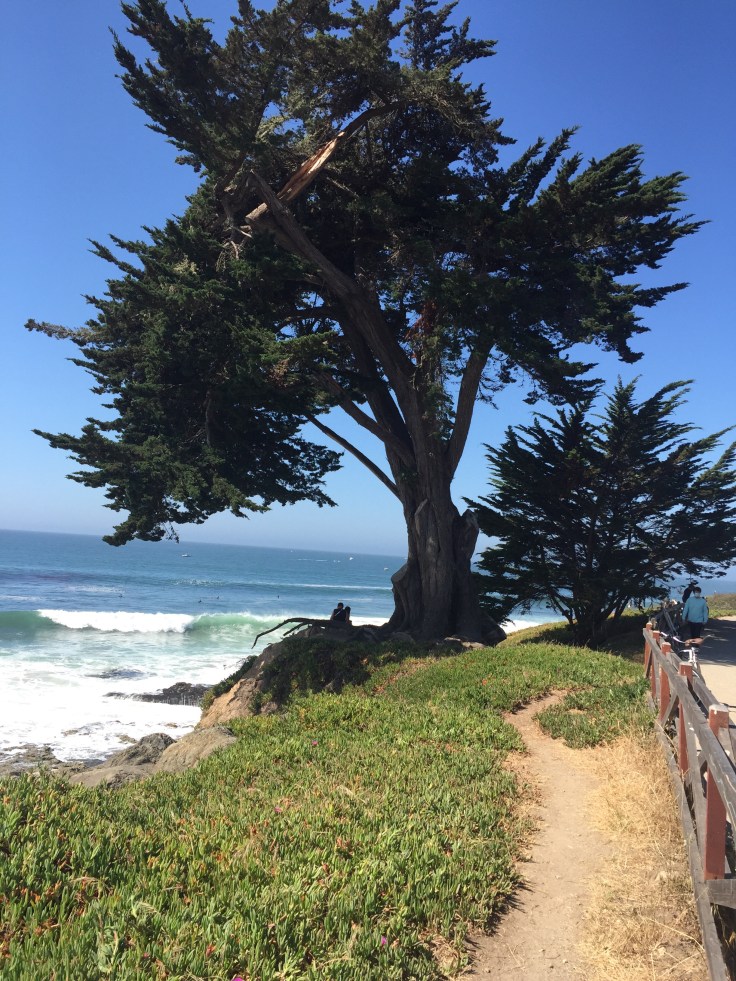
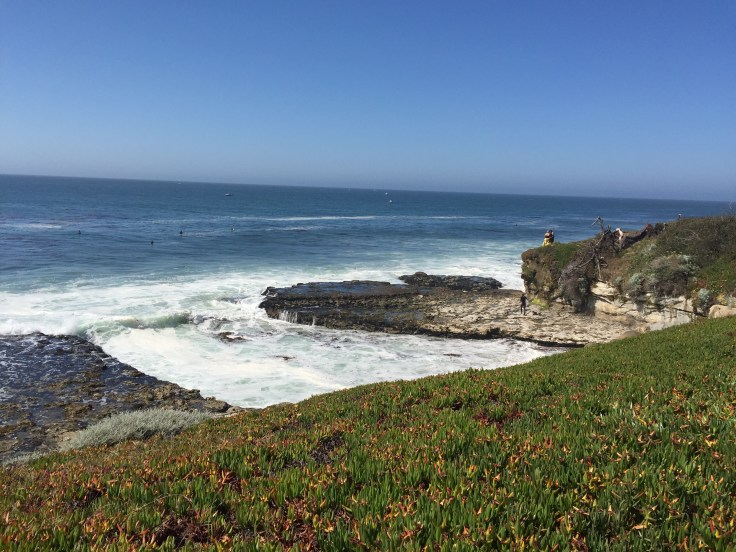
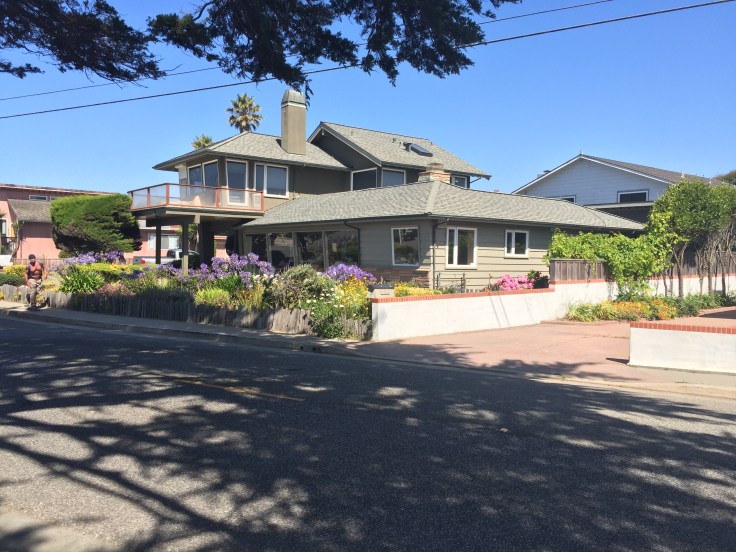
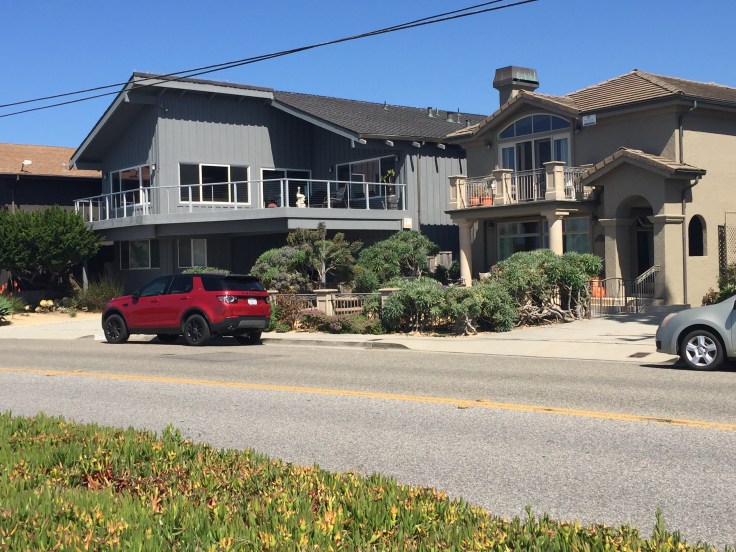
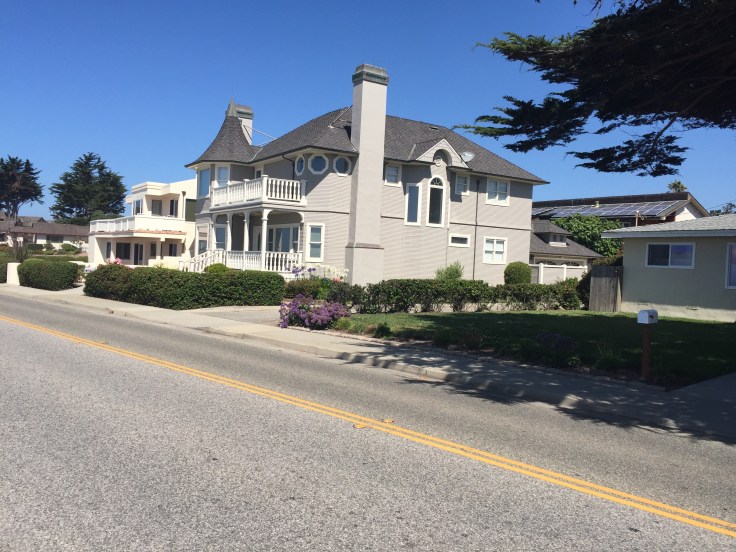
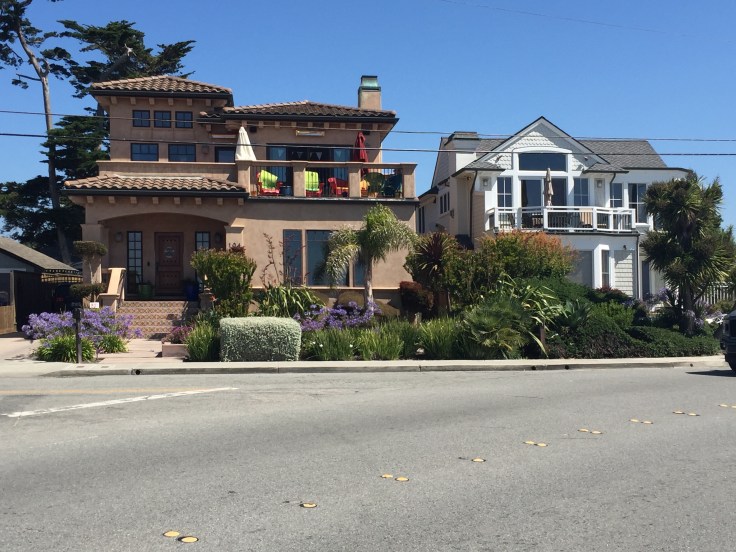
Ruth and I have frequently stopped to visit our friends Bobbi and John in the Northern California region of Santa Cruz since the 1980s. Serving now as a popular travel escape for the San Francisco Bay crowd as well a liberal minded college town-surfing cultural hub, Santa Cruz struggles to retain its “laidback” bohemian reputation of former times. It’s major road arteries are simply too congested now to drive amid growing urban sprawl surroundings. So on our road trip visit to Santa Cruz this past weekend, we seemed fortunate to witness glimpses of this historic town’s historic, pedestrian friendly past with a post 4th of July walk with John along the mansion lined corridor of West Cliff Drive. 

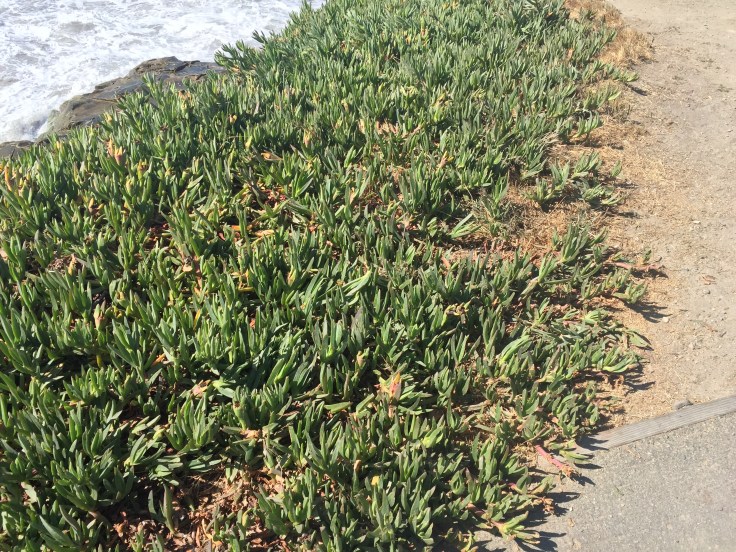
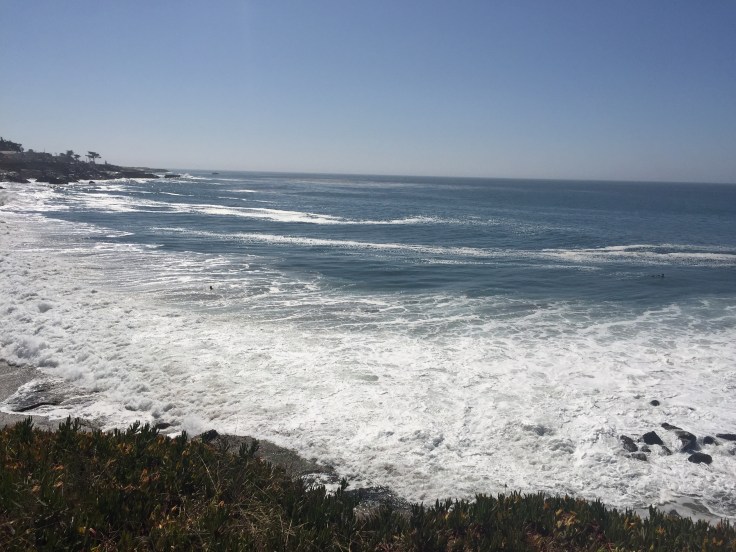
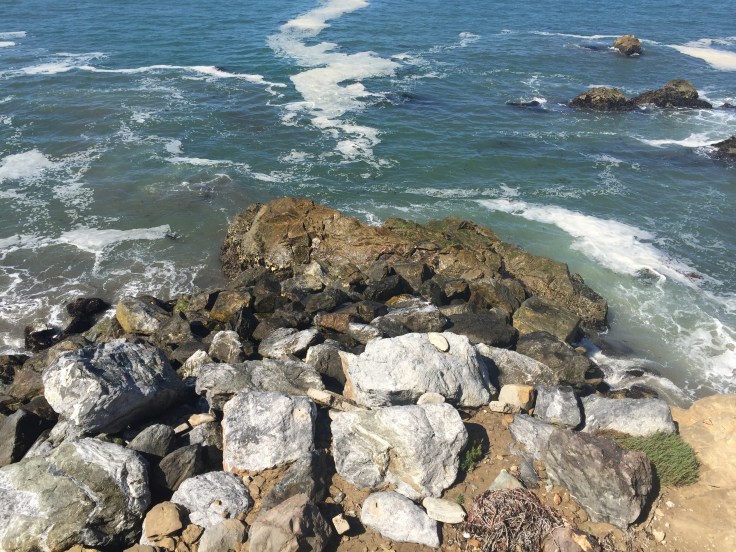
Imagine then the direct conflict of public vs. private land use values that we observed along our hike today. On the inland side of West Cliff, one could imagine a multimillion dollar sales figure exclusively for the wealthy buyer to purchase one of these estates. While a casual glance to the adjacent beach side would reveal in direct opposition a sustained public commitment to provide free and open access to “Mother Nature” for all. So as you observe the following photograph set, ask yourself to what extent do you feel the need to protect and preserve America’s coastal beachfront lands for future public enjoyment?

In Bay Broken Busy Mode

If you are always trying to be normal, you will never know how amazing you can be. (Maya Angelou)

The streets of San Francisco Bay Area seemed eerily quiet and absent of traffic as Ruth and I arrived in nearby San Rafael, California for a three day, road trip visit. Our friend Dan who lives downtown had advised us of severe shutdown issues there prior to our visit so we realized the need to take social distancing measures seriously. As we watched Governor Gavin Newsom read off the latest Corona restrictions on television, we also grasped that live attendance at sporting events, concerts, beaches, movies, plays, and indoor eateries would continue to be off limits for awhile. For “Bay Area” Californians faced the realistic need to continue battling the Corona problem with such austere measures now hoping for its safe resolution in the long run.

Under these present circumstances then, what touristic activities out of the norm in San Francisco made sense for us amid this continuing health crisis? Perhaps a simple city drive or beach view would render a more observant eye for detail. Or as tourist visits to art museums, shopping centers and waterfront activities remained unavailable, money could be saved by seeking out free or inexpensive sources of entertainment. Even a short “dead end” trek to nowhere in particular might spark a fresh taste of fun. So let’s go photographic exploring for two, gorgeously sunny days at this “city by the bay.”

Driving along the steep hills of downtown San Francisco, these normally busy urban corridors were noticeably missing pedestrian and vehicle movement.

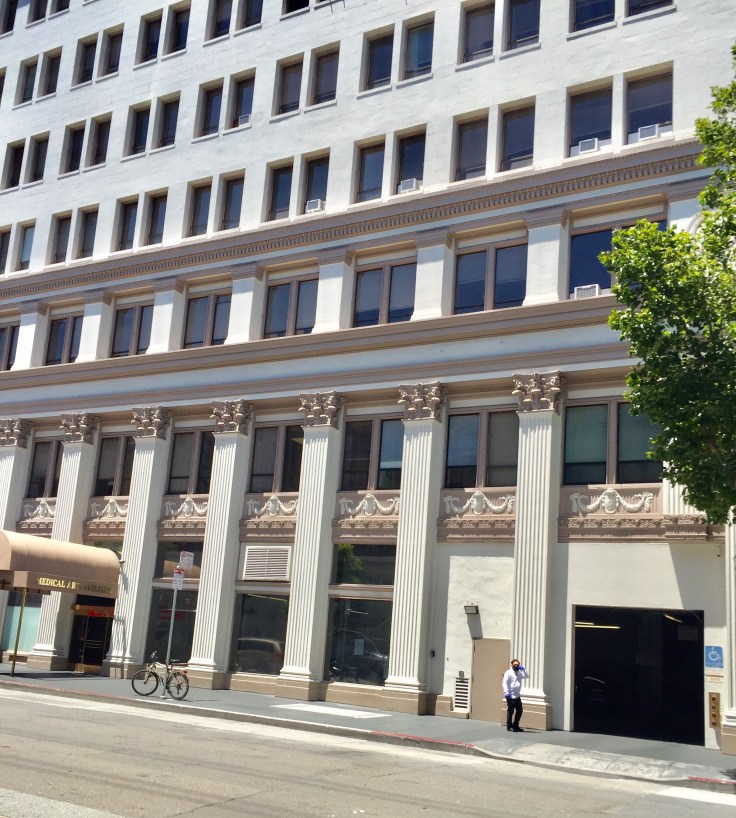
So I seemed more aware amid such driving solace of interesting architectural features of surrounding buildings.

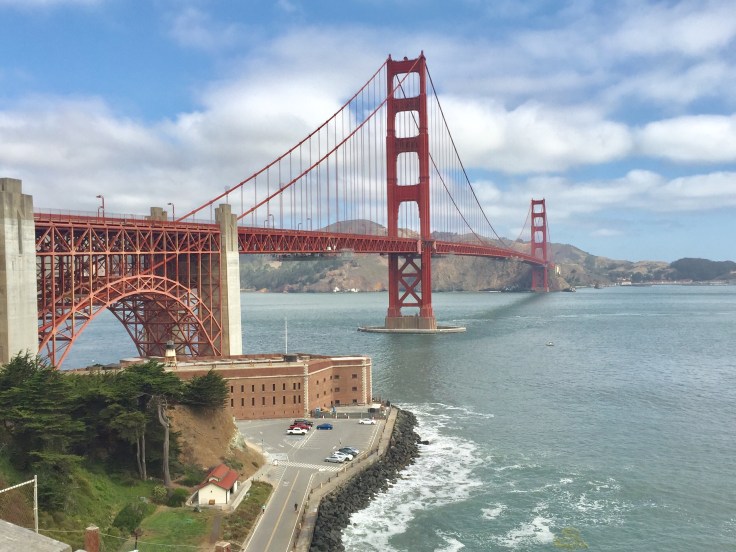
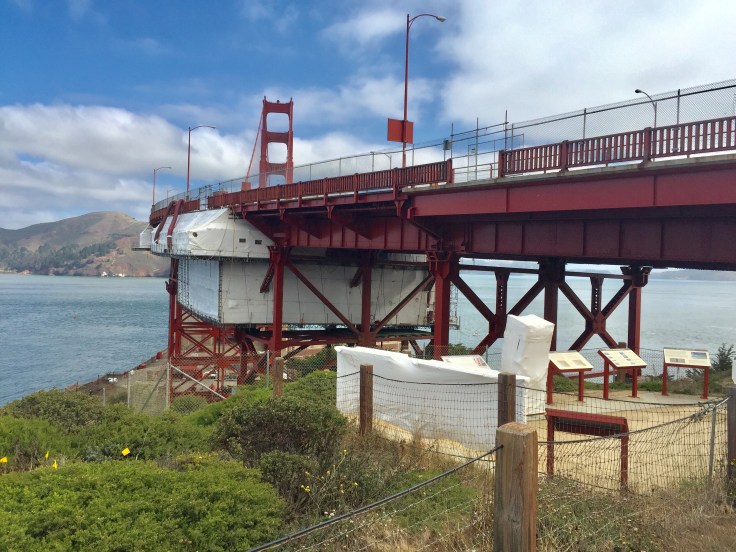
We’ve crossed the majestic Golden Gate Bridge by car many times but have rarely taken the time to stop at nearby overlooks for a close up view.

Yet a short walk below the south entrance of this iconic bridge span provided a more intimate look at the this engineering marvel as well as several new vantage points of the San Francisco Bay environs beyond.

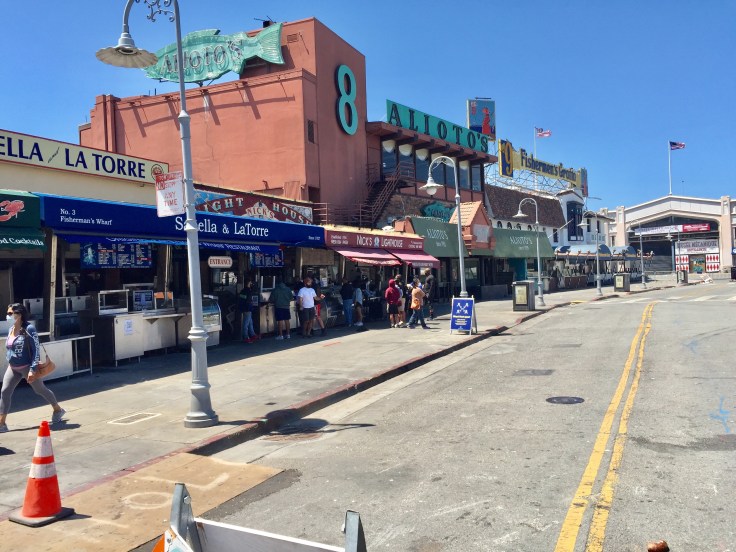
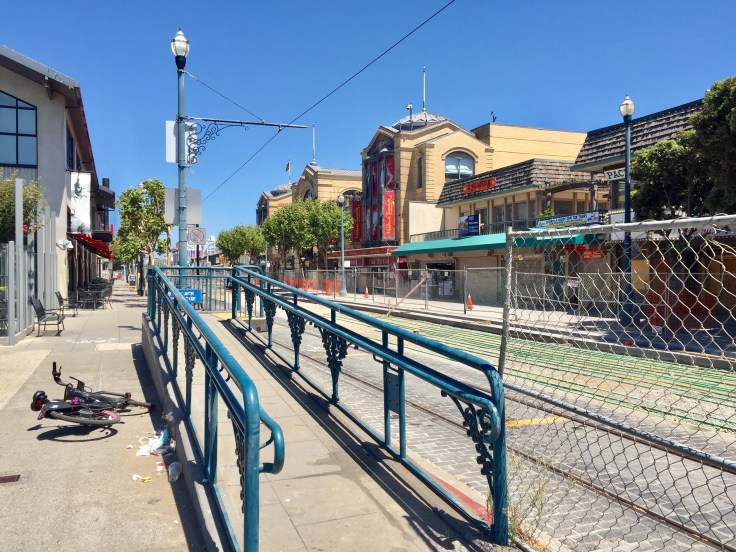
A normal day at famed Fisherman’s Wharf would attract throngs of tourists. But business there seemed to be severely hurting because of Covid- 19 on the day of our visit.

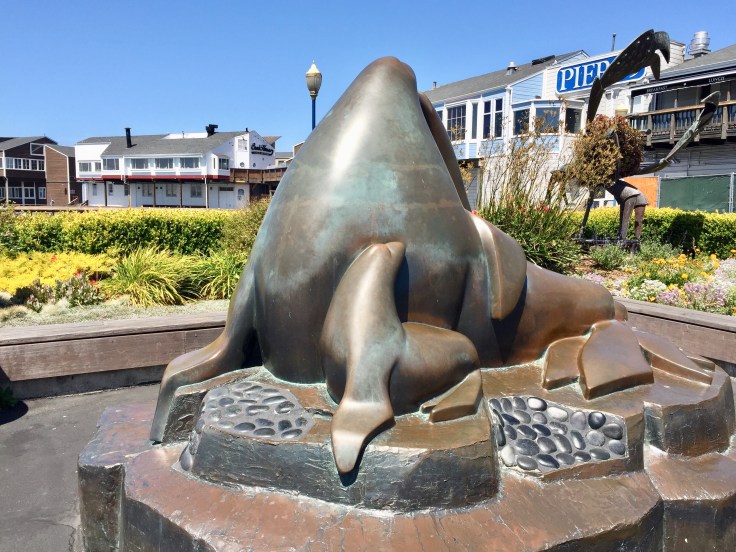
Perhaps we could find more excitement at nearby Pier 39. For thirty years, large numbers of harbor seals have congregated along the nearby jetties there. But sadly, the seals are now all gone. So we had to settle for a series of eye catching artpieces symbolizing their enduring presence there.

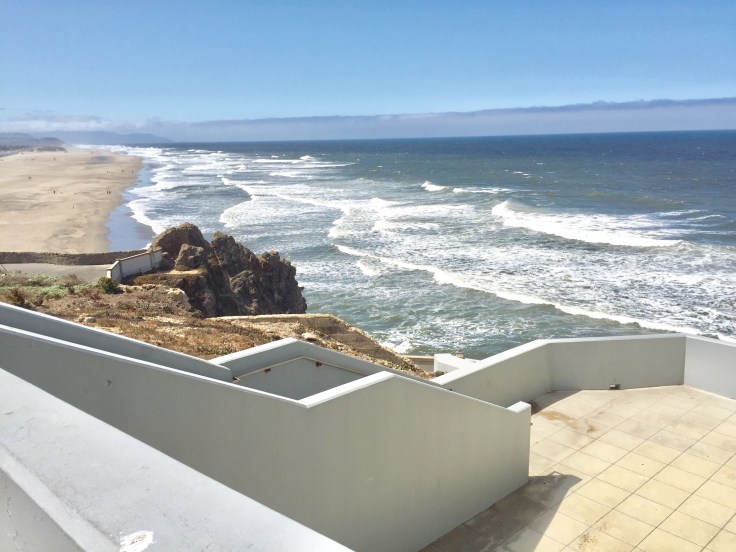
The Cliff House along a steep promontory of San Francisco Bay normally would provide an ideal patio spot to sit for for a relaxing lunch and enjoy a classic oceanside view.

But today, we would “make due” with a “takeout” clam chowder and venture out to find new “overlooks” of scenic view.

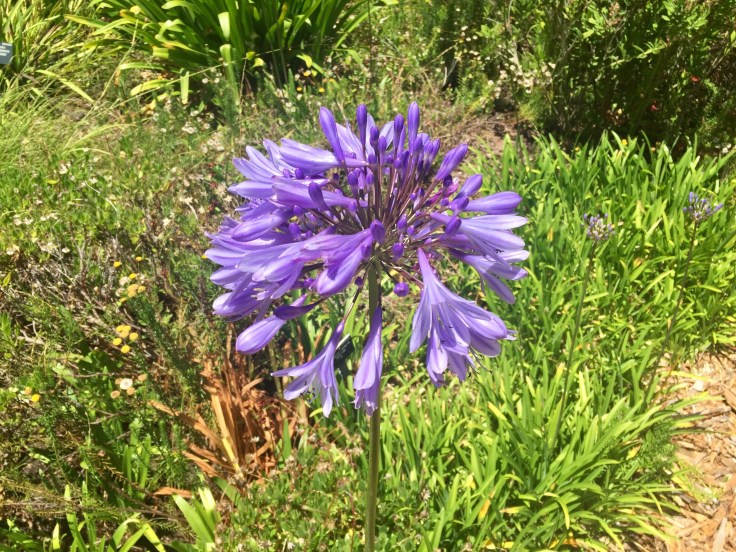
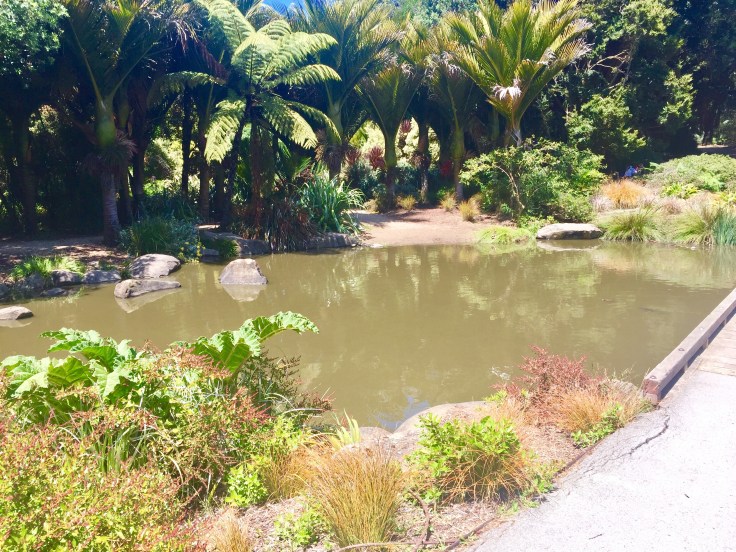
San Francisco’s renowned Botanical Garden in Golden Gate Park provided the ideal place to social distance amongst wild nature’s splendor.

Without the crowds often found there, we felt emboldened to aimlessly walk around and make new plant discoveries and forego using a map or GPS for directional guidance.


“Cruising” Along In West Coast Style

“In every outthrust headland, in every curving beach, in every grain of sand there is the story of the earth.” (Rachel Carson)

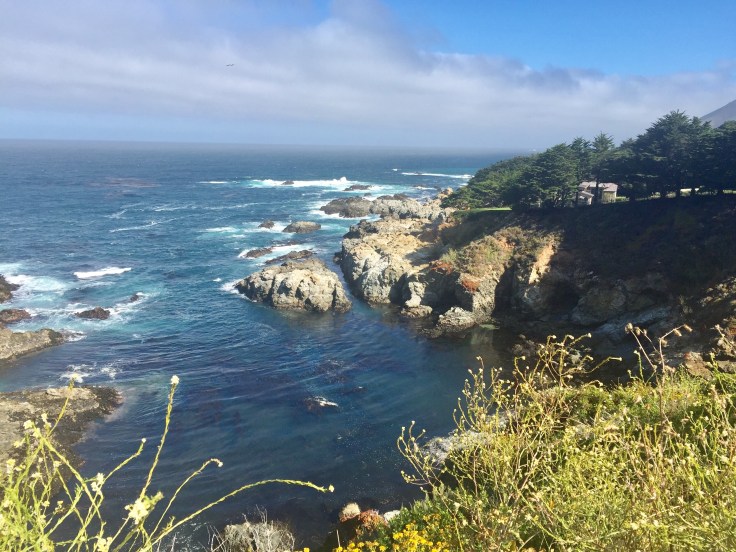
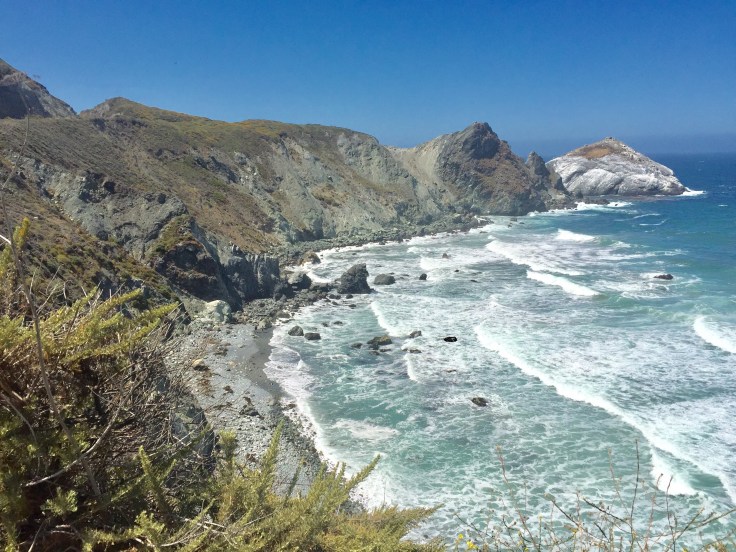
The term “cruising” in the informal sense refers to the casual act of driving a vehicle in an aimless manner most often at lesser speeds. The scenic drive along the western coasts of Oregon/Northern California thus appeared to have become the ideal route for a “cruising” adventure on this weekend’s leg of our road trip. Foregoing our U.S. east coast perceptions accustomed to congested beachfront housing and touristic business sprawl, we instead enjoyed a west coast adventure from Coos Bay, Oregon heading south to San Rafael, California amid wild nature relatively untouched by human intrusion.

Keep in mind that while Google Maps suggested that this north – south drive could be accomplished in a little over eight hours driving time, we opted to spend close to two full days of slower paced “cruising” to accomplish this task. Thus, the matter of making time and covering distance seemed relatively unimportant as I experienced  enhanced sensory awareness of remote coastal beachfronts, cool highland forests, and lush river valleys. In the photograph set below, I thus reveal some personally enlightening observations about the essentials of “cruising” in west coast style. Stay healthy in July. USFMAN.

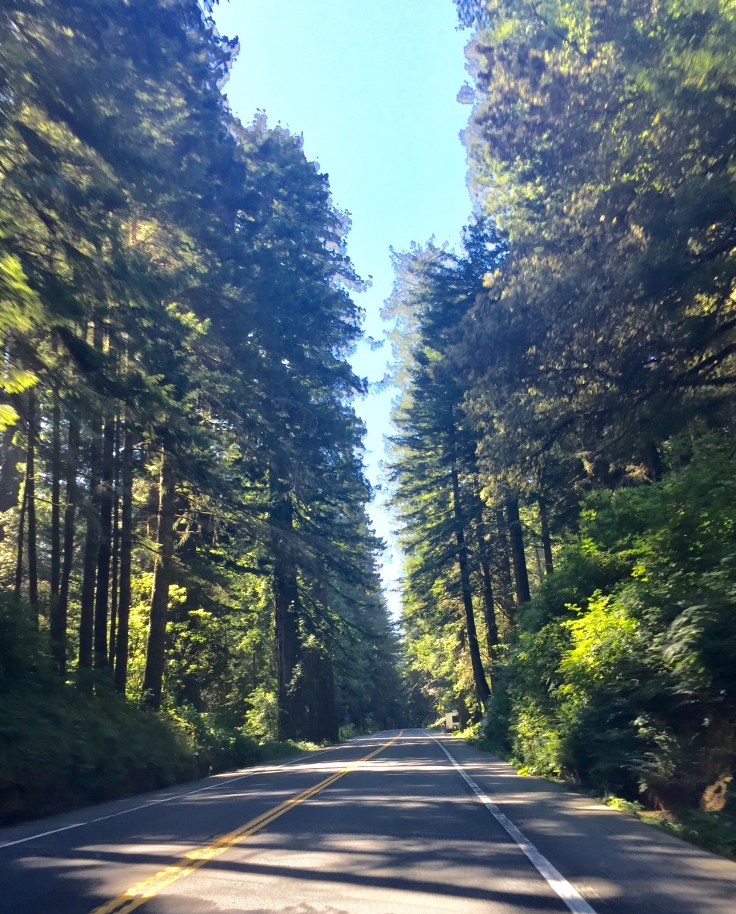
Feel the immense life energy of a Giant Redwood Forest.

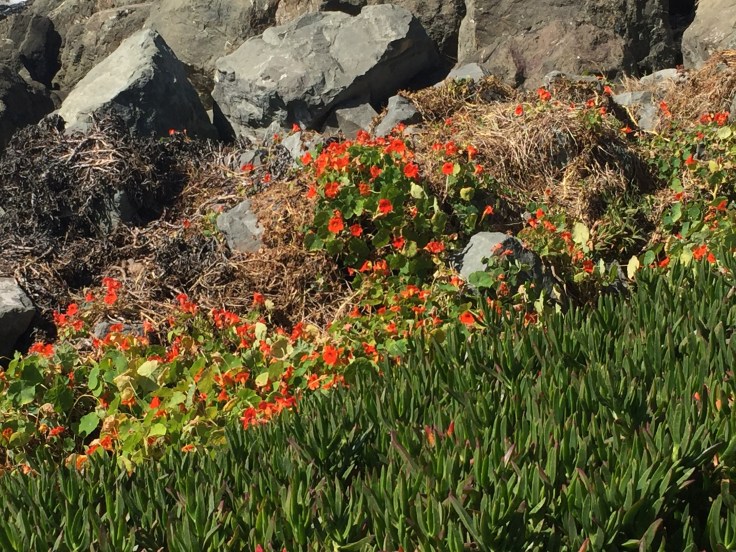
Summertime blooming of wildflowers can cleanse the soul.

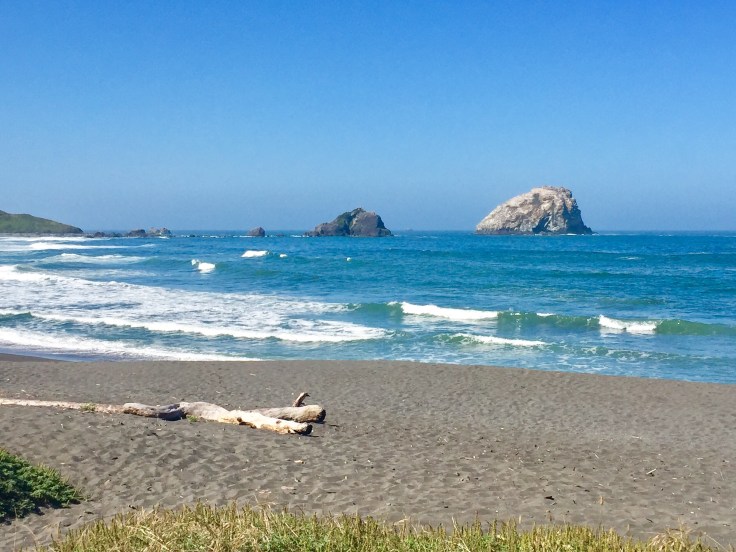
A lonely crag offshore can enthrall the imagination.

Pay attention to the large rock ahead for safety reasons.

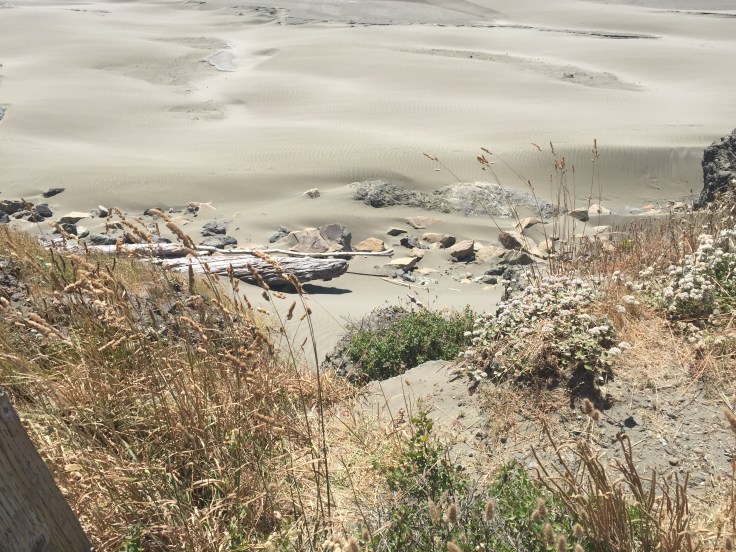
The objects of interest along a lonely beach comprise much more than seashells and sand.

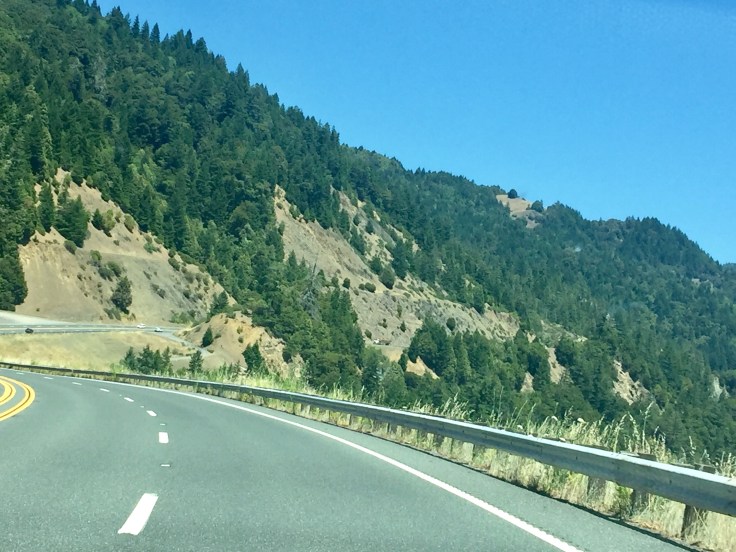
Stop frequently at designated road turnoffs for best scenic views.

Beware of sudden, natural event hazards.

Alternative health options abound in west coast settings.

Keep two hands on the wheel at all times .

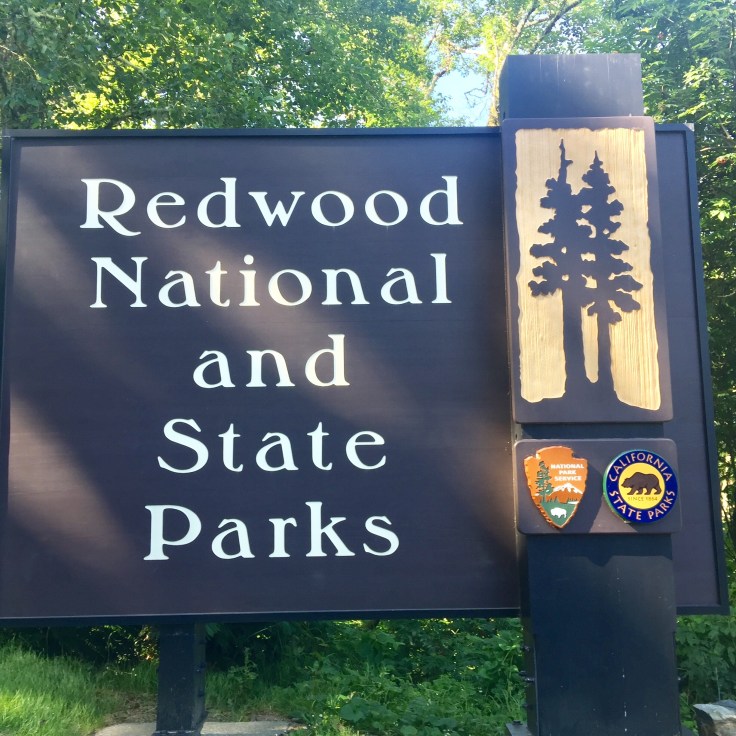
Visiting a State/National Park can be an effective cure for “Covid -19” social isolation.

There’s no such phenomenon as a “Bridge Too Far” in cruising mode.

Jackson Hole: A “Two For One” Time

“The grand difficulty is so to feel the reality of both worlds as to give each its due place in our thoughts and … eye, ever fixed on the land of promise , without looking away from the road along which we are to travel toward it.” (Augustus Hare”)

Whenever we visit Jackson Hole, Wyoming, I do not know whether it’s more appropriate to say “yippee, ride em cowboy” or “Yodel-Ay-Ee-Oooo.” For this popular town situated amidst the majestic Grand Tetons resonates strongly as both a “Wild West” town for country western enthusiasts and a cosmopolitan playground resort for the hedonistic city dweller depending on one’s point of view. You might thus feel comfortable entering the “Million Dollar Cowboy Bar” downtown for a country “ hoe down”, informally “decked out” with your ten gallon hat, leather gun belt, and western style boots. Or alternatively you’ve just flown in from a major city on a LearJet at the local airport and wish to head for the slopes with your trendy ski wear equipment purchased from the “Skinny Skis Sporting Good Store.”

So as I enter the “Antler Arch” entrance into Jackson Town Square on our current road trip, I thus feel confused about the prevailing town image. For I’ve been given the initial impression of a municipal persona embedded in wild game hunting, and a rugged pioneer spirit. Yet as I sit quietly to eat my social distancing lunch on a park bench there, I opposingly notice the gentrified ambience of trendy art galleries, fancy cafes and fashionable clothing boutiques on the streets beyond.

Apparently then, Ruth and I do not convey very well either of these tourist images described above. For as you can no doubt tell in the photographs I present below, we humbly pass through this region simply hoping to slow down a little, engage in simple conversations, imbibe in moderation, and perhaps take a hike or two.

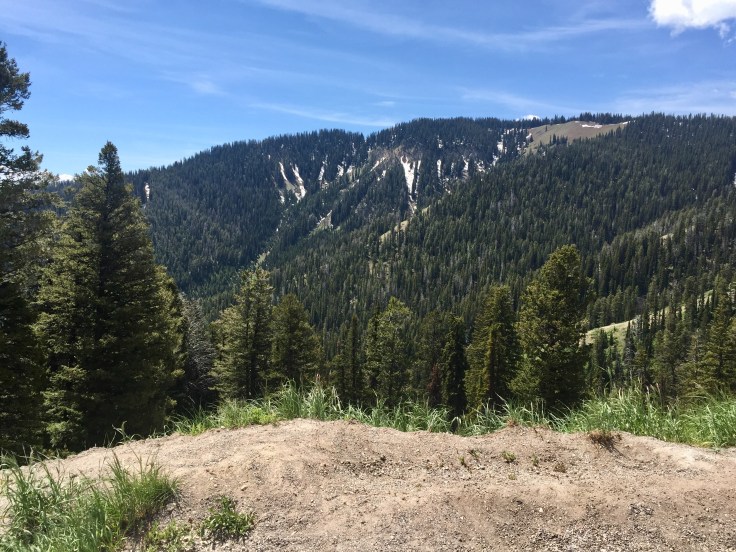
Driving the slower road across the Grand Teton pass from the west into Jackson Hole, I took the time to stop at several picturesque overlooks.
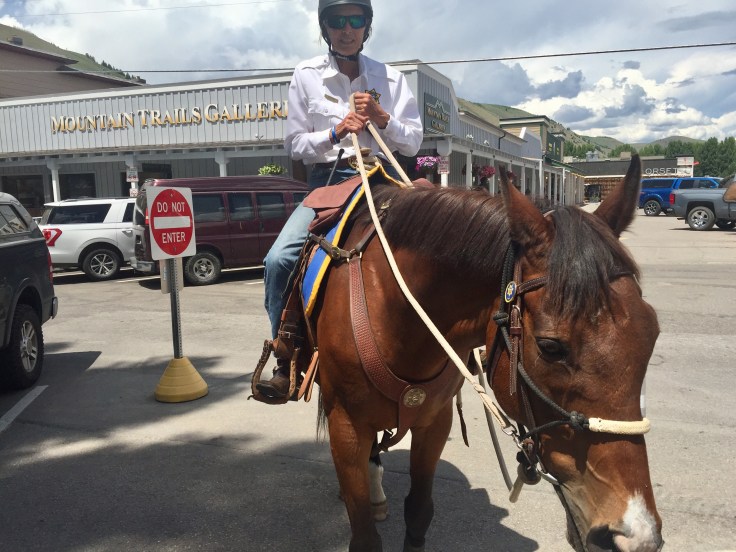
Passing through the “Antler Arch” in Jackson Town Square, we enjoyed a brief chat with a local volunteer on horseback.

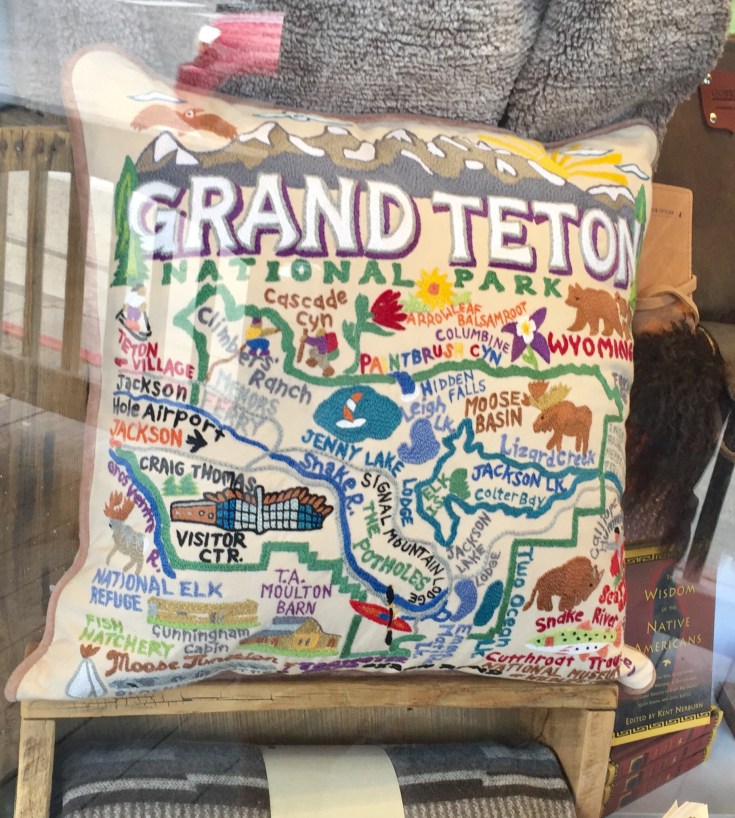
Window shopping for inexpensive souvenirs downtown, several displays “caught my eye.”

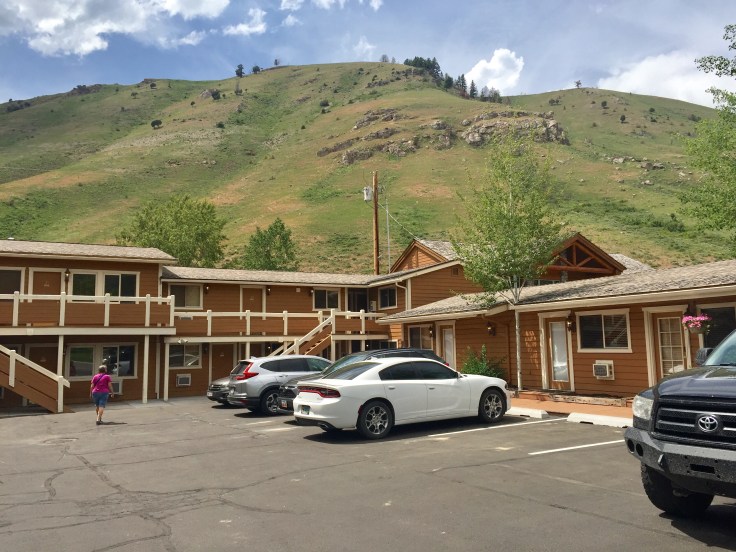
Perhaps I did want to “yodel” a little when I observed this steep hill behind our motel.
The sign next to the exhibit said to wear a mask across from the “Million Dollar Cowboy Bar.” Did they really mean to wear a western bandana?
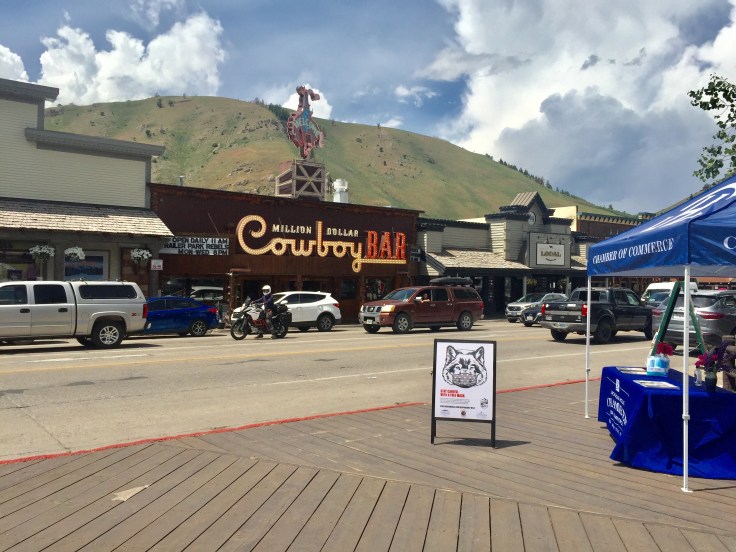
“Stick em up cowboy. This is a holdup.”

On the road up to Grand Teton National Park, it appeared that I would be driving straight into this gigantic mountain.
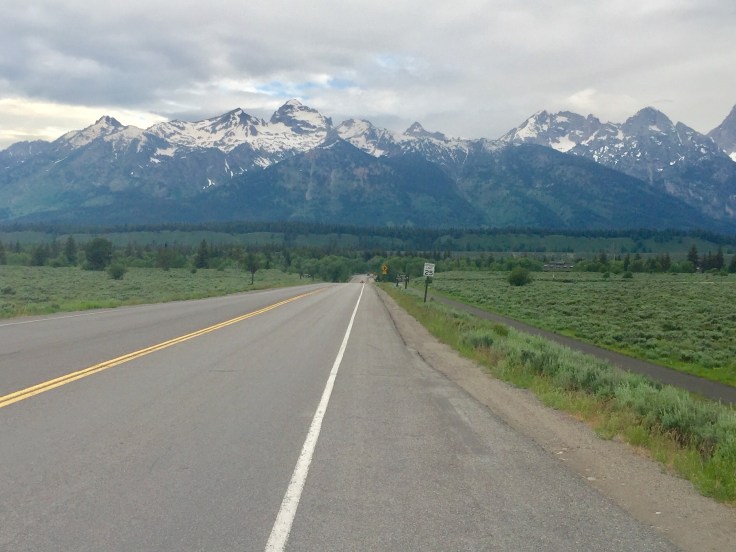
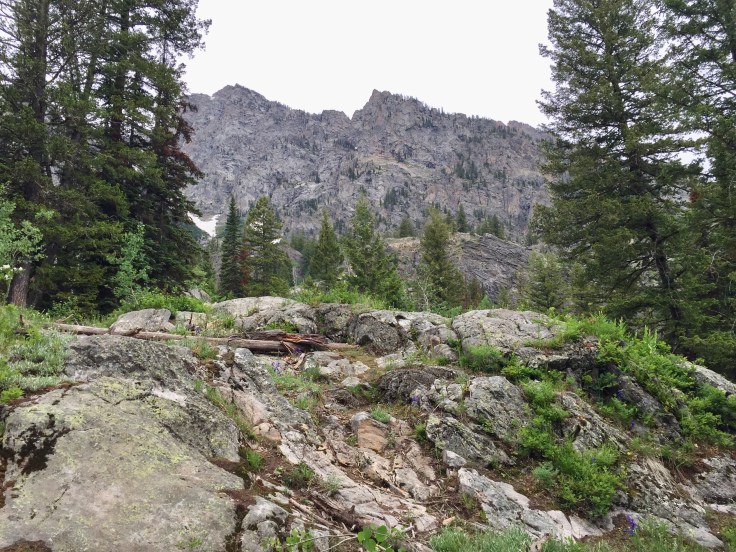
Parking our vehicle at the “Jenny Lake”Visitor Center, this scenic panorama produced flashbacks of our previous hiking expeditions in the Switzerland Alps.

On a questionable weather morning for hiking, we found good luck in booking the popular “Jenny Lake” boat cruise.

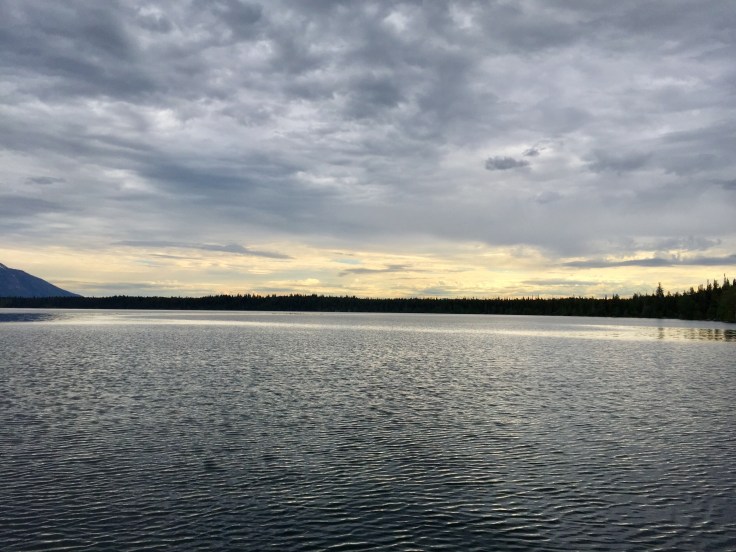
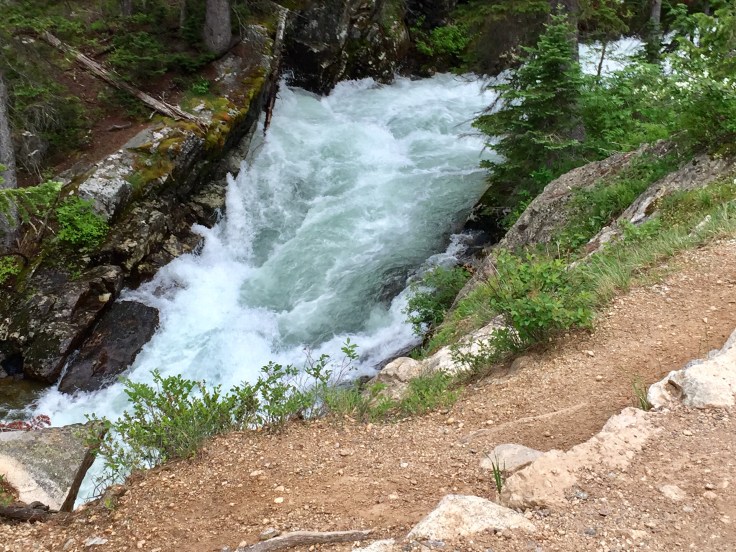
We then took a well marked, one and a half mile walk on the other side of the lake to “Hidden Falls Overlook.”

Along the way, we relaxed into the soothing sounds/sights of downstream, running water. 
Nature’s Victory In Yellowstone

“Choose only one master—nature.” (Rembrandt)

Note: I wish to dedicate this blog to cousin Tim whose past  knowledge from working  at Yellowstone helped me immeasurably in writing this blog. 

Moving south into Yellowstone National Park from Montana, Ruth and I once again stood in awe at the powerful forces of nature on display here. Super heated subterranean forces expelled steam and boiling liquid into the air in a wide range of geyser fields. Wild animals roamed freely along unfenced wilderness lands often acting oblivious to nearby human encounter. A free flowing river carved its horizontal path between massive canyon walls then rapidly descended at a massive waterfall. A pristinely still lake once created by a massive volcanic eruption encircled the park interior.
Our two day visit Yellowstone visit also seemed well timed in early summer to take advantage of the expected reduction in tourist travel there as a result of the Covid -19 pandemic. Yet surprisingly all areas of the park we visited seemed surprisingly busy in spite of limited lodging/food service options and Visitor Centers being closed. Animal sightings as expected would seem to be the most popular tourist activity during our stay. A brief photographic chronology of the entire duration of this visit to Yellowstone is provided below. Enjoy the scenery.

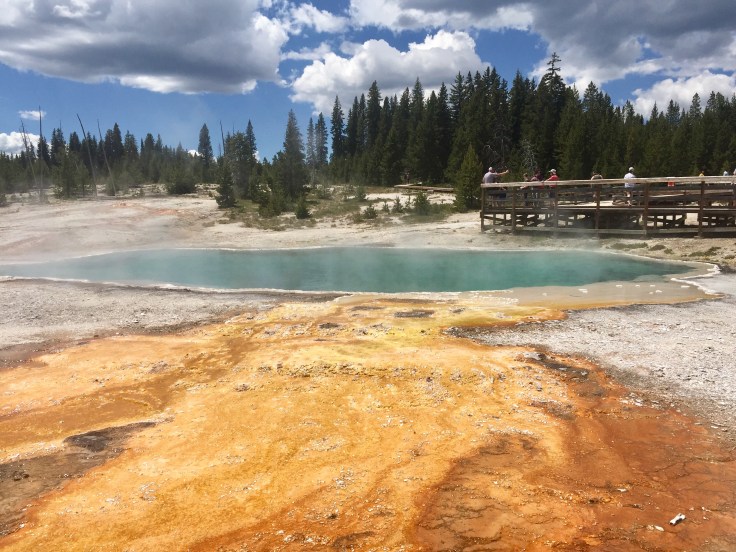
After entering the the park via Gardiner, Montana, our first park stop took place at “Mammoth Hot Springs” area. We then walked steeply uphill along wooden paths to reach a lava strewn wasteland.

Heading south at a vehicle turnoff we spotted this grazing buffalo. I was advised then to keep my distance from the animal. Other buffalo sightings soon followed.

Other animal sightings became more common at unexpected times/places during our visit.

Stopping at “Norris”vicinity, we opted for a brief overlook view of this massive geyser basin.

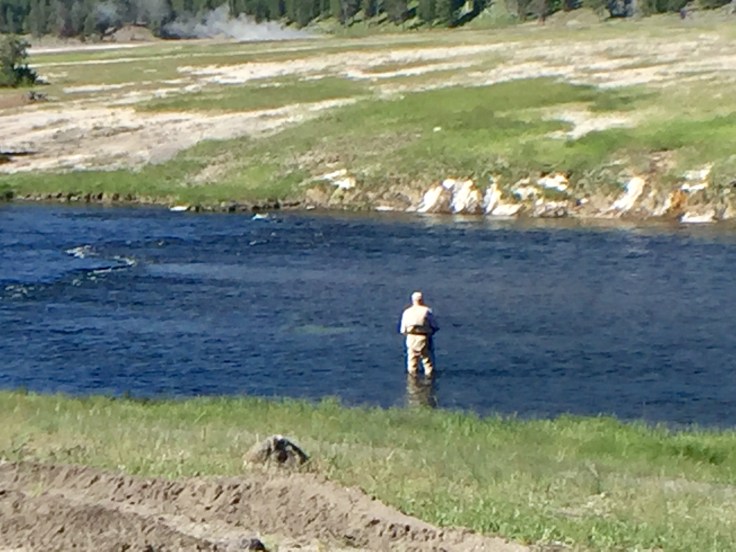
Someday it might be fun to try fly fishing at Yellowstone.

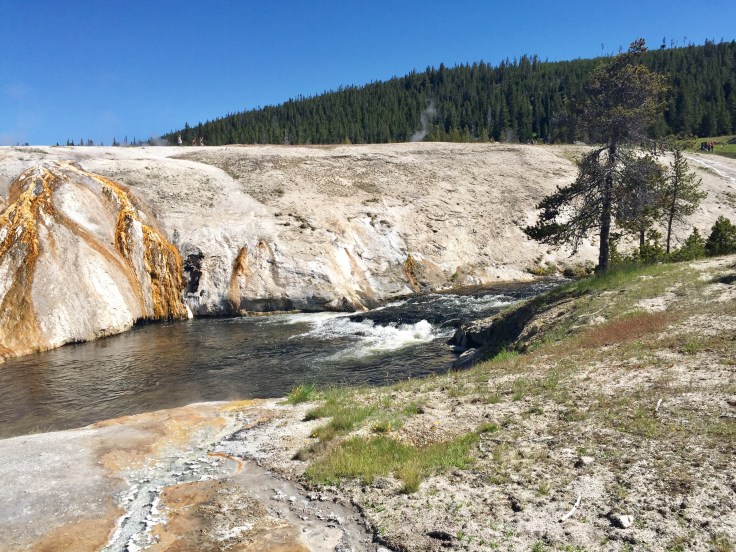
Continuing toward “Old Faithful”, a series of smoking geysers midway to there captured my photographic interest.

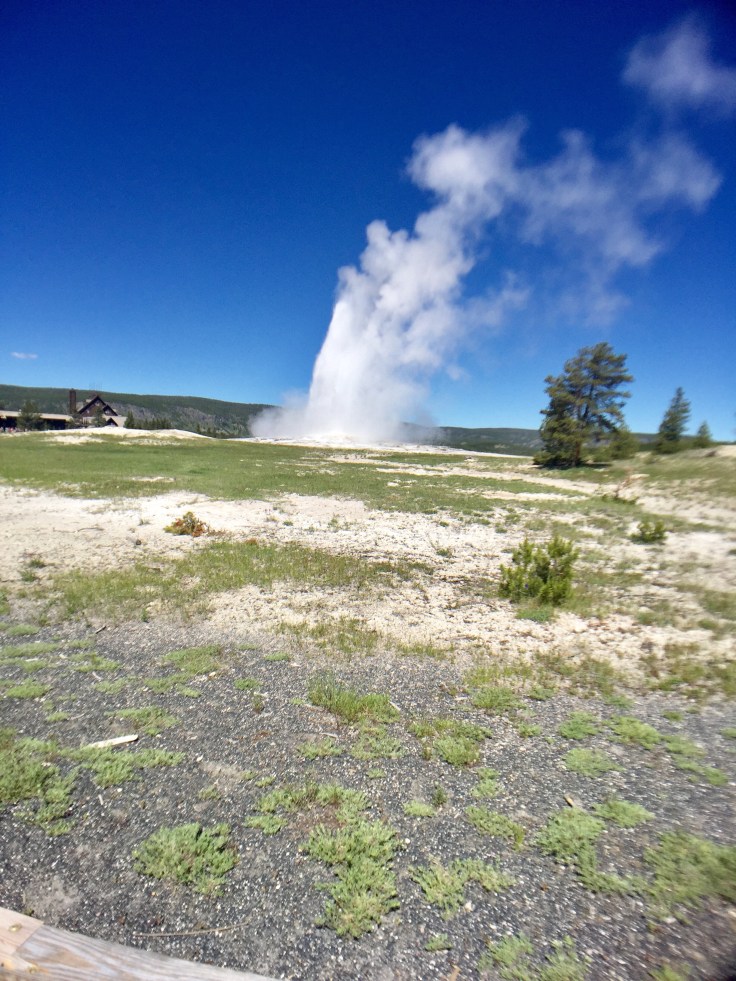
Waiting for the suspense of an “Old Faithful” eruption, we made time for a loop route around the surrounding geyser field.

After a one hour wait , we joined a sizable crowd on benches to witness the “Old Faithful” eruption.

Proceeding east to Yellowstone Lake, we observed colorful shoreline geysers at West Thumb basin.

Stopping frequently as we traveled north and east along this serene lake , these towering peaks in the background captivated my attention.

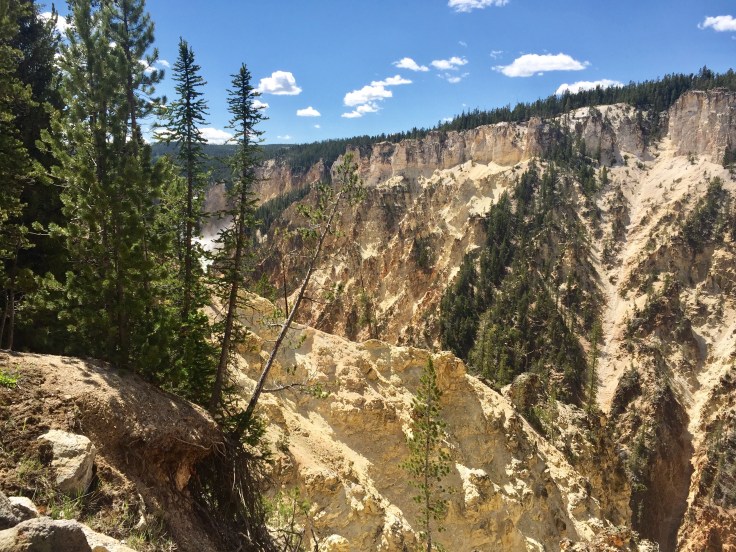
Our tour ended at the Grand Canyon of Yellowstone , where we witnessed the spectacular waterfall descent of the river along the Lower Falls Overlook at “Inspiration Point.”

Yellowstone: A River For Summer Solitude

Everybody needs beauty as well as bread, places to play in and pray in, where nature  may heal and cheer and give strength to body and soul alike… the Yellowstone, Yosemite, Sequoia, etc. — Nature’s sublime wonderlands, the admiration and joy of the world.” (John Muir)

On day twenty one of our road trip. our scenic route along Interstate 90 paralleled the Yellowstone River, as we made our way west to the next destination, Big Timber, Montana. Visiting our close friend Bobbie there for the next two days, the untamed river flowing downstream behind her home soon aroused my curious interest. What kinds of wildlife/ avian species existed along this rock strewn channel? Are there hiking trails that followed along the riverbed ? Where were the best spots along the river for fishing? How did this town manage the river flooding danger at Winter’s end? What was the Indian history of this particular spot?

Yet it seemed to be a calm spirit resonating from this steady flowing river amidst its tranquil mountainside environs that most intrigued me then. For I genuinely needed a restful repose at this point of our long and arduous road trip and the sights/sounds of flowing river water behind Bobbie’s home could thankfully provide it. We would continue to follow the welcoming magic of this great river the next day, leading us South to the vast, geothermal wonders of Yellowstone National Park. Enjoy the photos.

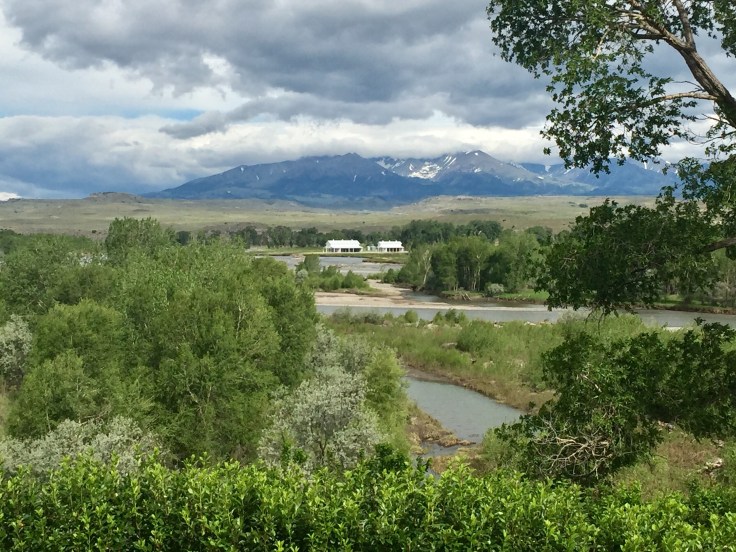
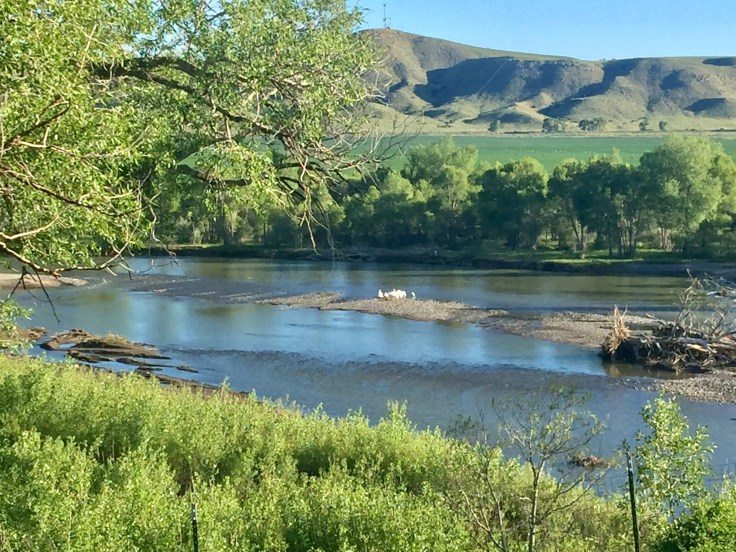
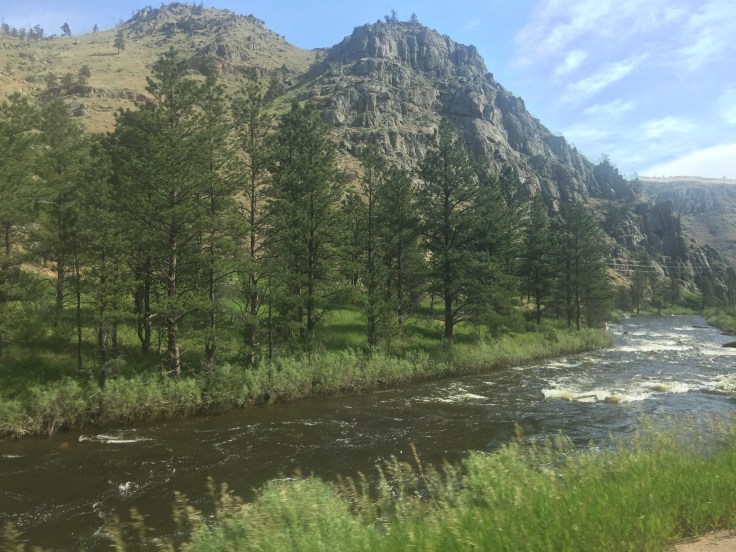
Observe these classic views of the Yellowstone River and the scenic environs beyond from Bobbie’s back yard.

We also experienced a rare sighting of white pelicans resting quietly on a rocky mound.

Possessing a keen eye for art, Bobbie’s unique arrangements of rocks and wood from the nearby Montana landscape also captured my interest.

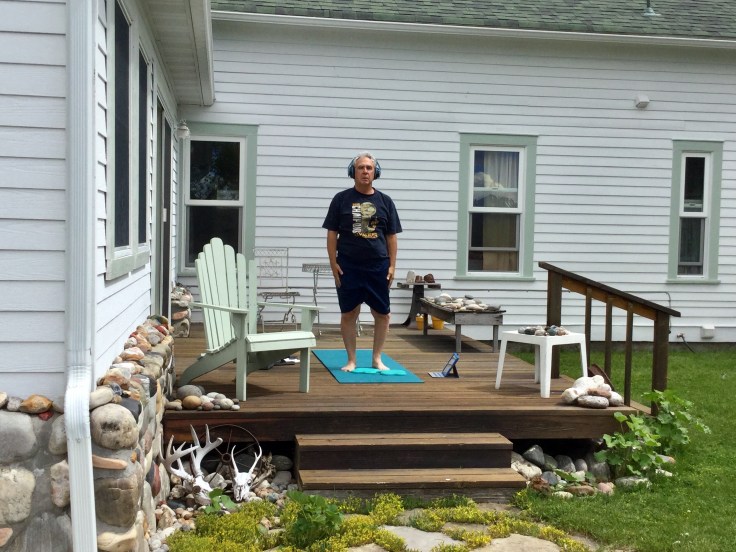
        I also enjoyed continuing my practice of yoga in the coolness of her outdoor deck.

Notice the appealing shades of color beyond the river at sunset each night.

Our gracious hostess and friend posed with us to create a final photographic memory of this enjoyable visit to Big Timber.
Steamboat Summer Sparkle

“Summertime is always the best of what might be.” (Charles Bowden)

Anytime Ruth and I take a road trip through the Rocky Mountain region, we prioritize heading to the small western town of Steamboat Springs, Colorado. Touted by many as a popular resort for the younger, skiing/hiking crowd amidst its picturesque mountainous setting and eco- friendly persona, our personal connection to Steamboat goes much deeper. For the Steamboat experience often evokes for us as a much needed opportunity for peaceful repose and rejuvenation from the stressful realities of urban life back east.
Because of the Covid-19 scare, Steamboat seems to be a particularly important stop on our mid- June road trip this year. For summertime’s flourish here now offers us a safe, welcoming outdoor experience on this Colorado leg of our sometimes risky road trip. So in proper social distancing manner, we wear our mask when the occasion arises and we typically observe others we encounter doing the same. While choosing to frequent less crowded hiking trails, we savor the opportunity to meet dogs more than people. Or by finding a park bench or a cafe patio to enjoy our meals, we stay healthily distant from any crowded social situations. So settle into a healthy slice of this year’s Steamboat Summer Sparkle in the following photographic display.

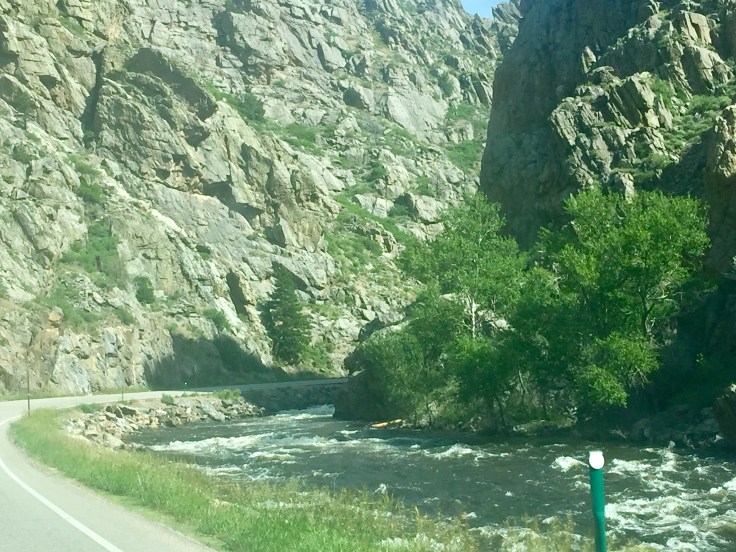
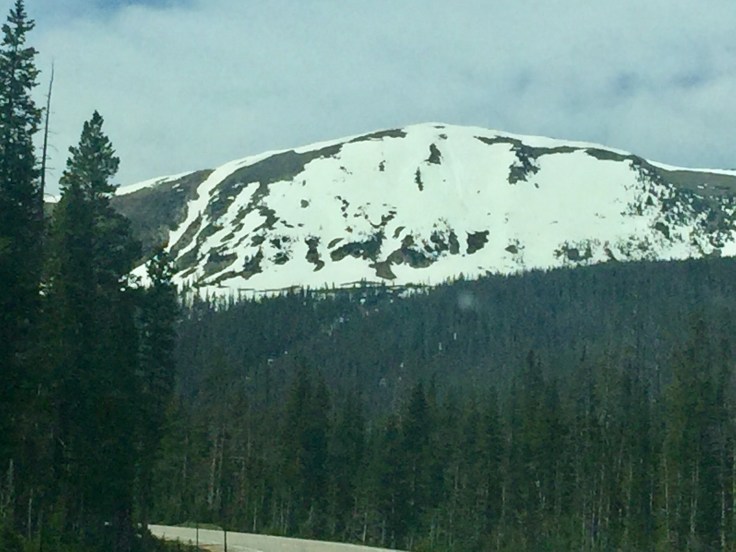
On Tuesday morning, we left Fort Collins, Colorado, traveling due west, for a leisurely, seven hour drive to Steamboat. As you can tell in the photographs below, the Rocky Mountain, summertime scenery captivated our attention along this narrowly winding road.

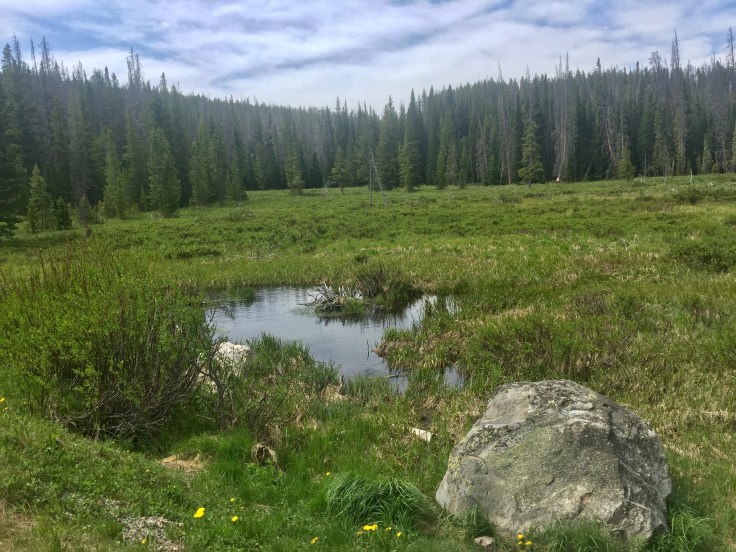
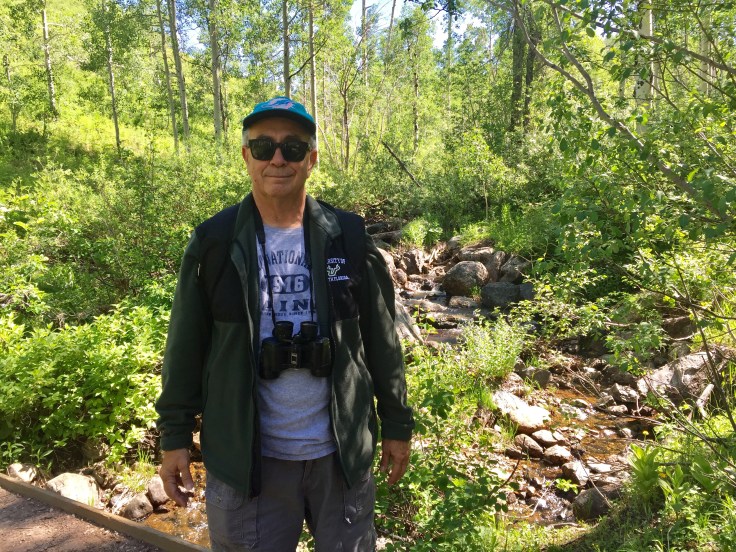
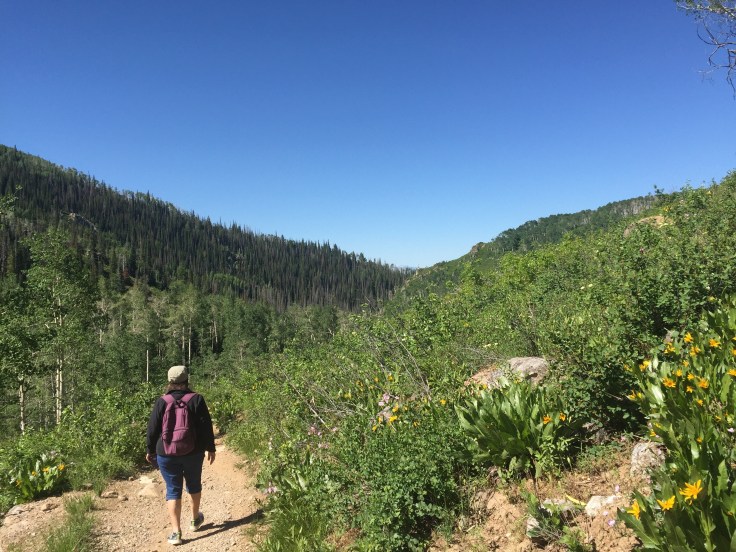
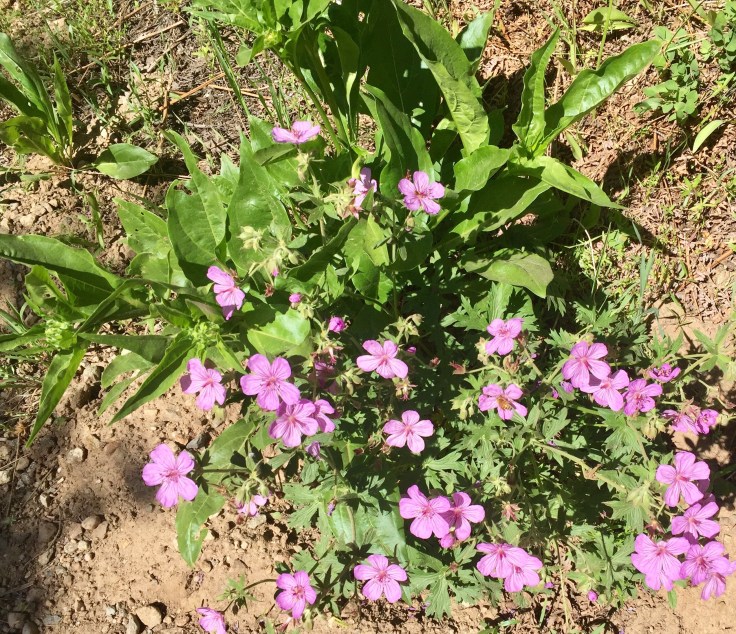
After settling into the rustic Steamboat Mountain Lodge, on Wednesday morning we embarked on an energizing hike through colorful meadows, dense forest, and a soothing stream along the Spring Creek Trail.

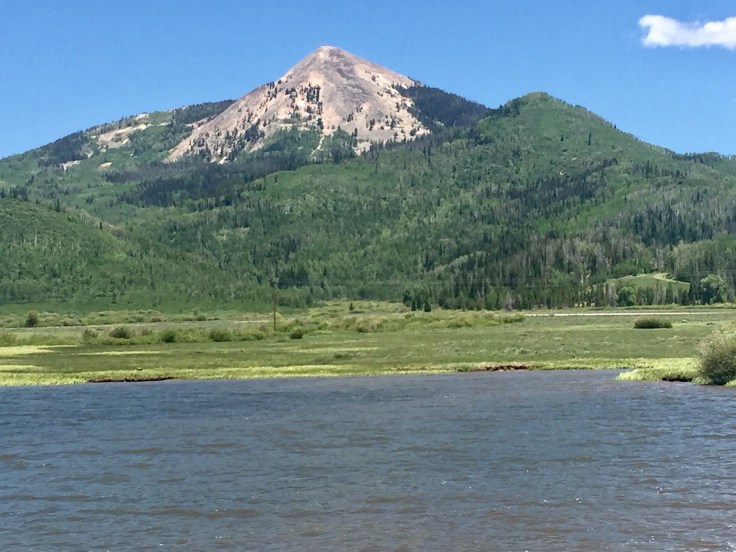
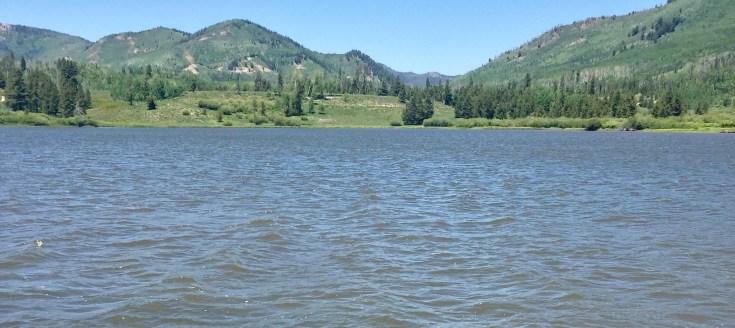
Continuing Wednesday afternoon to Steamboat State Park, twenty miles north of town for a relaxing excursion, I observed the magically visual combination of mountain meets water at the park marina.

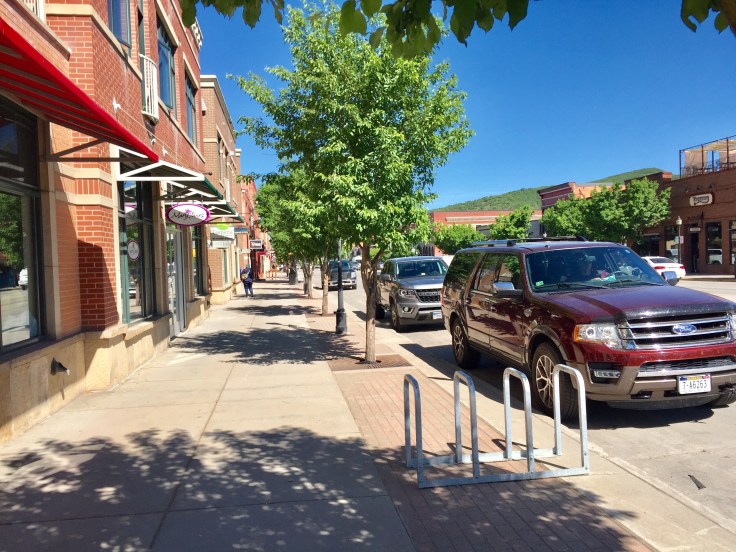
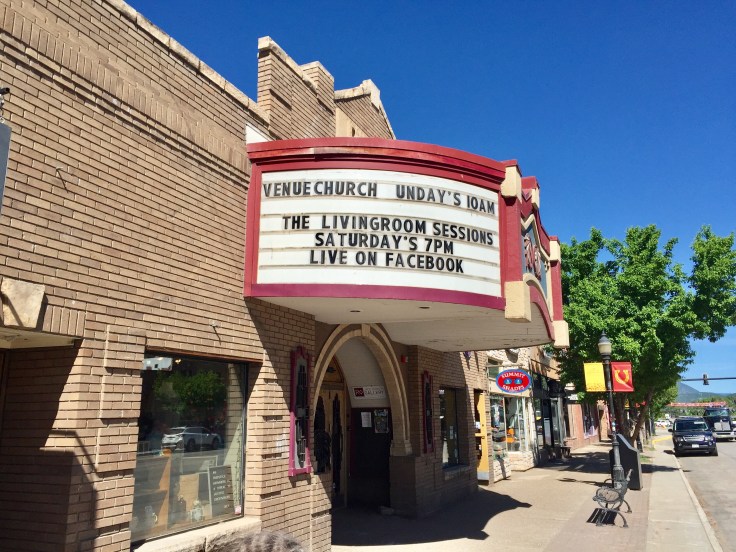
Our  Thursday morning slowdown combined a breakfast splurge with a “window shopping” stroll through scenic “0ld Town.”


College Excitement On Hold

“I feel like a lot of experiences have been stolen from me” (Anonymous Cornell University senior opinion on Corona adjustment)

On a quiet Sunday morning marking the second day of our road trip visit to Lincoln, Nebraska, I decided to ride around town on my rented bicycle again. For I wished to conclude my tour of this Midwest “college town” with a visit to the University of Nebraska. Stopping periodically at key sites around campus, I realized how Covid-19 has played havoc for those students who desire to embrace the full college experience here. For as the “Big Red” landscape lies silent now, its students scramble to complete Zoom classes on line.

So much of what students learn about life success from college takes place outside the classroom. Picture an aspiring scholar walking to and from class each day along an open “green” feeling inspired to excel amidst these time honored bastions of learning surrounding him/her. Or imagine the spirited festivities leading to a major sporting event or student activity on campus as students congregate in mass and find fun diversion from the stress of high academic pressures. Visualize as well how this “home away from home” for a new freshman fosters self reliance, networking competence and diversity appreciation for the first time. So join me as I present a closeup look at the University of Nebraska in the following photograph display. Maybe one of you might even find good reason here to send a member of your family to this prestigious institution.

Lazy’s Ok In Lincoln

On day 13 of our road trip, I give myself permission today to slow down and be lazy in Lincoln, Nebraska with our younger friends Paul/Nicole and their two cats, Shadow and Sam. Working at home for both of them seems to have provided a flexible way to smoothly manage the Corona slowdown in the past few months as they seem to understand proper balance of their work/relax schedule for a healthier life. So I’ve taken the lead to follow their example this weekend and let the stillness of each day on their outdoor porch be my guiding principle as needed.

Our Nebraska visit of this road trip also offers the opportunity to take full outdoor advantage of their home location, which lies alongside a popular green belt with inviting bike trail options. At Nicole’s direction, I thus spent Saturday morning pedaling easily along the greenbelt and through a public park for a few miles with her on a brilliantly sunny morning.

Tonight the fireflies may glow in the dusk and I hope to catch a few in a glass jar. I will a savor a fresh blueberry cobbler and I’m sure there will be plenty of time to play with the cats. I might even catch a glimpse on their porch at the setting sun descending in golden grace below the Lincoln Capitol Tower. How’s that for Corona isolation therapy? Enjoy the pictures.

“Pony Up” No Corona Rider

“The Pony Express rider was usually a little bit of a man, brimful of spirit and endurance. No matter what time of day or night his watch came on…, he must be always ready to leap into the saddle and be off like the wind! “ (Mark Twain,1872)

The Corona impact clearly lingers in our mind as we end the second week of our road trip. At our motel stay in Independence, Missouri on Tuesday, the atmosphere seemed eerily quiet in the hallways today with guest services quite limited. Thus, we would be offered a meager breakfast bag containing only a small apple and granola bar while any room cleaning would be unavailable. Moving on the next morning to the Pony Express National Museum in the historic river town of St. Joseph, Missouri, numerous hand sanitizer stations conspicuously lined the hallways while press button functions for interactive exhibits had been disabled. Ending our second day at a local tavern for dinner, I was also required to give my name and phone number to the manager present to receive a potential future call from the Health Department in the event anyone in the cafe was reported to be testing positive for Corona Virus at the time of our visit.

It seems to me the that our current road trip adventure into our Corona stricken country, resembles the quote description of an 1860 Pony Express rider described in the quote at the beginning of this blog. Instead of a western bandana around his face, we must wear a mask. While he endured far west dangers of extreme heat, wind, and rain, we resign ourselves to stay healthy from airborne viral particles. While he moved great distances daily through remote western lands on the legs of a sturdy pony to assure safe delivery of their goods, we largely depend on the air purified isolation of our vehicle to provide safe arrival at our intended faraway destinations. So let’s “giddy ‘up and go” as I provide a photographic look at the life of a Pony Express rider in the mid 19th century as so authentically depicted at this museum.

A Pony Express rider required unique qualifications to withstand the dangers they would face along each ride.

This panel provides a brief history of the Pony Express period in 1860-1861 as well as the typical route westward taken for almost 2,000 miles.

On April 3, 1869, a lone rider left on horseback to a wildly cheering crowd in St. Joseph, Missouri for the first Pony Express ride west to California.

The famous Pony Express rider, Johnny Fry and his horse seem anxious to leave on their latest adventure in this exhibit.

Riders usually stopped every 10-15 miles at relay stations to freshen up and often change horses.

A Pony Express rider typically carried 20 lbs. of mail per ride. Observe a typical saddlebag from these occasions.

Riders riding westward from St. Joseph encountered their first natural obstacle: the free flowing Missouri River.

This rider wore a fringe covered, buckskin coat on these long mail runs.

This map depicts the various stopping points on a typical rife westward surrounded by various dangers they would face along the way.

Blog at WordPress.com.

Up ↑