Election Travel Tasks Fulfilled

“Democracy is based upon the conviction there are extraordinary possibilities in ordinary people.” (Harry Emerson Fosdick)

When Ruth and I embarked on our most recent road trip on September 26, I realized an opportunity that our cross country travels would place us in an advantageous position of seeing firsthand some 2020 pre-election vibe in places we would visit along the way. With no particular strategy in mind for the most part, we soon experienced some extreme political messaging amid the Deep South, Midwest, and Rocky Mountain regions of our country.

One striking caption for example posted on billboards along I-95 in the Carolinas compared Donald Trump’s status as a religious savior on par with God. Another catchy phrase posted on the side of a parking delivery truck in farmland Iowa made reference for Trump “Degenerates” to rally now for him in “Let’s Roll” style. Mobile messaging for Trump most prominently took place as well on passenger cargo trucks in rural counties with “Make America Great Again” banners flashing in the breeze. In striking contrast to the Trump Ad blitz we encountered then, Biden/Harris signs throughout the trip were found “far and few between.”

Yet there were other occasions on this road trip where I took a more proactive approach to election matters during my leisure time. I  would for instance take advantage of a forest fire slowdown in Granby,  Colorado to send hundreds of handwritten postcards to prospective voters in a nearby Battleground” election states reminding each recipient to vote on November 3.  Motel and restaurant lobbies also provided fertile ground  for informally exchanging issue views with strangers. During these interactions, I intentionally avoided  the temptation of playing judgmental “mind games” concerning  their political affiliation.  At those times of Corona risk in such indoor venues, I also stuck firmly to the Biden game plan of social distancing and wearing my mask. 

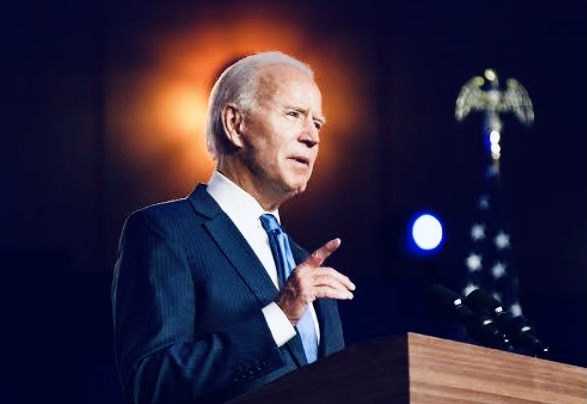
Alertly then, we would return to South Florida two days prior to our intended arrival date to pick up our “mail-in” ballots and make sure that they were submitted to the election office on time. Our travels will now be on hold for awhile as we join with so so many others to heal from the pervading cynicism in our country that’s been perpetuated in the past four years by Donald Trump’s disturbing Presidential  presence. Consider thoughtfully then the following photo images  from our 2020  road trips for I believe that a Joe Biden Presidency inspires hope for a much brighter outlook for our country. His leadership will make a positive difference in our lives to protect  the blessings of nature, appreciate diversity’s presence, silence systemic racism, safeguard our health, and unite us as a country. 


Democracy Gone Forever?

“The liberties of our country , the freedom of our civil constitution, are worth defending against all hazards. And it is our duty to defend them against all attacks.” (Samuel Adams)

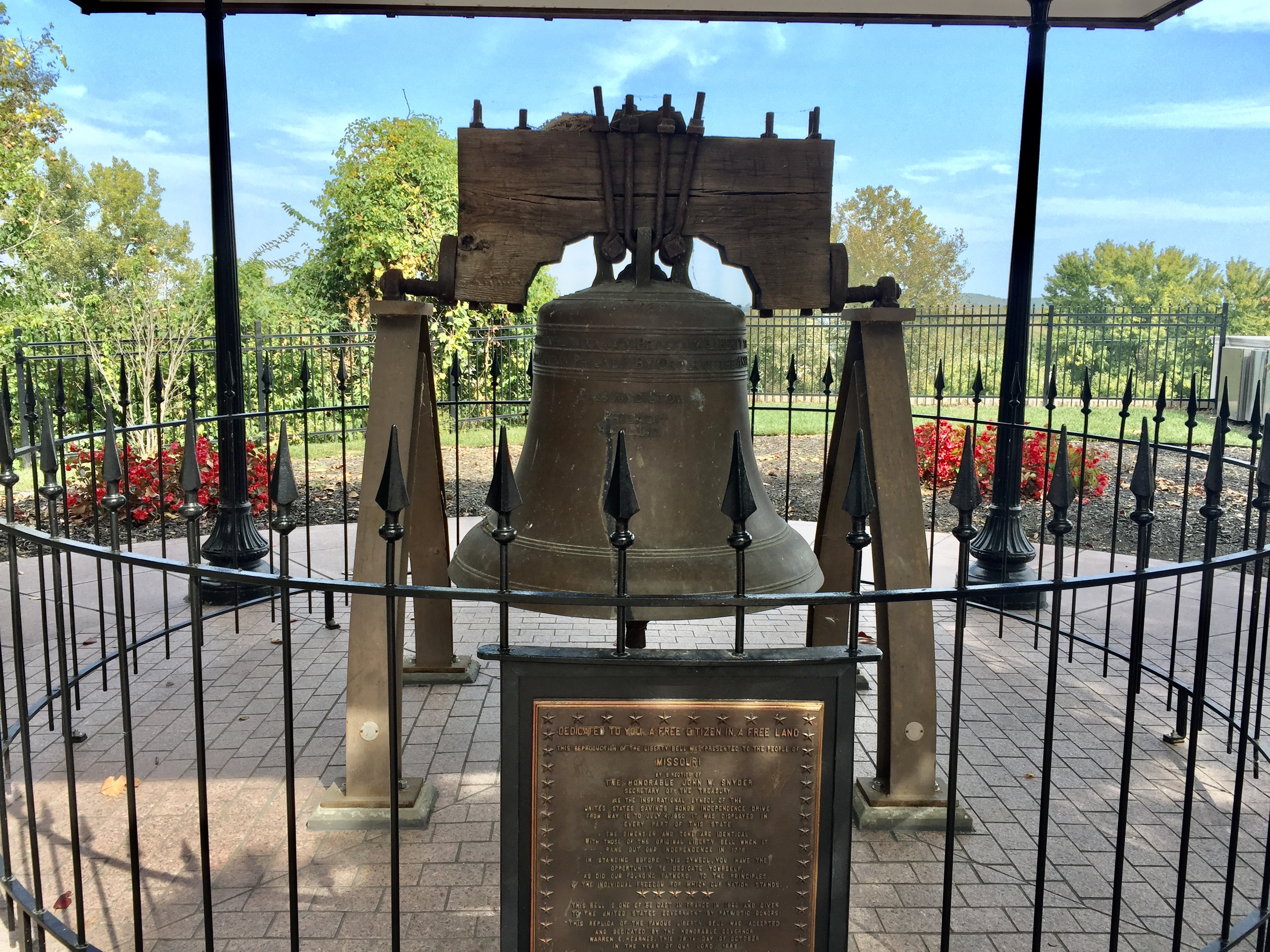
A recent road trip visit to the History Colorado Center in Denver inspired me to post a photographic showcase below of America’s long and glorious struggle to sustain the ideals of democracy in our country’s past. As you observe these images, some key questions of current interest from this exhibit quickly emerge for you to consider then about how “power to the people” matters. To what extent does the survival of democracy set the stage for voting behavior as Election Day nears? Does Democracy’s continuance seem worth the fight to you at this critical juncture in our country’s history? With which Presidential candidate do you stand on this issue then as a responsible voter?

Cuyahoga Autumn Awe

“Everyone must take the time to sit and watch the leaves turn.”(Elizabeth Lawrence)

Perhaps the most rewarding part of our latest road trip for me has been the opportunity to slow down from life’s challenges and simply embrace the subtle nuances of autumn’s seasonal glories. In this regard, it certainly helped that I took some time at the end of our vacation to re- witness some nostalgic October memories of childhood play in my former hometown of Cuyahoga Fall, Ohio today. For I possessed a strong desire to curiously frolick again amid a colorfully canopied ambience of dying leaves in the heavily forested lands along the Cuyahoga River Valley then. Somewhat sadly, I must soon return again to my home of unchanging subtropical greenery in South Florida. So understand how the following picture show from this  Northeast Ohio visit affects my heart and mind with autumn filled exuberance today.

An Unforeseen Rocky Mountain Challenge

“Only those who will risk going too far can possibly find how far they can go.” (T.S. Eliot)

When Ruth and I originally booked a one week, studio Air B&B in the small town of Granby, Colorado a few months ago, we never foresaw that several, wind blown forest fires would be likely enveloping this area during the upcoming days of our visit. Neither did we anticipate that our housing facility would be designated as an evacuation lodging zone for those being displaced from their homes by the fires in surrounding regions. So upon arrival in Granby last Sunday, we seriously considered two reasonable travel options. Should we isolate ourselves indoors on these smoke infested days in our flat? Or could we bear with this health nuisance and complete our outdoor walking itinerary in nearby Grand Lake and the western reaches of Rocky Mountain National Park? Hearing weather alerts from the National Park Service of impending closures of the famed Trail Ridge Road that traverses the National Park further complicated our decision to sit tight or push on with our hiking activities as planned.

So with firm trust in our reputation as wandering warriors, we anticipated taking  the gamble of hiking around the west side of Rocky Mountain N.P. the next day, hoping that the thick spreading smoke in this area would dissipate. So as we drove along State Road 34 to Grand Lake on Monday morning, we sensed that this pleasing scenario would indeed happen. For the winds had clearly died down and the smoke trails had shifted away west from the park. We thankfully learned as well at the Kawuneeche Visitor Center of the park that the forty eight mile Trail Ridge Road would be open to vehicular traffic across the park. A full day at Rocky Mountain N.P. for us would indeed take place. Observe below the amazing autumn scenery of our serene meadow walk at Coyote Valley Trailhead along the Colorado River. Notice as well the climax of our challenging car drive along the western side of Trail Ridge Road with a more strenuous hike in the highest elevation of the park at Alpine Visitor Center.

Hoping for similar weather on Tuesday, we unfortunately observed in Granby dense swarms of smoke clearly hovering north of us across the Grand Lake region. So with our eyes and throat now burning, spending another long day inside Rocky Mountain N.P. would thus not take place. You can thus observe photo highlights below of our Plan B option of a less challenging day on Tuesday containing a casual tour of Grand Lake shoreline, the downtown proper, and a short hike to Adams Waterfall. So should we stay the remainder of our planned week in Granby or relocate to another region of cleaner air to continue on our road trip? Only time will tell.

Steamboat Stillness Calling

“ The answers you seek never come when the mind is busy, they come when the mind is still.” (Leon Brown)

Every once in awhile in my mentally taxing urban life in South Florida, I daydream of a lone wolf howling atop a snowy mountain in the utter stillness of wild mountainous nature. That event means its time for Ruth and us to plan visiting Steamboat Springs, Colorado again for a heavy dose of Rocky Mountain solitude. So it would become no surprise that we would spend a well needed two weeks of our current road trip “lying low” in Steamboat in Mid October to savor the simple pleasures of autumn’s silent seasonal glories.

Consider then that I am the kind of person who struggles to sustain his minute by minute concentration on everyday activities like reading, writing, and listening. Yet I had no problem allotting a sizable amount of time during our present Steamboat visit to focus my extended attention out my motel bedroom window at wild nature’s changing presence. At such times I fixated with imaginative pleasure at such details as a colorful mass of falling leaves, the subtle shading of sun/cloud colors, or first falling, mountaintop snowfall. Adventuring out of town to Pearl Lake and Stagecoach State Parks, I felt my rhythmic breaths of the chilly Colorado air suddenly slow in yogic like meditation as I stood in stoic silence for several minutes amid the nearby presence of two mountainside lakes.

Yes, I am truly hooked on living the illusion of Steamboat stillness reminiscent perhaps of a timeless Monet painting. For while Steamboat functions clearly as a tourist town with an abundance of local eateries, western shops and trendy outdoor activities, I prefer the simple therapeutic “high” of doing nothing here but being sensory- alive. So take a close look at each of the following photographs from our latest Steamboat stopover. You might imagine such activity stillness as an integral part of your own life story.

Finding German In Hermann

“To be far from the madding crowd is to be mad indeed.” (A.E. Coppard)

One of the most frustrating aspects of the lingering Corona problem for so many global minded wanderers as we are today manifests in the long term impact of international travel restrictions being enforced now and likely in the unforeseeable future. So Ruth and I in particular realize that if we are unable to soon visit the historic “old town” centers of cities like Vienna, Prague, and Munich… in person, then we should concentrate on finding places that genuinely resemble them as part of our current road trip travels.

So during week two of our present adventure, we booked a two night stopover at the Vinchester Inn in the historic town of Hermann, Missouri. Known for it’s rich German heritage, our first impression of Hermann,  founded by German immigrants in 1836 seemed to confirm the authentic atmosphere of “Little Germany” we so desired. For as we ambled from our hotel the next morning along Schiller Street toward the Missouri River, we gazed wondrously at such quaint brick structures as Chalet Luzern, Hermann House Gasthaus ,Weinkeller Hermannhof, and the Inn at Hermannhof along our way. Enjoying tasty brat and sausage cuisine at Hermann Wurst House afterward would suitably fill our desired German agenda as well. After lunch, our walking tour of Hermann’s Germanic influence would continue along the south bank of the Missouri river which served as a historic transportation hub for Hermann’s citizenry so successfully in the past. For German settlers once made Hermann one of the largest wine producing markets in the world during the steamboat/railroad era of the late 19th century. 

So how might I assess our one day tour of Hermann now? Overall, I sensed that merely spotting the facades of Germanic looking building there seemed somewhat dull. For with the social isolation of the Corona pandemic deepening, the lack of opportunity here of enjoying diverse human contact as we typically encounter in the big cities of Europe certainly dampened our tourist interest today. So the festive atmosphere of German music, costume, or cookery amid “Oktoberfest” or a beer hall encounter will have to wait for a real visit to Bavaria hopefully in autumn, 2021. Enjoy the following photo display.

Note: For those of you who wish to find other small towns to visit in America of strong European resemblance, click on the website below sent to me recently by my blogger friend Sherry.

https://lbfromlv.wordpress.com/2020/08/14/ten-american-towns-that-feel-like-europe-by-jennifer-nalewicki-smithsonianmag-com-august-11-2020/

Animal Rescue Therapy Appreciated

“Studying cows, pigs, and chickens can help an actor develop his character. There are a lot of things I learned from animals. One was that they couldn’t hiss or boo me.” (James Dean)

One of the most useful online sources I employ for planning our independent travel itineraries has been “Atlas Obscura.” Each weekday, I check their daily update online to read captivating stories about unique places to visit around the world. A recent entry describing an animal rescue farm titled “Where Pigs Fly”, thus caught my attention as we followed our current road trip itinerary through the backwoods of Central Missouri. Deciding that the one hour diversion from our currently route would be worth our time, we then decided to book a mid morning appointment time to this farm for the next day. Billed as the world’s largest pig museum in the country, in fact these intriguing grounds thrilled us with so much more. For beyond the front gate of the farm lay a fascinating menagerie of over 500 rescued animals including horses, donkeys, pigs, hogs, sheep, goats, fowl, dogs, cats, llamas, emus, and a large camel.

During the course of our two hour farm visit to “Where Pigs Fly Farm”, several memorable encounters in close interaction with these animals vividly come to mind.

(1) A blind donkey stubbornly refused to move out of our way and blocked the main road to the facility. How amusing that this mule seemed utterly afraid of our moving vehicle at the time.

(2) A playful St. Bernard dog ran up to me as I left the car and curiously sniffed at my shoes. He then laid down on his back and proceeded to whine as I rubbed its belly.

(3) A hungry emu stalked me as I made my way to the ticket office and aggressively pecked at a grain block that I was holding in my hand. Yet he allowed to me to pet  him while he chewed each morsel.

(4) A lazy hog oinked in sedentary contentment as I plunged my fingers into its filthy stomach.

(5) A billy goat found my shirt more appetizing to munch on than the crackers I held in my hand.

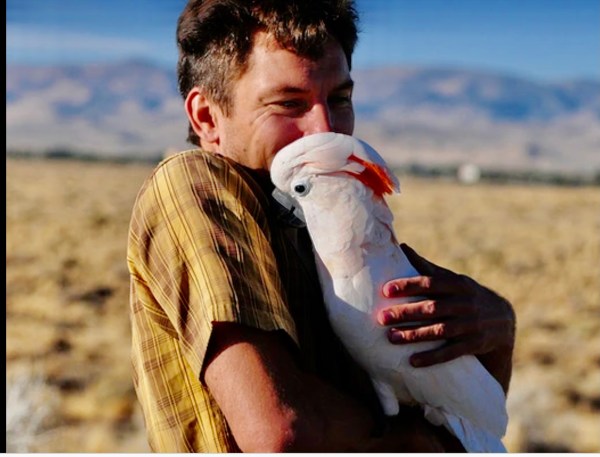
(6) A white cockatoo quietly perched on the door of his open cage allowed me to gently stroke his feathers as he flashed me a loving eye.

The previous examples show  that I experienced a definite sensory “high” from interacting in close proximity with these animals at “Where Pigs Fly” Farm. For I undoubtedly had savored such affectionate contact with farm animals to counteract my emotional blues of social isolation that persists for me in these pandemic times. So if these rescued animals can project such love and kindness in spite of their abandonment, abuse, or physical handicaps, why can’t humans experiencing chronic Corona stress today do the same? Enjoy the photographs below.
https://www.wherepigsflyfarm.com/index.html

https://www.atlasobscura.com/places/pigs-aloft-museum

Equality Dream Attained

“The earth is the mother of all people, and all people should have equal rights upon it.” (Chief Joseph, Nez Perce Tribe)

Getting a good education meant everything to fifteen year old Terrence as he looked forward to excelling in his class work during his upcoming junior year of high school. After all, he had been selected by a special school committee from a pool of academically elite high school applicants to become one of nine African American students to first break the color barrier of segregation to attend an all white, U.S.  public school. Terrence knew that both of his hard working parents always supported his decision to transfer to this new school. But they also cautioned him about angry white protesters who might block his entrance to the school. After all, the tragic legacy of antebellum slavery and its racist overtones had never vanished in this ‘’Old South’’ region..

So as Terrance and these eight other courageous teenagers decided to move forward in their lives and attend classes there each weekday amid such racial tensions, they would develop a keen eye for whom to trust. They also learned to never stray far from those army men and city police who who seemed to be roaming everywhere around school those days. It thus seemed apparent  to each of them that it was this militia’s job to protect all students, black and white, from harm when needed. So they embraced this joyous opportunity for them to compete with white students on equal terms and excel throughout  the entire school year. 

Terrance, in particular, also resolved to find places on campus where he could be most safe throughout the course of each school day. At first, he assumed that each of his classrooms would provide a secure place of refuge for him. Yet he soon learned that many of his teachers and fellow classmates seemed to hate him and often berated him regularly about why he chose to stay as a student at this school. However, Terrence noticed that in Math class, his stern looking  teacher did not outwardly show dislike of him and the classroom atmosphere seemed relatively calm. He also noticed that she would would actually stick up for him when other students picked on him and and often called upon him regularly to answer challenging questions about assignments in class.

Clearly, Terrence had found a safe place in his Math classroom to maximize his chances for learning success every day. Yet he would now need to find other strategies to survive the school year in the face of such openly racist circumstances. Thus he would learn that “keeping his cool” to avoid physical retaliation  when white students bullied him worked best. He would also spend more study time alone in the library when forced to be isolated from the eight other African American students who attended the school. He would in addition avoid drawing attention to himself after school by exiting the campus quietly each day through a basement garage. So as Terrence successfully completed this crisis ridden junior year of high school, the groundwork had been set to mold a future scholar whose will to succeed could never be denied. What other challenging deeds could be mastered in his future of endless opportunity?

Understand then my efforts to provide an authentic sense of Southern racism’s wrath in the above story of Dr. Terrence Roberts, one of the of the nine student members of the so – called “Little Rock Nine.” For during those tumultuous times of September 1957, they would put their lives at risk on several occasions to successfully enroll as African American students at all white, Central High School in Little Rock Arkansas. Racial integration of U.S. public schools as required by the 1954 legal outcome of Supreme Court Case – “Brown vs. Board of Education” had finally been achieved. Terrence would go on to earn his Ph.D. in Psychology from Southern University. He would also enjoy a long career as a distinguished professor, gifted book writer, and coveted speaker around the nation.

For a closer look at the historic events surrounding the “Little Rock Nine”, take a look at our road trip visit to Central High School/Visitor Center in these photographs below.
Source: https://facingtoday.facinghistory.org/60-years-after-little-rock-a-qa-with-terrence-roberts


Southern Antebellum Awakening

“Nothing fills me with deeper sadness than to see a southerner apologizing for the defense we made of our inheritance.“(Jefferson Davis)

Let’s face it We live today in racially turbulent times again as the “Black Lives Matter” crisis escalates around our country over police mistreatment of African Americans. Such current cries of racism thus arouses my curiosity to examine how the practice of slavery perpetuated on southern plantations during antebellum times leading to the Civil War. So it became important for me to allot a portion of our current road trip itinerary in October to take a serious look at the “Deep South” legacy of slaveholding, “White Supremacy” along the Mississippi River region of our country. Thus we would turn north from Interstate Highway 10 along the Louisiana delta and begin a leisurely drive along Highway 61 and less traveled roads along the river through Natchez, Vicksburg, and Port Gibson, Mississippi.

Our southern antebellum tour would thus begin with a morning look at the Great River Road Museum and Interpretive Center located along the east bank of the Mississippi River in Darrow, Louisiana. Some perplexing questions then ran through my mind as I observed the extensive collection of artifacts there depicting past southern plantation life along the river here. Why did running the business of a plantation require slaves at that time? How much historic evidence presented here might be denied over the “Black Lives Matter” backlash to remove Confederate state monuments and statues? Were southern slaves really mistreated as badly as it seemed? Where are some surviving plantations that I can I actually tour today? So judge for yourself in the following photograph display. Was the $20.00 museum admission price worth my time?

Our three hour museum tour included visits to the historic building complex, a restored plantation/garden, and a scenic boardwalk to the Mississippi River.


 This enticing wall mural depicting antebellum times on the river caught my eye as we entered the museum.


From New Orleans to Baton Rouge, hundreds of southern plantations lined both sides of the river during antebellum times. 

The historic legacies of several, famous plantations caught my attention through these galleries.

I learned that the slavery practice flourished as millionaire white planters strove to profit economically in this cotton producing region.

Gazing intently at this authentic photo of working plantation, I observed that housing built for working slaves seemed relatively humane.

Some slaves as depicted in these museum pictures seemed relatively well adapted to the slavery practice.


While others seemed driven by their owners to perpetuate their inferior lot.

There appeared to be strong sentiment in this region to denounce the evils of slavery.

Yet ultimately the “Confederacy elected to defend the maintenance of slavery by fighting a Civil War.

Blog at WordPress.com.

Up ↑