Animal Rescue Therapy Appreciated

“Studying cows, pigs, and chickens can help an actor develop his character. There are a lot of things I learned from animals. One was that they couldn’t hiss or boo me.” (James Dean)

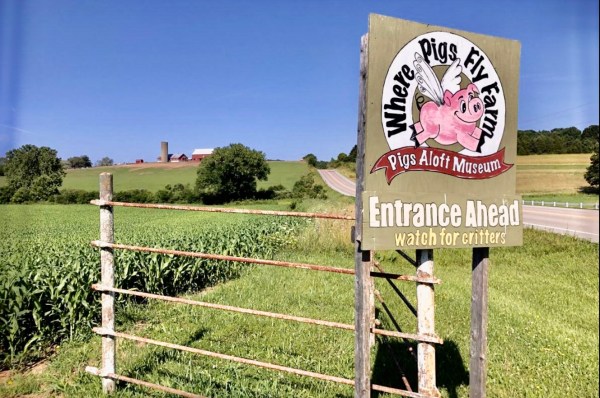
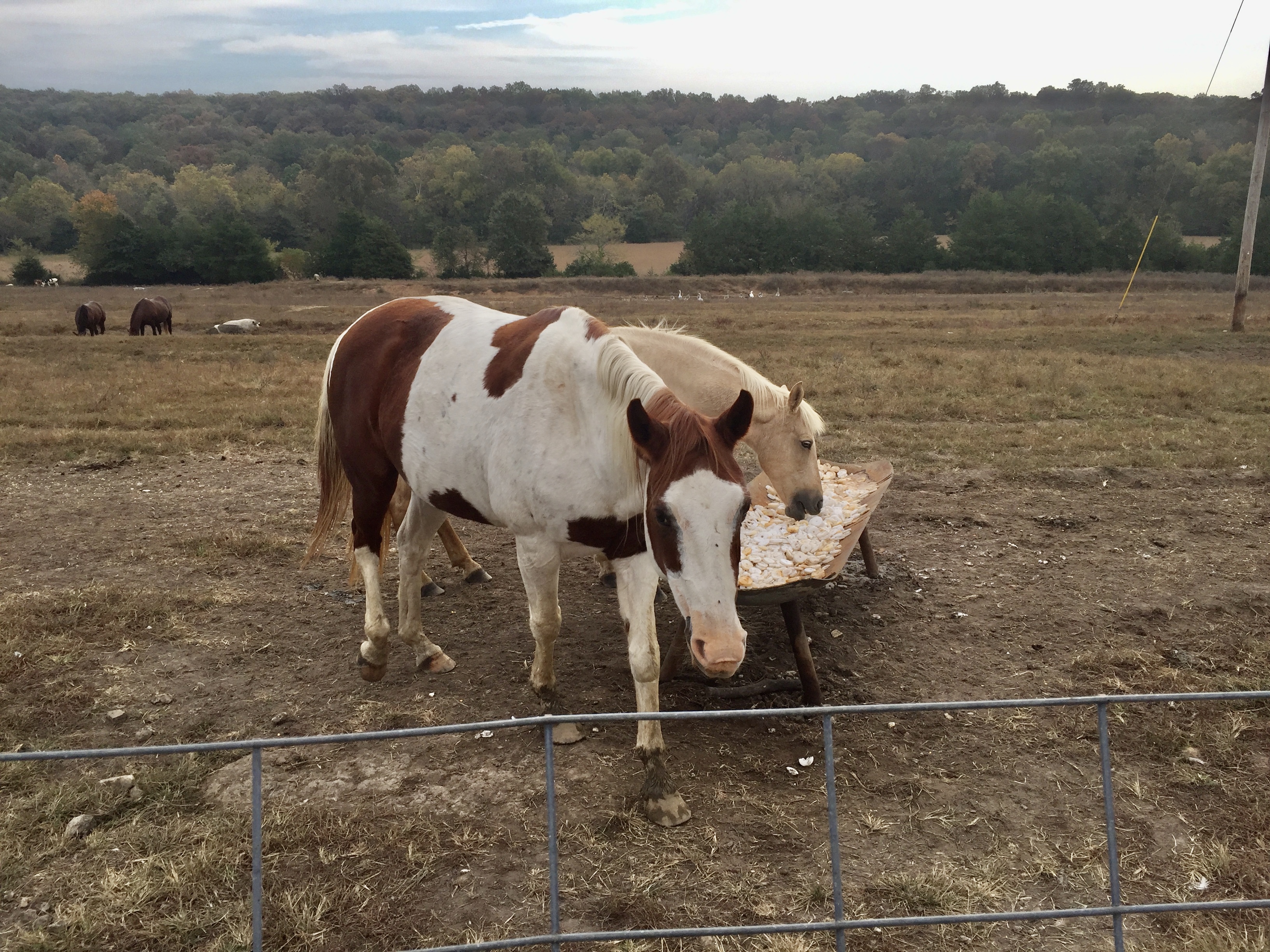
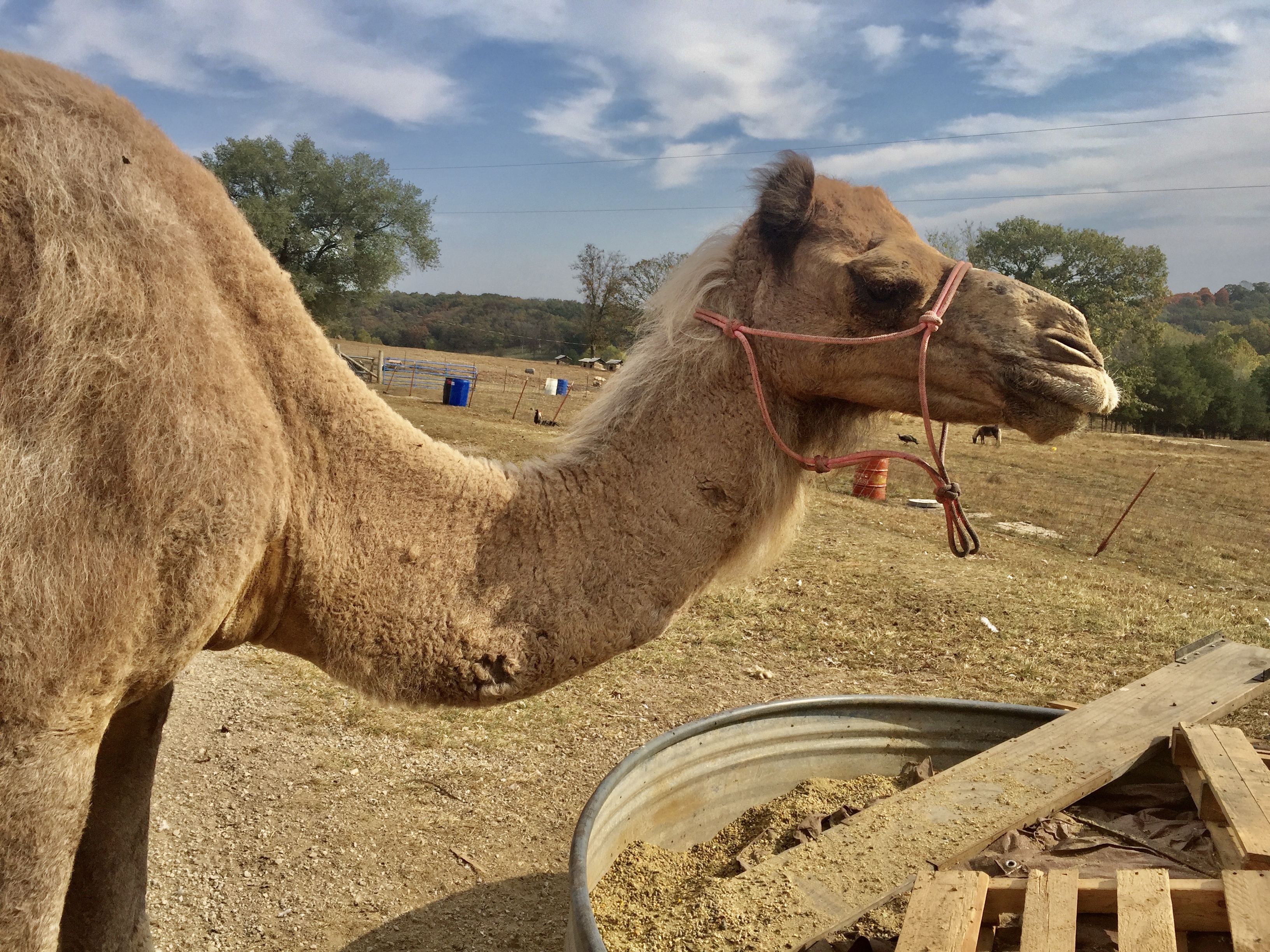
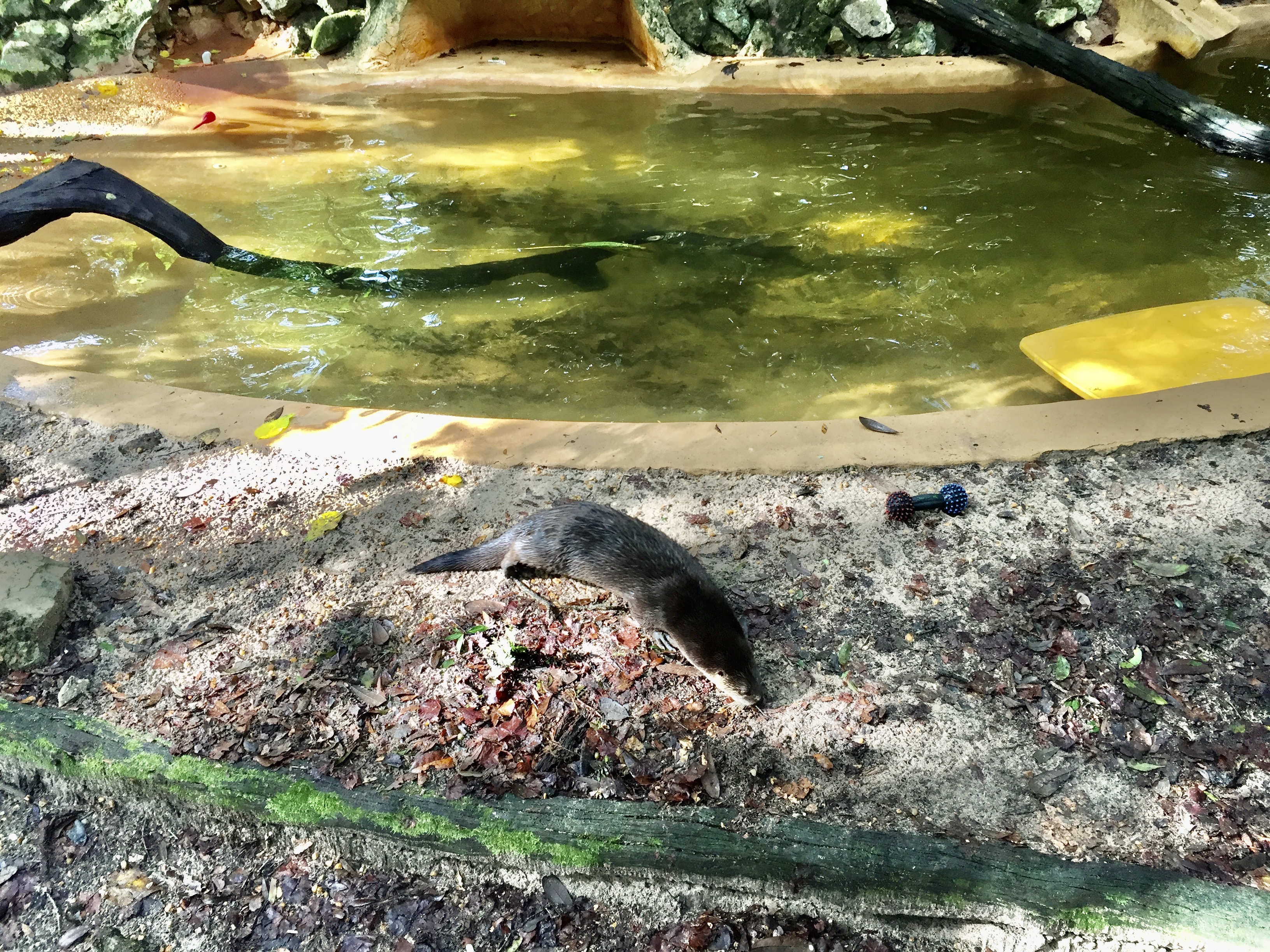
One of the most useful online sources I employ for planning our independent travel itineraries has been “Atlas Obscura.” Each weekday, I check their daily update online to read captivating stories about unique places to visit around the world. A recent entry describing an animal rescue farm titled “Where Pigs Fly”, thus caught my attention as we followed our current road trip itinerary through the backwoods of Central Missouri. Deciding that the one hour diversion from our currently route would be worth our time, we then decided to book a mid morning appointment time to this farm for the next day. Billed as the world’s largest pig museum in the country, in fact these intriguing grounds thrilled us with so much more. For beyond the front gate of the farm lay a fascinating menagerie of over 500 rescued animals including horses, donkeys, pigs, hogs, sheep, goats, fowl, dogs, cats, llamas, emus, and a large camel.

During the course of our two hour farm visit to “Where Pigs Fly Farm”, several memorable encounters in close interaction with these animals vividly come to mind.

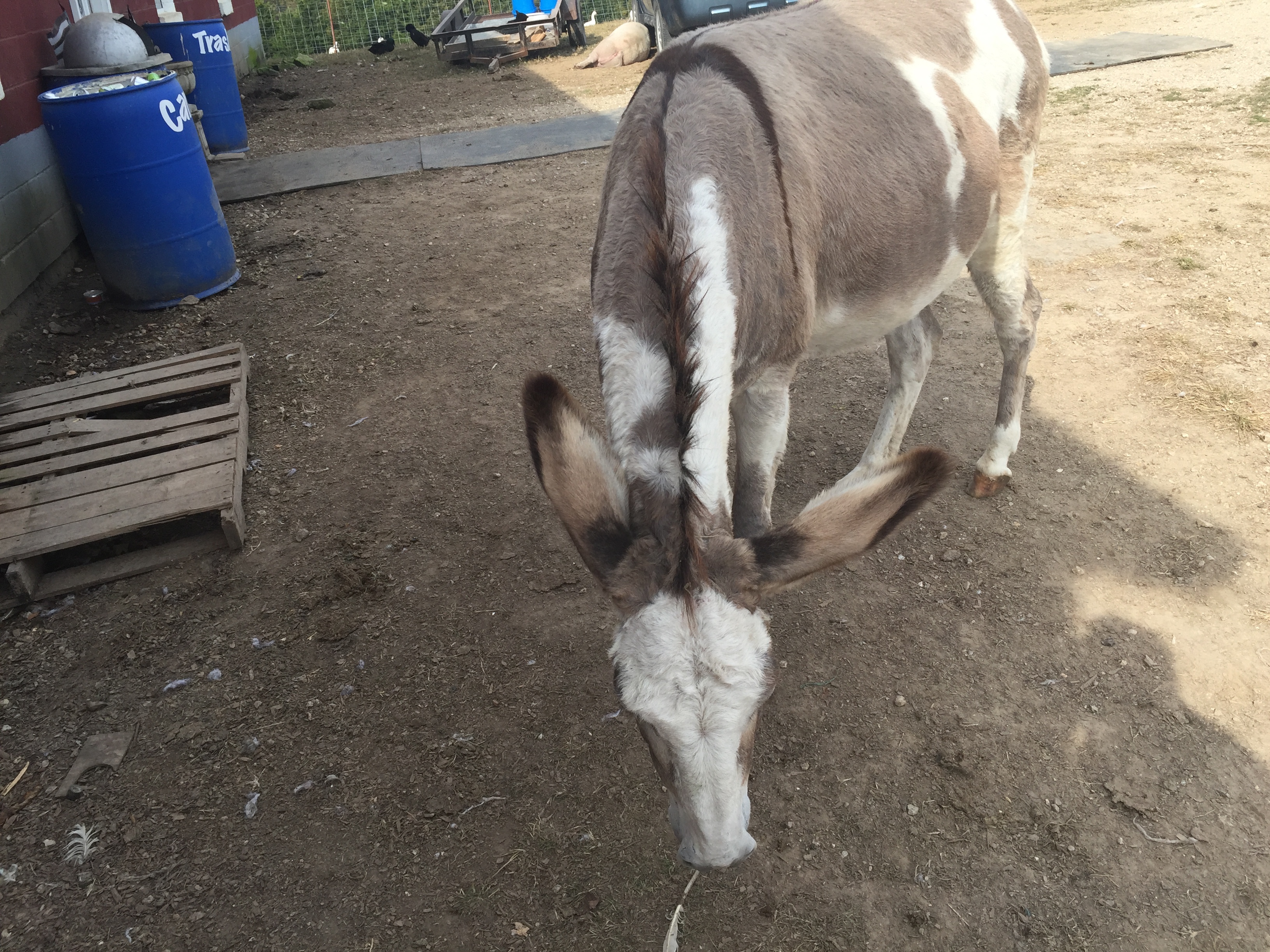
(1) A blind donkey stubbornly refused to move out of our way and blocked the main road to the facility. How amusing that this mule seemed utterly afraid of our moving vehicle at the time.

(2) A playful St. Bernard dog ran up to me as I left the car and curiously sniffed at my shoes. He then laid down on his back and proceeded to whine as I rubbed its belly.

(3) A hungry emu stalked me as I made my way to the ticket office and aggressively pecked at a grain block that I was holding in my hand. Yet he allowed to me to pet  him while he chewed each morsel.

(4) A lazy hog oinked in sedentary contentment as I plunged my fingers into its filthy stomach.

(5) A billy goat found my shirt more appetizing to munch on than the crackers I held in my hand.

(6) A white cockatoo quietly perched on the door of his open cage allowed me to gently stroke his feathers as he flashed me a loving eye.

The previous examples show  that I experienced a definite sensory “high” from interacting in close proximity with these animals at “Where Pigs Fly” Farm. For I undoubtedly had savored such affectionate contact with farm animals to counteract my emotional blues of social isolation that persists for me in these pandemic times. So if these rescued animals can project such love and kindness in spite of their abandonment, abuse, or physical handicaps, why can’t humans experiencing chronic Corona stress today do the same? Enjoy the photographs below.

https://www.wherepigsflyfarm.com/index.html

https://www.atlasobscura.com/places/pigs-aloft-museum

Equality Dream Attained

“The earth is the mother of all people, and all people should have equal rights upon it.” (Chief Joseph, Nez Perce Tribe)

Getting a good education meant everything to fifteen year old Terrence as he looked forward to excelling in his class work during his upcoming junior year of high school. After all, he had been selected by a special school committee from a pool of academically elite high school applicants to become one of nine African American students to first break the color barrier of segregation to attend an all white, U.S.  public school. Terrence knew that both of his hard working parents always supported his decision to transfer to this new school. But they also cautioned him about angry white protesters who might block his entrance to the school. After all, the tragic legacy of antebellum slavery and its racist overtones had never vanished in this ‘’Old South’’ region..

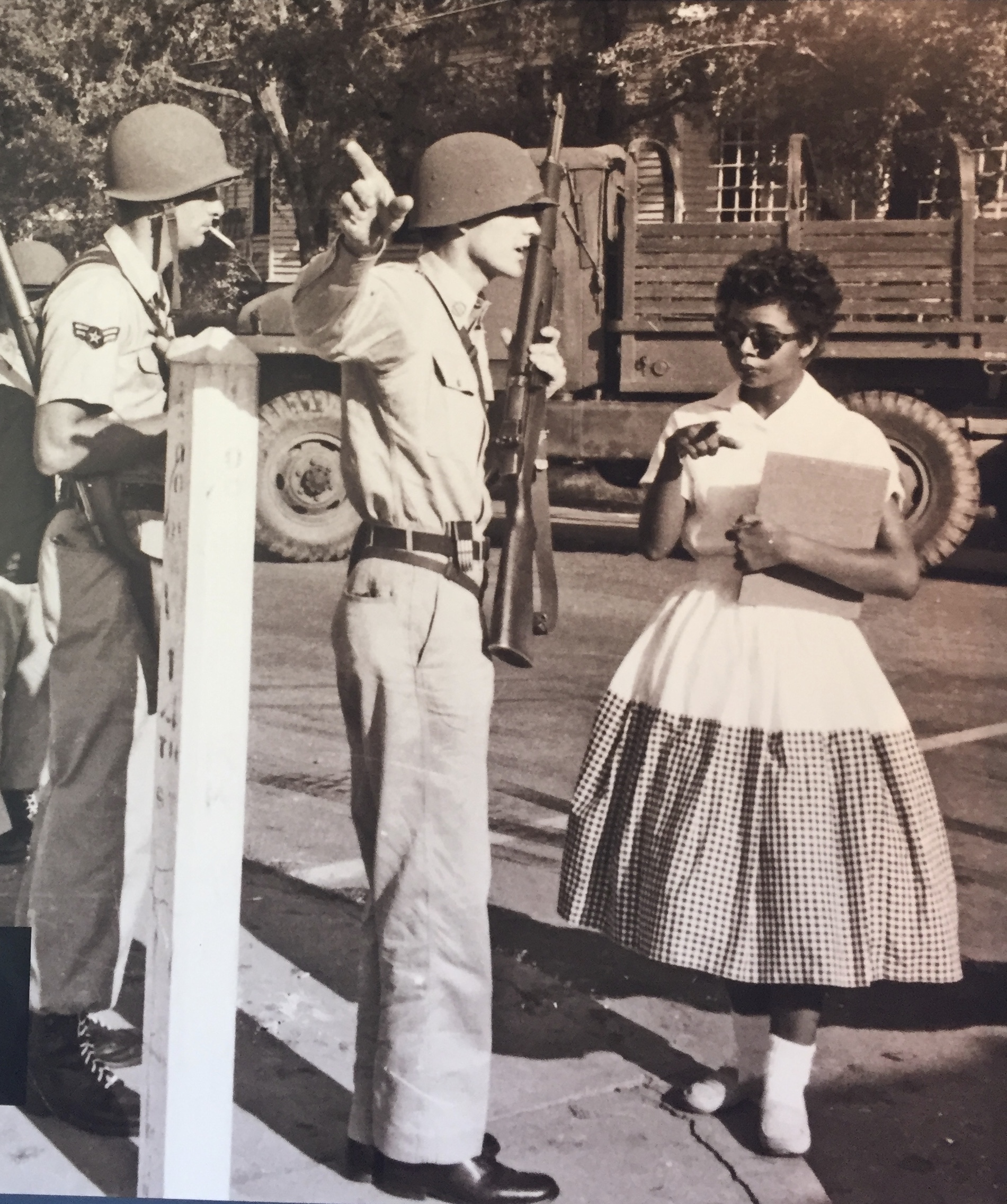
So as Terrance and these eight other courageous teenagers decided to move forward in their lives and attend classes there each weekday amid such racial tensions, they would develop a keen eye for whom to trust. They also learned to never stray far from those army men and city police who who seemed to be roaming everywhere around school those days. It thus seemed apparent  to each of them that it was this militia’s job to protect all students, black and white, from harm when needed. So they embraced this joyous opportunity for them to compete with white students on equal terms and excel throughout  the entire school year. 

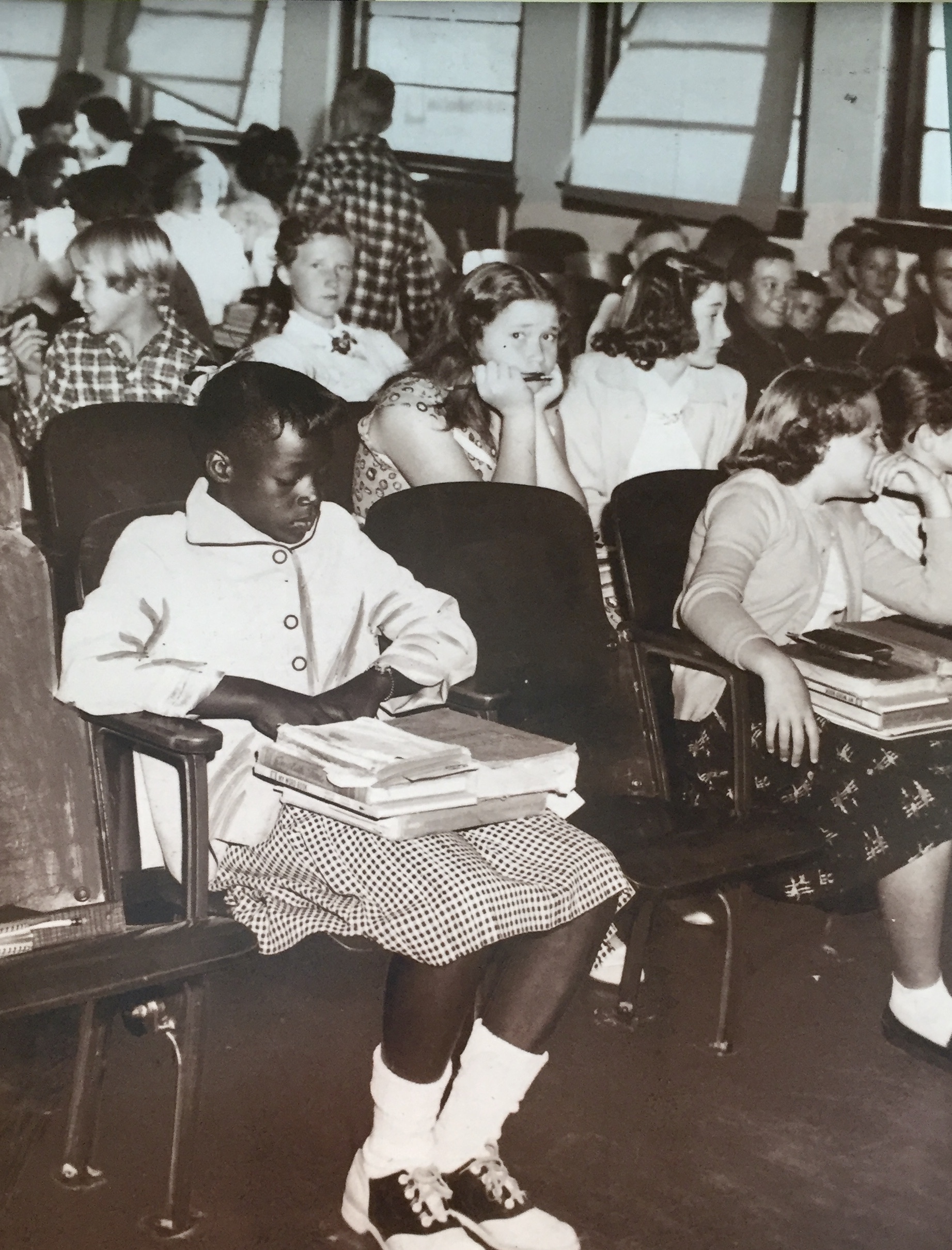
Terrance, in particular, also resolved to find places on campus where he could be most safe throughout the course of each school day. At first, he assumed that each of his classrooms would provide a secure place of refuge for him. Yet he soon learned that many of his teachers and fellow classmates seemed to hate him and often berated him regularly about why he chose to stay as a student at this school. However, Terrence noticed that in Math class, his stern looking  teacher did not outwardly show dislike of him and the classroom atmosphere seemed relatively calm. He also noticed that she would would actually stick up for him when other students picked on him and and often called upon him regularly to answer challenging questions about assignments in class.

Clearly, Terrence had found a safe place in his Math classroom to maximize his chances for learning success every day. Yet he would now need to find other strategies to survive the school year in the face of such openly racist circumstances. Thus he would learn that “keeping his cool” to avoid physical retaliation  when white students bullied him worked best. He would also spend more study time alone in the library when forced to be isolated from the eight other African American students who attended the school. He would in addition avoid drawing attention to himself after school by exiting the campus quietly each day through a basement garage. So as Terrence successfully completed this crisis ridden junior year of high school, the groundwork had been set to mold a future scholar whose will to succeed could never be denied. What other challenging deeds could be mastered in his future of endless opportunity?

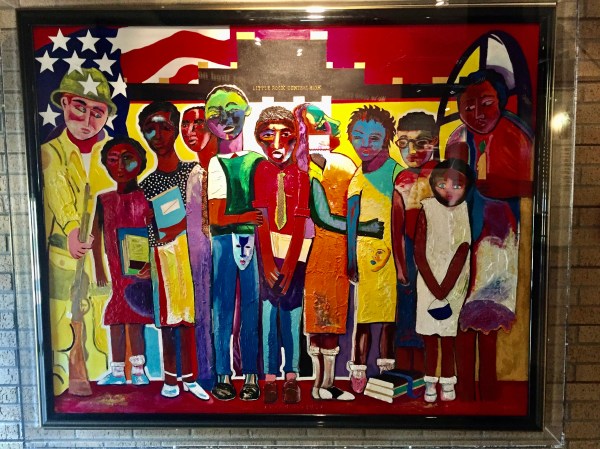
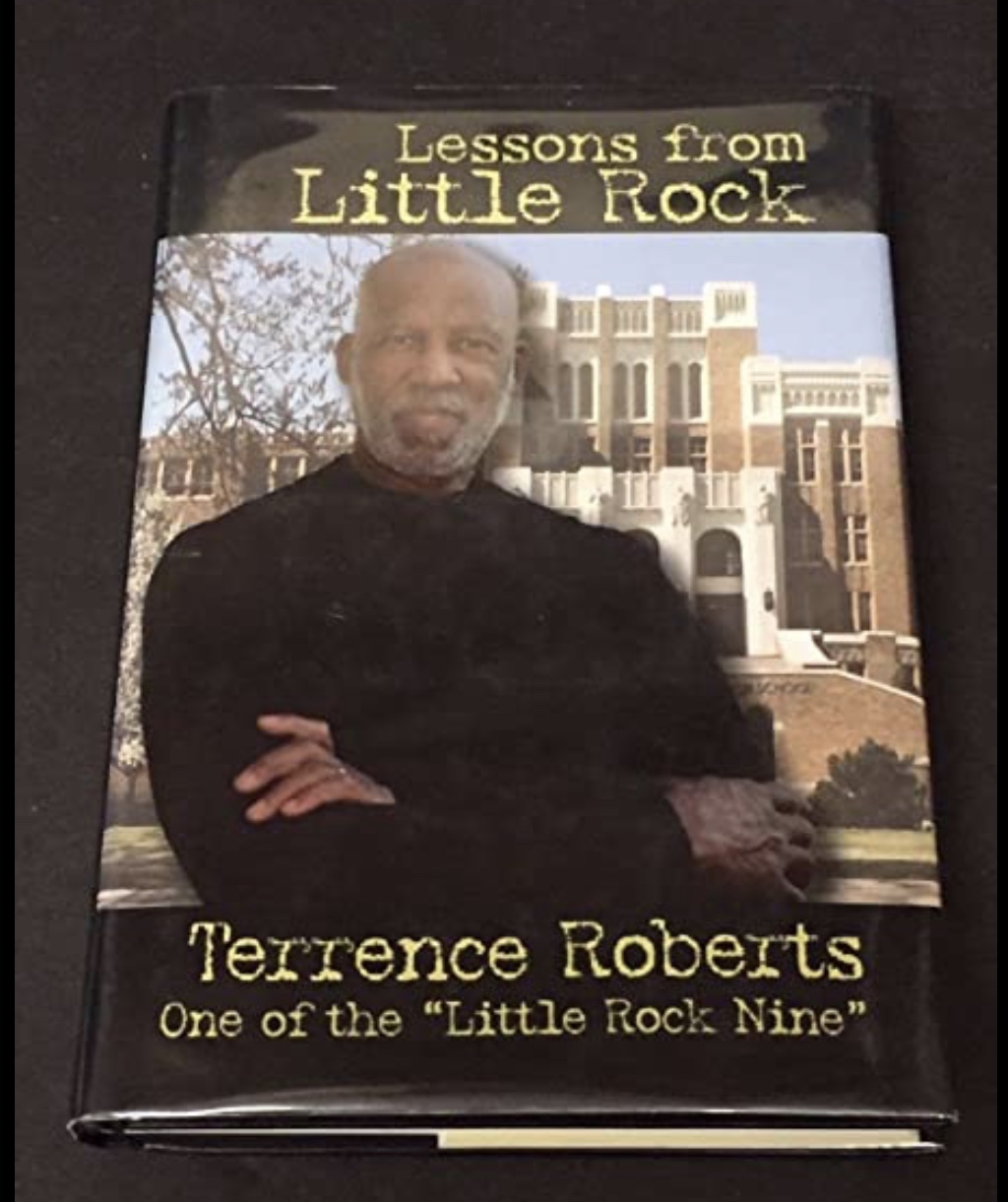
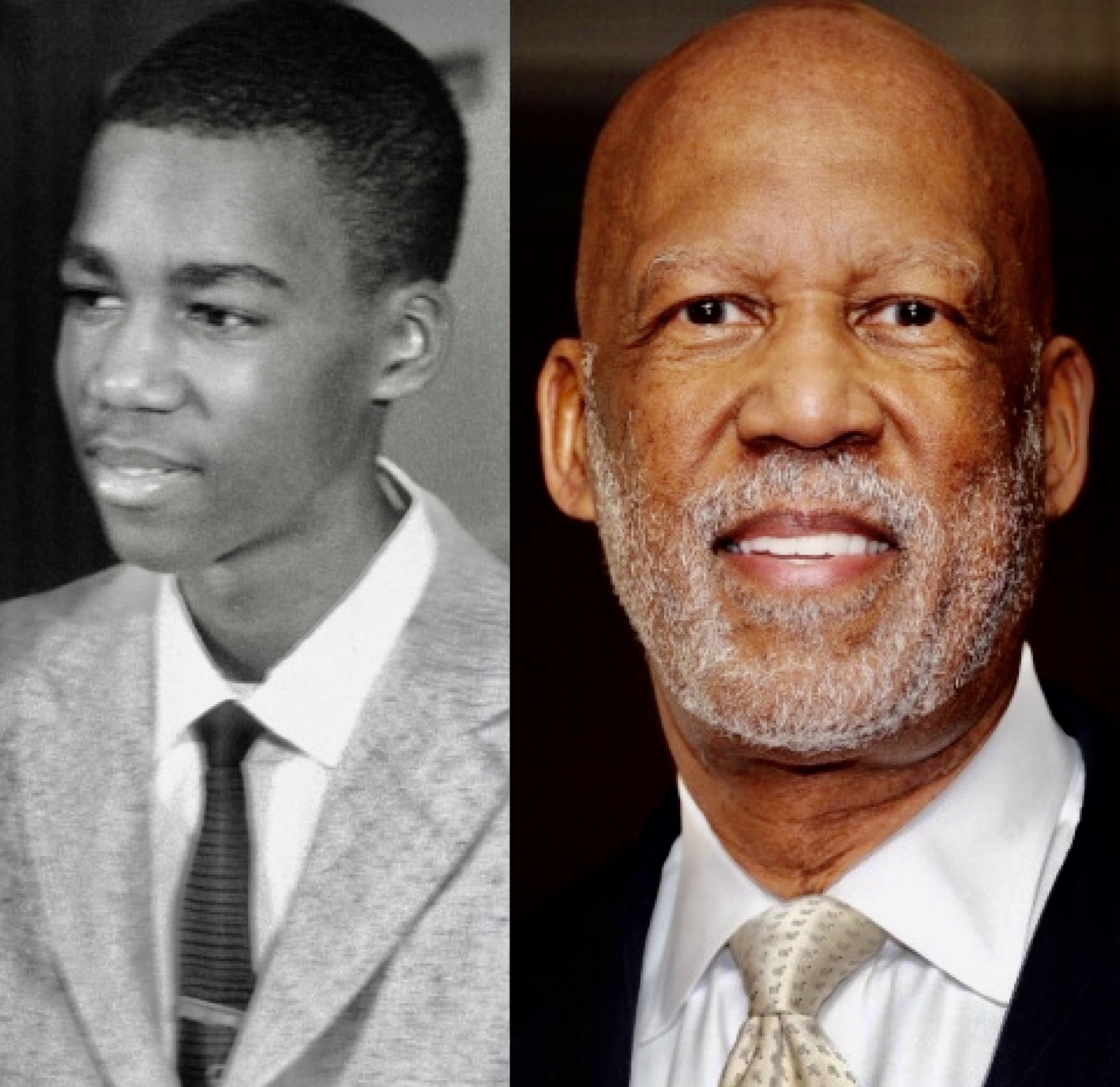
Understand then my efforts to provide an authentic sense of Southern racism’s wrath in the above story of Dr. Terrence Roberts, one of the of the nine student members of the so – called “Little Rock Nine.” For during those tumultuous times of September 1957, they would put their lives at risk on several occasions to successfully enroll as African American students at all white, Central High School in Little Rock Arkansas. Racial integration of U.S. public schools as required by the 1954 legal outcome of Supreme Court Case – “Brown vs. Board of Education” had finally been achieved. Terrence would go on to earn his Ph.D. in Psychology from Southern University. He would also enjoy a long career as a distinguished professor, gifted book writer, and coveted speaker around the nation.

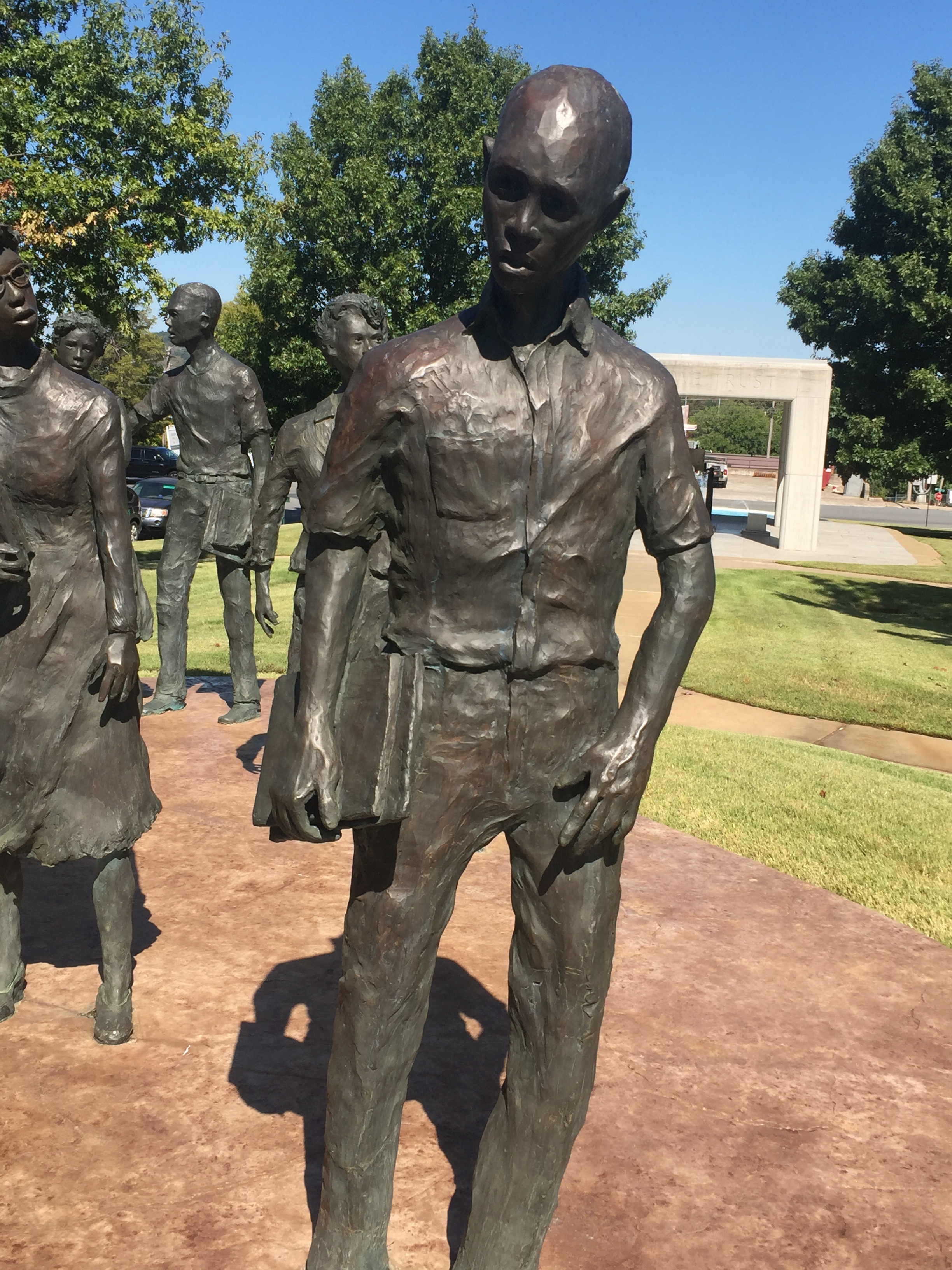
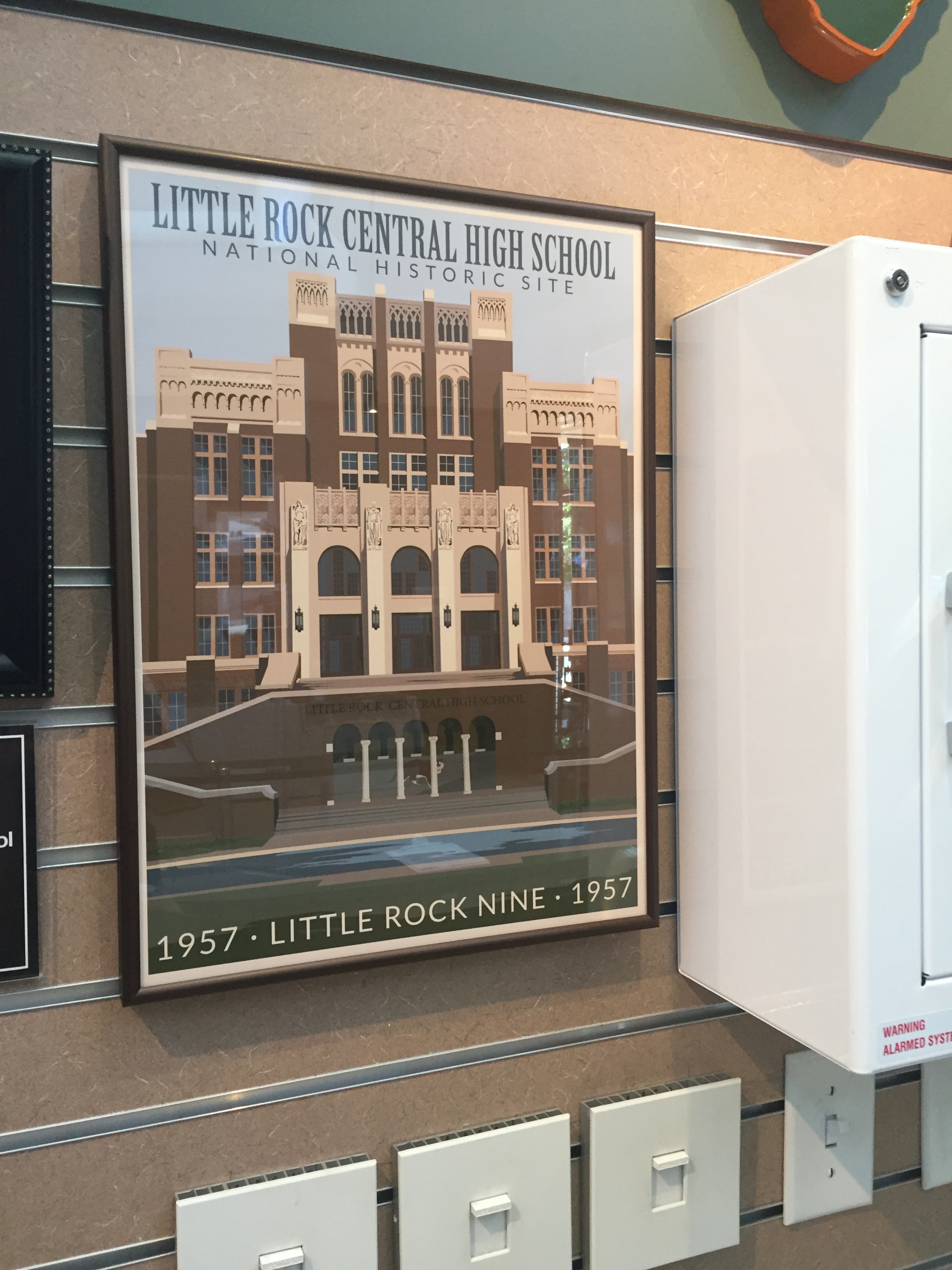
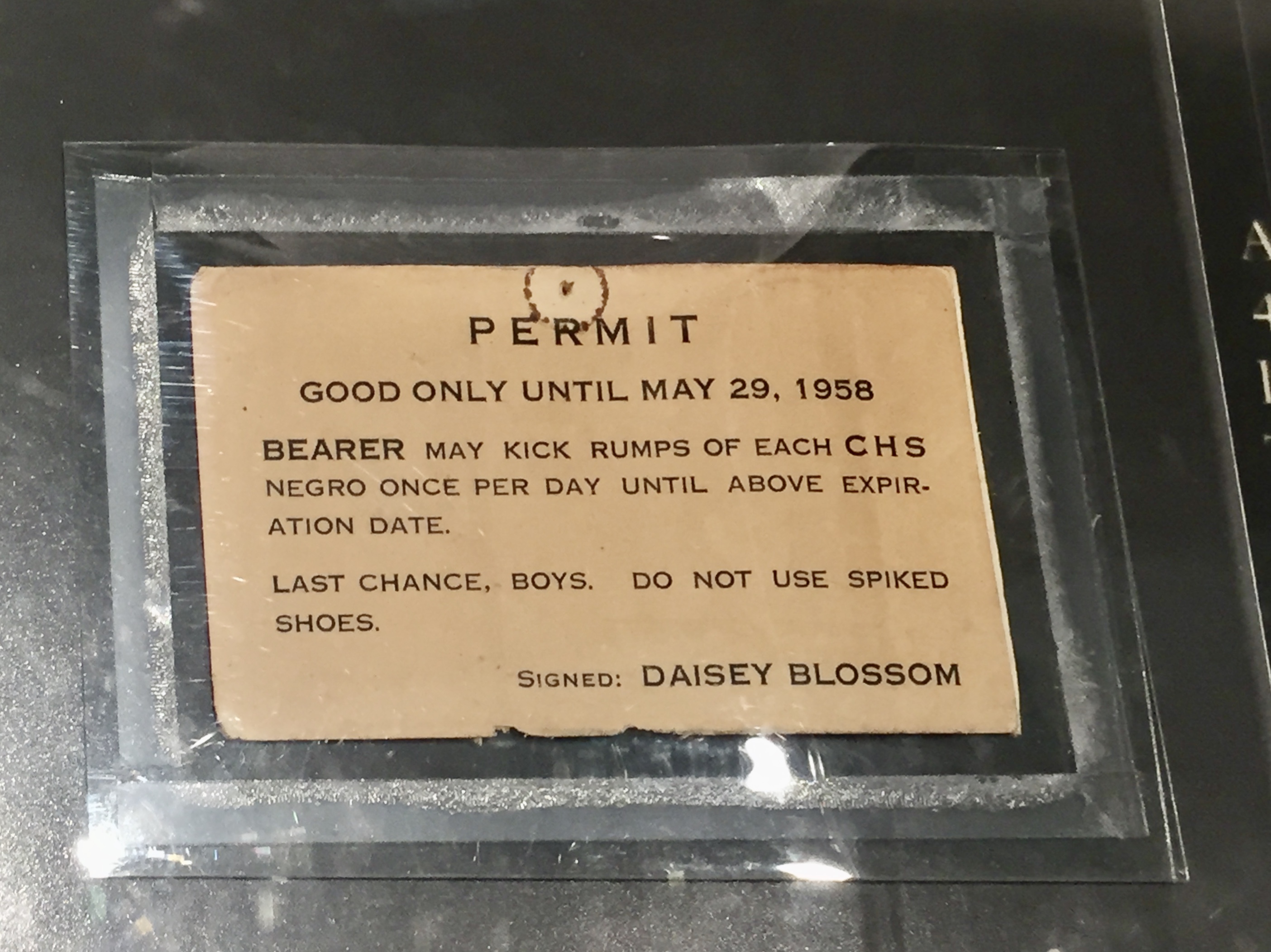
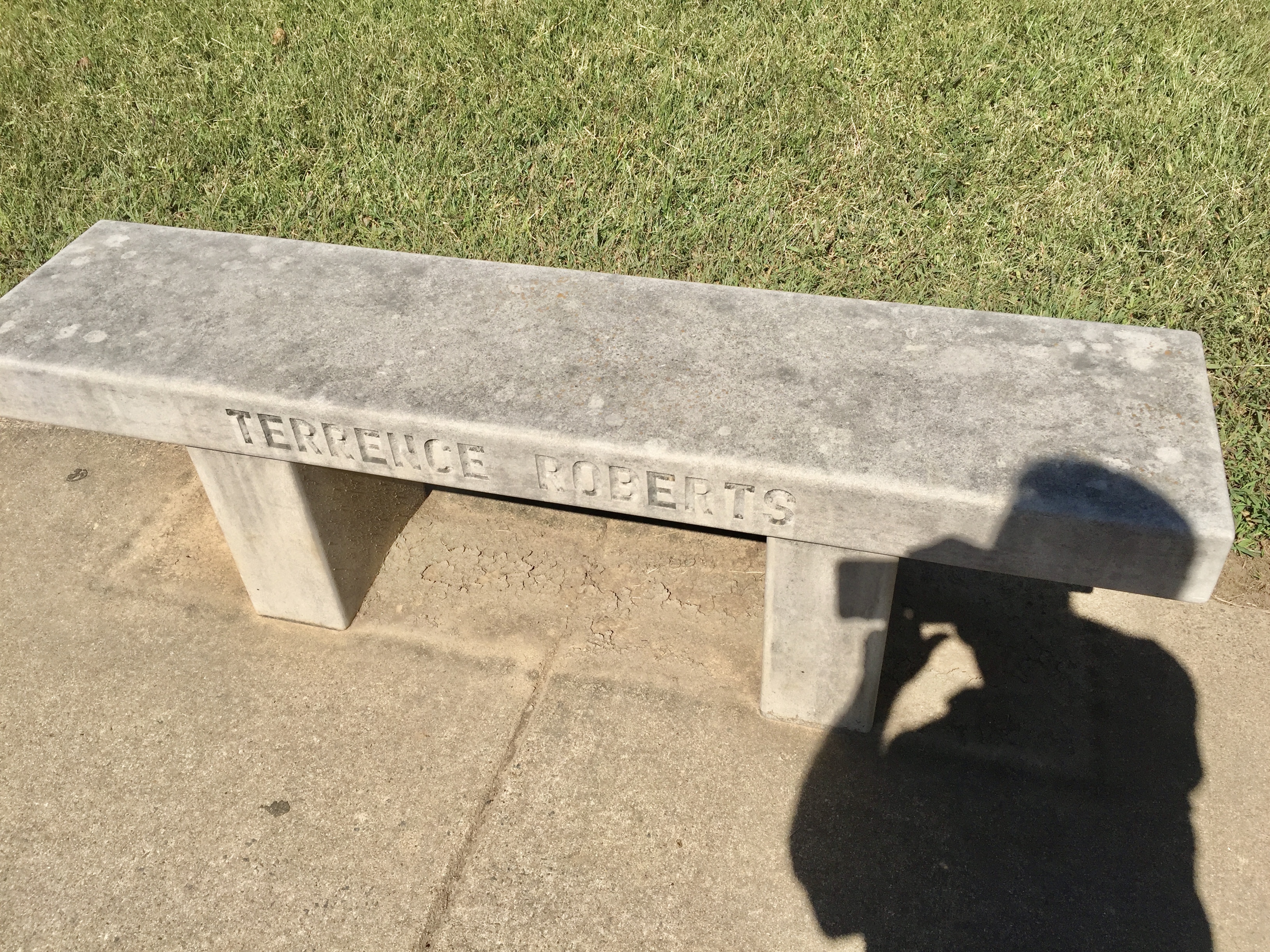
For a closer look at the historic events surrounding the “Little Rock Nine”, take a look at our road trip visit to Central High School/Visitor Center in these photographs below.

Source: https://facingtoday.facinghistory.org/60-years-after-little-rock-a-qa-with-terrence-roberts


Southern Antebellum Awakening

“Nothing fills me with deeper sadness than to see a southerner apologizing for the defense we made of our inheritance.“(Jefferson Davis)

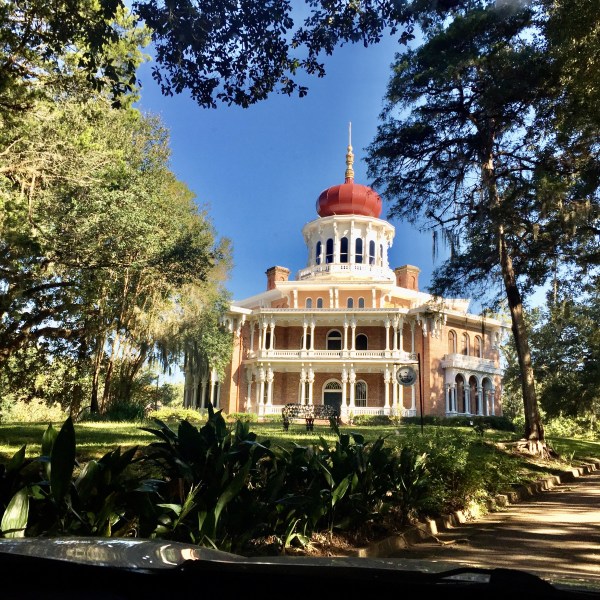
Let’s face it We live today in racially turbulent times again as the “Black Lives Matter” crisis escalates around our country over police mistreatment of African Americans. Such current cries of racism thus arouses my curiosity to examine how the practice of slavery perpetuated on southern plantations during antebellum times leading to the Civil War. So it became important for me to allot a portion of our current road trip itinerary in October to take a serious look at the “Deep South” legacy of slaveholding, “White Supremacy” along the Mississippi River region of our country. Thus we would turn north from Interstate Highway 10 along the Louisiana delta and begin a leisurely drive along Highway 61 and less traveled roads along the river through Natchez, Vicksburg, and Port Gibson, Mississippi.

Our southern antebellum tour would thus begin with a morning look at the Great River Road Museum and Interpretive Center located along the east bank of the Mississippi River in Darrow, Louisiana. Some perplexing questions then ran through my mind as I observed the extensive collection of artifacts there depicting past southern plantation life along the river here. Why did running the business of a plantation require slaves at that time? How much historic evidence presented here might be denied over the “Black Lives Matter” backlash to remove Confederate state monuments and statues? Were southern slaves really mistreated as badly as it seemed? Where are some surviving plantations that I can I actually tour today? So judge for yourself in the following photograph display. Was the $20.00 museum admission price worth my time?

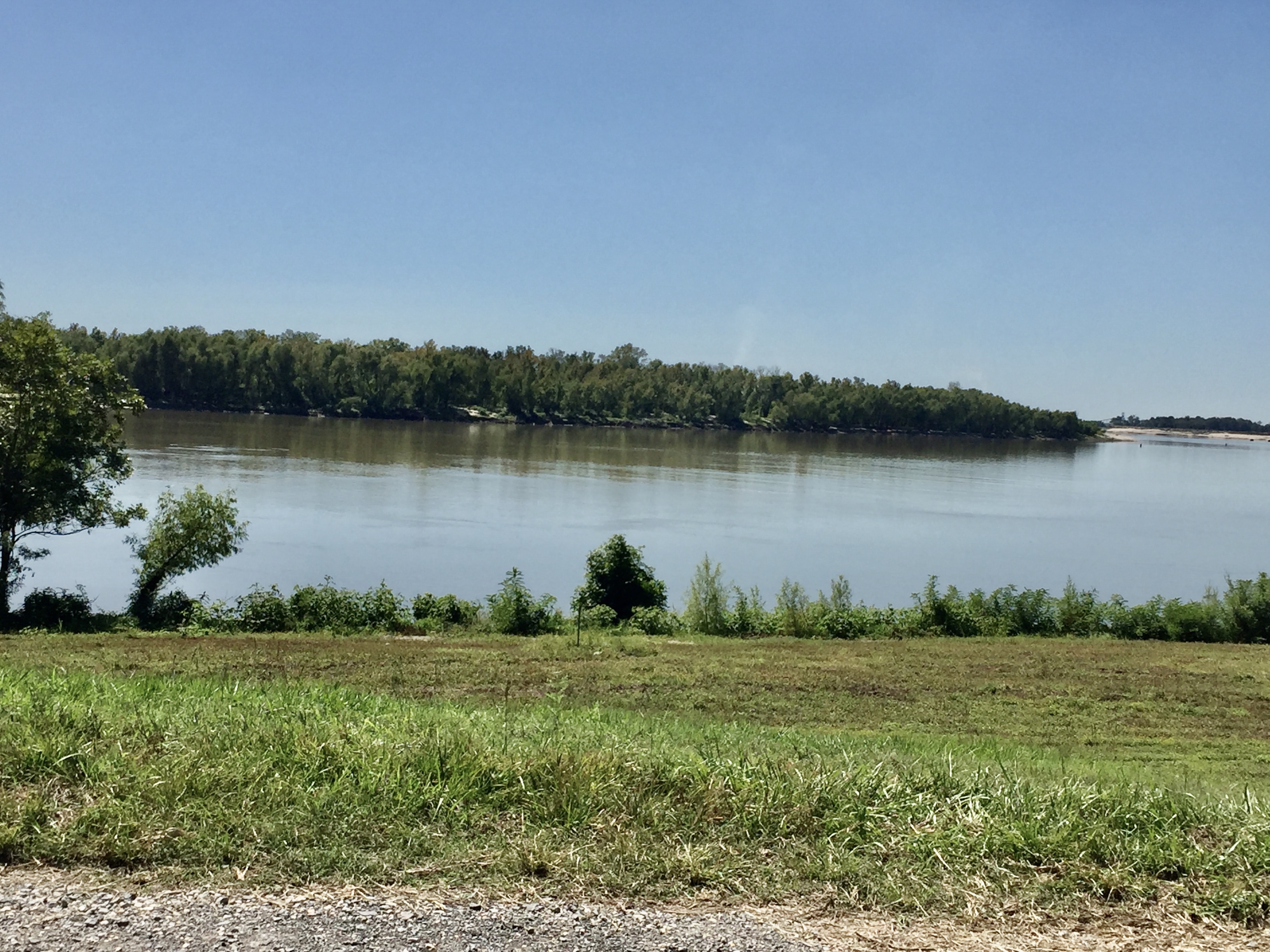
Our three hour museum tour included visits to the historic building complex, a restored plantation/garden, and a scenic boardwalk to the Mississippi River.


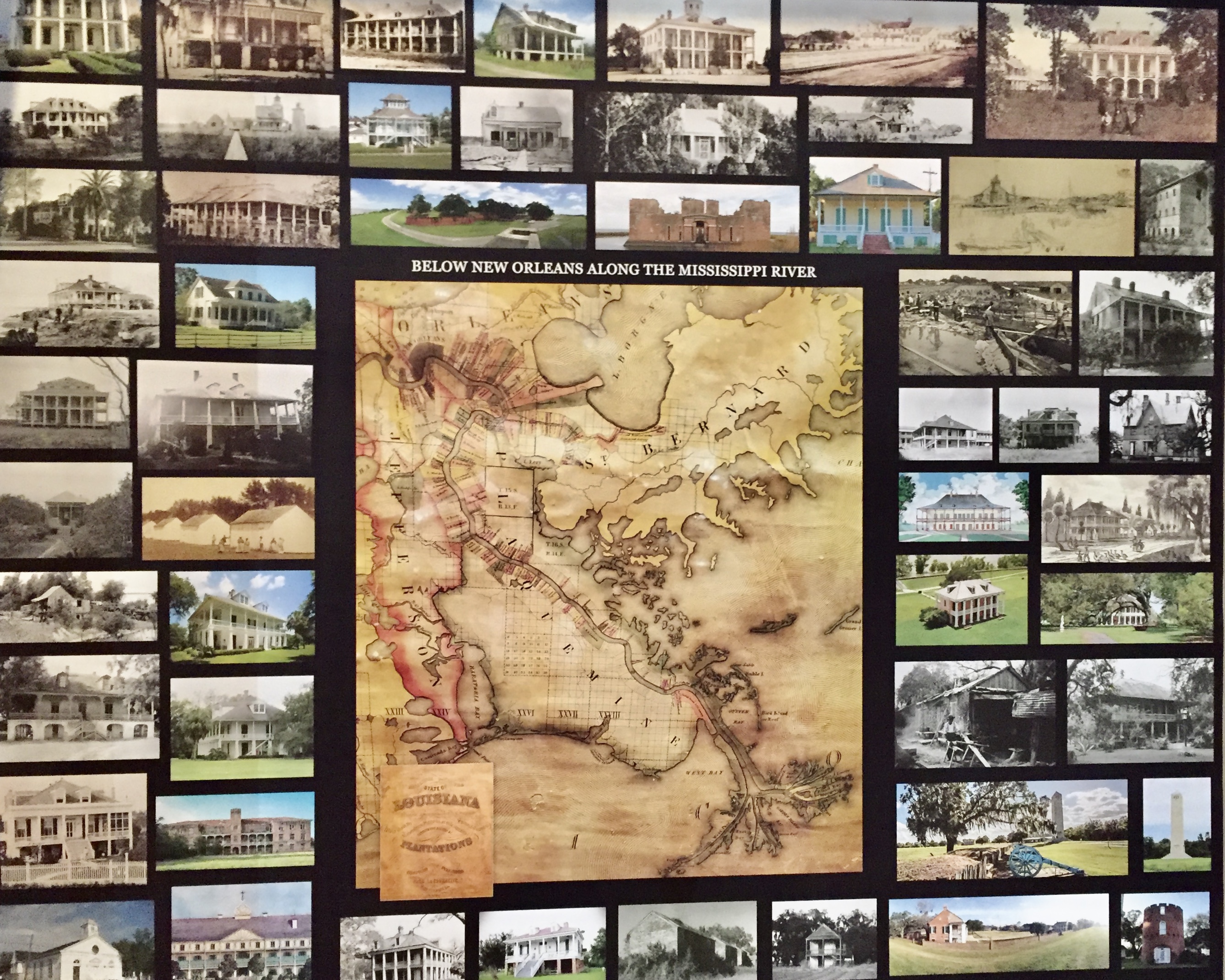
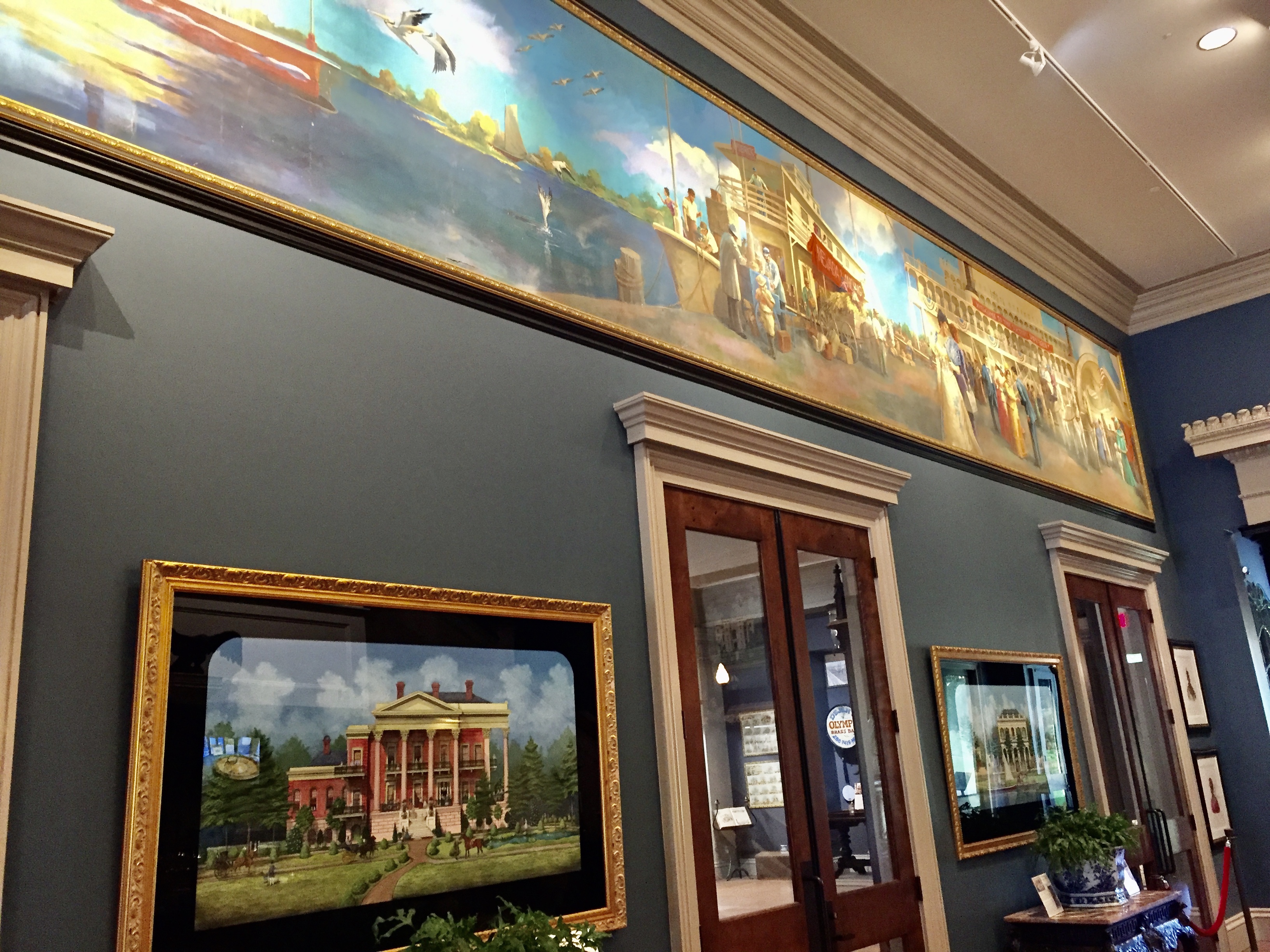
 This enticing wall mural depicting antebellum times on the river caught my eye as we entered the museum.


From New Orleans to Baton Rouge, hundreds of southern plantations lined both sides of the river during antebellum times. 

The historic legacies of several, famous plantations caught my attention through these galleries.

I learned that the slavery practice flourished as millionaire white planters strove to profit economically in this cotton producing region.

Gazing intently at this authentic photo of working plantation, I observed that housing built for working slaves seemed relatively humane.

Some slaves as depicted in these museum pictures seemed relatively well adapted to the slavery practice.


While others seemed driven by their owners to perpetuate their inferior lot.

There appeared to be strong sentiment in this region to denounce the evils of slavery.

Yet ultimately the “Confederacy elected to defend the maintenance of slavery by fighting a Civil War.

A Sense Of “Old Tallahassee”

“ A place can fall victim to amnesia. It can lose he memory of what it was and thereby lose touch with what it is, what it wants to be.”(Sidney Hyman)

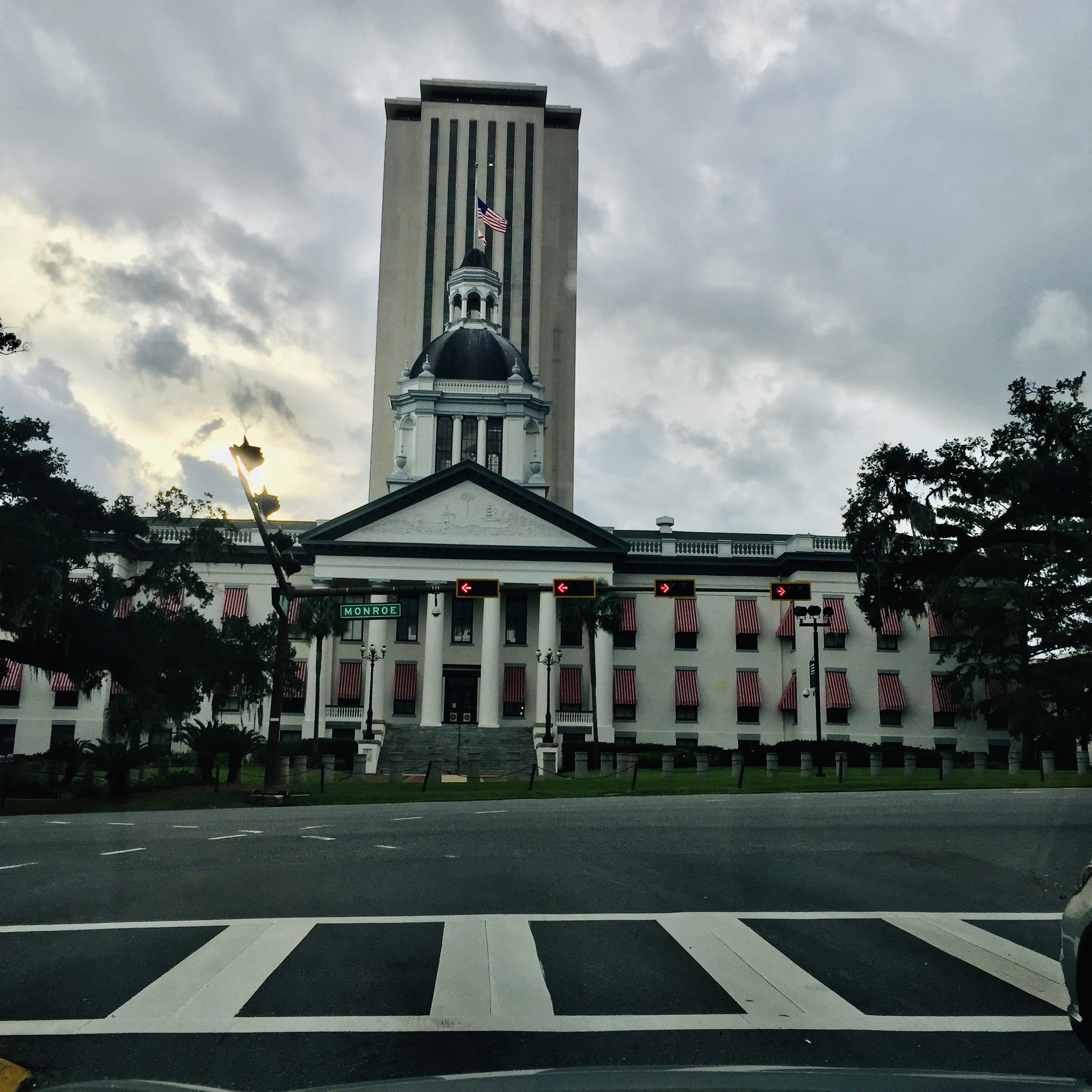
Tallahassee functions today as the capital city of Florida, home of two, major universities and the state’s 5th most populated city. Yet it thrives today in spite of being geographically isolated from other population centers in Florida. So this thought often crossed my mind on our road trip beginning  yesterday as we took an “off the beaten track” drive along U.S. Highway 27 in North Florida through “sleepy” southern towns of Spanish moss profusion. Yet upon entering the urban environs of Tallahassee, our upcoming visit would seem oddly out of “Old South” character.

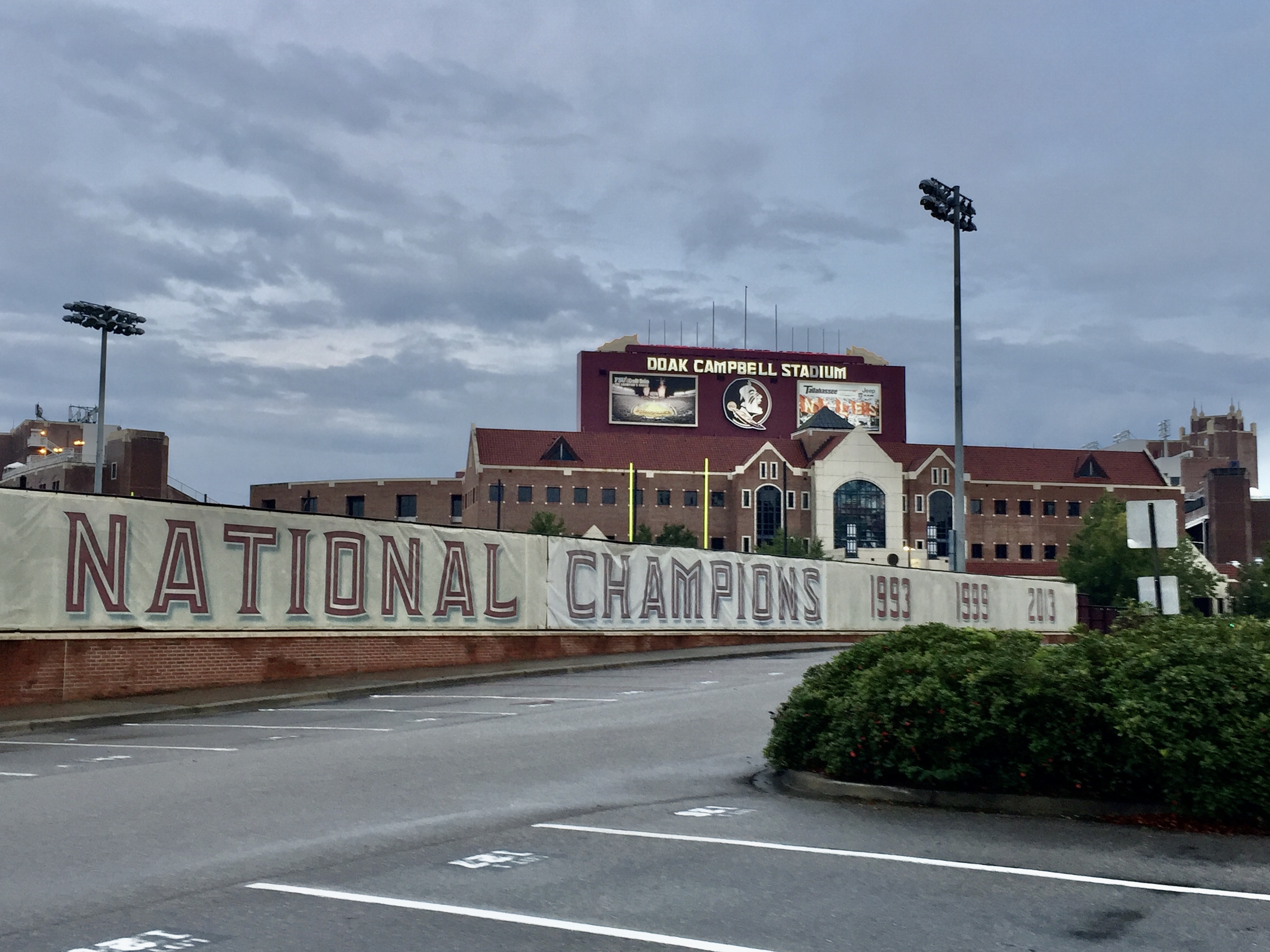
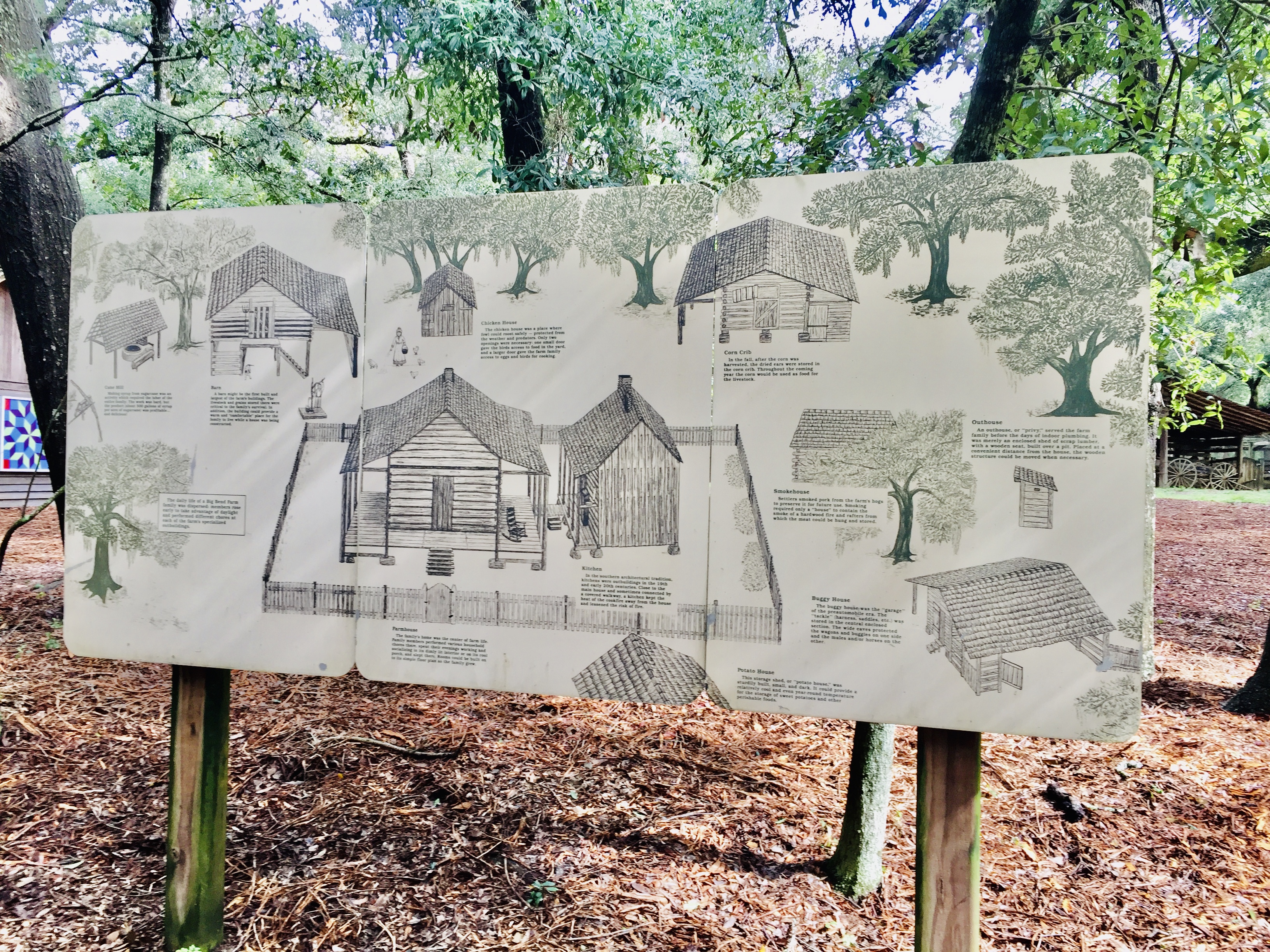
I thus became curious to find out more about Tallahassee’s legacy of fame amidst such rural isolation. So we took a few hours time for a morning visit to the Tallahassee Museum obscurely located a few miles southwest of the city. Walking amid an early 19th century community of authentically restored buildings at this “living history” site, for the first time I envisioned how an “Old South”,  Tallahassee impression now seemed real to me. For throughout its history in the past two centuries, I had then learned that Tallahassee had once served as a Native American settlement, cotton producing giant , slave holding hub and seasonal hunting ground. So I would not be be fooled by the modern look of the massive State Capitol complex prominently situated atop a steep hill in downtown or the sprawling campus of nearby Florida State University. For from a deeper historic perspective, “Old Tallahassee” would be a most accurate description of this community.

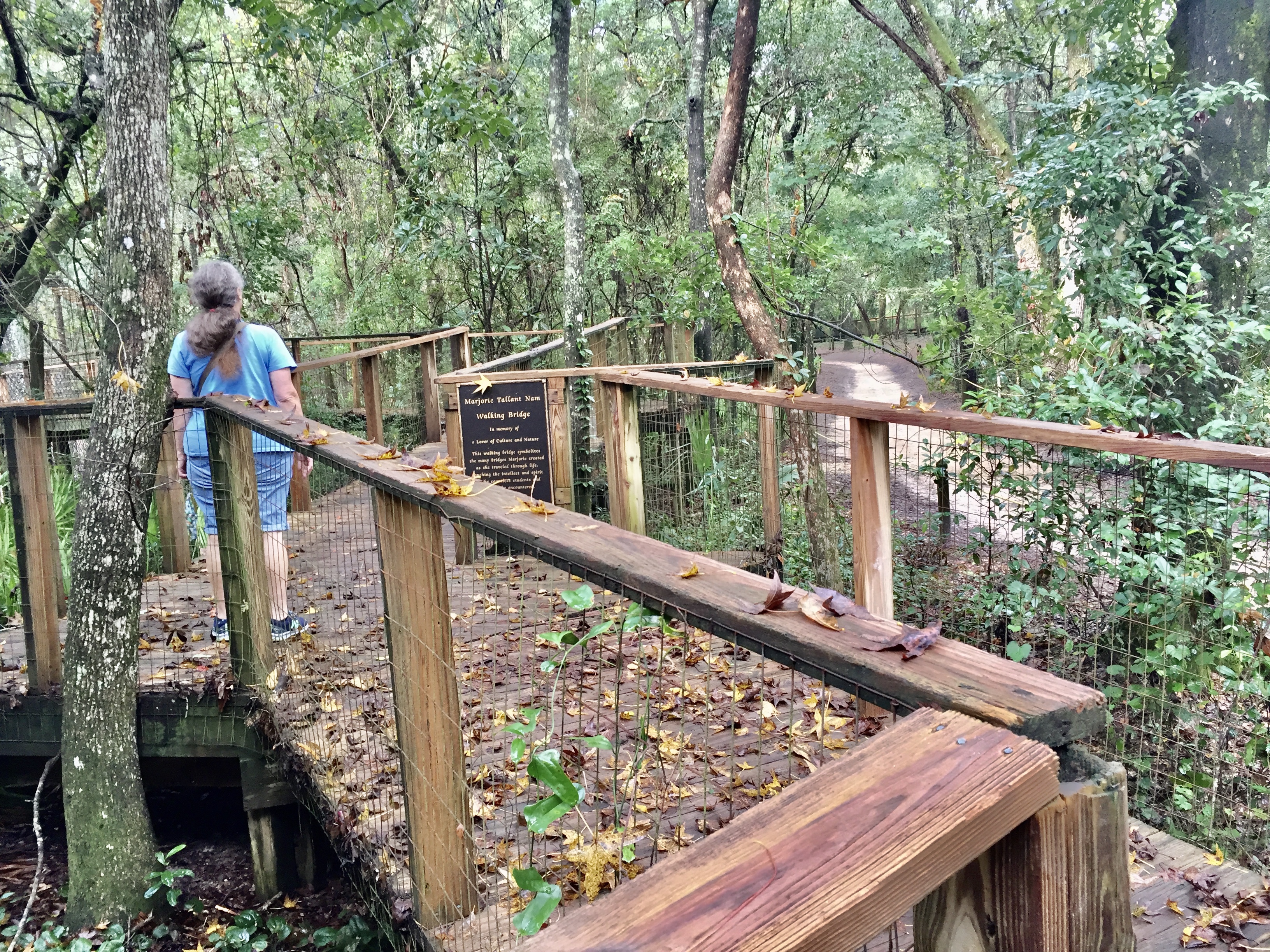
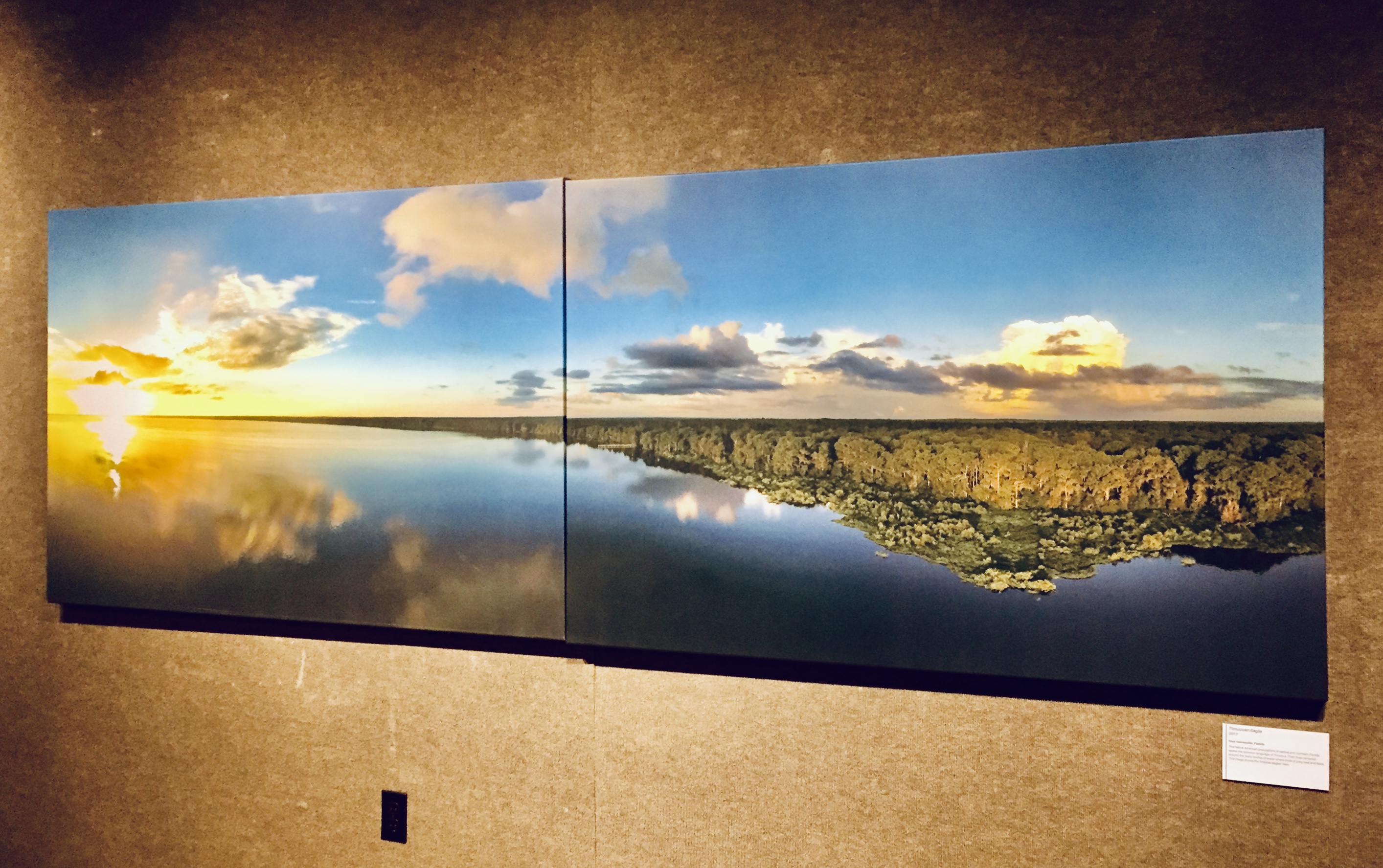
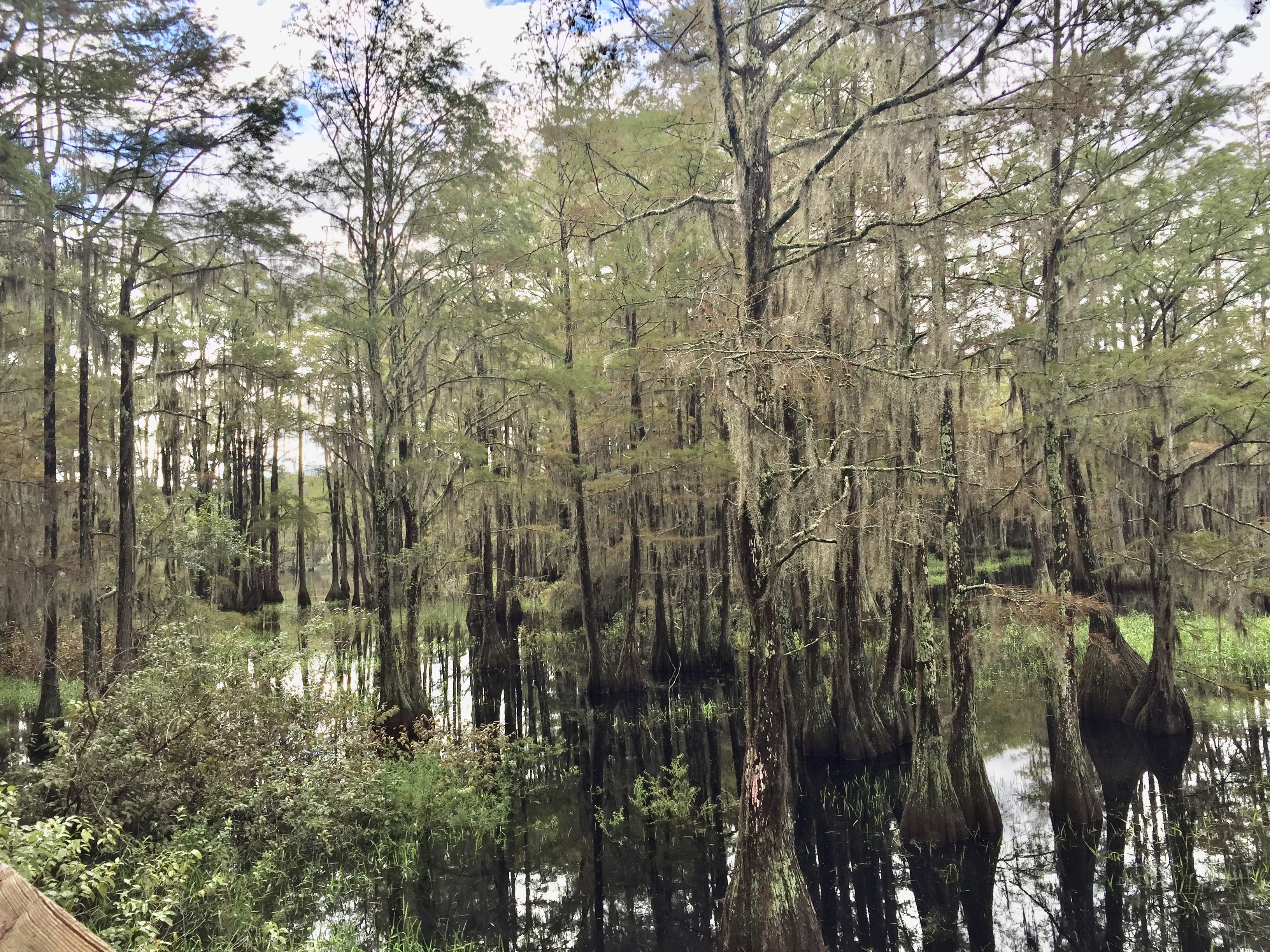
Beyond observing such evidence of how human life once thrived as “Old Tallahassee” culture, strong  evidence of the impact of environmental change  in this region would be revealed as we leisurely moved forward along an elevated boardwalk named the “Old Florida” Trail. For before waves of human settlement inhabited this land, the “Greater Tallahassee” once stood as a thriving ecosystem of densely forested swampland and nutrient rich lakes teeming with wildlife and aquatic species. How much of this pristine natural beauty would be lost I pondered in Tallahassee’s inevitable rise to city status? Would its busy commuters going to and from work each day downtown take the time to even care to know? With Tallahassee’s past vs. present timeline in mind, I present the following photographs.

Road-Tripping Forward From Corona

“ Each of us must confront our own fears and must come face to face with them. How we handle our fears will determine where we go with the rest of our lives. To experience adventure or to be limited by the fear of it.” (Judy Blume).

It would be easy to“let my guard down” and say that my worst fears of the Corona Virus have ended. After all, I can again stroll the beach, eat at my favorite cafes, or find a friend to accompany me to a live Miami Dolphin game. Yet the beginning of Phase 2 recovery from the pandemic, however, does not mean life for me has returned to normal. For I continue to face seemingly minute to minute decisions about when and where to wear my mask, sanitize my hands, and social distance from strangers in congested South Florida. So being a person who likes to get “out and about”, my 2018 Honda CRV therefore now serves as the most natural place to feel safest now from such continuing airborne health concerns.

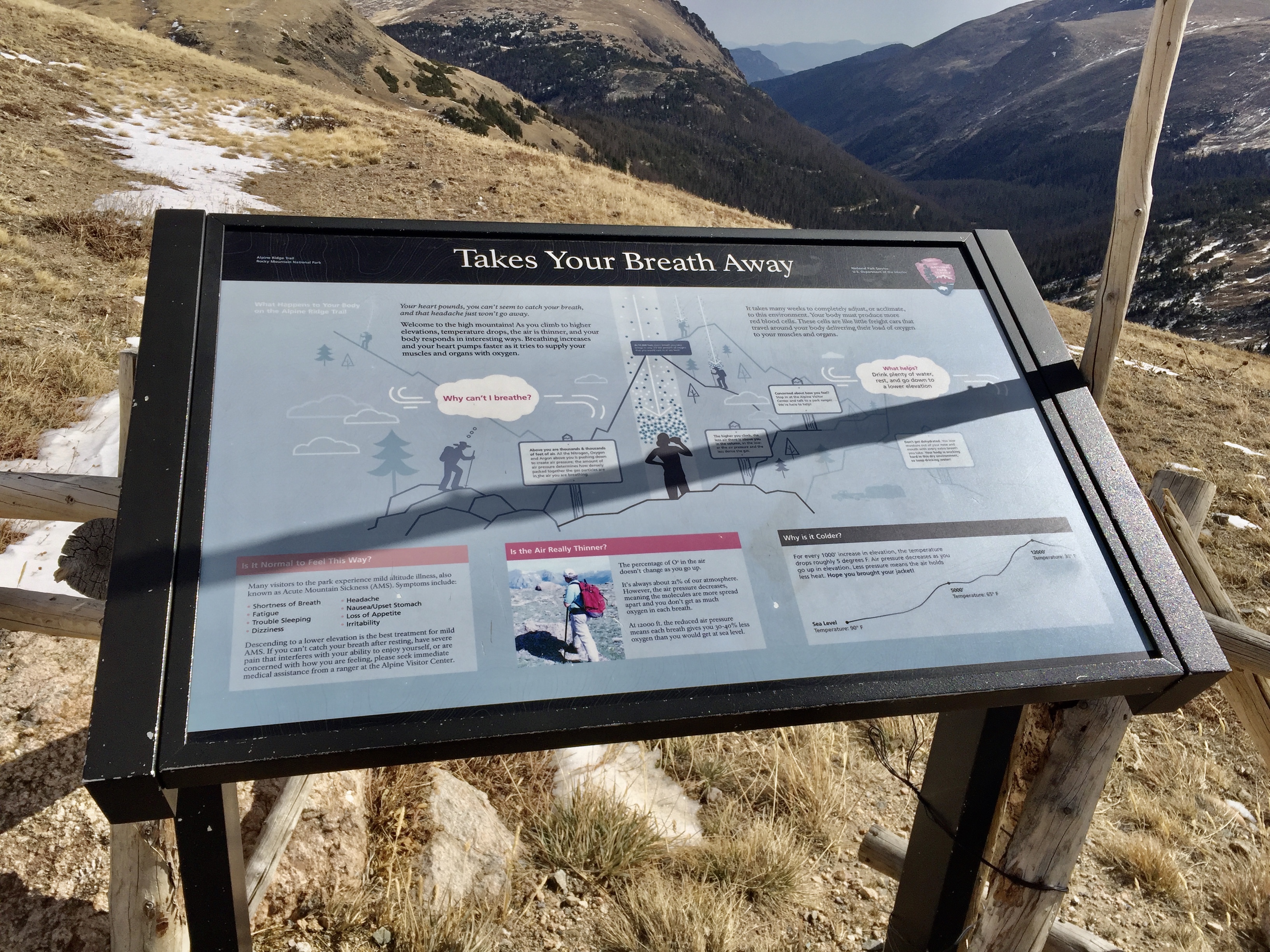
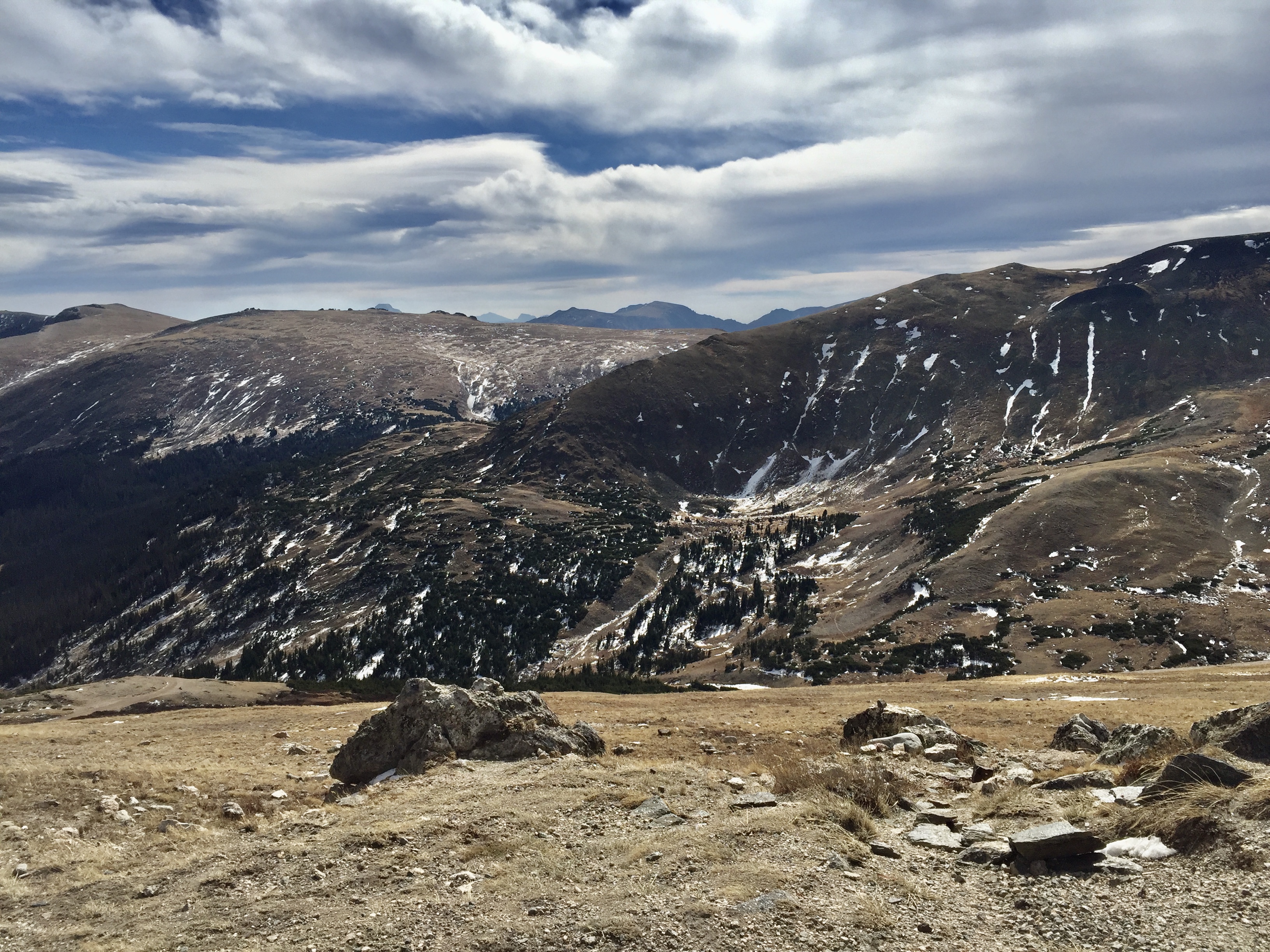
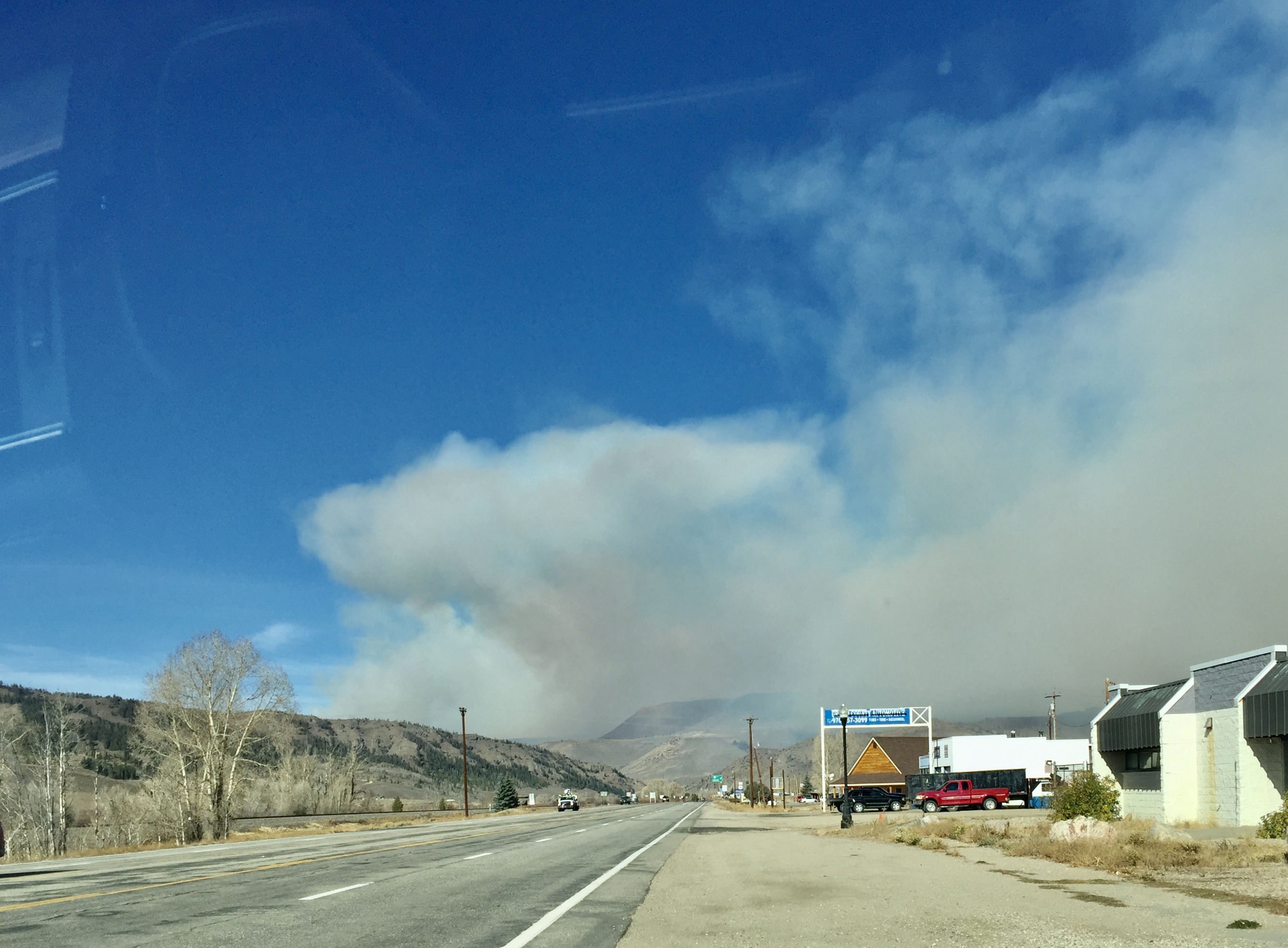
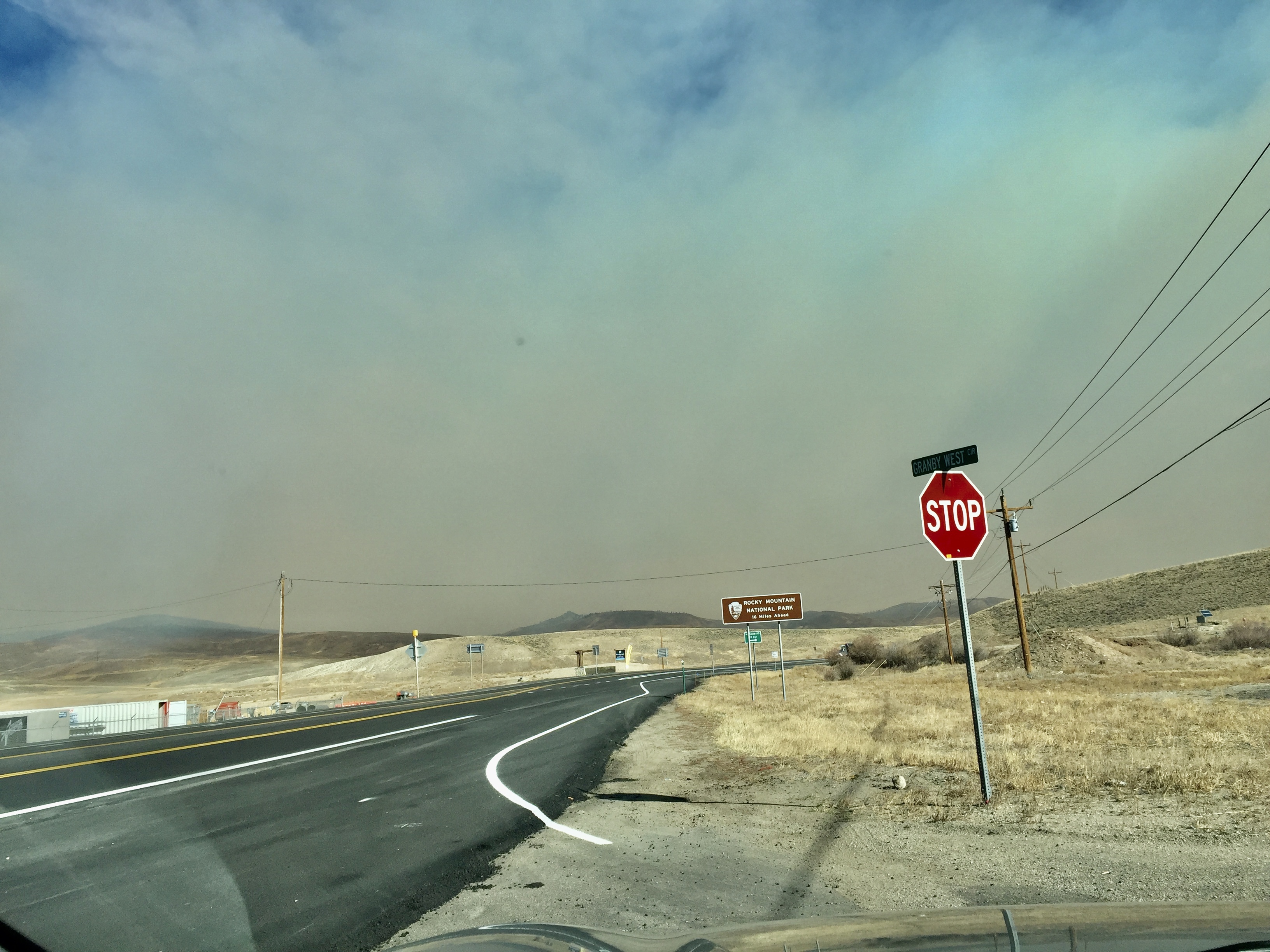
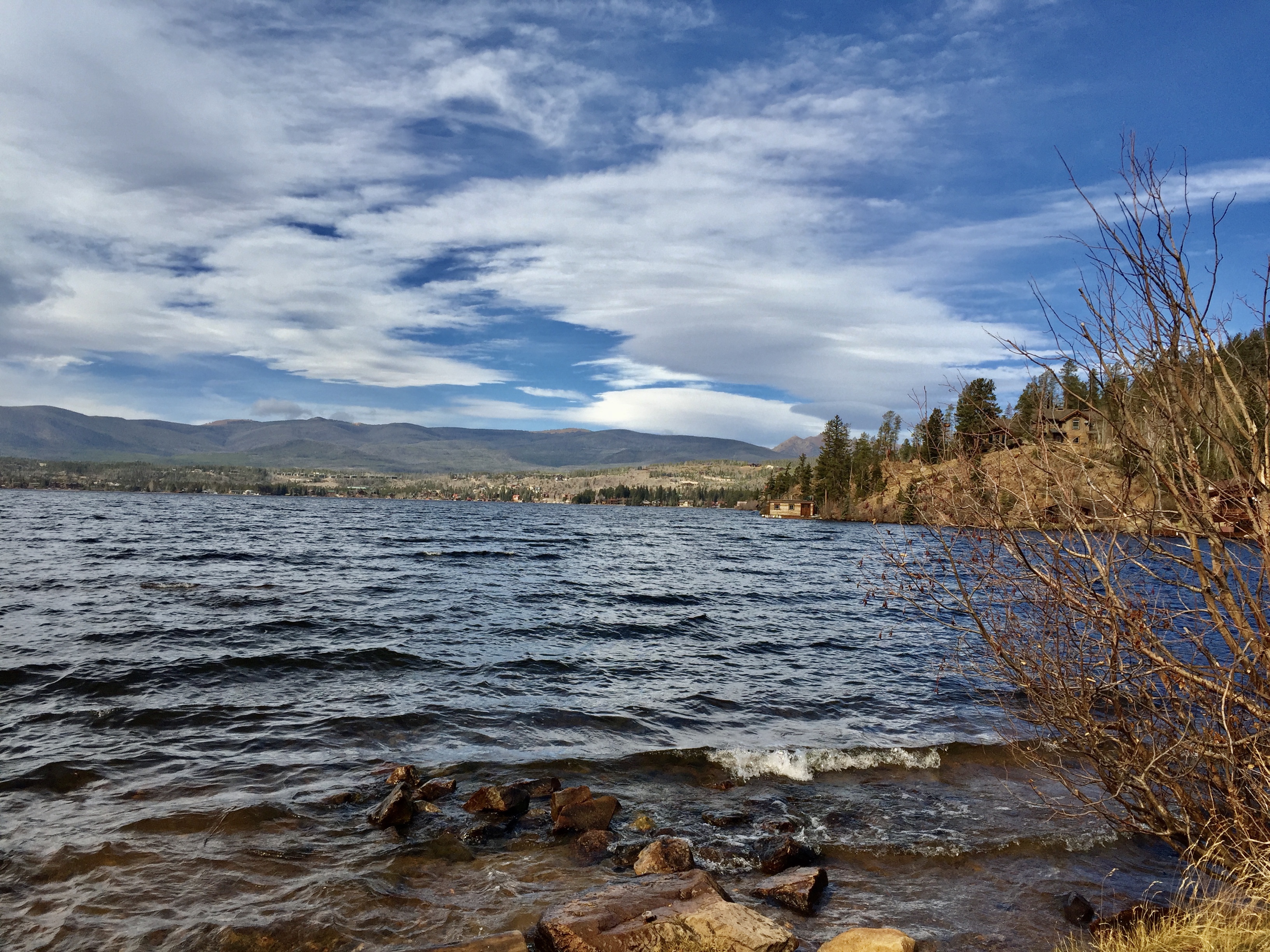
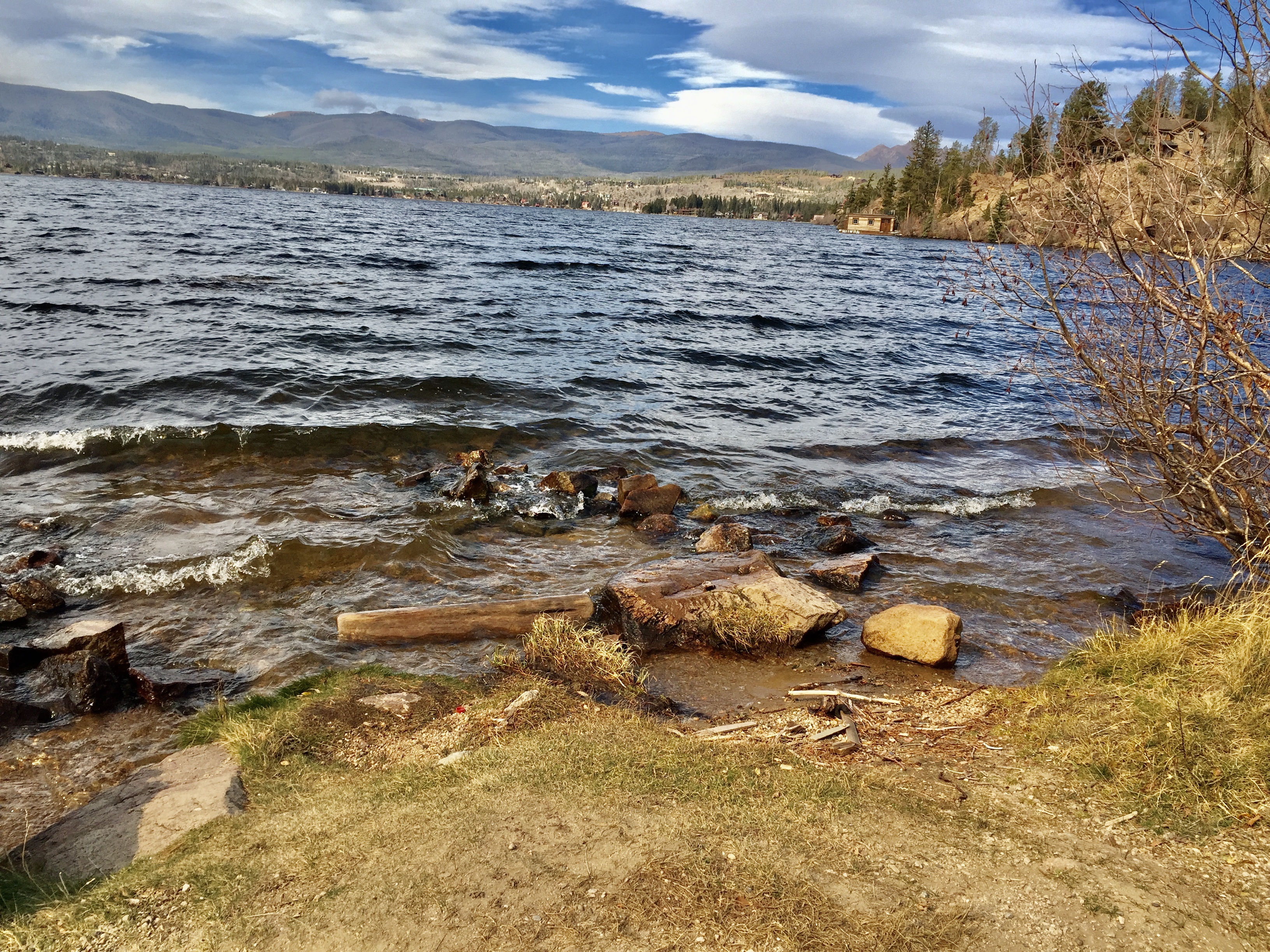
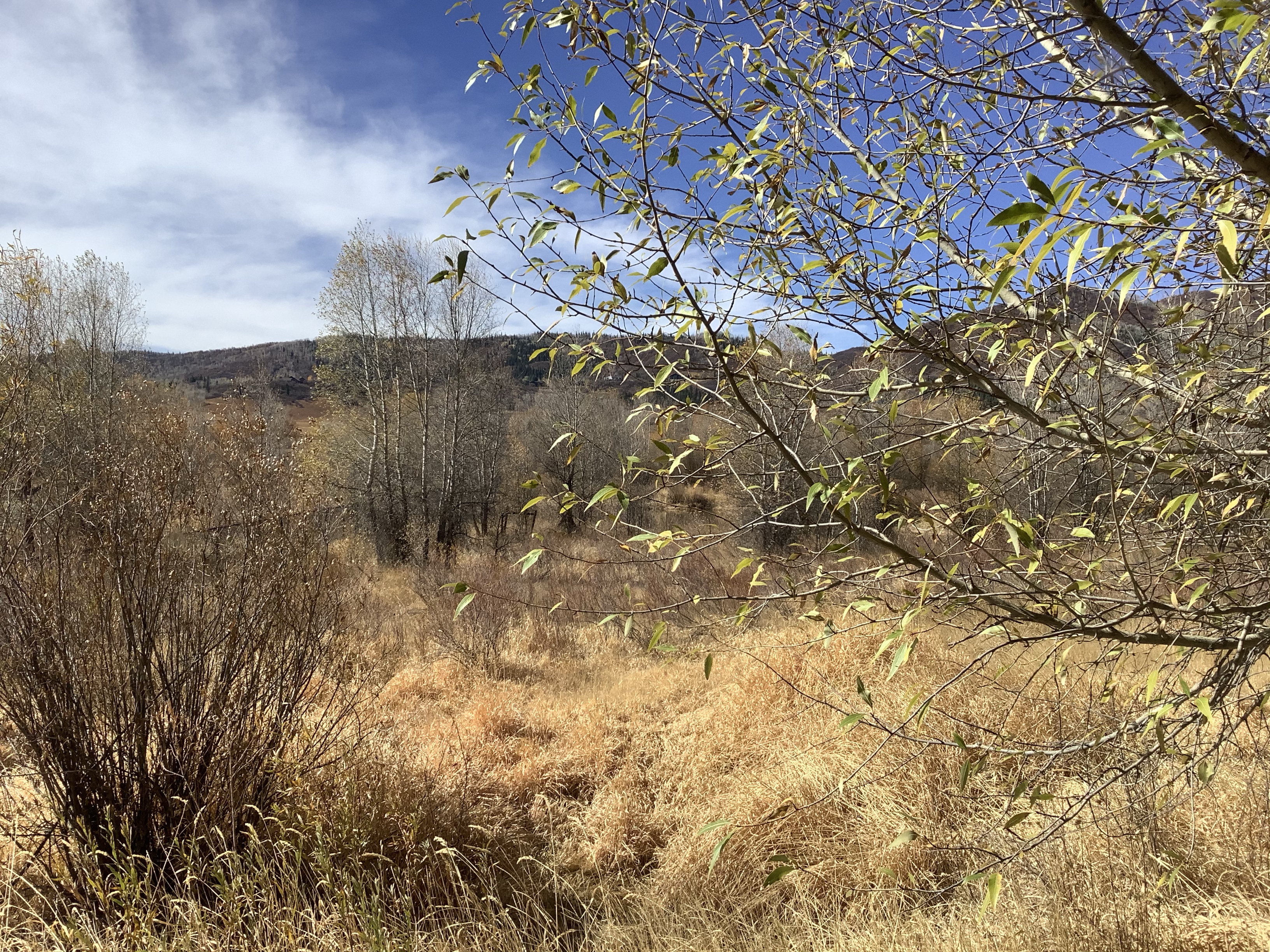
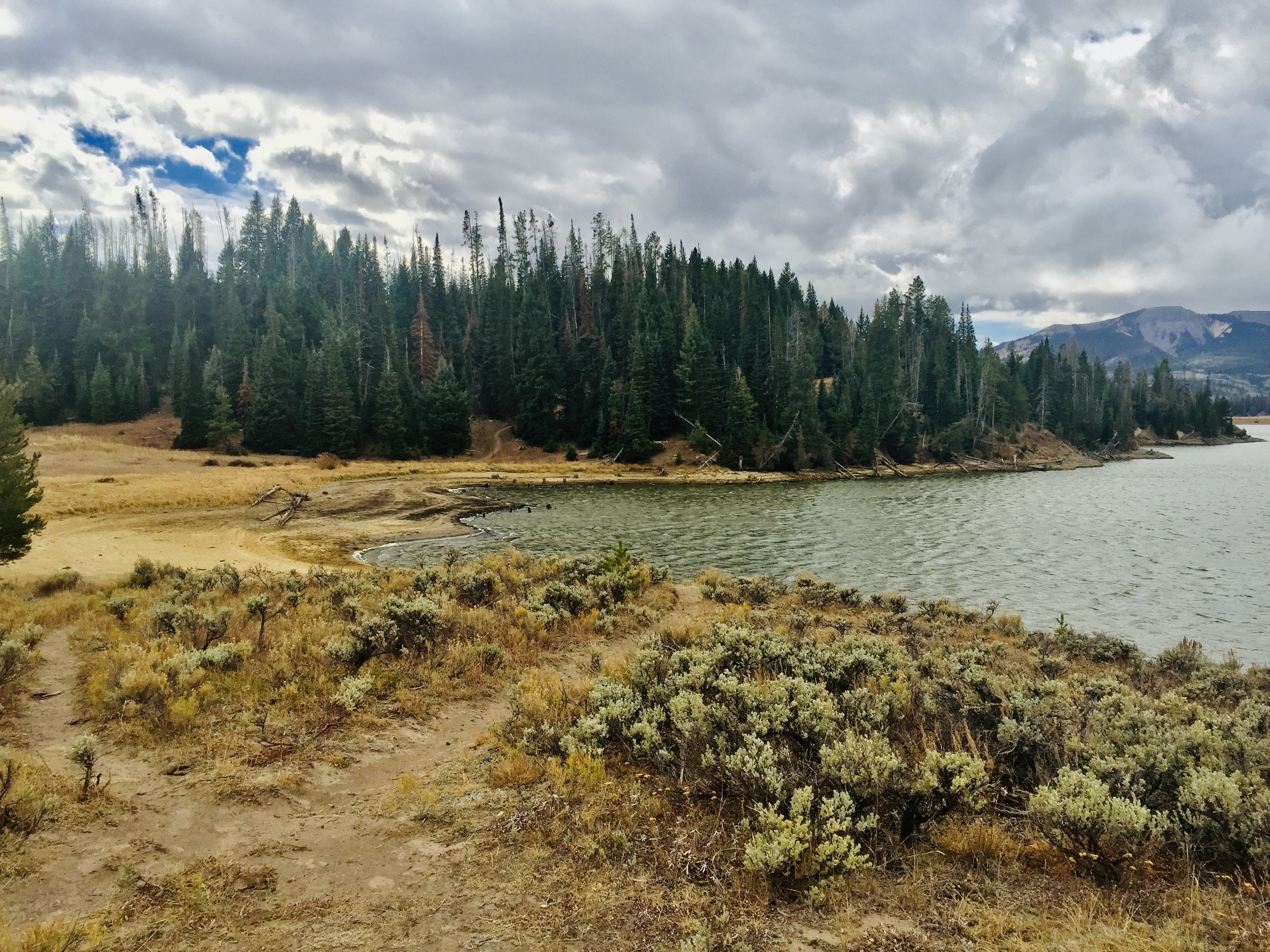
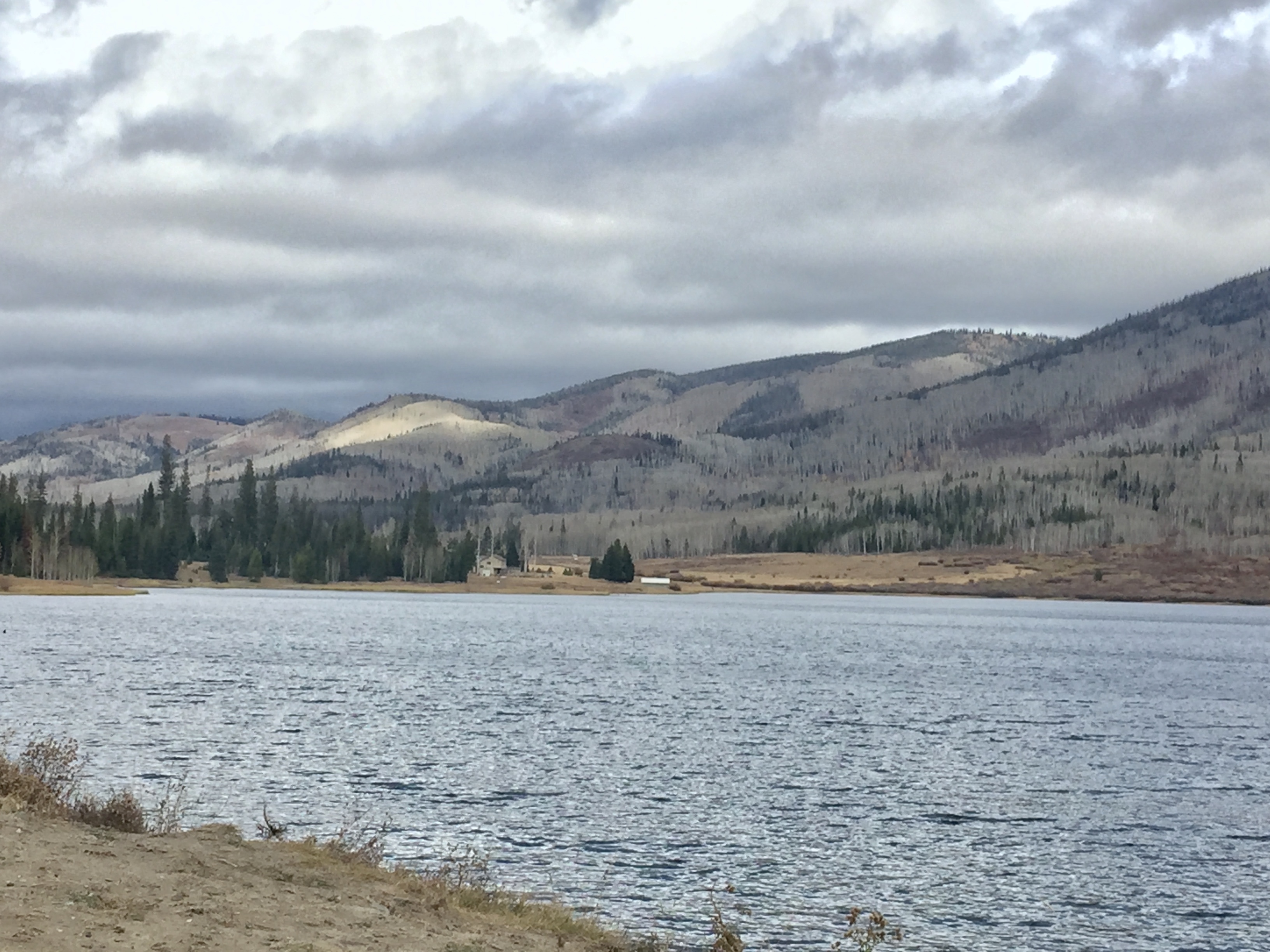
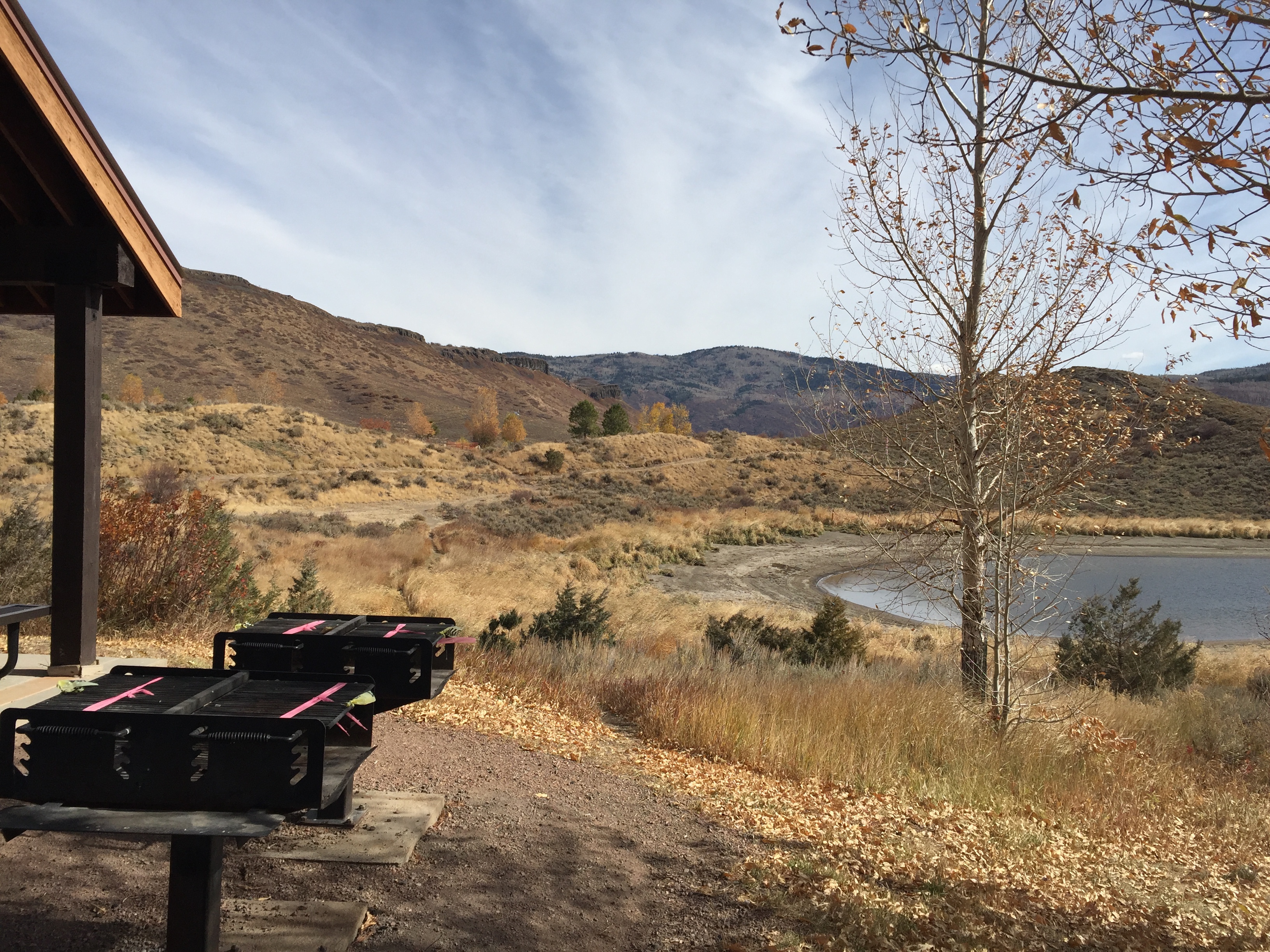
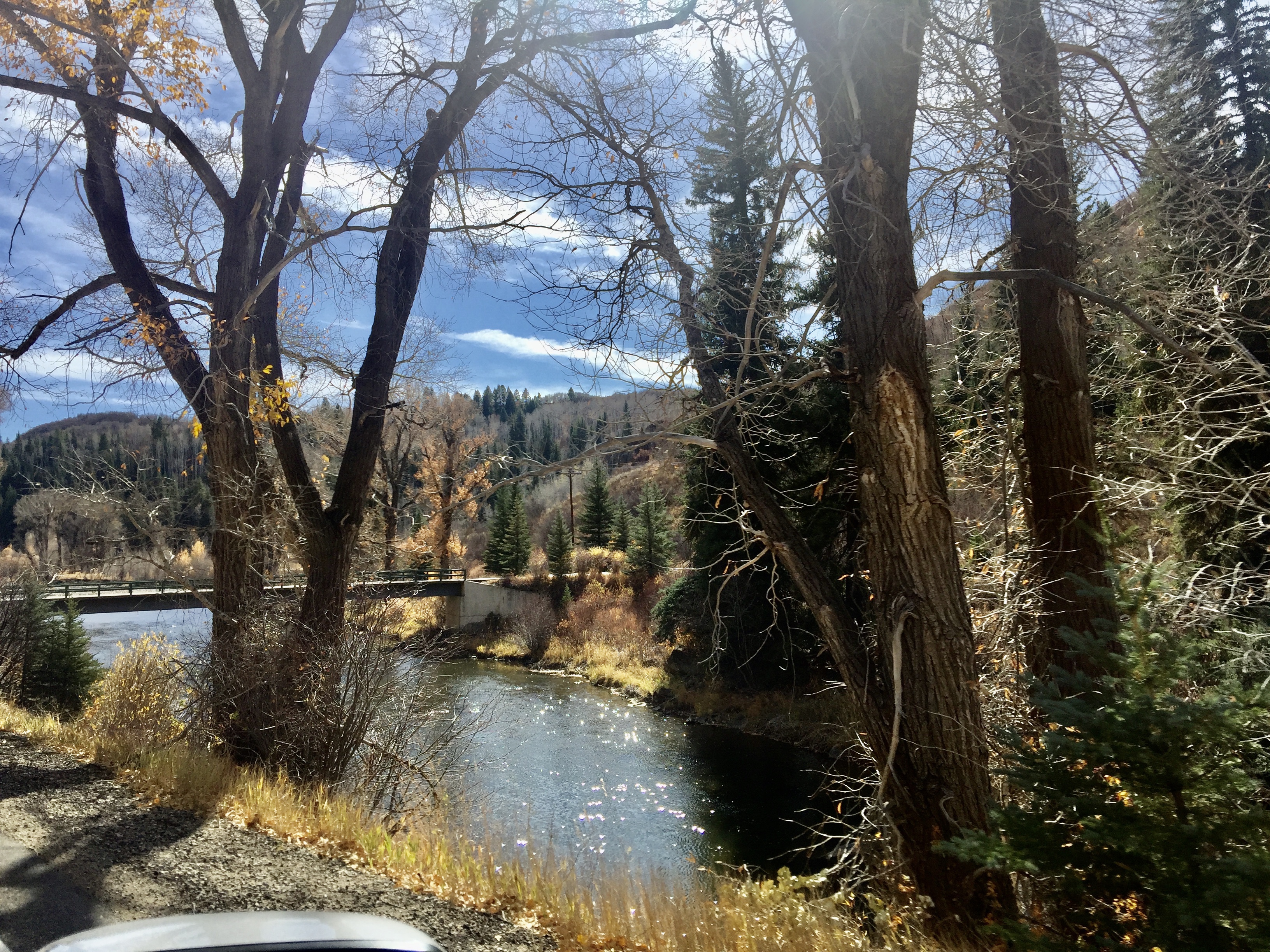
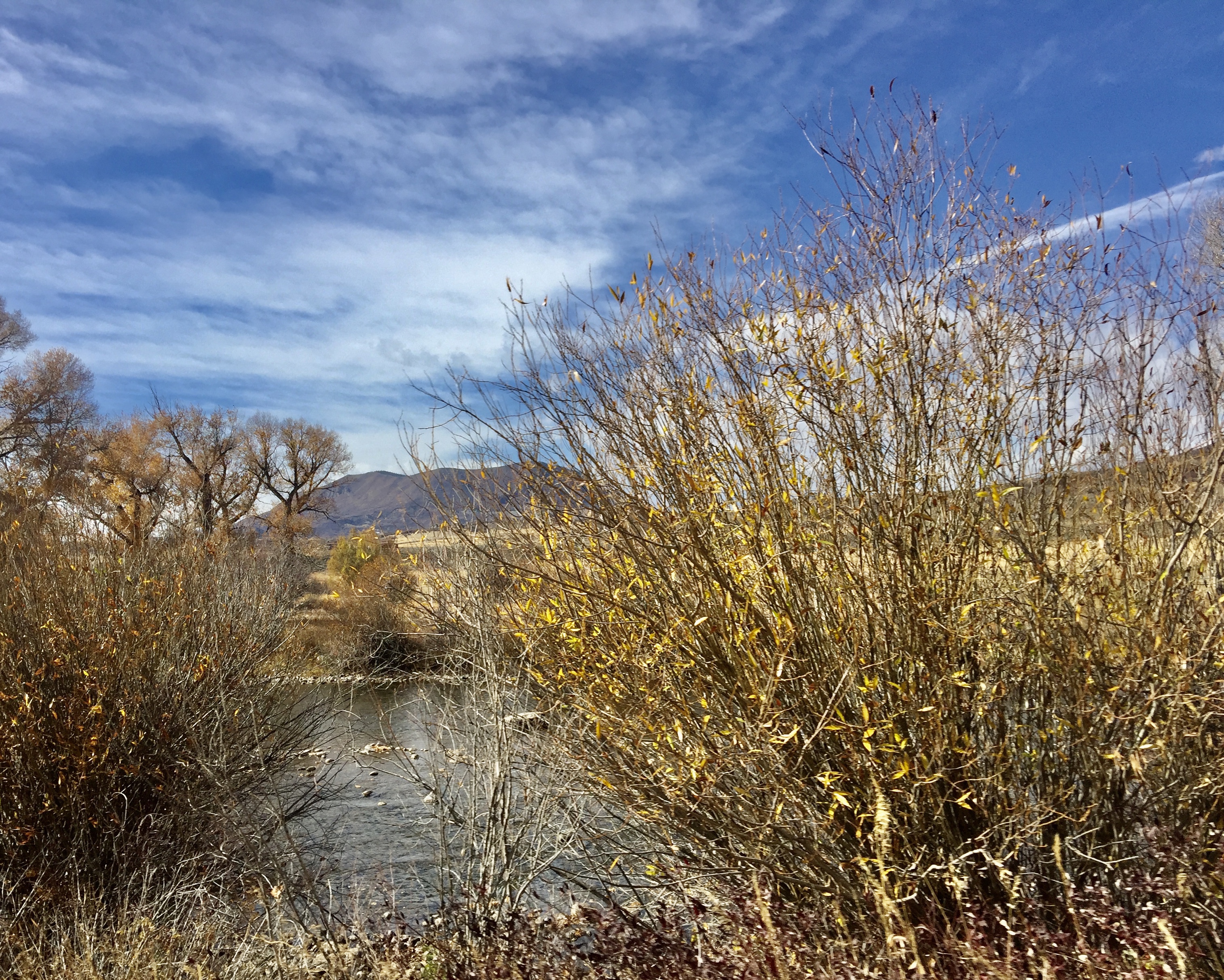
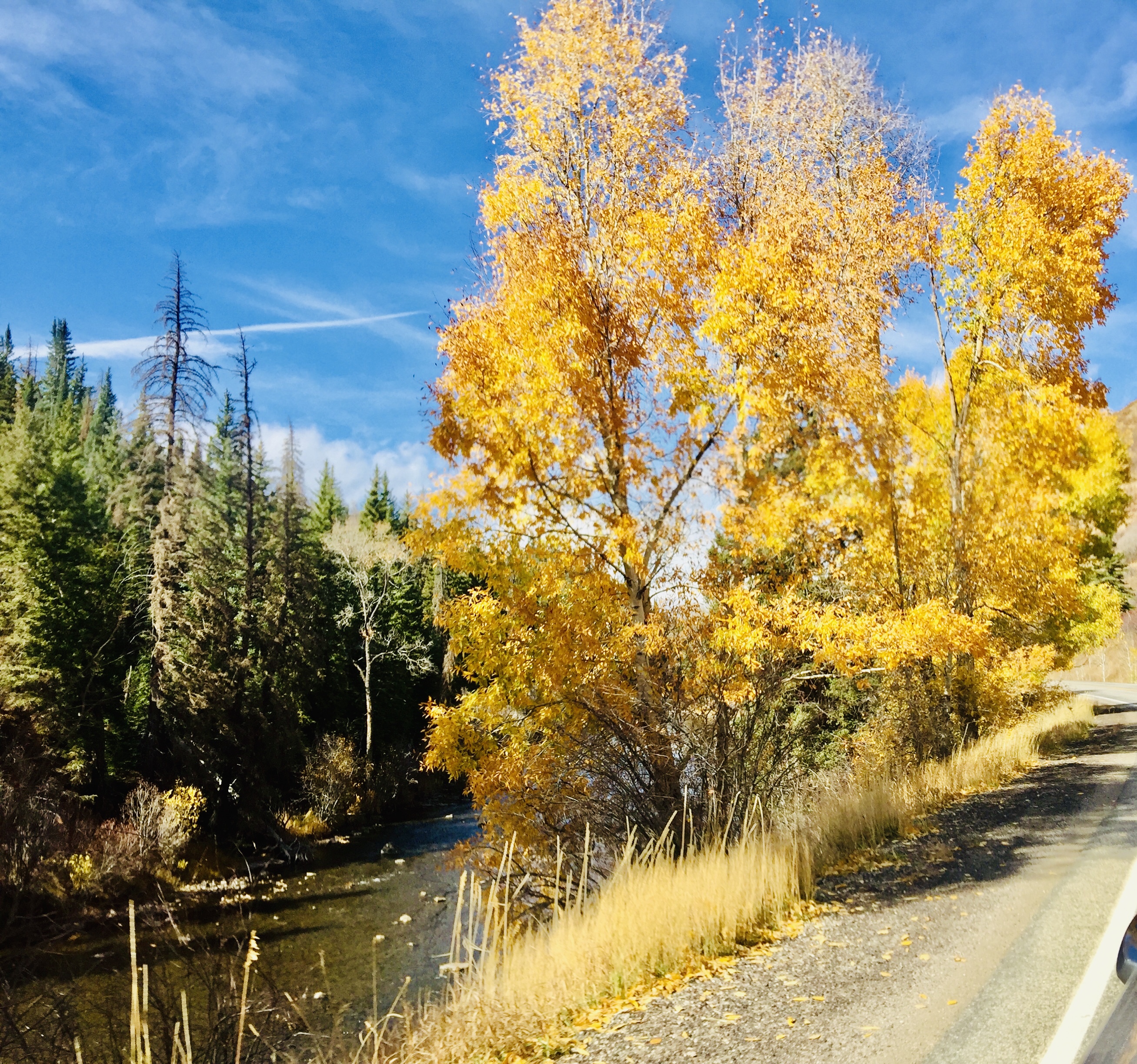
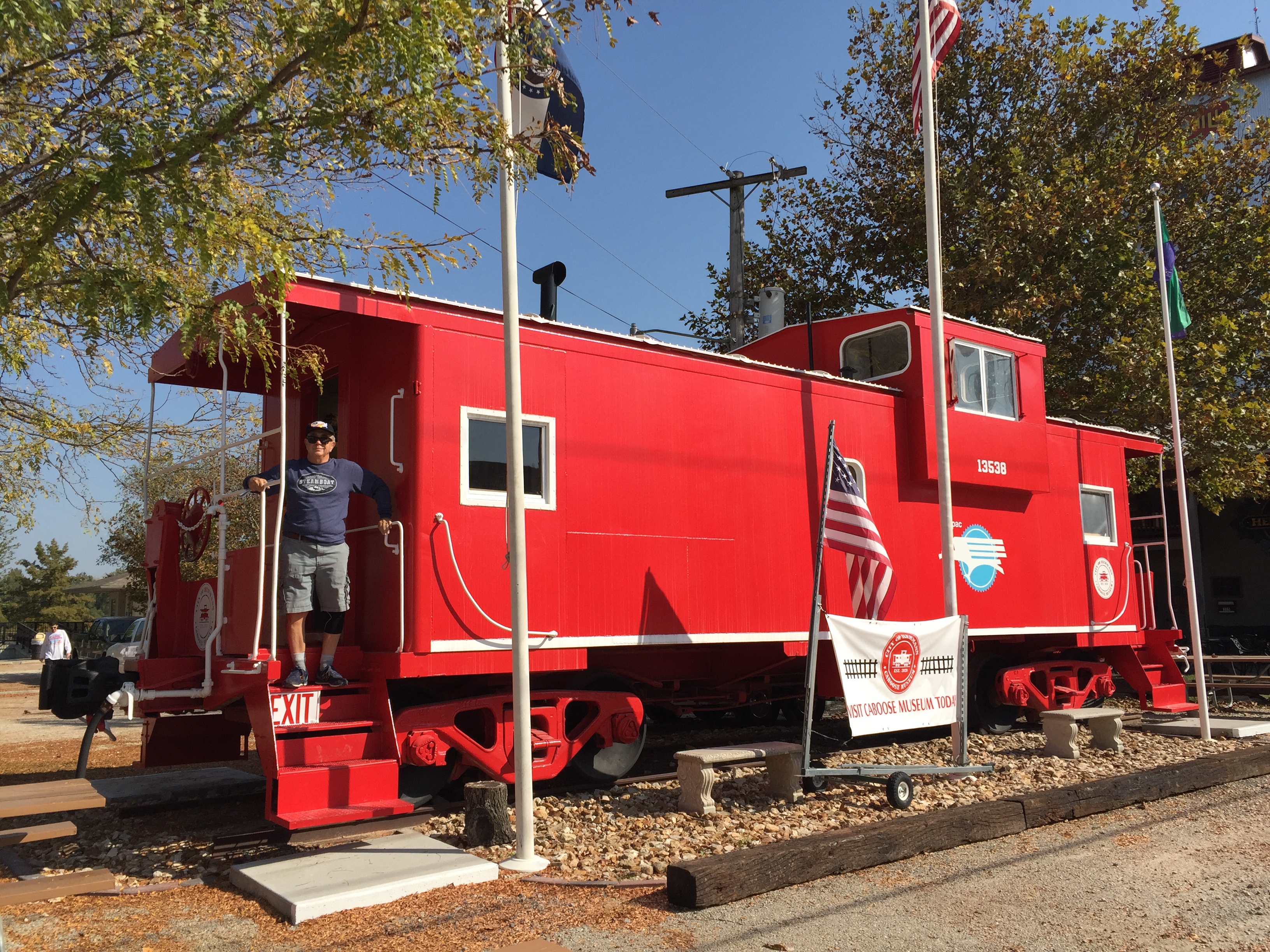
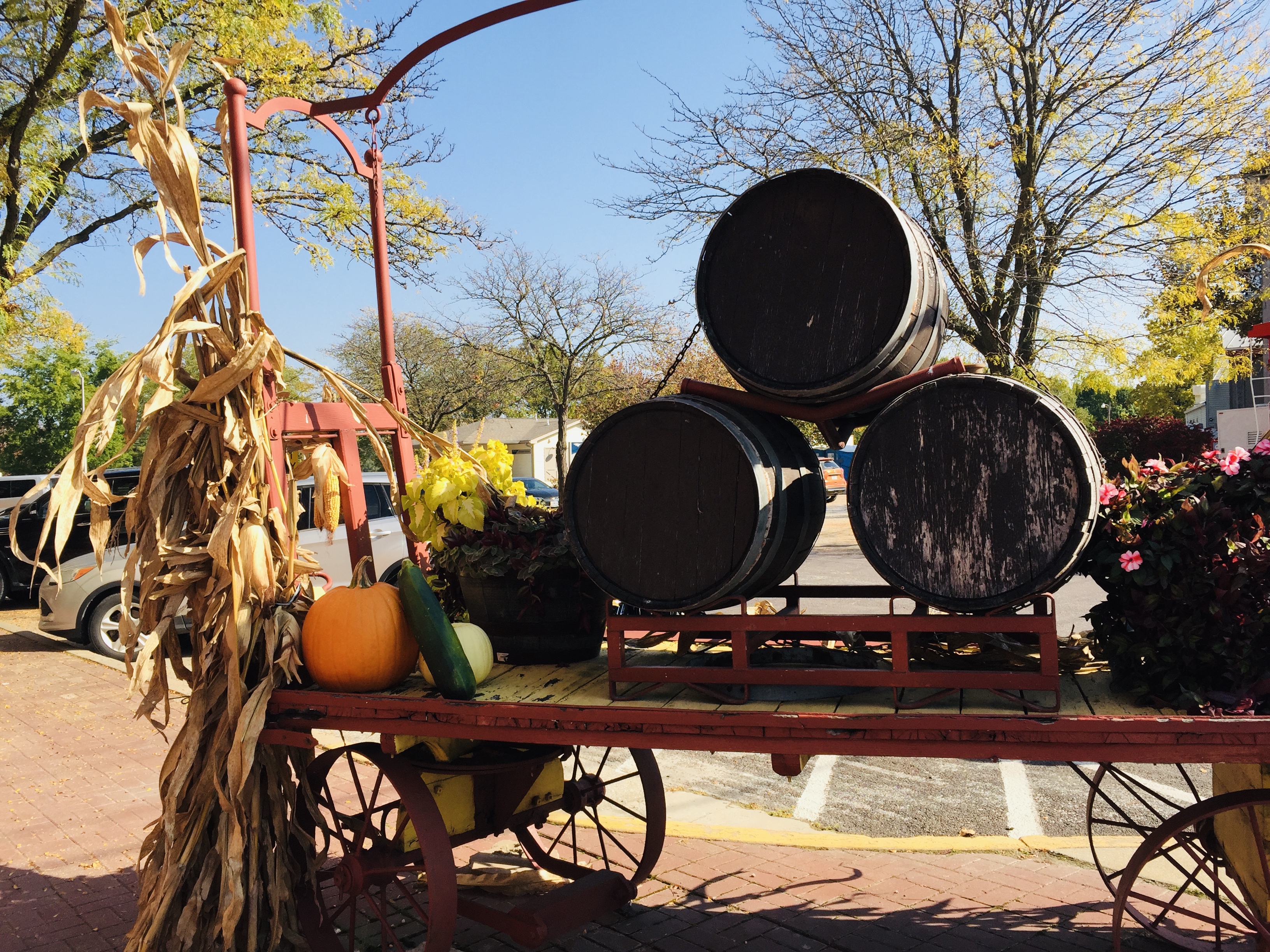
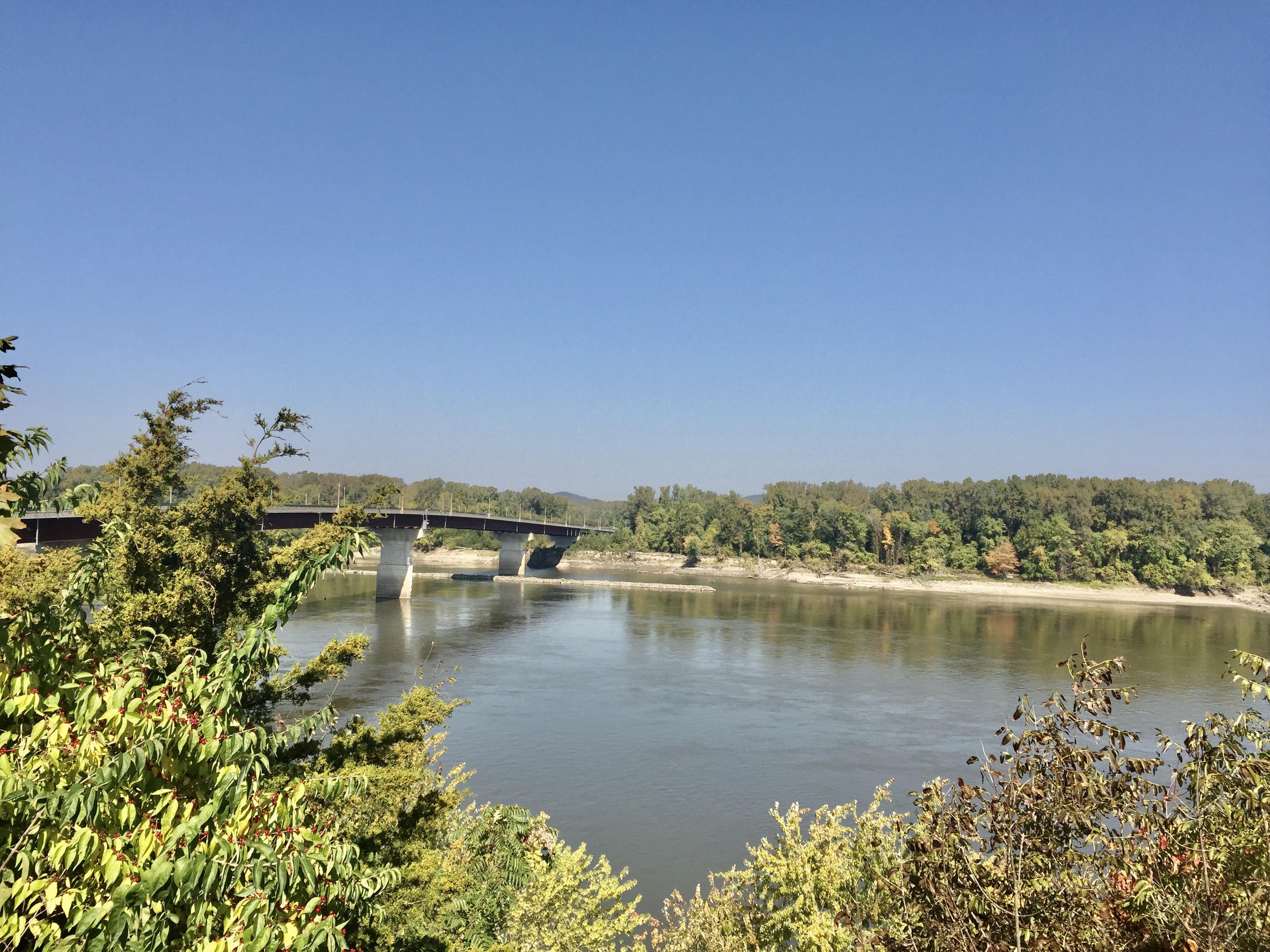
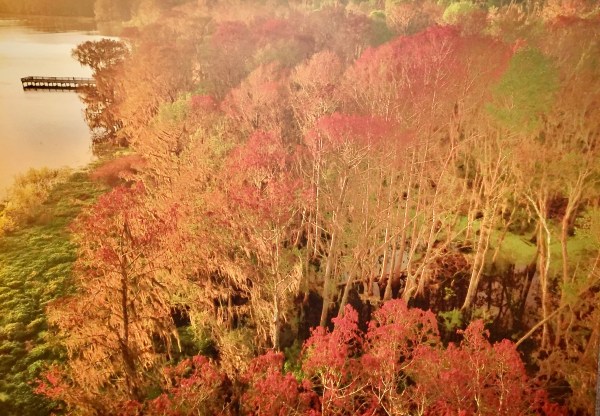
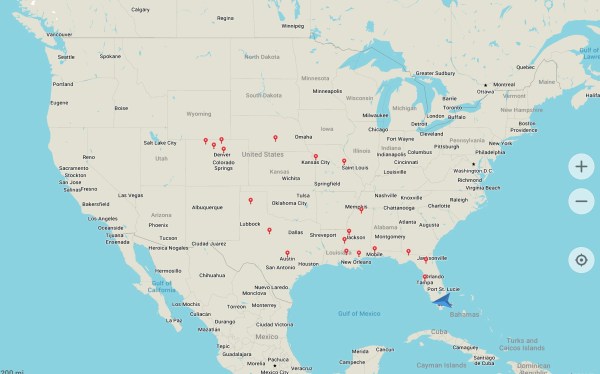
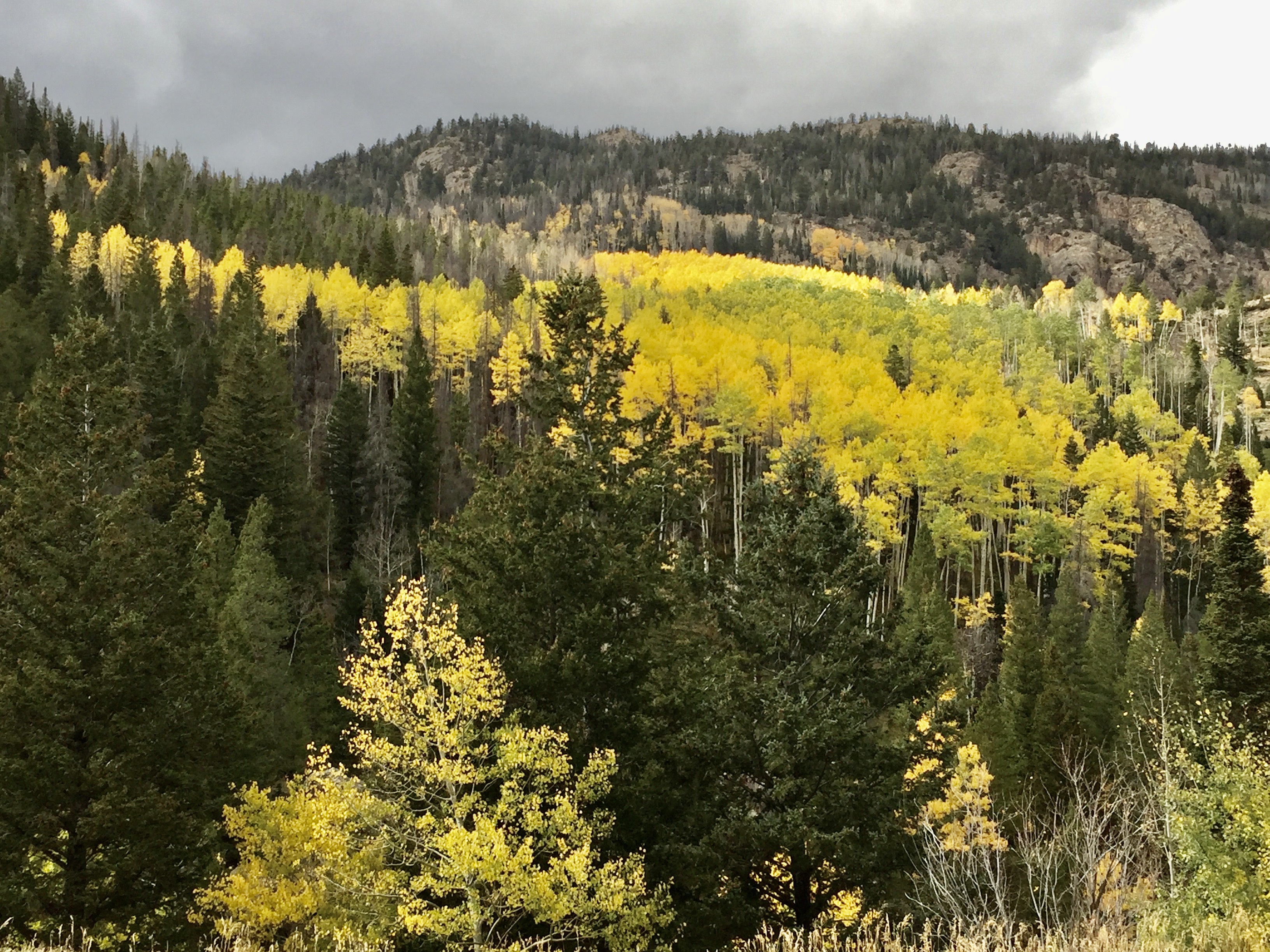
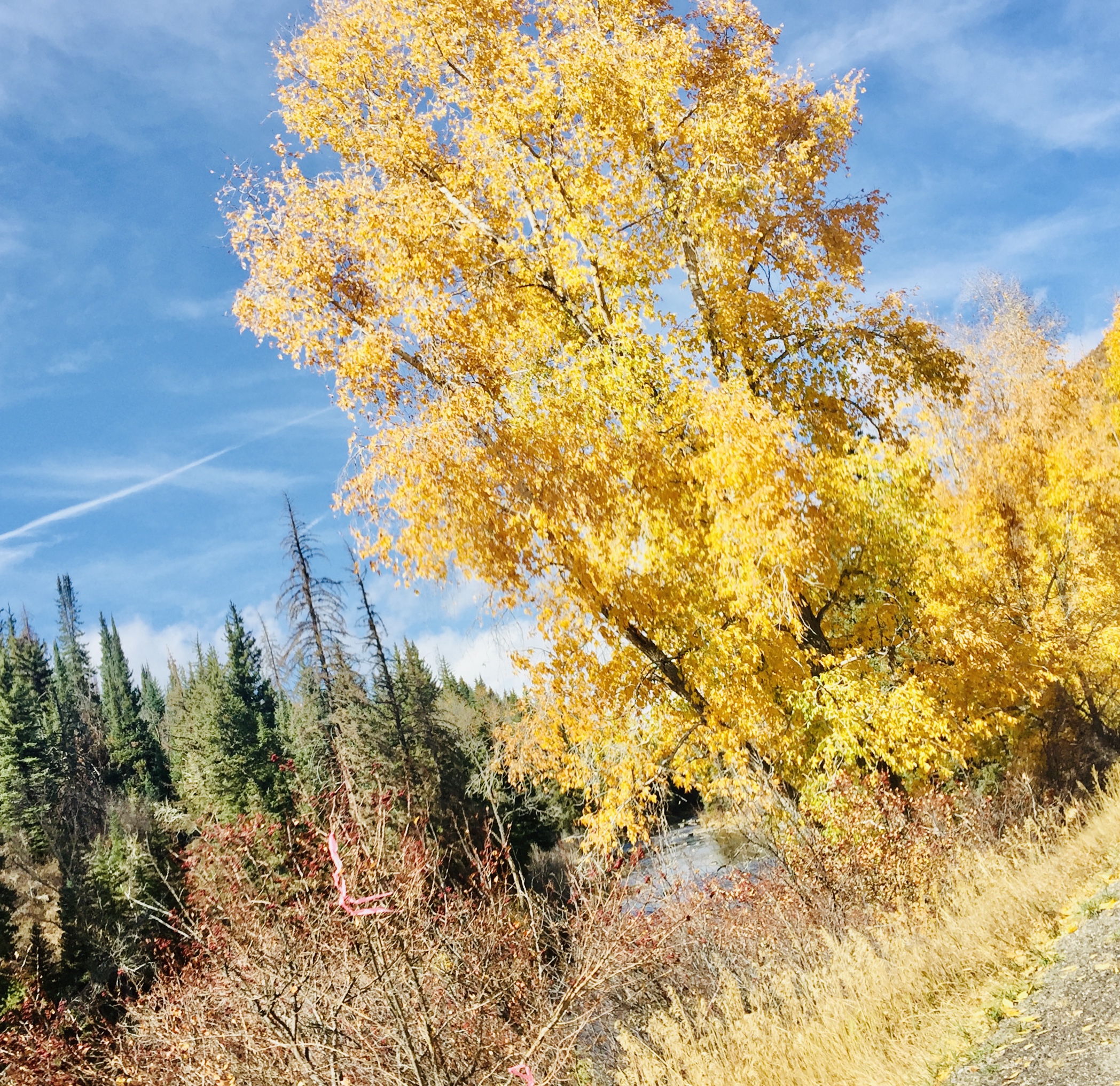
Other thoughts are going through our minds as Ruth and I move forward to resume our road trip adventures this weekend. For a quick glance at the photos at the end of this blog provides an emotional calling for both of us to experience autumn’s natural beauty again amid the the wide open spaces of Colorado. But don’t get me wrong as I am not taking our decision to plan such a long distance road trip now lightly.

Consider then that I’ve learned from our March road trip to steer clear of those regions in our country that remain potential “hot spots”for Corona spread activity. Thus, such destinations as New Orleans, Houston, and Denver seem too risky to visit at this particular time. We must  pay vigorous attention as well  to likely encounters with freezing road conditions, smoke filled air, and late season hurricane activity. So take a look at our proposed itinerary in the cover photo above. Feel free to provide comments to me about our projected loop route to and from home.

So what might interest you to read my upcoming U.S. travel blogs in October and early November other than autumn’s natural beauty? Ten items below immediately come to mind.

1) Capture the authentic antebellum feel of Route 61 adjacent to the east side of the Mississippi River.
(2) Be curious about some lesser known museums of local historic interest in the Deep South region.
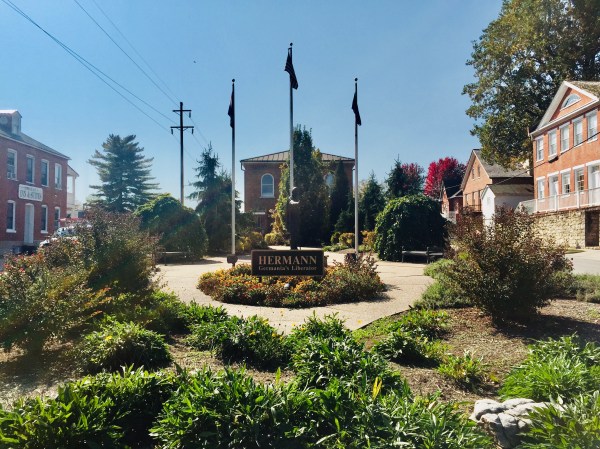
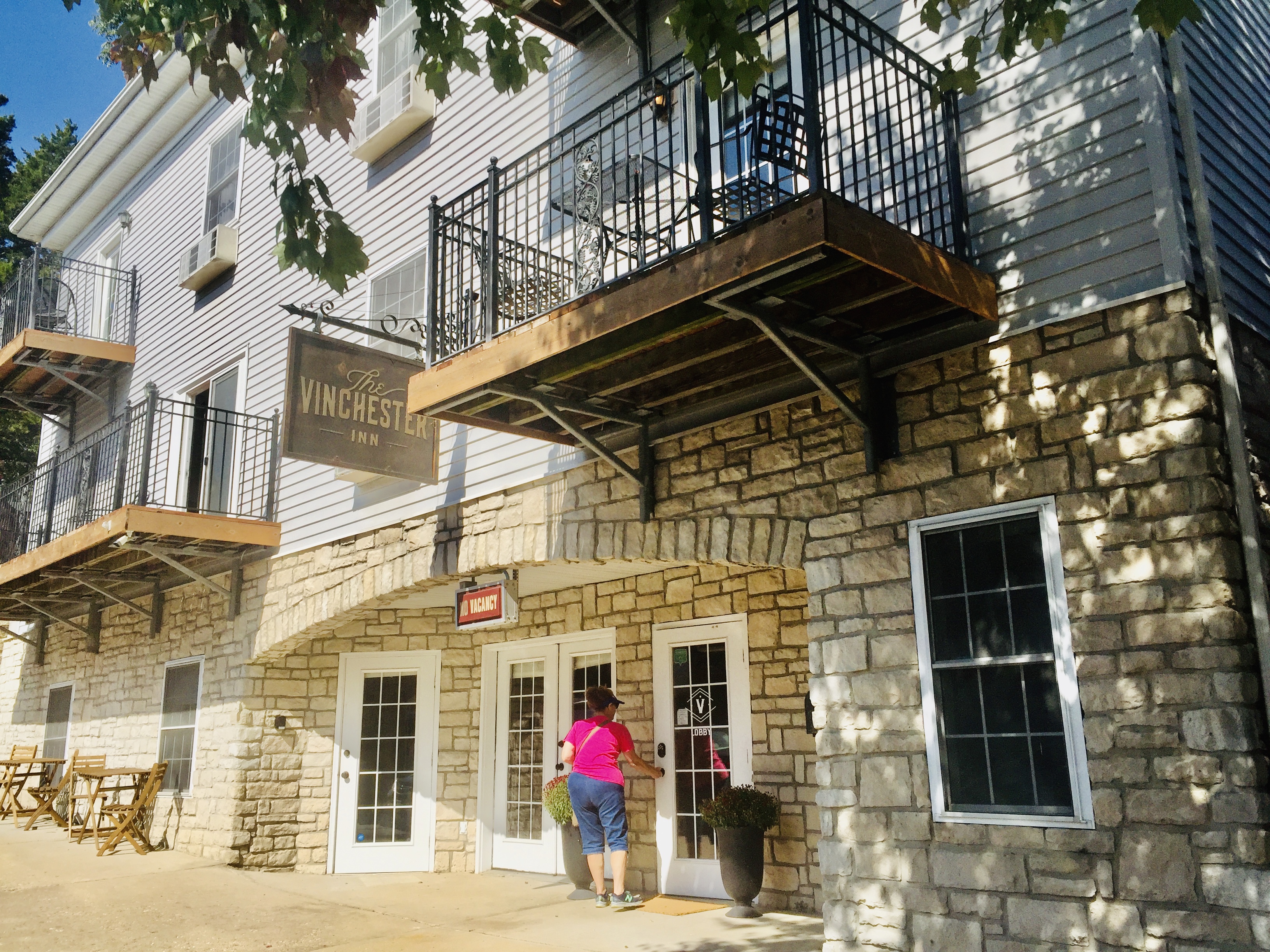
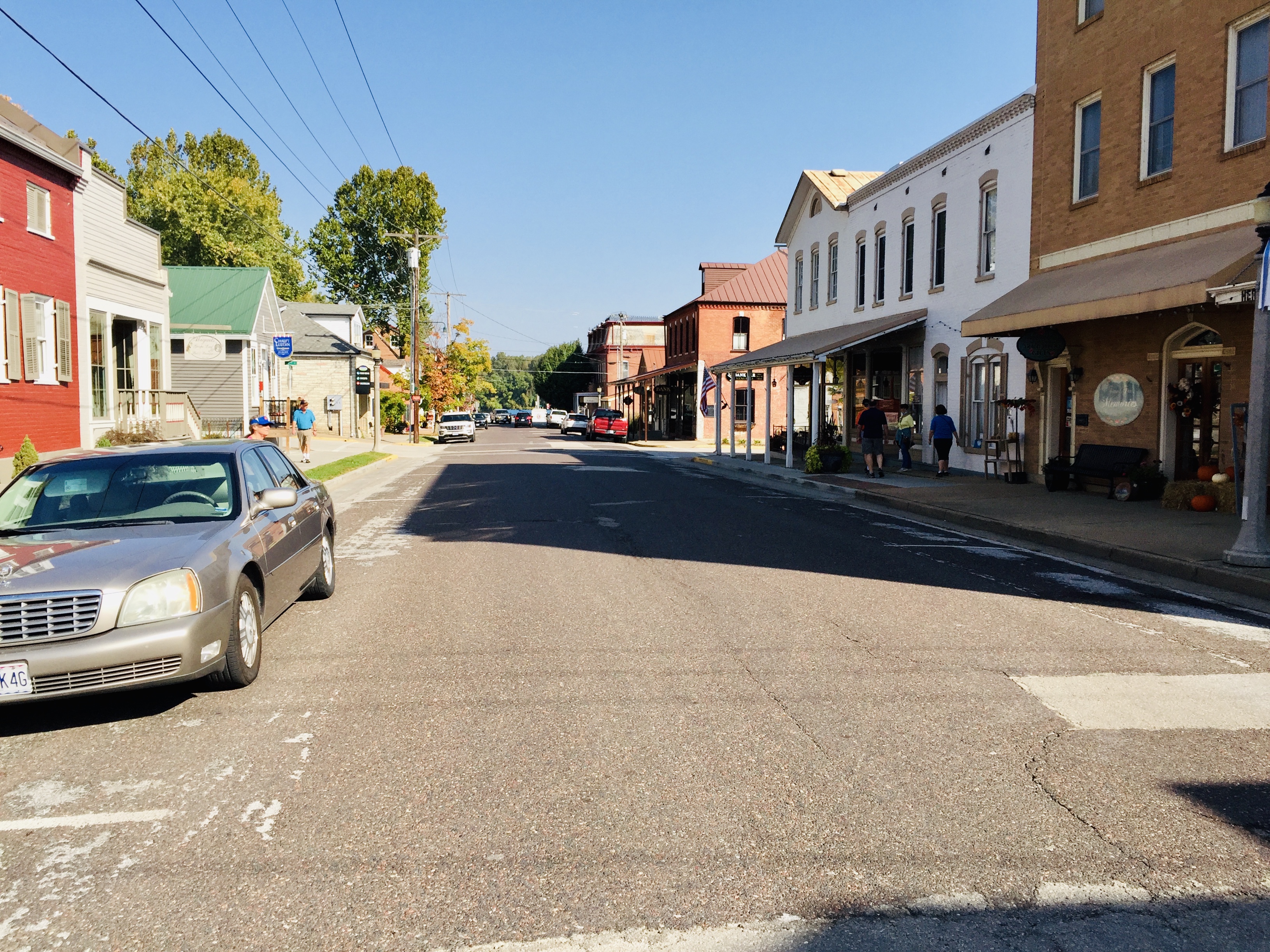
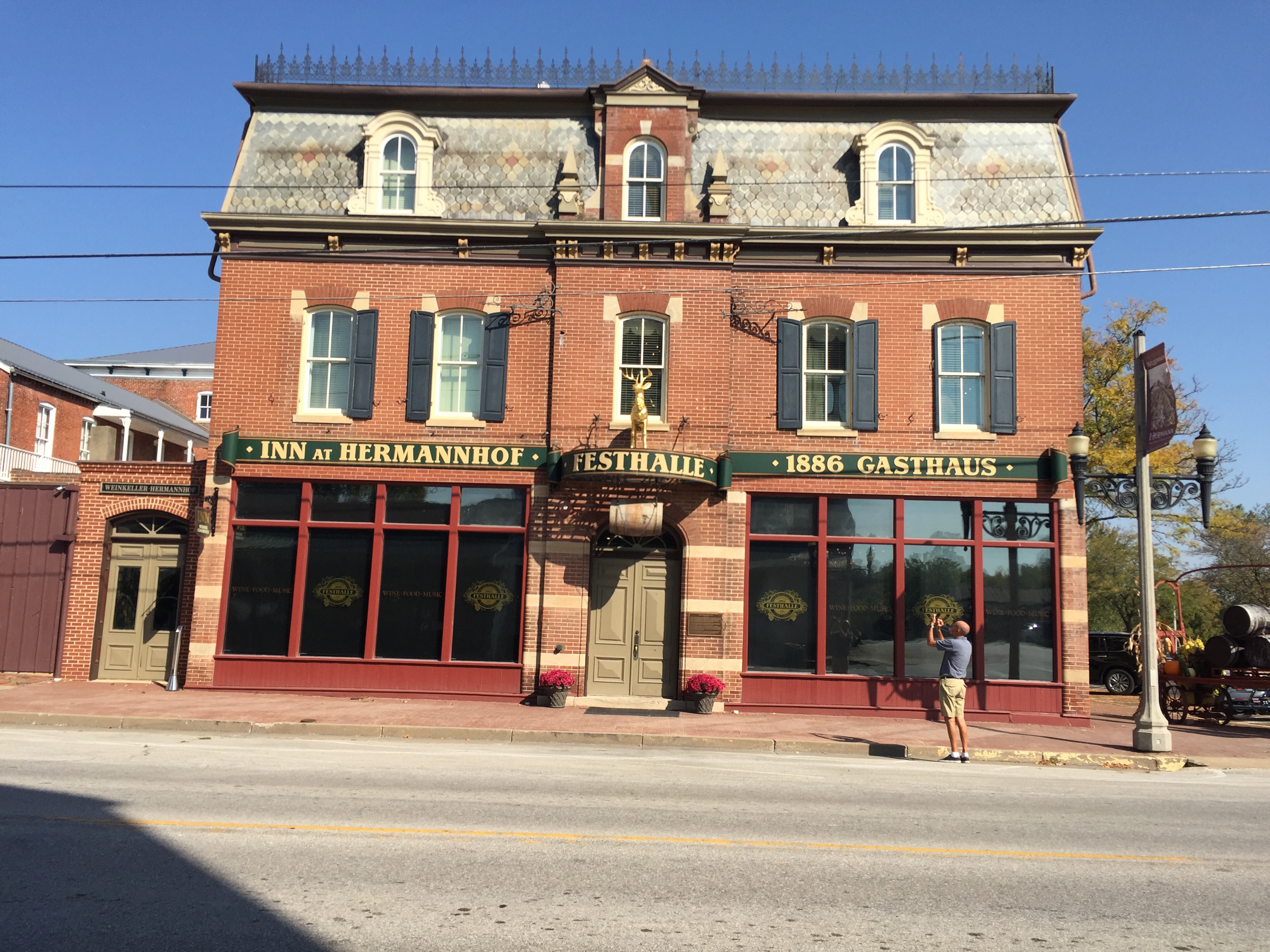
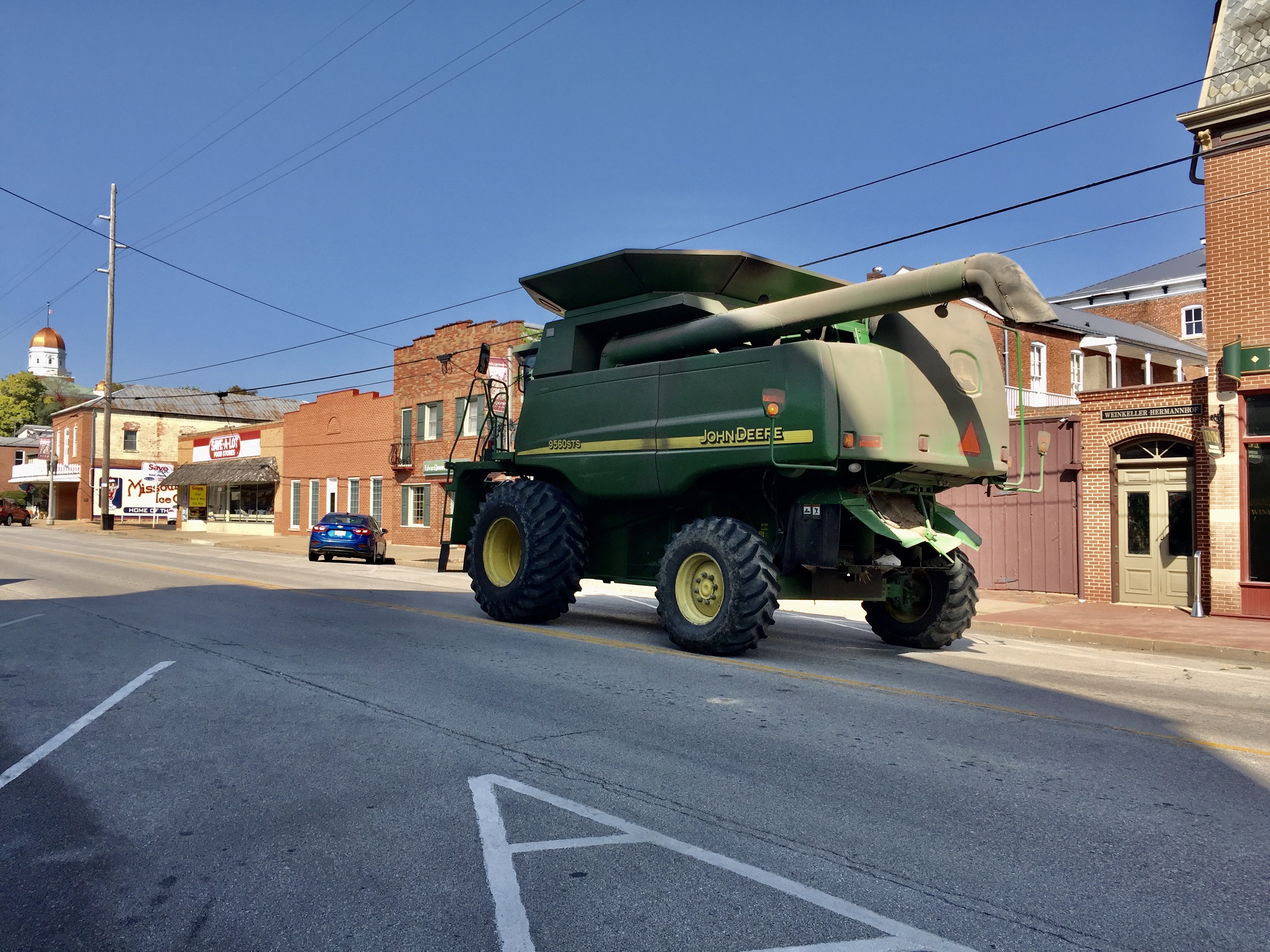
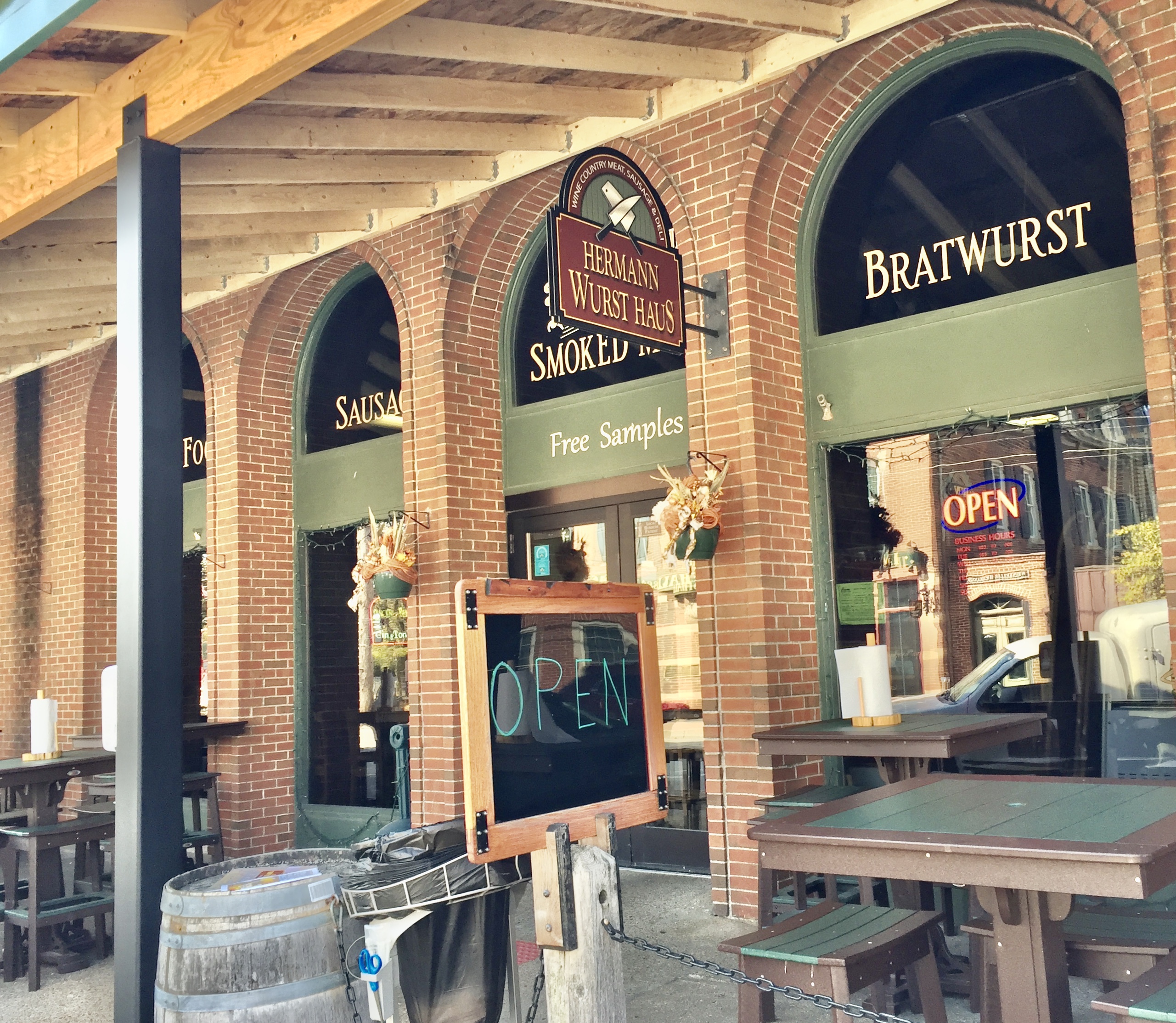
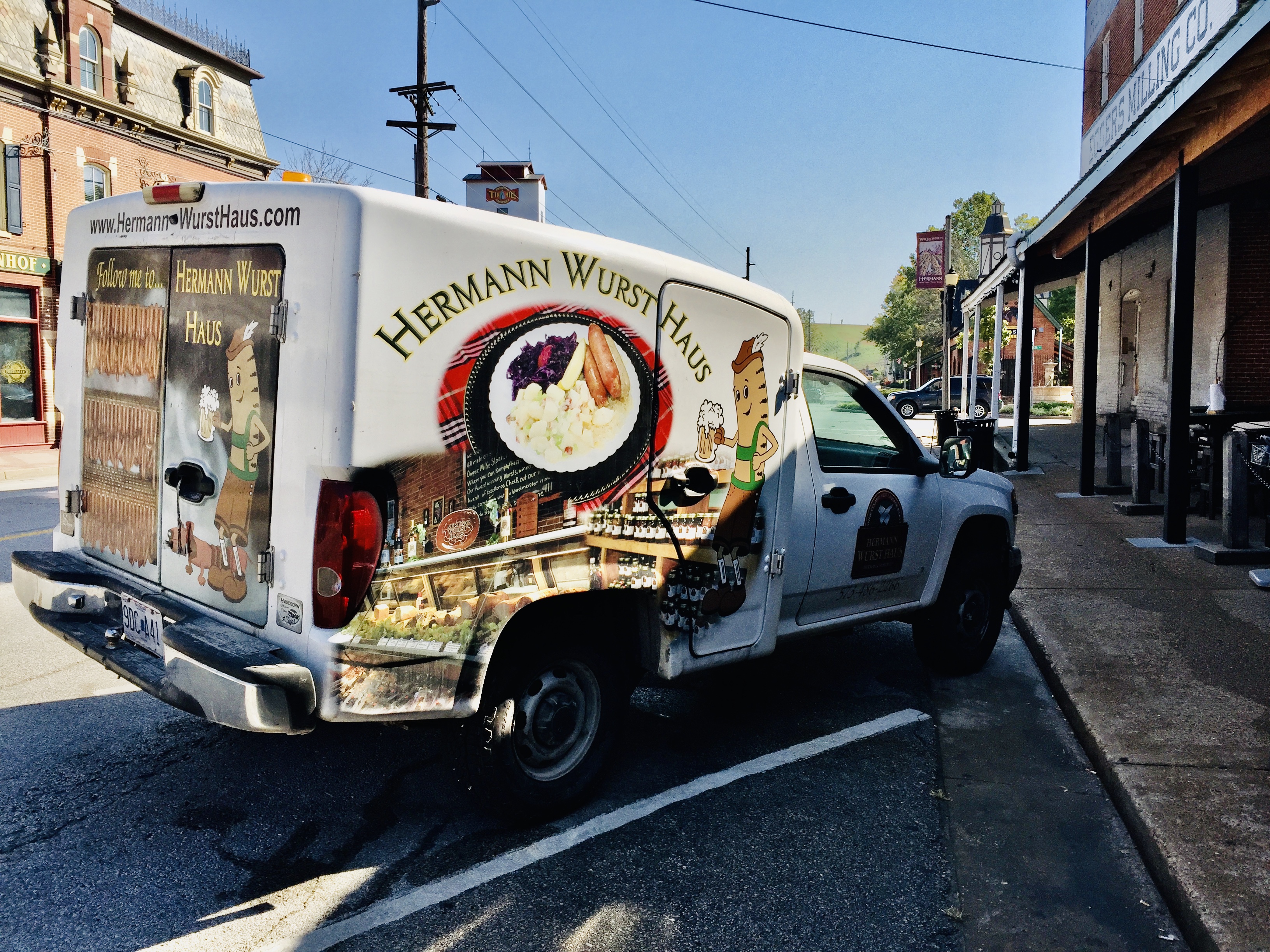
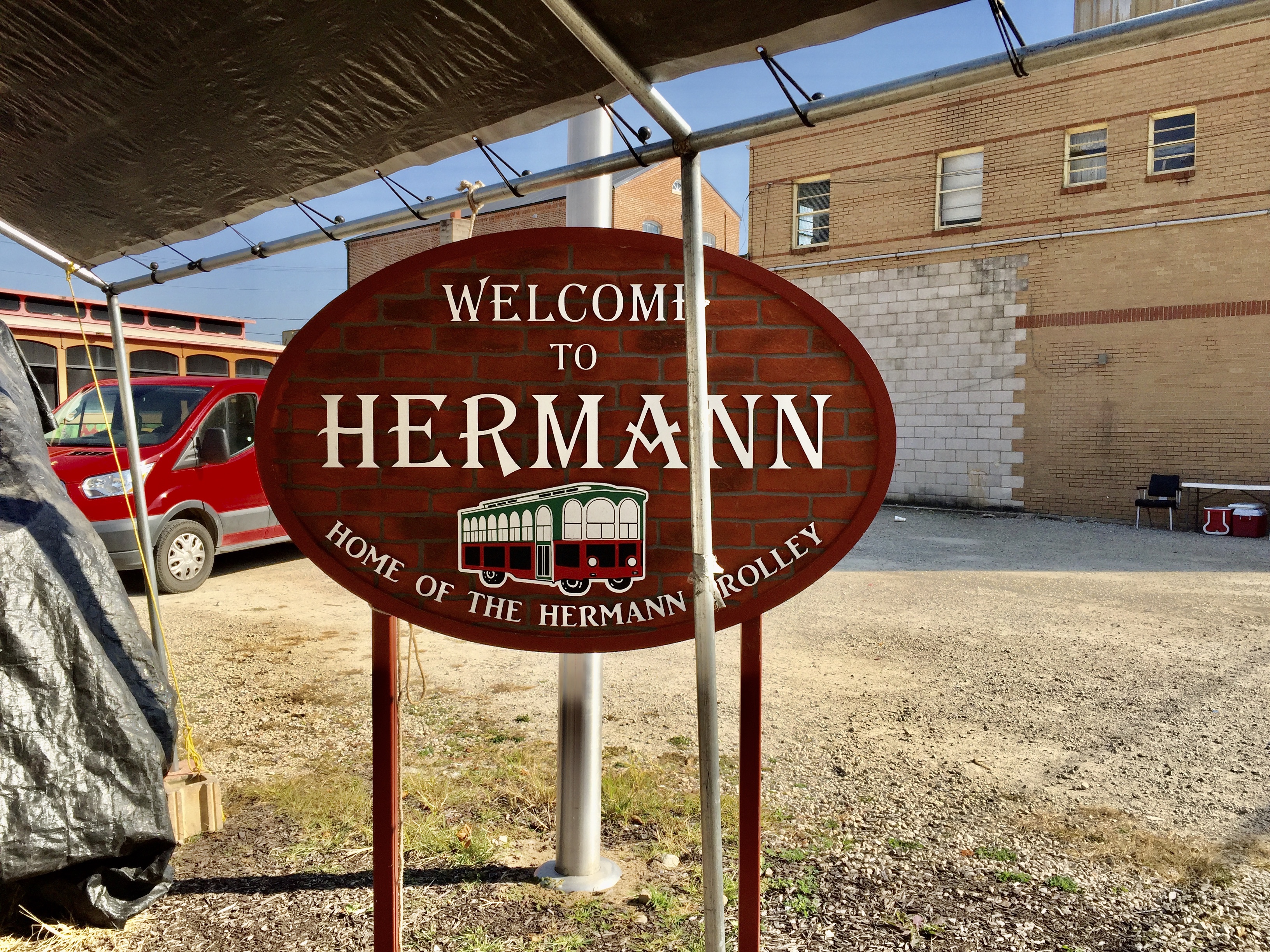
(3) Understand some longstanding cultural traditions of German dominant communities in small Midwest towns.
(4) Observe some notable hiking trails or snow-shoe paths in the state parks of Colorado.
(5) Enjoy the live music sound of country rock in Texas.
(6) Feel the fall excitement of game day fever in a southern, college football town.
(7) Tour the hallowed grounds of a famous Civil War battlefield site.
(8) Gain a sense of the political pulse of small town America for the upcoming Presidential election.
(9) Learn some interesting facts about birdwatching in the wild nature of the Rocky Mountain region.
(10) Uplift your with human spirit with some timely words from one of my current novel readings.

See you on the road soon. Stay well. USFMAN
Teaching History In Proper Perspective

The most effective way to destroy people is to deny and obliterate their own understanding of their history.” (George Orwell)


Ms. Gloria, as a recently hired teacher at Lovelawn High School savored her first opportunity to make American History truthful and relevant to the struggling lives of her South Side Chicago students. So when she got the message at the beginning of the school year from the school principal that she needed to introduce a new Social Studies teaching curriculum for her 11th grade classes, understandably she became quite concerned. For this idealistic instructor would now be required to follow an executive order from the President of the United States that strict adherence to his “Make America Great Again” message should now be the primary emphasis of teaching pedagogy for all s social studies teachers in U.S. primary and secondary schools As a result, she would be advised to modify her yearly curriculum to “spin” more positive views of past American conflicts of race, ethnicity, gender, and religion.

So Ms. Gloria wondered at first about how to modify her lesson plans accordingly. But how could she teach her upcoming Civil War unit without including the damaging effects of the southern slave culture in 1861-1865? Or when it became time to present American involvement in other controversial events of interest, what sense would it have made to downplay the human tragedies experienced at the Cherokee Trail of Tears, Hiroshima nuclear bomb blast or the Vietnam Mai Lai massacre?

In addition, Ms. Gloria fearfully pondered the prospect that such radical alterations to her history curriculum would most likely lead to classroom management chaos in the classroom. What could she do to pacify those students who wanted her to present relevant material about African slavery as a result of the “Black Lives Matter” protests in their neighborhoods? How might they react when their music videos and social media postings could now be censored in the classroom? To what extent as well could she ignore teaching alleged white racist incidents of the past when the President’s angry personality escalated such interpersonal tensions daily? How physically and emotionally capable would she be to stop multiracial melees inside her classroom when she sold out her curriculum” to the “white establishment” world?

So as the year progressed, Ms. Gloria would find great difficulty in compromising her teaching methods for the sake of this false masquerade of Presidential propaganda. It would therefore be no surprise that she would begin receiving daily reminders on the intercom from her principal to shape up and teach American History more as ordered in the “Great America” way. So as her self-respect as a teacher thus gradually began to wane, she would begin thinking of resignation in order to find a more positive line of work.

One spring day as afternoon classes ended, a shooting took place on school grounds. Ms. Gloria soon heard that one of her best students, Ramon, had been been seriously injured by a stray bullet after mistakingly walking into the crossfire of a white vs. black gang fight. As her anger about this racially fueled incident grew, while Ramon was fighting for his life in a local hospital, Ms. Gloria would now make a logical decision to move forward in pursuing a career change in the immediate future. For she would realize the futility of continuing to teach in an educational system that “sugarcoated” past events in history to falsely depict life as easier than it really was.

Ms. Gloria’s resignation from teaching at the end of the school year consequently could only be expected. Her passion for providing relevant and truthful solutions to her students lives as a history teacher would now benefit her greatly as she worked “double time” on her own to develop a popular podcast titled “Gloria’s Good Old Glory”. As the marketing appeal of her podcast audience exploded within a year, she would follow this accomplishment with a successful, “grass roots” run for State Representative in the U.S. Congress. Living her life now without past regret, Gloria’s luck had finally improved in her own way.

Nature’s Distancing Does Matter

“Look deep into nature and then you will understand everything better. “ (Albert Einstein)

As the Presidential election in November, 2020 nears, America remains deeply divided about the seriousness of the Corona pandemic problem. In this fictional account, I reveal how the wonders of “Mother Nature” might offer some fresh insight for those skeptics who continue to believe that “social distancing” now does not matter.

On a typically overcast, late afternoon during the current Corona pandemic, President Maxwell Limore, again spurned the idea of covering his face or practicing social separation from others. For his weekend agenda at his vast beachfront estate would be highlighted by a mask-less golf game followed by a crowded, face to face chat in the resort club with his favored, fund raising cronies. If only he had observed more mindfully the importance of physical distancing as he casually glanced at the  growths of his “ Live Oak” trees lining the fairways of his extraordinary golf course property.

So as our executive leader shanked his drives from the tee into the “rough” on three of the first eight holes, his face scowled at the prospect of hitting partially obstructed shots behind these mighty tree specimens. As a competitive golfer, most assuredly he would plan his next golf swings on these three holes as he eyed any gaps between tree branches to the green. Yet he would not comprehend that those natural distances between trees largely determined why the dense foliage adjacent to these fairways made his golf course so beautifully alive here. For a great many of the surrounding plant species in this vicinity would have benefited by the added sunlight to circulate more oxygen from photosynthesis as a result of the physical separation in these trees. So why was our fearless leader at this pivotal moment losing his focus on golf then to complain wildly to others in his entourage? Most likely, I imagine, he would be seething then about the latest lawsuit currently proceeding against him by a “Go-Green” advocate neighbor whose alleged litigation accused the President of building his golf course on “beachfront protected” land.

President Limore’s opportunity to observe the distancing of tree space was also wasted on hole nine that day when he simply chose to ignore his errant tee shot into these oaks and instead play his game with a newly placed golf ball along the “fairway”. Yet if he had actually taken the time to walk toward the actual location of this shot, he might have noticed another natural benefit provided to his golf course. For disease carrying trails of insect and their destructive leaf eating habits would become less of a problem on his golf course amid nature‘s physical separation of trunks/branches from tree from tree. Yet our fearless leader questionably chose in that error- filled moment to spot an easier cheat shot to the green.

With the weather growing increasingly stormy that day as he teed up for hole ten, our chronically distracted President recalled the landscape damage to his golf course during hurricane season the previous summer. Yet his memories about the destruction of this calamity would fail to acknowledge the positive impact of his trees being physically distanced in space from each other. For this natural phenomenon likely had lessened  the wind damage to his golf course greenery from flying twig and branch collisions. Of puzzling concern as well at this moment of past hurricane reflection, why would he instead be boasting to others then that dying his hair black or blonde would improve his prospects for re-election to the Presidency?

So as the winds picked up at 5:00 pm. with an imminent thunderstorm approaching on the “back nine” of the course, a suddenly concerned President Limore would hustle away with his entourage from the 10th hole tee to the seemingly safer confines of a nearby tent canopy. Without warning then, a lightning bolt would shoot rapidly down from the sky and violently strike an empty picnic table situated no more than three feet from the President’s current standing position. As our great leader cringed with ego filled fear for his own safety amid the smoke filled air, he would suddenly recognize for the first time in his reality show Presidency that social distancing vitally mattered. If you desire to know more about the benefits of tree separation, known as “Crown Shyness”, I urge you to watch the You Tube video below.

Reference Source: http://www.treehugger.com


Tribal Justice Well Served

“It gives me pleasure to announce to Congress that the policy of the government, steadily pursued for thirty years, in relation to the removal of the Indians beyond the white settlements is approaching to a happy consummation.” (President Andrew Jackson)

The following fictional story features a modern reflection about the “Trail of Tears” tragedy  in 1830s America. When the federal government implemented a policy of forceful removal of Cherokee Indians and other tribes from their sacred homelands to expand white settlement westward, more than 4,000 Indians died of hunger, cold, and disease along this arduous route west to reach harsh prairies of resettlement in present day Oklahoma.

As Jason took notice of so many Cherokee tourist stands as he passed through this dusty rural town in Northern Georgia, he condemned this crass display of these cheap souvenir trinkets that were not telling the real truth about his people. For he became repulsed at the misleading idea that the tragic legacy of the Cherokee nation could be exploited negatively for profit by a toy tomahawk, a colorful headdress, or a plastic snow globe enclosing a fierce warrior figure. For Jason had heard the sad stories about the “Trail of Tears” forced exodus of his Cherokee Indians descendants westward during the white expansionist, “land grab” era of President Andrew Jackson’s reign. He would therefore not stay idle and just tolerate the agony of his ancestors pain. For he would stay awhile in this small town that had grown around the site of original Cherokee settlement and volunteer at the local history museum there to actively promote the true goodness of his people for others to fully understand.

Possessing a Masters Degree in History, Jason felt highly qualified to be up to this task. For in possessing a true love for seeking past truths, he would thus tirelessly work with the curator of the museum for the next two years to present authentic evidence to museum visitors about how his proud nation managed to survive amidst such catastrophic conditions. He would possess no tribal records of individuals displaced during that time. Yet he would retell their stories of good and evil that have inspired generations of Cherokee to survive. He would not share any legal documents of proof through deeds or treaties that insured the Cherokees their rights to settle on these Georgian homelands. But he could display their unique artwork designs that inspired them with spiritual protection amid the natural beauty of these surrounding environs. There would be no written letters from that period to present of Cherokee adherence to American laws and customs. Yet he could sing their morning love songs that inspired civilized rules of living through building close clan/family connections.

So without exhibiting a tinge of jealousy for his white conquerors who had possessed the great power to coerce his people, Jason’s creative exhibits to revive memories of Cherokee glory soon became the most popular tourist attraction in town. But on one unusual summer morning, the museum’s historic mission had radically changed. For Jason and other guides had met with the museum curator, curious to find out about the contents of five boxes of election campaign flyers/buttons  that had been recently placed in the museum entrance lobby. Each object had conspicuously read, “Support Donald Trump: Make America Great Again.” They were soon advised at this encounter that the town mayor had called the curator to request that Jason and other employees there distribute these tokens in mass to town residents by mail and to museum visitors in person during the weeks ahead leading to the election.

Jason now wondered how this this museum’s high standards to serve truthful reflections of the past could be abandoned in the face of this obvious ploy of racist tinged, political propaganda! His suddenly overtaxed brain revived new thoughts about the horrors of white privilege that had so cruelly wreaked havoc on the Cherokee spirit. So late one evening, Jason would courageously circle around the fire to honor his ancestors who performed this ritual to find strength in enduring their struggles with the white man before. For as he had chosen to ignite this gloriously blazing fire to extinguish each box of racist political tokens forever in the quiet of night, he realized that fair retribution for his people against white racism had been justifiably accomplished.

Source: https://www.britannica.com/event/Trail-of-Tears

For those of you who wish to know more about the history of Cherokee Indian injustice, click on the short, You Tube video below.

Army Courage Unquestioned

Hi Readers:          

 I suppose many of you are shocked about the latest report from the prestigious publication “The Atlantic”, confirming numerous sources documenting that our President disparaged our past enlisted military by calling them “losers and suckers.” My father signed up for the Army Air Force in 1943 and courageously flew 25 missions over Eastern Europe as a B-17, ball turret gunner in World War II. I am fortunate to be alive today because of his strong will to survive. I challenge you to post photos of past loved ones who served proudly in past wars on social media. Stay well. USFMAN
Click on the link below to learn more more about the daily war struggles of a ball turret gunner.
Blog at WordPress.com.
Up ↑